ONLY Technology (hebei Province) Co., Ltd.

If you are interested in our products, you can choose to leave your information here, and we will be in touch with you shortly.


0%

Table of Contents

The world faces increasing demands for clean and efficient resource management. At the heart of many critical processes, from water purification to industrial filtration, lies the filter turbine. This technology plays a pivotal role in ensuring access to vital resources and maintaining operational efficiency across diverse sectors. Understanding the principles and applications of the filter turbine is no longer just an engineering concern—it's a necessity for sustainable development and economic progress.

Globally, the demand for effective filtration solutions is soaring, driven by factors like population growth, industrial expansion, and stricter environmental regulations. The filter turbine provides a robust and versatile solution, adapting to a wide range of filtration challenges. Its ability to handle high flow rates, varying particle sizes, and harsh operating conditions makes it an indispensable component in various industries.

The increasing awareness of the need for sustainable practices is further driving the adoption of advanced filtration technologies like the filter turbine. Its long-term cost-effectiveness, coupled with its potential for reduced environmental impact, positions it as a key technology in achieving a more sustainable future. Investing in and understanding filter turbine technologies is paramount for industries seeking to innovate and address pressing global challenges.
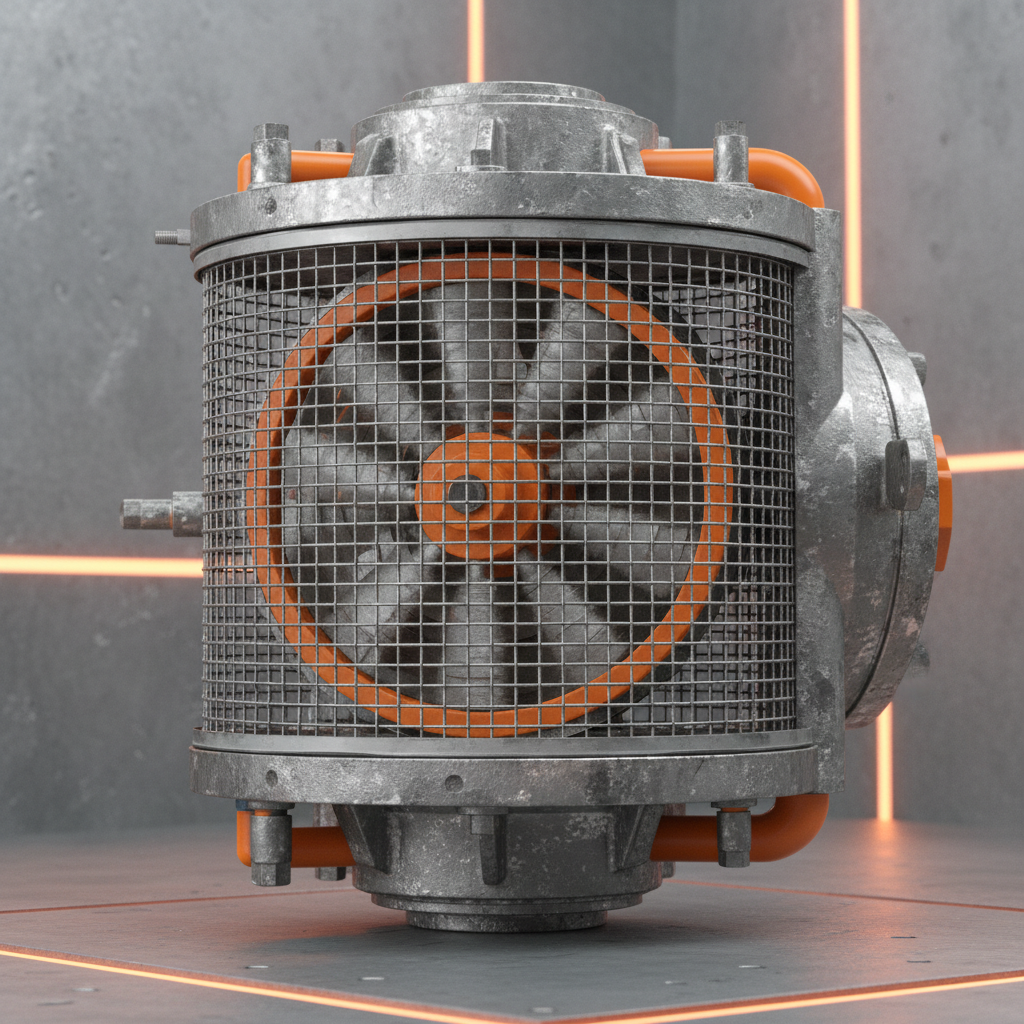
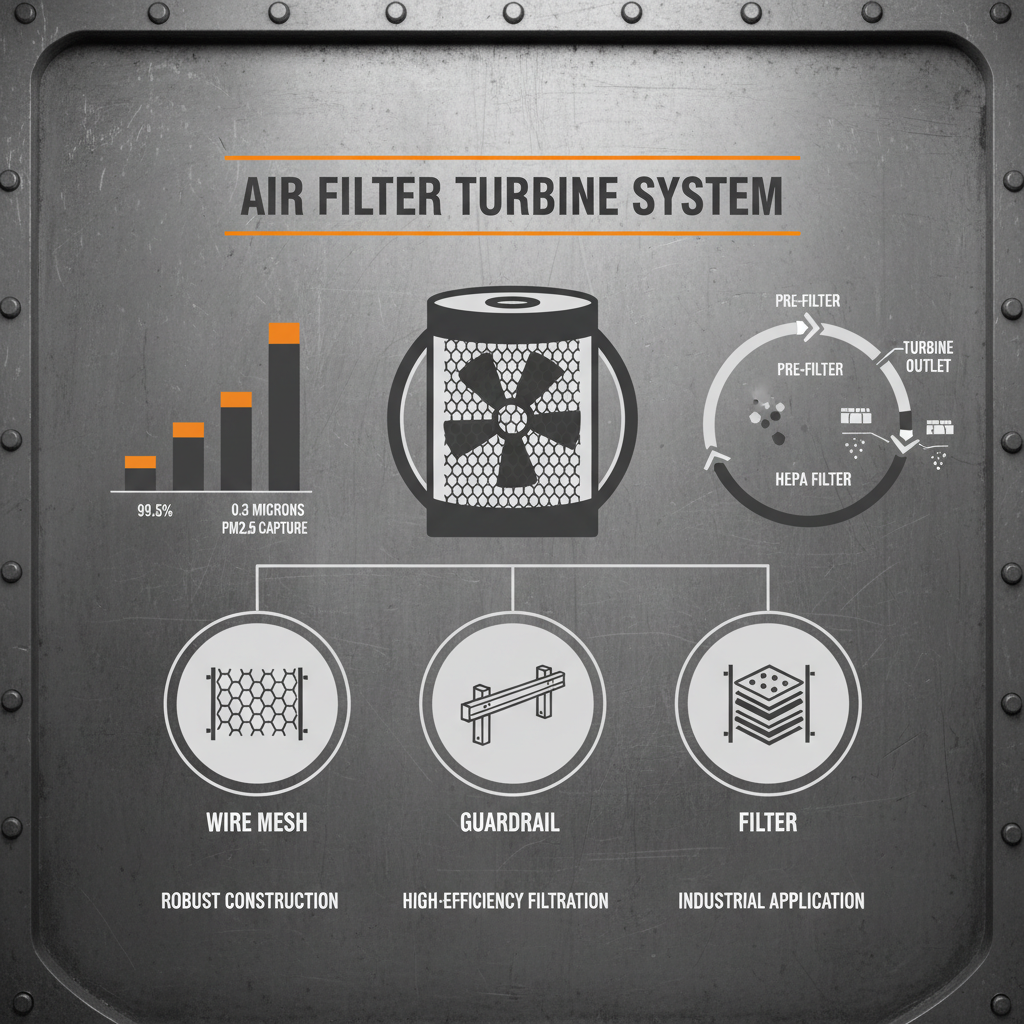
Advancements in Filter Turbine Technology for Efficient Resource Management

The Fundamental Principles of filter turbine

Advancements in Filter Turbine Technology for Efficient Resource Management

A filter turbine operates on the principle of centrifugal force combined with a carefully designed filtration medium. This allows for the efficient separation of solids from liquids or gases, even at high flow rates. The robust design and consistent performance of these turbines make them suitable for a broad spectrum of industrial applications.

Understanding the core physics of a filter turbine is crucial for optimal performance and maintenance. Factors like rotational speed, fluid viscosity, and particle size distribution all influence the filtration efficiency. Proper design and operational parameters ensure that the filter turbine effectively removes contaminants while minimizing energy consumption.

The Global Impact of filter turbine

The demand for filter turbine technology is increasing rapidly across the globe, driven by stricter environmental regulations and the need for cleaner industrial processes. Emerging economies are particularly investing in advanced filtration solutions to support their industrial growth while minimizing pollution.

The World Health Organization estimates that billions of people lack access to safe drinking water. Filter turbines are critical in water treatment facilities, providing a reliable and cost-effective method for removing harmful contaminants. This has a direct impact on public health and well-being in developing nations.

According to ISO standards, stringent filtration requirements are essential for maintaining product quality and safety in various industries, including pharmaceuticals, food and beverage, and microelectronics. Filter turbines play a vital role in meeting these standards, ensuring the reliability and consistency of manufactured products worldwide.

Defining a filter turbine

A filter turbine is a mechanical device utilizing centrifugal force to separate solid particles from a fluid (liquid or gas). It’s not simply a static filter; the rotation enhances the efficiency and capacity of the filtration process, making it ideal for high-volume applications.

Its connection to modern industry is profound. From ensuring the purity of pharmaceutical products to cleaning exhaust gases in power plants, filter turbines are integral to numerous critical processes. They’re a cornerstone of modern industrial efficiency and environmental protection.

Beyond industrial uses, filter turbines address humanitarian needs by providing access to clean water in disaster relief scenarios and remote communities. The adaptability and scalability of filter turbine technology makes it a versatile solution for diverse challenges.

Key Components and Characteristics of filter turbine

A high-performing filter turbine relies on several key characteristics. Firstly, Durability is crucial, with components designed to withstand harsh operating conditions and prolonged use. Secondly, Flow Rate Capacity defines the volume of fluid processed, tailored to specific application needs.

Filtration Efficiency, measuring the percentage of particles removed, is a vital performance metric. This is closely tied to the Filter Media used – ranging from specialized fabrics to ceramic membranes – selected based on the size and type of contaminants. Finally, Energy Efficiency minimizes operational costs and environmental impact, utilizing optimized designs and materials.

Filter Turbine Performance Metrics


Real-World Applications of filter turbine

In the pharmaceutical industry, filter turbine systems are essential for sterilizing process fluids and ensuring product purity. In remote industrial zones, they provide critical water purification for operational needs and worker health.

Power plants employ filter turbines to remove particulate matter from flue gases, reducing emissions and complying with environmental regulations. These applications highlight the turbine’s versatility and importance in maintaining sustainable practices.

The Advantages of Implementing filter turbine

The benefits of adopting filter turbine technology are significant. Cost-effectiveness stems from reduced energy consumption and minimal maintenance requirements. Sustainability is enhanced through decreased waste generation and optimized resource utilization.

The reliability of filter turbines translates to reduced downtime and increased operational efficiency. Social impact is realized through access to clean water and improved public health. Ultimately, filter turbines offer a compelling combination of economic, environmental, and social advantages.

Future Trends in filter turbine Technology

The future of filter turbine technology is intertwined with several key trends. Nanomaterial integration promises enhanced filtration efficiency and selectivity. Digital transformation, through real-time monitoring and predictive maintenance, optimizes performance and reduces operational costs.

Automation and robotic systems are streamlining turbine operation and maintenance. Focus on green energy solutions drives the development of more energy-efficient turbine designs. These innovations are poised to further revolutionize filtration processes across diverse industries.

Sustainability remains paramount, pushing research towards biodegradable filter media and closed-loop systems to minimize environmental impact. These advancements signal a shift towards smarter, more sustainable, and efficient filtration solutions.

Summarizing Core Challenges and Solutions in Filter Turbine Application

Challenge Impact on filter turbine Performance Proposed Solution Implementation Cost (1-10)
Filter Clogging Reduced flow rate, decreased efficiency Automated backwashing systems 6
High Energy Consumption Increased operational costs Optimized turbine design and variable frequency drives 7
Material Degradation Reduced lifespan, potential contamination Advanced corrosion-resistant materials 8
Limited Particle Size Range Ineffective removal of certain contaminants Multi-stage filtration systems 5
Maintenance Downtime Disruptions to operation, increased costs Predictive maintenance using sensor data 4
Lack of Remote Monitoring Delayed issue detection, inefficient operation IoT-enabled remote monitoring systems 6

FAQS

What are the primary industries that benefit from using filter turbines?

Filter turbines are vital across a wide range of industries including pharmaceuticals, food and beverage, power generation, water treatment, and chemical processing. These industries require high levels of purity and efficient separation of solids, making filter turbines an essential component of their operations. Their ability to handle high flow rates and various fluid types provides a versatile solution for numerous applications.

How often does a filter turbine require maintenance and what does it typically involve?

The frequency of filter turbine maintenance depends on the operating conditions and the type of fluids being filtered. Generally, routine inspections should be conducted monthly, and more thorough maintenance, including cleaning or replacing filter media, should be performed every 6-12 months. Maintenance typically involves checking for wear and tear, lubricating moving parts, and verifying the integrity of the filtration system.

What is the typical lifespan of a well-maintained filter turbine?

With proper maintenance and operation, a filter turbine can have a lifespan of 10-20 years or even longer. The lifespan is largely determined by the quality of materials used in construction, the severity of the operating conditions, and adherence to recommended maintenance schedules. Regularly scheduled inspections and prompt repairs can significantly extend the turbine’s operational life.

How does a filter turbine compare to other filtration methods in terms of cost-effectiveness?

Filter turbines often offer better cost-effectiveness compared to other filtration methods, particularly for high-volume applications. While the initial investment might be higher, the lower energy consumption, reduced maintenance requirements, and longer lifespan typically result in lower overall operating costs. They provide efficient separation without the need for frequent replacement of filter elements.

Can filter turbines be used to filter gases as well as liquids?

Yes, filter turbines can be adapted to filter both liquids and gases, although the specific design and filter media used will differ depending on the application. Gas filtration typically requires specialized media designed to capture particulate matter and gaseous pollutants. Filter turbines designed for gas filtration are commonly used in industrial exhaust systems and air purification processes.

What advancements are being made in filter turbine technology to improve efficiency and sustainability?

Recent advancements include the integration of nanomaterials for enhanced filtration efficiency, the development of self-cleaning turbine designs to reduce maintenance, and the use of more energy-efficient motors and controls. Sustainability is being enhanced through the use of biodegradable filter media and closed-loop systems that minimize waste and water consumption.

Conclusion

In conclusion, the filter turbine stands as a critical technology across numerous sectors, offering a robust, efficient, and increasingly sustainable solution for separation processes. From ensuring clean water access to optimizing industrial operations and promoting environmental protection, its impact is far-reaching and essential for modern advancement. Understanding its principles, applications, and future trends is crucial for professionals and organizations alike.

Investing in and adopting the latest innovations in filter turbine technology will be instrumental in addressing global challenges related to resource management and sustainability. Further research and development, coupled with strategic implementation, will unlock the full potential of this transformative technology, creating a cleaner, more efficient, and sustainable future. Visit our website at www.onlyfiltercartridge.com to learn more.

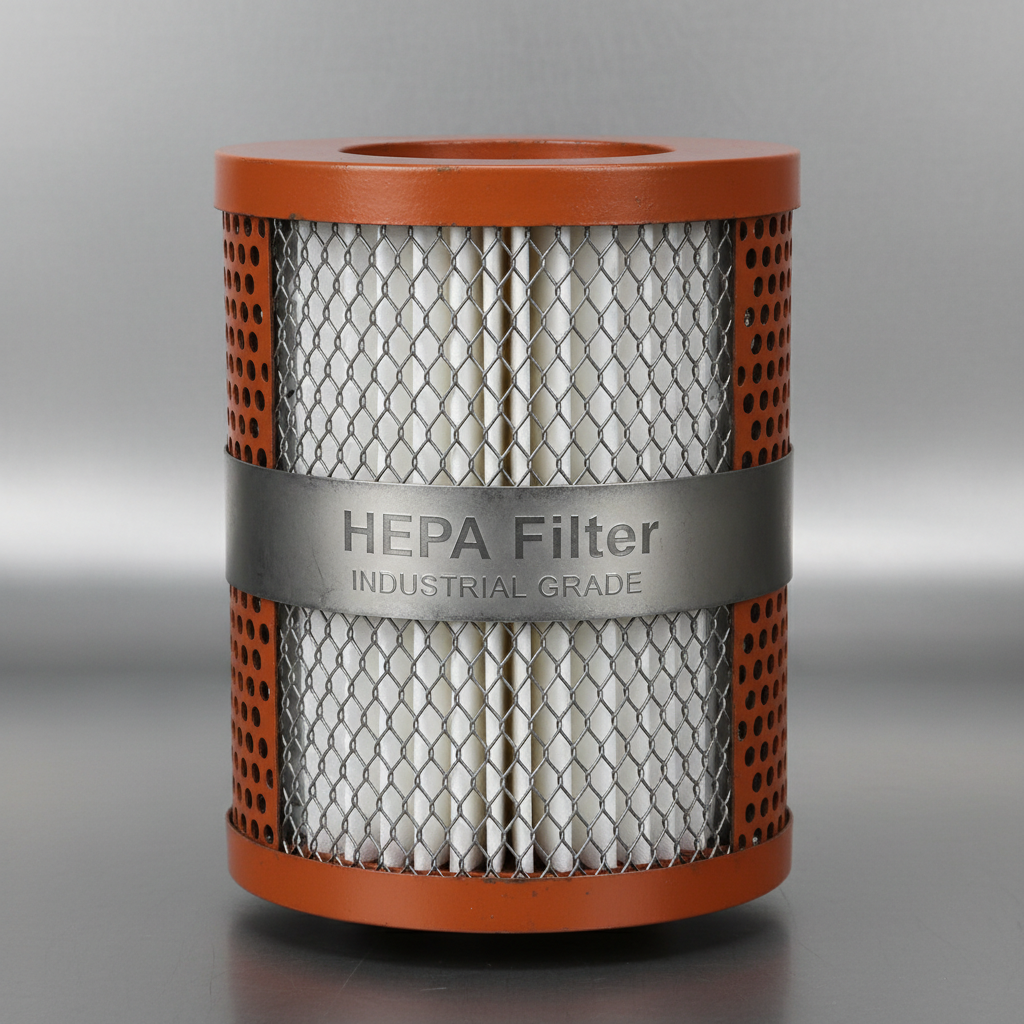
David Miller

David Miller

David Miller is a Senior Application Engineer at ONLY TECHNOLOGY. With over 8 years of experience in industrial filtration, David specializes in tailoring dust removal solutions for the mining and chemical industries. He holds a Bachelor's degree in Mechanical Engineering and a strong understanding of air purification processes. David frequently
Previous Comprehensive Guide to Gas Turbine Air Filter Manufacturers and Solutions
Next Optimizing Industrial Processes with Advanced Air Filter Turbine Systems
Copyright © 2026 ONLY Technology (hebei Province) Co., Ltd. All Rights Reserved. Sitemap | Privacy Policy | Top Blog | Global Service