
 Email:admin@only-filter.com
 Tel:
+8615930870079
Tel:
+8615930870079
Sep . 19, 2025 15:30 Back to list
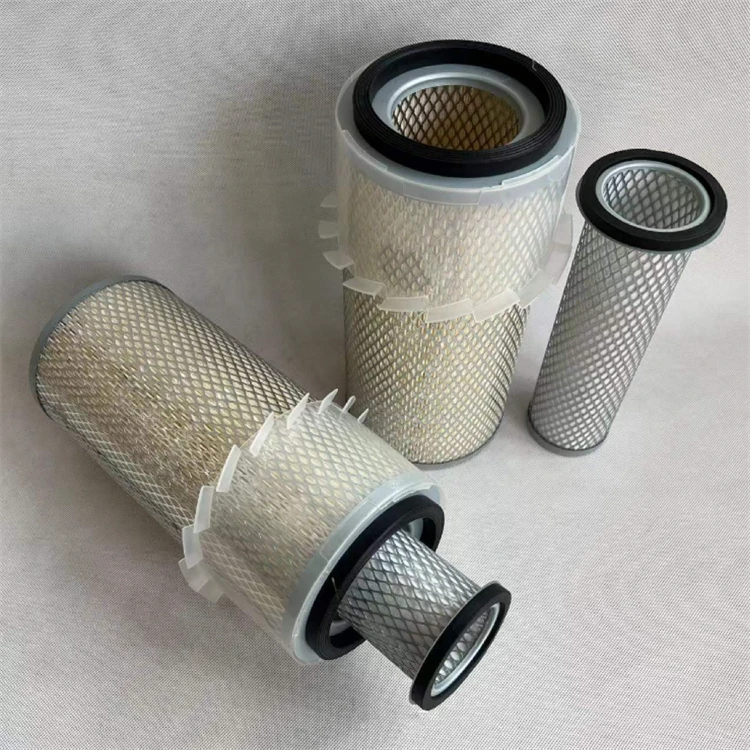
Premium Cartridge Type Air Filter | HEPA Options Available
Industry Trends in Advanced Air Filtration
The industrial landscape is witnessing a profound shift towards more stringent air quality standards, driven by increasing environmental regulations, heightened health consciousness, and a growing emphasis on operational efficiency. This paradigm shift directly impacts the demand for sophisticated air filtration solutions. Key trends include the escalating need for higher efficiency particulate air (HEPA) filtration, the development of smart filters with IoT integration for predictive maintenance, and a greater focus on sustainable, long-life filter media. Industries such as HVAC, pharmaceuticals, food and beverage, and microelectronics are continually seeking robust, reliable, and cost-effective solutions to maintain controlled environments and protect sensitive equipment and personnel. The evolution of filter media, incorporating nanofiber technologies and advanced composite materials, is also a significant trend, allowing for superior filtration efficiency at lower pressure drops, thereby contributing to energy savings. The market for industrial air filters is projected to grow significantly, fueled by these demands and advancements in material science and manufacturing processes.
In this evolving market, the cartridge type air filter has emerged as a cornerstone technology, offering unparalleled versatility and performance across diverse applications. Its modular design and high surface area make it an ideal choice for addressing the complex filtration challenges faced by modern industries.
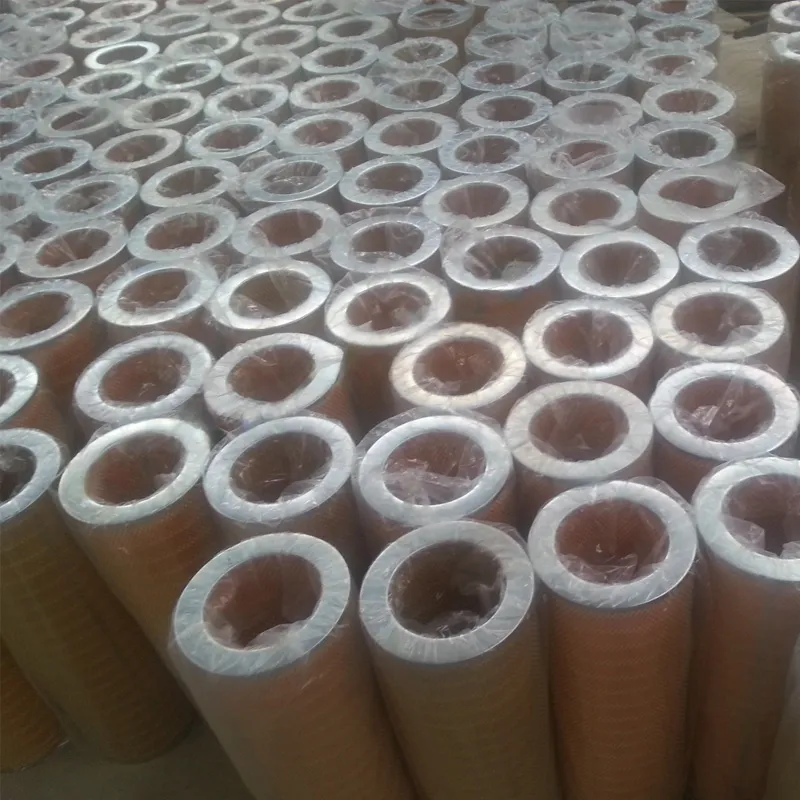
Manufacturing Process Flow of Advanced Cartridge Type Air Filter
The production of a high-performance cartridge type air filter involves a meticulous multi-stage manufacturing process, designed to ensure optimal filtration efficiency, structural integrity, and extended service life. Each step is critical, from material selection to final assembly and testing, adhering to rigorous quality control protocols.
1. Material Selection and Preparation
- Filter Media: High-grade borosilicate microfiber glass paper (for HEPA/ULPA), synthetic non-woven fabrics (polyester, polypropylene), or cellulose blends. Materials are chosen based on micron rating, temperature resistance, chemical compatibility, and desired efficiency (e.g., H13-H14 for HEPA, E10-E12 for EPA). For HEPA filters, the media typically features an efficiency of 99.97% at 0.3 microns.
- Frame/Casing Materials: Galvanized steel, stainless steel, aluminum, or high-impact plastics (e.g., ABS). Selection depends on application environment, corrosion resistance requirements, and structural demands.
- Sealant/Adhesives: Polyurethane or silicone-based sealants are used to ensure airtight connections and prevent bypass leakage, crucial for maintaining filtration integrity.
- Gaskets: EPDM, neoprene, or silicone foam gaskets provide a secure seal between the filter and its housing.
2. Pleating Process
The chosen filter media is precisely pleated to maximize the surface area within the compact cylindrical form factor. Advanced pleating machines utilize controlled tension and temperature to create uniform, V-shaped pleats. The pleat height and density are critical parameters, directly influencing airflow, pressure drop, and dust holding capacity. The manufacturing process may involve specific pleat geometries to optimize performance and structural stability.
3. Media Assembly and Potting
The pleated media pack is carefully assembled into the cylindrical frame. A continuous bead of polyurethane or hot melt adhesive is then applied to pot the media pack firmly into the end caps, creating a robust, leak-proof seal. This critical step ensures that air flows exclusively through the filter media and prevents any bypass around the edges. Automated potting systems ensure consistent application and curing times.
4. Frame and Gasket Integration
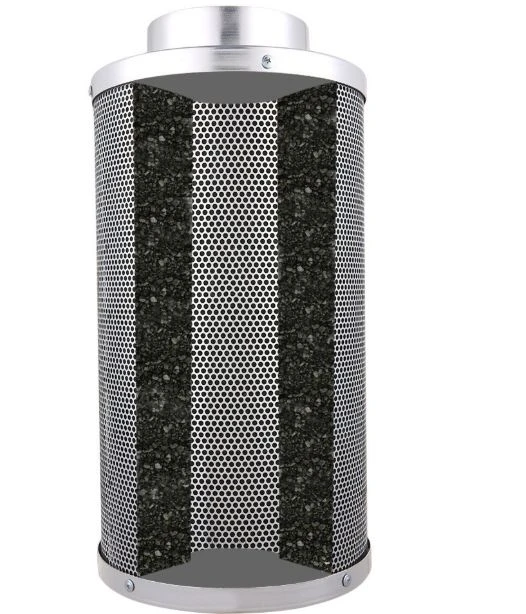
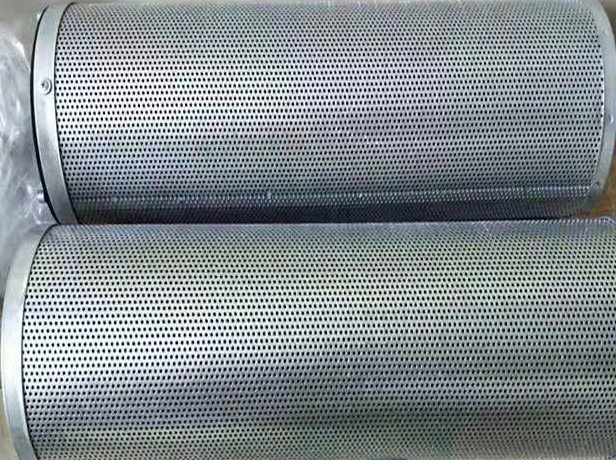
If not integrated during potting, the outer frame and internal support structures (e.g., expanded metal mesh or perforated sheet metal for rigidity) are added. Gaskets are then affixed to the ends of the filter cartridge, providing a reliable seal when installed into filtration equipment.
5. Curing and Drying
After assembly, the filters undergo a curing and drying phase in controlled environments to ensure the sealants and adhesives fully set, achieving maximum bond strength and chemical resistance. This stage is vital for the longevity and structural integrity of the filter air cartridge.
6. Quality Assurance and Testing Standards
Rigorous testing is performed to ensure each filter meets specified performance criteria. Key tests include:
- Leak Testing: Each HEPA filter undergoes a DOP (Dispersed Oil Particulate) or PAO (Poly Alpha Olefin) test, according to ISO 29463 or EN 1822 standards, to detect any bypass leakage and ensure a minimum efficiency of 99.97% or 99.995% at MPPS (Most Penetrating Particle Size).
- Pressure Drop Testing: Measures resistance to airflow at various flow rates, ensuring energy efficiency.
- Burst Strength Testing: Verifies the structural integrity of the filter under extreme pressure differentials.
- Dimensional Accuracy: Ensures compatibility with existing filtration systems.
These processes adhere to international standards such as ISO 9001 for quality management, ISO 16890 for general filtration, and EN 1822 for HEPA/ULPA filters, guaranteeing consistent product quality and performance.
Target Industries & Advantages: Our advanced hepa air filter cartridge solutions serve critical needs in industries like Petrochemical (corrosion resistance, high temperature), Metallurgy (particulate removal, abrasion resistance), and Water Supply & Drainage (contaminant removal, long service life). Typical advantages include significant energy savings due to optimized pressure drop, superior corrosion resistance through specialized materials, and extended service life reducing replacement frequency and operational costs.
Technical Specifications and Parameters
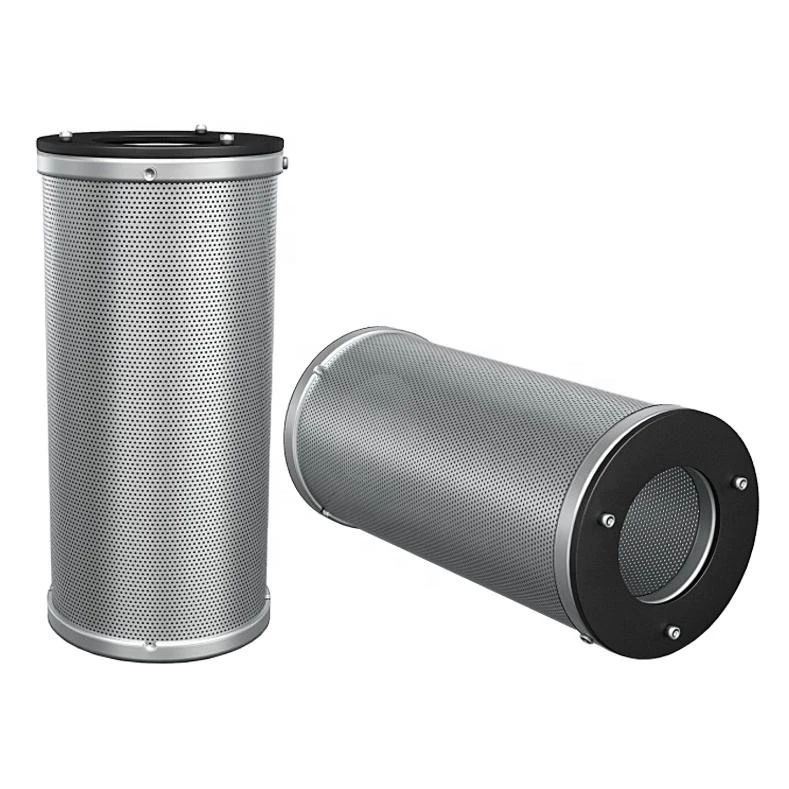
Understanding the precise technical specifications of a cartridge type air filter is crucial for optimal system integration and performance. Our Factory Cylindrical Round air Hepa Cartridge Filter for HVAC Purifier is engineered to deliver superior air purification, meeting stringent industry requirements. Below are key parameters for our flagship product:
| Parameter | Specification |
|---|---|
| Product Name | Factory Cylindrical Round Air HEPA Cartridge Filter for HVAC Purifier |
| Filter Class (EN 1822) | H13 (Standard), H14 (Optional) |
| Efficiency (H13) | ≥ 99.97% @ 0.3 µm (MPPS) |
| Efficiency (H14) | ≥ 99.995% @ 0.3 µm (MPPS) |
| Filter Media | Water-resistant pleated fiberglass paper |
| Frame Material | Galvanized steel, Stainless steel (optional), ABS plastic (optional) |
| Sealant | Polyurethane |
| Gasket | Continuous seamless polyurethane foam |
| Max. Operating Temperature | 70°C (158°F) |
| Max. Relative Humidity | 100% RH |
| Initial Pressure Drop (at rated airflow) | Typically 180-250 Pa (depending on size/airflow) |
| Recommended Final Pressure Drop | Approx. 500-600 Pa |
| Service Life (typical) | 1-3 years (dependent on operating conditions and pre-filtration) |
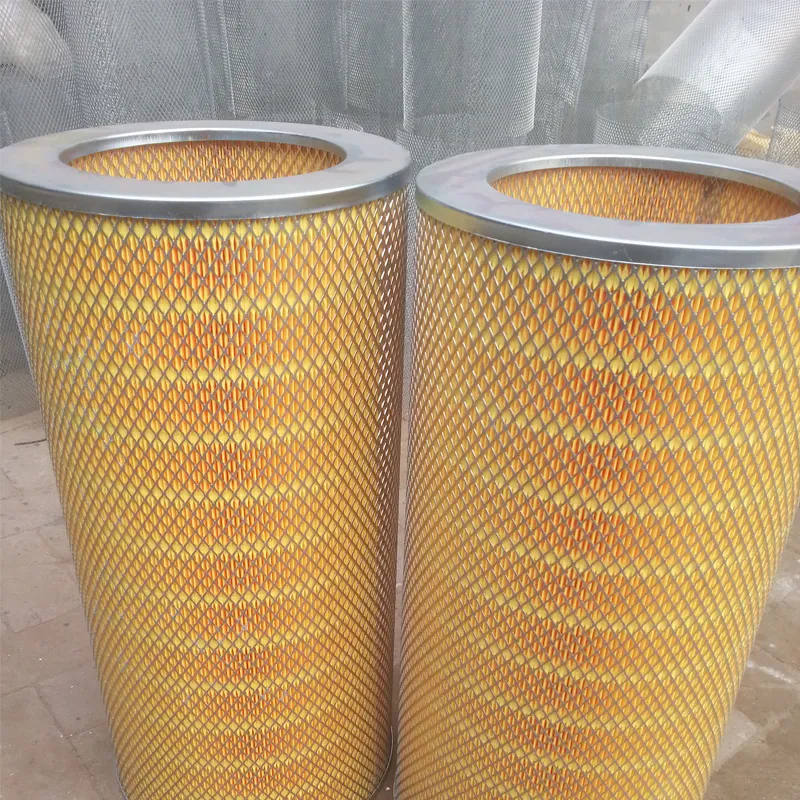
Application Scenarios and Technical Advantages
The versatility and high-performance characteristics of air filter cartridges make them indispensable across a wide spectrum of industrial and commercial applications. Their cylindrical design optimizes airflow distribution and particulate capture, leading to superior air quality.
Typical Application Scenarios:
- HVAC Systems: Essential for maintaining indoor air quality in commercial buildings, hospitals, airports, and data centers, preventing the spread of airborne contaminants and protecting sensitive equipment.
- Pharmaceutical Manufacturing: Critical for sterile environments in cleanrooms, ensuring product purity and compliance with regulatory standards like GMP. HEPA filter air cartridge plays a vital role in preventing cross-contamination.
- Food and Beverage Industry: Used in processing areas to protect products from microbial contamination, ensuring food safety and extending shelf life.
- Electronics and Semiconductor Manufacturing: Ultra-clean environments are paramount to prevent defects in microchip production. Our filters help achieve ISO Class 1-5 cleanroom conditions.
- Hospitals and Healthcare Facilities: Integral to operating theaters, isolation rooms, and patient care areas for infection control and protecting immunocompromised patients.
- Industrial Dust Collectors: Utilized in various manufacturing processes (e.g., welding, grinding, woodworking) to capture fine dust and fumes, protecting workers and machinery.
Technical Advantages:
- High Filtration Efficiency: Our HEPA-grade cartridge type air filter achieves ≥ 99.97% efficiency at 0.3 microns, capturing ultrafine particles, allergens, bacteria, and viruses.
- Optimized Dust Holding Capacity: The pleated design significantly increases the filter media surface area, allowing for higher dust holding capacity and longer service intervals, reducing maintenance costs.
- Low Initial Pressure Drop: Engineered for minimal resistance to airflow, which translates directly into lower energy consumption for fans and HVAC systems, resulting in substantial operational savings.
- Robust Construction: Durable materials and precise manufacturing ensure structural integrity, preventing media sag or collapse even under fluctuating airflow and pressure conditions.
- Ease of Installation and Replacement: The standardized cylindrical design facilitates quick and straightforward installation and replacement, minimizing downtime.
- Versatility: Available in various sizes, media types, and efficiencies to suit a broad range of specific application requirements, from pre-filtration to terminal HEPA filtration.
- Corrosion Resistance: Options for galvanized steel or stainless steel frames provide excellent resistance to corrosive environments, extending filter life in demanding industrial settings.
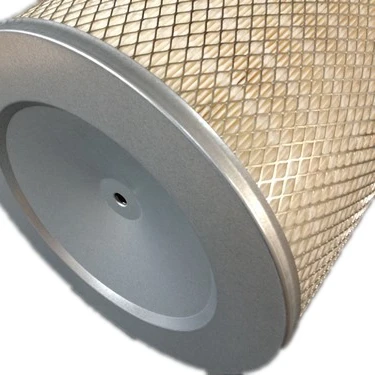
Vendor Comparison: Why Choose Our HEPA Cartridge Filters
Selecting the right supplier for critical air filtration components is a strategic decision that impacts operational efficiency, compliance, and long-term cost of ownership. While many providers offer air filter cartridges, our commitment to quality, performance, and customer support sets us apart. Below is a comparison showcasing our competitive edge:
| Feature / Parameter | Our HEPA Cartridge Filter | Typical Competitor A | Typical Competitor B |
|---|---|---|---|
| Filter Class (EN 1822) | H13/H14 | H13 | H10-H13 (variable) |
| Efficiency @ 0.3 µm (MPPS) | ≥ 99.97% (H13), ≥ 99.995% (H14) | ≥ 99.97% | 95-99.95% |
| Initial Pressure Drop | Optimized (180-250 Pa) | 200-300 Pa | 250-350 Pa |
| Filter Media Type | Water-resistant fiberglass | Standard fiberglass | Synthetic blend |
| Frame Construction | Robust Galvanized/SS options | Galvanized steel only | Plastic or light galvanized |
| Sealant Quality | Advanced Polyurethane (leak-proof) | Standard hot melt | Silicone (less robust) |
| Certifications | ISO 9001, EN 1822 compliant | ISO 9001 | Basic CE |
| Customization Options | Extensive (dimensions, media, frames) | Limited | Minimal |
Our commitment to using premium materials, advanced manufacturing techniques, and rigorous testing ensures that our hepa air filter cartridge solutions consistently outperform competitors in critical performance metrics such as efficiency, pressure drop, and structural integrity. This translates to lower operational costs, reduced energy consumption, and superior air quality for our clients.
Customized Solutions and Application Case Studies
Recognizing that every industrial environment presents unique challenges, we specialize in providing tailored filtration solutions. Our engineering team collaborates closely with clients to develop custom cartridge type air filter designs that precisely match specific dimensional, efficiency, and environmental requirements.
Customization Capabilities:
- Dimensions: Non-standard diameters and lengths to fit legacy systems or highly compact spaces.
- Filter Media: Specialized media for specific contaminants (e.g., activated carbon layers for VOC removal, hydrophobic media for high humidity).
- Frame Materials: Custom frame materials (e.g., acid-resistant plastics, marine-grade stainless steel) for corrosive or sterile environments.
- Gaskets and Sealants: Selection of materials resistant to specific chemicals or extreme temperatures.
- Integrated Solutions: Combining multiple filtration stages (e.g., pre-filter and HEPA) into a single cartridge for space optimization.
Application Case Study 1: Pharmaceutical Cleanroom Upgrade
Challenge: A leading pharmaceutical manufacturer needed to upgrade its Class 100,000 cleanroom to Class 10,000 for a new sterile drug production line. Existing air handling units had limited space for larger filters, and downtime needed to be minimized.
Solution: We engineered custom hepa air filter cartridge units (H14 grade) with a slightly reduced diameter and increased pleat density to fit the existing AHU footprint while achieving the required efficiency. Our team collaborated with their engineers for precise measurements and conducted on-site performance verification. Our filters are certified according to ISO 29463 and EN 1822.
Result: The cleanroom successfully achieved Class 10,000 standards with minimal modification to the existing infrastructure. Particle counts were consistently below target, and the client reported a 15% reduction in energy consumption due to the optimized low-pressure-drop design. The project was completed within a tight 3-week schedule, minimizing production interruptions. Client feedback highlighted our expertise and rapid response time.
Application Case Study 2: Industrial Dust Collector in Metal Fabrication
Challenge: A large metal fabrication plant experienced frequent clogging and short service life with their generic dust collector air filter cartridges, leading to high replacement costs and inadequate particulate removal in their welding and grinding areas. The abrasive nature of metal dust was a particular concern.
Solution: We provided specialized pleated synthetic media cartridge type air filter designed for high dust loads and abrasive particles, featuring a PTFE membrane for enhanced surface filtration and release properties. The filters were also built with robust galvanized steel frames for increased durability.
Result: The new filters demonstrated a 2.5x increase in service life, reducing filter replacement frequency and associated labor costs by over 60%. Air quality improved significantly, leading to better worker health and compliance with OSHA standards. The client praised the exceptional durability and long-term cost savings delivered by our specialized filtration solution. This partnership has spanned over 5 years, demonstrating consistent quality and reliability.
Trustworthiness and Support
Frequently Asked Questions (FAQ)
Q1: How often should I replace my cartridge type air filter?
A1: Service life typically ranges from 1 to 3 years, depending on the application environment, contaminant load, and pre-filtration effectiveness. Monitoring pressure drop across the filter is the most reliable indicator for replacement.
Q2: What is the difference between H13 and H14 HEPA filters?
A2: Both are high-efficiency particulate air filters. H13 filters capture 99.97% of particles at 0.3 microns, while H14 filters achieve 99.995% efficiency at 0.3 microns, offering a higher level of purification for more critical applications.
Q3: Can these filters be cleaned and reused?
A3: For HEPA and most high-efficiency air filter cartridges, cleaning is generally not recommended as it can damage the delicate media and compromise filtration efficiency. Replacement is typically the most effective and safest approach to maintain performance.
Lead Time and Fulfillment
Standard orders for our Factory Cylindrical Round air Hepa Cartridge Filter for Hvac Purifier typically have a lead time of 2-4 weeks, depending on order volume and specific configurations. Expedited options are available for urgent requirements. Custom orders may require longer lead times, which will be clearly communicated during the quotation process. We maintain robust supply chain management to ensure timely delivery and minimize disruptions to your operations.
Warranty Commitments
We stand by the quality of our products. All our filter air cartridge products come with a standard 12-month warranty against manufacturing defects from the date of shipment. This warranty covers material defects and workmanship under normal operating conditions. Detailed warranty terms and conditions are available upon request.
Customer Support and Technical Assistance
Our dedicated customer support team and experienced technical engineers are available to assist you with product selection, technical inquiries, installation guidance, and troubleshooting. We offer comprehensive pre-sales consultation and post-sales support to ensure your complete satisfaction. You can reach us via phone, email, or through our website's contact form for prompt assistance. We pride ourselves on building lasting partnerships through reliable products and exceptional service.
Authoritative References
- ISO 29463-1:2017 - High efficiency filters and filter media for removing particles in air — Part 1: Classification, performance, and marking. International Organization for Standardization.
- EN 1822-1:2019 - High efficiency air filters (EPA, HEPA and ULPA) — Part 1: Classification, performance testing, marking. European Committee for Standardization.
- ASHRAE Standard 52.2-2017 - Method of Testing General Ventilation Air-Cleaning Devices for Removal Efficiency by Particle Size. American Society of Heating, Refrigerating and Air-Conditioning Engineers.
- Guidance for Industry: Sterile Drug Products Produced by Aseptic Processing — Current Good Manufacturing Practice (CGMP). U.S. Food and Drug Administration (FDA).
- U.S. Environmental Protection Agency (EPA) - Indoor Air Quality (IAQ) Standards and Guidelines.
-
High-Efficiency Industrial Dust Filtration & PurificationNewsApr.21,2026
-
High-Efficiency Adsorption for Clean Air & Water PurificationNewsApr.20,2026
-
Air Filter Cartridge: High-Efficiency Filtration for Engine Protection & Clean Air SupplyNewsApr.17,2026
-
Filter Paper: Precision Filtration Media for Industrial & Laboratory ExcellenceNewsApr.16,2026
-
Industrial Guide for Selecting a Stainless Filter CartridgeNewsApr.16,2026
-
Dust Filter Cartridges: High-Efficiency Industrial Filtration for Clean Production & ComplianceNewsApr.15,2026
Sep . 08, 2025 16:37 Back to list
Premium Cartridge Type Air Filter | HEPA Options Available
Industry Trends in Advanced Air Filtration
The industrial landscape is witnessing a profound shift towards more stringent air quality standards, driven by increasing environmental regulations, heightened health consciousness, and a growing emphasis on operational efficiency. This paradigm shift directly impacts the demand for sophisticated air filtration solutions. Key trends include the escalating need for higher efficiency particulate air (HEPA) filtration, the development of smart filters with IoT integration for predictive maintenance, and a greater focus on sustainable, long-life filter media. Industries such as HVAC, pharmaceuticals, food and beverage, and microelectronics are continually seeking robust, reliable, and cost-effective solutions to maintain controlled environments and protect sensitive equipment and personnel. The evolution of filter media, incorporating nanofiber technologies and advanced composite materials, is also a significant trend, allowing for superior filtration efficiency at lower pressure drops, thereby contributing to energy savings. The market for industrial air filters is projected to grow significantly, fueled by these demands and advancements in material science and manufacturing processes.
In this evolving market, the cartridge type air filter has emerged as a cornerstone technology, offering unparalleled versatility and performance across diverse applications. Its modular design and high surface area make it an ideal choice for addressing the complex filtration challenges faced by modern industries.
Manufacturing Process Flow of Advanced Cartridge Type Air Filter
The production of a high-performance cartridge type air filter involves a meticulous multi-stage manufacturing process, designed to ensure optimal filtration efficiency, structural integrity, and extended service life. Each step is critical, from material selection to final assembly and testing, adhering to rigorous quality control protocols.
1. Material Selection and Preparation
- Filter Media: High-grade borosilicate microfiber glass paper (for HEPA/ULPA), synthetic non-woven fabrics (polyester, polypropylene), or cellulose blends. Materials are chosen based on micron rating, temperature resistance, chemical compatibility, and desired efficiency (e.g., H13-H14 for HEPA, E10-E12 for EPA). For HEPA filters, the media typically features an efficiency of 99.97% at 0.3 microns.
- Frame/Casing Materials: Galvanized steel, stainless steel, aluminum, or high-impact plastics (e.g., ABS). Selection depends on application environment, corrosion resistance requirements, and structural demands.
- Sealant/Adhesives: Polyurethane or silicone-based sealants are used to ensure airtight connections and prevent bypass leakage, crucial for maintaining filtration integrity.
- Gaskets: EPDM, neoprene, or silicone foam gaskets provide a secure seal between the filter and its housing.
2. Pleating Process
The chosen filter media is precisely pleated to maximize the surface area within the compact cylindrical form factor. Advanced pleating machines utilize controlled tension and temperature to create uniform, V-shaped pleats. The pleat height and density are critical parameters, directly influencing airflow, pressure drop, and dust holding capacity. The manufacturing process may involve specific pleat geometries to optimize performance and structural stability.
3. Media Assembly and Potting
The pleated media pack is carefully assembled into the cylindrical frame. A continuous bead of polyurethane or hot melt adhesive is then applied to pot the media pack firmly into the end caps, creating a robust, leak-proof seal. This critical step ensures that air flows exclusively through the filter media and prevents any bypass around the edges. Automated potting systems ensure consistent application and curing times.
4. Frame and Gasket Integration
If not integrated during potting, the outer frame and internal support structures (e.g., expanded metal mesh or perforated sheet metal for rigidity) are added. Gaskets are then affixed to the ends of the filter cartridge, providing a reliable seal when installed into filtration equipment.
5. Curing and Drying
After assembly, the filters undergo a curing and drying phase in controlled environments to ensure the sealants and adhesives fully set, achieving maximum bond strength and chemical resistance. This stage is vital for the longevity and structural integrity of the filter air cartridge.
6. Quality Assurance and Testing Standards
Rigorous testing is performed to ensure each filter meets specified performance criteria. Key tests include:
- Leak Testing: Each HEPA filter undergoes a DOP (Dispersed Oil Particulate) or PAO (Poly Alpha Olefin) test, according to ISO 29463 or EN 1822 standards, to detect any bypass leakage and ensure a minimum efficiency of 99.97% or 99.995% at MPPS (Most Penetrating Particle Size).
- Pressure Drop Testing: Measures resistance to airflow at various flow rates, ensuring energy efficiency.
- Burst Strength Testing: Verifies the structural integrity of the filter under extreme pressure differentials.
- Dimensional Accuracy: Ensures compatibility with existing filtration systems.
These processes adhere to international standards such as ISO 9001 for quality management, ISO 16890 for general filtration, and EN 1822 for HEPA/ULPA filters, guaranteeing consistent product quality and performance.
Target Industries & Advantages: Our advanced hepa air filter cartridge solutions serve critical needs in industries like Petrochemical (corrosion resistance, high temperature), Metallurgy (particulate removal, abrasion resistance), and Water Supply & Drainage (contaminant removal, long service life). Typical advantages include significant energy savings due to optimized pressure drop, superior corrosion resistance through specialized materials, and extended service life reducing replacement frequency and operational costs.
Technical Specifications and Parameters
Understanding the precise technical specifications of a cartridge type air filter is crucial for optimal system integration and performance. Our Factory Cylindrical Round air Hepa Cartridge Filter for HVAC Purifier is engineered to deliver superior air purification, meeting stringent industry requirements. Below are key parameters for our flagship product:
| Parameter | Specification |
|---|---|
| Product Name | Factory Cylindrical Round Air HEPA Cartridge Filter for HVAC Purifier |
| Filter Class (EN 1822) | H13 (Standard), H14 (Optional) |
| Efficiency (H13) | ≥ 99.97% @ 0.3 µm (MPPS) |
| Efficiency (H14) | ≥ 99.995% @ 0.3 µm (MPPS) |
| Filter Media | Water-resistant pleated fiberglass paper |
| Frame Material | Galvanized steel, Stainless steel (optional), ABS plastic (optional) |
| Sealant | Polyurethane |
| Gasket | Continuous seamless polyurethane foam |
| Max. Operating Temperature | 70°C (158°F) |
| Max. Relative Humidity | 100% RH |
| Initial Pressure Drop (at rated airflow) | Typically 180-250 Pa (depending on size/airflow) |
| Recommended Final Pressure Drop | Approx. 500-600 Pa |
| Service Life (typical) | 1-3 years (dependent on operating conditions and pre-filtration) |
Application Scenarios and Technical Advantages
The versatility and high-performance characteristics of air filter cartridges make them indispensable across a wide spectrum of industrial and commercial applications. Their cylindrical design optimizes airflow distribution and particulate capture, leading to superior air quality.
Typical Application Scenarios:
- HVAC Systems: Essential for maintaining indoor air quality in commercial buildings, hospitals, airports, and data centers, preventing the spread of airborne contaminants and protecting sensitive equipment.
- Pharmaceutical Manufacturing: Critical for sterile environments in cleanrooms, ensuring product purity and compliance with regulatory standards like GMP. HEPA filter air cartridge plays a vital role in preventing cross-contamination.
- Food and Beverage Industry: Used in processing areas to protect products from microbial contamination, ensuring food safety and extending shelf life.
- Electronics and Semiconductor Manufacturing: Ultra-clean environments are paramount to prevent defects in microchip production. Our filters help achieve ISO Class 1-5 cleanroom conditions.
- Hospitals and Healthcare Facilities: Integral to operating theaters, isolation rooms, and patient care areas for infection control and protecting immunocompromised patients.
- Industrial Dust Collectors: Utilized in various manufacturing processes (e.g., welding, grinding, woodworking) to capture fine dust and fumes, protecting workers and machinery.
Technical Advantages:
- High Filtration Efficiency: Our HEPA-grade cartridge type air filter achieves ≥ 99.97% efficiency at 0.3 microns, capturing ultrafine particles, allergens, bacteria, and viruses.
- Optimized Dust Holding Capacity: The pleated design significantly increases the filter media surface area, allowing for higher dust holding capacity and longer service intervals, reducing maintenance costs.
- Low Initial Pressure Drop: Engineered for minimal resistance to airflow, which translates directly into lower energy consumption for fans and HVAC systems, resulting in substantial operational savings.
- Robust Construction: Durable materials and precise manufacturing ensure structural integrity, preventing media sag or collapse even under fluctuating airflow and pressure conditions.
- Ease of Installation and Replacement: The standardized cylindrical design facilitates quick and straightforward installation and replacement, minimizing downtime.
- Versatility: Available in various sizes, media types, and efficiencies to suit a broad range of specific application requirements, from pre-filtration to terminal HEPA filtration.
- Corrosion Resistance: Options for galvanized steel or stainless steel frames provide excellent resistance to corrosive environments, extending filter life in demanding industrial settings.
Vendor Comparison: Why Choose Our HEPA Cartridge Filters
Selecting the right supplier for critical air filtration components is a strategic decision that impacts operational efficiency, compliance, and long-term cost of ownership. While many providers offer air filter cartridges, our commitment to quality, performance, and customer support sets us apart. Below is a comparison showcasing our competitive edge:
| Feature / Parameter | Our HEPA Cartridge Filter | Typical Competitor A | Typical Competitor B |
|---|---|---|---|
| Filter Class (EN 1822) | H13/H14 | H13 | H10-H13 (variable) |
| Efficiency @ 0.3 µm (MPPS) | ≥ 99.97% (H13), ≥ 99.995% (H14) | ≥ 99.97% | 95-99.95% |
| Initial Pressure Drop | Optimized (180-250 Pa) | 200-300 Pa | 250-350 Pa |
| Filter Media Type | Water-resistant fiberglass | Standard fiberglass | Synthetic blend |
| Frame Construction | Robust Galvanized/SS options | Galvanized steel only | Plastic or light galvanized |
| Sealant Quality | Advanced Polyurethane (leak-proof) | Standard hot melt | Silicone (less robust) |
| Certifications | ISO 9001, EN 1822 compliant | ISO 9001 | Basic CE |
| Customization Options | Extensive (dimensions, media, frames) | Limited | Minimal |
Our commitment to using premium materials, advanced manufacturing techniques, and rigorous testing ensures that our hepa air filter cartridge solutions consistently outperform competitors in critical performance metrics such as efficiency, pressure drop, and structural integrity. This translates to lower operational costs, reduced energy consumption, and superior air quality for our clients.
Customized Solutions and Application Case Studies
Recognizing that every industrial environment presents unique challenges, we specialize in providing tailored filtration solutions. Our engineering team collaborates closely with clients to develop custom cartridge type air filter designs that precisely match specific dimensional, efficiency, and environmental requirements.
Customization Capabilities:
- Dimensions: Non-standard diameters and lengths to fit legacy systems or highly compact spaces.
- Filter Media: Specialized media for specific contaminants (e.g., activated carbon layers for VOC removal, hydrophobic media for high humidity).
- Frame Materials: Custom frame materials (e.g., acid-resistant plastics, marine-grade stainless steel) for corrosive or sterile environments.
- Gaskets and Sealants: Selection of materials resistant to specific chemicals or extreme temperatures.
- Integrated Solutions: Combining multiple filtration stages (e.g., pre-filter and HEPA) into a single cartridge for space optimization.
Application Case Study 1: Pharmaceutical Cleanroom Upgrade
Challenge: A leading pharmaceutical manufacturer needed to upgrade its Class 100,000 cleanroom to Class 10,000 for a new sterile drug production line. Existing air handling units had limited space for larger filters, and downtime needed to be minimized.
Solution: We engineered custom hepa air filter cartridge units (H14 grade) with a slightly reduced diameter and increased pleat density to fit the existing AHU footprint while achieving the required efficiency. Our team collaborated with their engineers for precise measurements and conducted on-site performance verification. Our filters are certified according to ISO 29463 and EN 1822.
Result: The cleanroom successfully achieved Class 10,000 standards with minimal modification to the existing infrastructure. Particle counts were consistently below target, and the client reported a 15% reduction in energy consumption due to the optimized low-pressure-drop design. The project was completed within a tight 3-week schedule, minimizing production interruptions. Client feedback highlighted our expertise and rapid response time.
Application Case Study 2: Industrial Dust Collector in Metal Fabrication
Challenge: A large metal fabrication plant experienced frequent clogging and short service life with their generic dust collector air filter cartridges, leading to high replacement costs and inadequate particulate removal in their welding and grinding areas. The abrasive nature of metal dust was a particular concern.
Solution: We provided specialized pleated synthetic media cartridge type air filter designed for high dust loads and abrasive particles, featuring a PTFE membrane for enhanced surface filtration and release properties. The filters were also built with robust galvanized steel frames for increased durability.
Result: The new filters demonstrated a 2.5x increase in service life, reducing filter replacement frequency and associated labor costs by over 60%. Air quality improved significantly, leading to better worker health and compliance with OSHA standards. The client praised the exceptional durability and long-term cost savings delivered by our specialized filtration solution. This partnership has spanned over 5 years, demonstrating consistent quality and reliability.
Trustworthiness and Support
Frequently Asked Questions (FAQ)
Q1: How often should I replace my cartridge type air filter?
A1: Service life typically ranges from 1 to 3 years, depending on the application environment, contaminant load, and pre-filtration effectiveness. Monitoring pressure drop across the filter is the most reliable indicator for replacement.
Q2: What is the difference between H13 and H14 HEPA filters?
A2: Both are high-efficiency particulate air filters. H13 filters capture 99.97% of particles at 0.3 microns, while H14 filters achieve 99.995% efficiency at 0.3 microns, offering a higher level of purification for more critical applications.
Q3: Can these filters be cleaned and reused?
A3: For HEPA and most high-efficiency air filter cartridges, cleaning is generally not recommended as it can damage the delicate media and compromise filtration efficiency. Replacement is typically the most effective and safest approach to maintain performance.
Lead Time and Fulfillment
Standard orders for our Factory Cylindrical Round air Hepa Cartridge Filter for Hvac Purifier typically have a lead time of 2-4 weeks, depending on order volume and specific configurations. Expedited options are available for urgent requirements. Custom orders may require longer lead times, which will be clearly communicated during the quotation process. We maintain robust supply chain management to ensure timely delivery and minimize disruptions to your operations.
Warranty Commitments
We stand by the quality of our products. All our filter air cartridge products come with a standard 12-month warranty against manufacturing defects from the date of shipment. This warranty covers material defects and workmanship under normal operating conditions. Detailed warranty terms and conditions are available upon request.
Customer Support and Technical Assistance
Our dedicated customer support team and experienced technical engineers are available to assist you with product selection, technical inquiries, installation guidance, and troubleshooting. We offer comprehensive pre-sales consultation and post-sales support to ensure your complete satisfaction. You can reach us via phone, email, or through our website's contact form for prompt assistance. We pride ourselves on building lasting partnerships through reliable products and exceptional service.
Authoritative References
- ISO 29463-1:2017 - High efficiency filters and filter media for removing particles in air — Part 1: Classification, performance, and marking. International Organization for Standardization.
- EN 1822-1:2019 - High efficiency air filters (EPA, HEPA and ULPA) — Part 1: Classification, performance testing, marking. European Committee for Standardization.
- ASHRAE Standard 52.2-2017 - Method of Testing General Ventilation Air-Cleaning Devices for Removal Efficiency by Particle Size. American Society of Heating, Refrigerating and Air-Conditioning Engineers.
- Guidance for Industry: Sterile Drug Products Produced by Aseptic Processing — Current Good Manufacturing Practice (CGMP). U.S. Food and Drug Administration (FDA).
- U.S. Environmental Protection Agency (EPA) - Indoor Air Quality (IAQ) Standards and Guidelines.
-
High-Efficiency Industrial Dust Filtration & PurificationNewsApr.21,2026
-
High-Efficiency Adsorption for Clean Air & Water PurificationNewsApr.20,2026
-
Air Filter Cartridge: High-Efficiency Filtration for Engine Protection & Clean Air SupplyNewsApr.17,2026
-
Filter Paper: Precision Filtration Media for Industrial & Laboratory ExcellenceNewsApr.16,2026
-
Industrial Guide for Selecting a Stainless Filter CartridgeNewsApr.16,2026
-
Dust Filter Cartridges: High-Efficiency Industrial Filtration for Clean Production & ComplianceNewsApr.15,2026