 Email:admin@only-filter.com
 Tel:
+8615930870079
Tel:
+8615930870079
Oct . 11, 2025 10:30 Back to list
Pleated Filter Manufacturers | Efficient Dust Cartridges
Inside the world of pleated filter manufacturers
I’ve spent the better part of a decade wandering factory floors where the air looks perfectly clean—until the monitors say otherwise. That paradox is exactly why pleated cartridges and HEPA-grade elements have become the quiet heroes of modern plants. To be honest, the market’s moving faster than it looks: nanofiber layers, smarter differential-pressure monitoring, and a slow but steady migration toward globally harmonized testing standards.
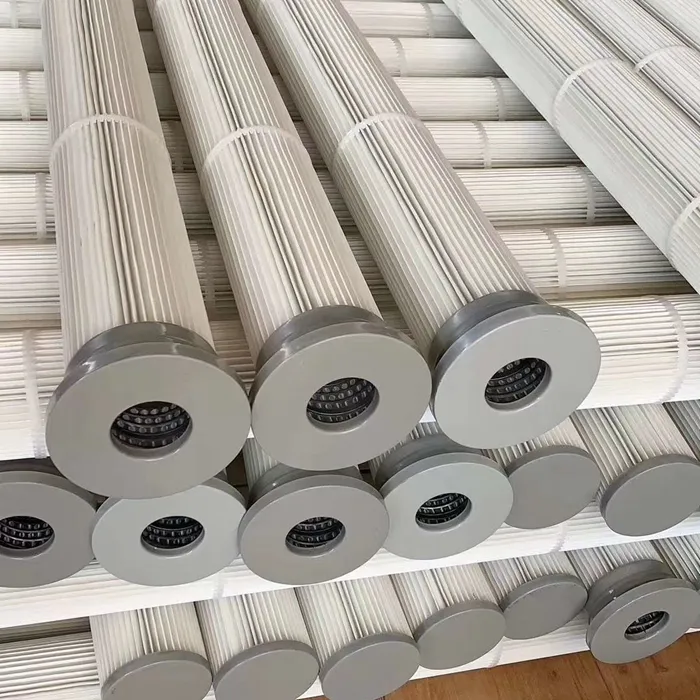
Product spotlight: Industrial HEPA Dust Removal Filter Element
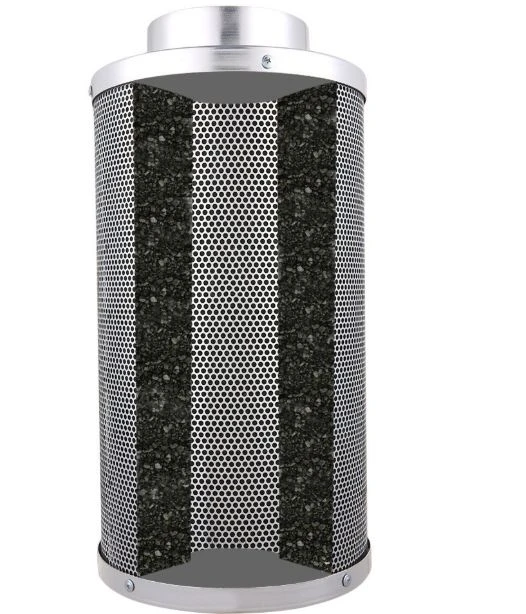
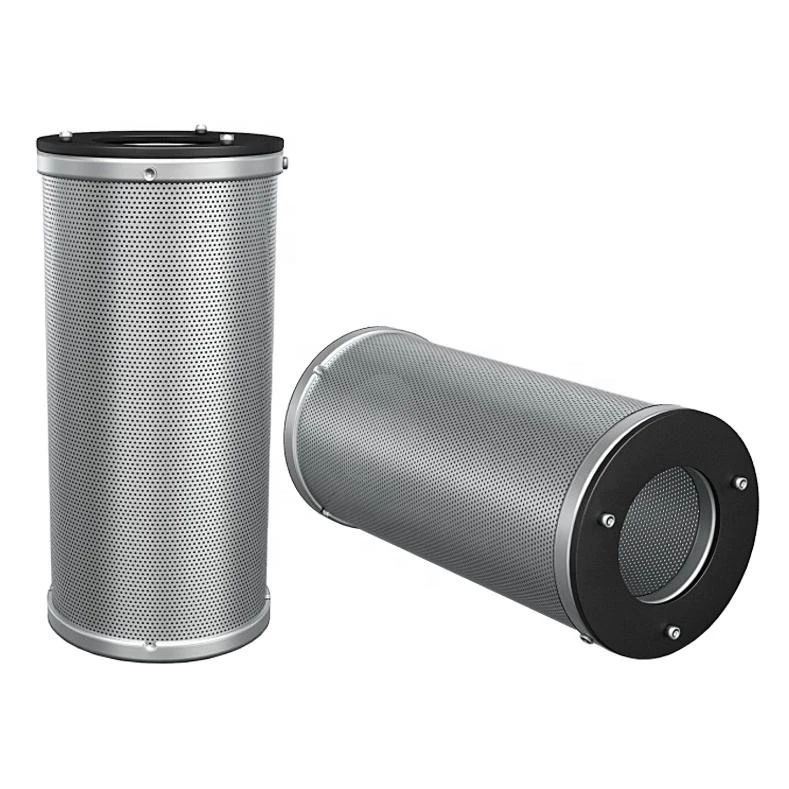
Originating from Rongding World, Xinhua District, Shijiazhuang, Hebei, this unit is an industrial HEPA dust removal filter element for compressed air purification. It’s designed to intercept fine particulate—think welding fumes, toner-like powders, even submicron aerosols. Many customers say they notice a calmer blower sound after installation; in practice that usually means lower pressure drop than their old media.
| Model | Industrial HEPA Dust Removal Filter Element Compressed Air Purifier Filter |
| Filtration efficiency | ≥99.95% @ MPPS (H13) per EN 1822; real-world use may vary |
| Media options | Microglass, cellulose/synthetic blends, nanofiber-coated, ePTFE membrane |
| Initial ΔP | ≈80–140 Pa at rated flow (clean) |
| Operating temp | -20 to 80°C (standard), high-temp options on request |
| Service life | ≈4,000–8,000 h with proper prefiltration; differential pressure controls advised |
| Standards alignment | EN 1822/ISO 29463 (HEPA/ULPA), ISO 8573-1 (compressed air), ASHRAE 52.2 (prefiltration) |
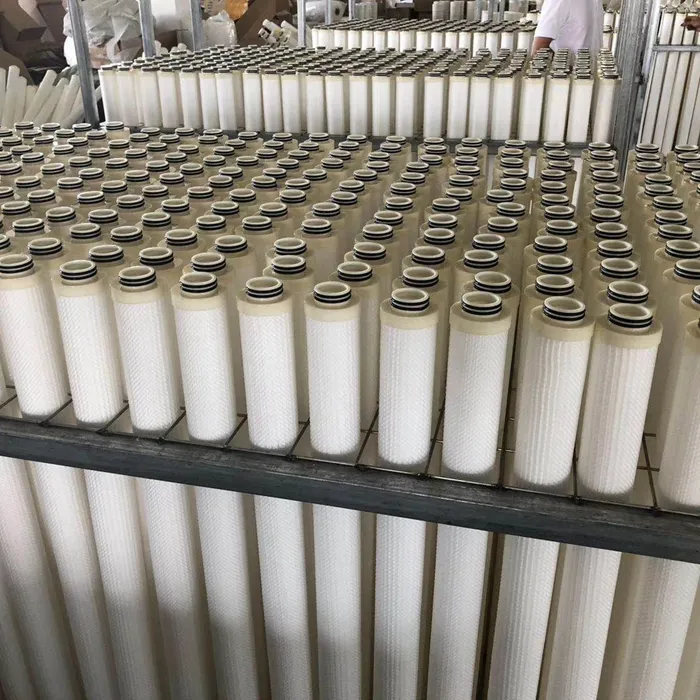
How it’s made (brief process flow)
Materials: selected microglass or synthetic blends; optional ePTFE membranes; galvanized or stainless end caps; polyurethane potting; EPDM or silicone gaskets.
Methods: media pleating (knife/rotary), hot-melt bead spacing, potting/curing, seam sealing, gasket bonding, final inspection.
Testing: integrity (DOP/PAO aerosol, 0.3 μm MPPS), pressure drop curves, burst/collapse rating, oil carryover for compressed air per ISO 8573-1, leak scan per EN 1822.
Service checks: ΔP trend analysis, particle counters downstream, occasional oil vapor checks if compressors are nearby.
Applications and what actually works
Typical scenarios: powder coating booths, laser cutting and CNC mist capture (with coalescers), pharma and nutraceutical tablet rooms, food packaging, cement blending, sandblasting recoveries, and general compressed-air polishing before sensitive valves. Surprisingly, a small prefilter (MERV 8–11) can double the HEPA’s life in dusty workshops.
Vendor landscape at a glance
| Vendor | Core strength | Lead time | Certs | Notes |
|---|---|---|---|---|
| Rongding (Only Filter Cartridge) | Custom sizing, competitive pricing, quick samples | ≈10–20 days | Factory QA, EN 1822 test reports on request | Strong for OEM projects |
| Global Brand A | Broad media portfolio, global distribution | 3–6 weeks | ISO 9001, ISO 14001 | Pricier; excellent documentation |
| Regional Fabricator B | Fast local service, retrofit expertise | 1–2 weeks | Shop test reports | Limited HEPA classes |
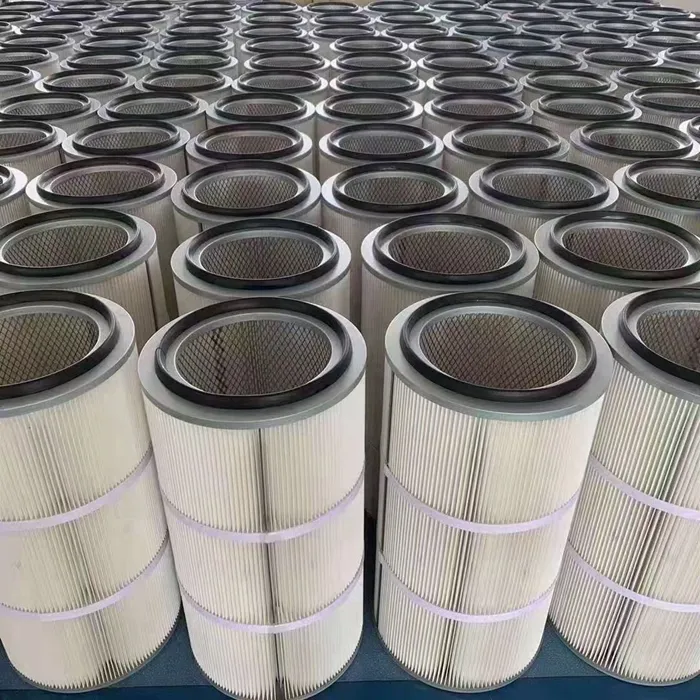
Customization checklist
Dimensions and flange type; media grade (ePTFE for sticky dust, antistatic for ATEX zones), gasket material (EPDM vs silicone), end-cap metals, and wash-down compatible sealants. Good pleated filter manufacturers will also tweak pleat depth and spacing to keep ΔP in your blower’s sweet spot.
Case note, quick and real
A powder-coating line swapped legacy cartridges for HEPA-grade elements with nanofiber prelayers. Initial ΔP fell by ~18%, booth overspray dropped visibly (and measurably), and filter changeouts moved from 3 to 6 months. Operators said the booth “finally breathes.” Not scientific language, but you get the idea.
If you’re shortlisting pleated filter manufacturers, ask for EN 1822 integrity data, ΔP curves at your actual flow, and any ISO 8573-1 oil/aerosol results for compressed-air tie-ins. And yes—ask for a sample. It’s still the best truth serum.
References
-
High-Efficiency Industrial Dust Filtration & PurificationNewsApr.21,2026
-
High-Efficiency Adsorption for Clean Air & Water PurificationNewsApr.20,2026
-
Air Filter Cartridge: High-Efficiency Filtration for Engine Protection & Clean Air SupplyNewsApr.17,2026
-
Filter Paper: Precision Filtration Media for Industrial & Laboratory ExcellenceNewsApr.16,2026
-
Industrial Guide for Selecting a Stainless Filter CartridgeNewsApr.16,2026
-
Dust Filter Cartridges: High-Efficiency Industrial Filtration for Clean Production & ComplianceNewsApr.15,2026