 Email:admin@only-filter.com
 Tel:
+8615930870079
Tel:
+8615930870079
Dec . 01, 2025 13:30 Back to list
Patroontype Luchtfilter: Essential Guide To Cartridge Air Filters for Clean Air Solutions
Understanding the Patroontype Luchtfilter: A Global Perspective on Clean Air
If you've ever stopped to think about the invisible shield that protects our lungs from pollution, dust, and allergens, you've brushed up against the world of patroontype luchtfilter. This specialized air filter cartridge type is quietly vital — from industrial plants to hospital ventilation systems, they clean the air we breathe. The global importance is huge: cleaners air means healthier populations, more efficient manufacturing, and less environmental harm. So, unpacking what patroontype luchtfilters are and why they're a technical boon is more than just geek talk. It touches on health, sustainability, and innovation, all rolled into one cartridge.
Why the Patroontype Luchtfilter Matters Globally
Around the world, air quality issues are mounting, amplified by urban growth and industrial expansion. According to the World Health Organization (WHO), over 90% of the world's population lives in areas where air pollution exceeds guideline limits. Here, the humble patroontype luchtfilter steps in. ISO and UN environmental reports emphasize the need for robust filtration systems to combat particulate matter (PM2.5, PM10). Whether it's the smog-choked cities of Asia or industrial hubs in Europe, air filters of this type are critical in mitigating health risks and regulatory headaches.
Yet, a key challenge persists: how to maintain high filtration efficiency while keeping operational costs manageable? Also, many emerging economies struggle to implement standards that allow for widespread use of high-quality filters. That's where understanding patroontype luchtfilters makes practical sense.
What Is a Patroontype Luchtfilter?
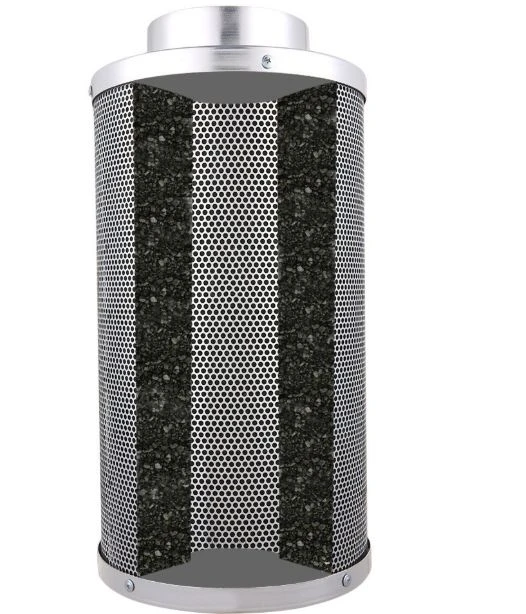
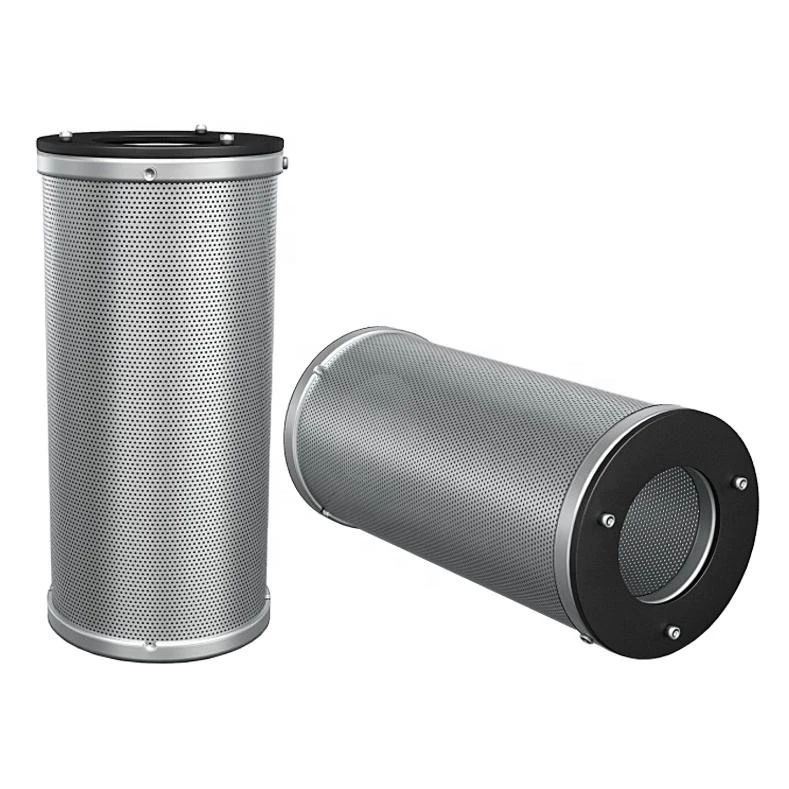
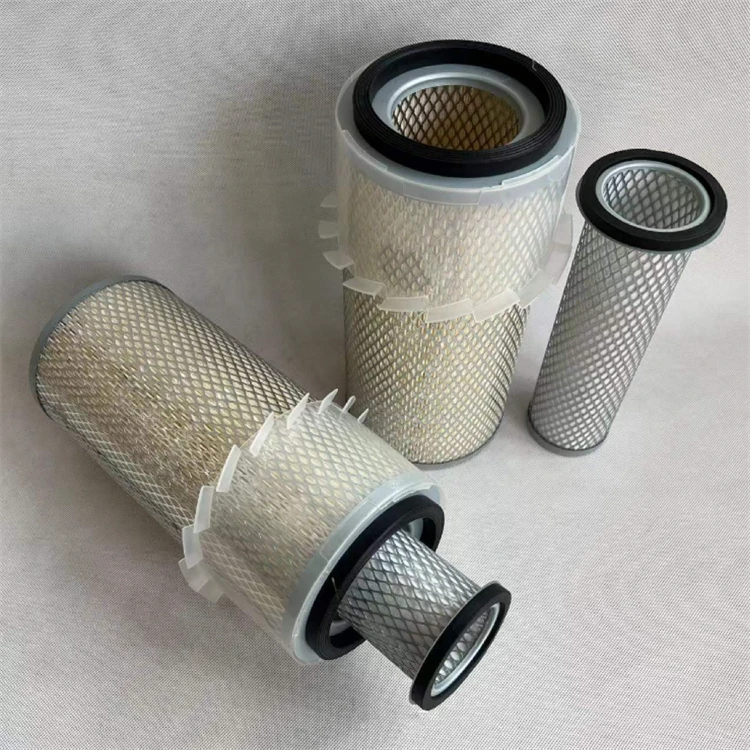
Patroontype luchtfilter, Dutch for "cartridge type air filter," refers to a compact, modular air filtration element designed primarily for heating, ventilation, and air conditioning (HVAC) systems and industrial ventilation. Unlike flat panel filters, these cartridges are cylindrical or rectangular with pleated media inside to maximize surface area. The filter “patroon” or cartridge is typically inserted into housings that channel air through the media, catching dust, pollen, smoke particles, and sometimes even bacteria or viruses.
Modern industry relies on them for clean environments — think pharmaceutical labs, data centers, or food processing. Humanitarian agencies have also started using patroontype luchtfilters in mobile clean rooms or clinics, especially during disaster relief efforts where clean air is a scarce luxury.
Key Characteristics of Patroontype Luchtfilters
Filtration Efficiency
Efficiency is king. These cartridges often support MERV ratings from 8 to 16 or even HEPA standards. This means they trap 85-99.97% of particles down to 0.3 microns. For engineers, that’s a huge win in controlled environments.
Durability & Longevity
They’re built to last multiple filter-change cycles, sometimes with reinforced frames and media that resist moisture and microbial growth. Durability matters because downtime for replacement is costly — especially in industrial settings.
Energy Consumption
The shape and pleating style reduce pressure drop, so HVAC systems don’t need to work overtime. This lowers energy bills and reduces carbon footprints — an often overlooked advantage.
Compatibility & Scalability
Many come as standard sizes allowing easy retrofitting. Plus, they can be combined into banks for bigger volumes, making them versatile across light commercial to heavy industrial uses.
Worldwide Applications: Who Benefits and How?
In Europe, patroontype luchtfilters are commonplace in office buildings, hospitals, and manufacturing plants striving for ISO 14644 cleanroom certification. In the United States, industrial sectors like aerospace and automotive depend on them to control particulate contamination during assembly processes. Oddly enough, remote mining operations in Australia have started adopting these filters to manage dust inside mobile clinics.
Humanitarian uses also deserve a mention. For example, after wildfires in California or Australia, portable clean air units often use patroontype luchtfilters to protect vulnerable populations from smoke inhalation. And in refugee camps, NGOs use filtered air tents to safeguard against airborne pathogens.
Product Specification Table
| Feature | Value/Range | Notes |
|---|---|---|
| Media Type | Synthetic fiber / Cellulose blend | Balance of durability and filtration |
| Efficiency Rating | MERV 13 - HEPA (99.97% @ 0.3 µm) | Depends on model |
| Frame Material | Plastic / Metal reinforced | Corrosion resistant |
| Pressure Drop | 100 - 300 Pa | Measured at rated airflow |
| Operating Temp. | Up to 60°C (140°F) | Standard HVAC conditions |
| Lifespan | 3 - 12 months | Depends on environment |
The Advantages of Using Patroontype Luchtfilters
- Cost Efficiency: Longer lifespan and lower energy use mean businesses save money over time.
- Health Protection: Removes harmful particulates, reducing respiratory issues for occupants.
- Eco-Friendly: Often recyclable and with low pressure drop, they contribute to sustainability goals.
- Reliability: Robust design guarantees consistent performance even in demanding settings.
- Trust & Safety: For industries that require certification, these filters provide peace of mind.
When you think about it, the simple act of filtering air has ripple effects, preserving dignity and well-being in workplaces, schools, and public facilities alike.
Looking Ahead: Innovations in Patroontype Luchtfilter Technology
The future is green and digital. Researchers are developing media made of nanofibers to capture even smaller particles without increasing airflow resistance. Integration with IoT sensors allows real-time monitoring — so maintenance teams know exactly when a filter needs changing, avoiding waste and downtime.
Policies pushing for net-zero emissions indirectly encourage manufacturers to make more energy-efficient filters too. Frankly, in this space, the digital transformation is overdue and desperately needed.
Challenges and How Experts Are Solving Them
One ongoing issue is the cost barrier for small businesses and developing nations. Higher-end patroontype luchtfilters can be expensive initially, even if they save money later. To overcome this, manufacturers are producing modular options and affordable entry-level models that still meet critical health standards.
Another challenge is waste. Though many filters are recyclable, logistics often don’t support proper disposal. Some innovators are exploring bio-based materials and regenerable filter designs, which might change the game.
Comparing Leading Patroontype Luchtfilter Vendors
| Vendor | Filter Efficiency Range | Unique Features | Pricing Category |
|---|---|---|---|
| FilterTech Solutions | MERV 11 - HEPA | Antimicrobial media option | Mid |
| EcoFilter Industries | MERV 13 - 16 | Recyclable frame materials | High |
| VentPure Co. | MERV 8 - 13 | Affordable entry-level cartridges | Low |
FAQ: Common Questions About Patroontype Luchtfilter
1. How often should patroontype luchtfilters be replaced?
Replacement usually occurs every 3 to 12 months, depending on air quality and usage. Polluted environments require more frequent changes to maintain efficiency.
2. Can patroontype luchtfilters remove allergens and viruses effectively?
Yes, especially those rated HEPA or high MERV levels can trap pollen, dust mites, and many airborne viruses, making them suitable for sensitive environments.
3. Is installing patroontype luchtfilters compatible with existing HVAC systems?
Often yes. Most filters come in standardized sizes designed for easy retrofitting, but verifying measurements and pressure drop is essential before installation.
4. Are these filters sustainable and recyclable?
Many modern patroontype luchtfilters use recyclable materials, and there’s a growing push toward bio-based media. Proper recycling depends on local facilities and user practices.
Summary and Call to Action
To wrap it up, the patroontype luchtfilter is not merely a technical term but a key player in enhancing health, safety, and environmental stewardship worldwide. Whether you’re managing a cleanroom or ensuring hospital air quality, these filters offer proven value with room for exciting technological strides ahead.
Curious to explore specific products or get expert advice tailored to your needs? Head over to https://www.onlyfiltercartridge.com to dive deeper.
References
-
High-Efficiency Adsorption for Clean Air & Water PurificationNewsApr.20,2026
-
Air Filter Cartridge: High-Efficiency Filtration for Engine Protection & Clean Air SupplyNewsApr.17,2026
-
Filter Paper: Precision Filtration Media for Industrial & Laboratory ExcellenceNewsApr.16,2026
-
Industrial Guide for Selecting a Stainless Filter CartridgeNewsApr.16,2026
-
Dust Filter Cartridges: High-Efficiency Industrial Filtration for Clean Production & ComplianceNewsApr.15,2026
-
Filter Paper: High-Efficiency Filtration Solution for Industrial & Laboratory UseNewsApr.14,2026