 Email:admin@only-filter.com
 Tel:
+8615930870079
Tel:
+8615930870079
Oct . 16, 2025 12:00 Back to list
industrial dust collection gas turbine air filter paper | OEM
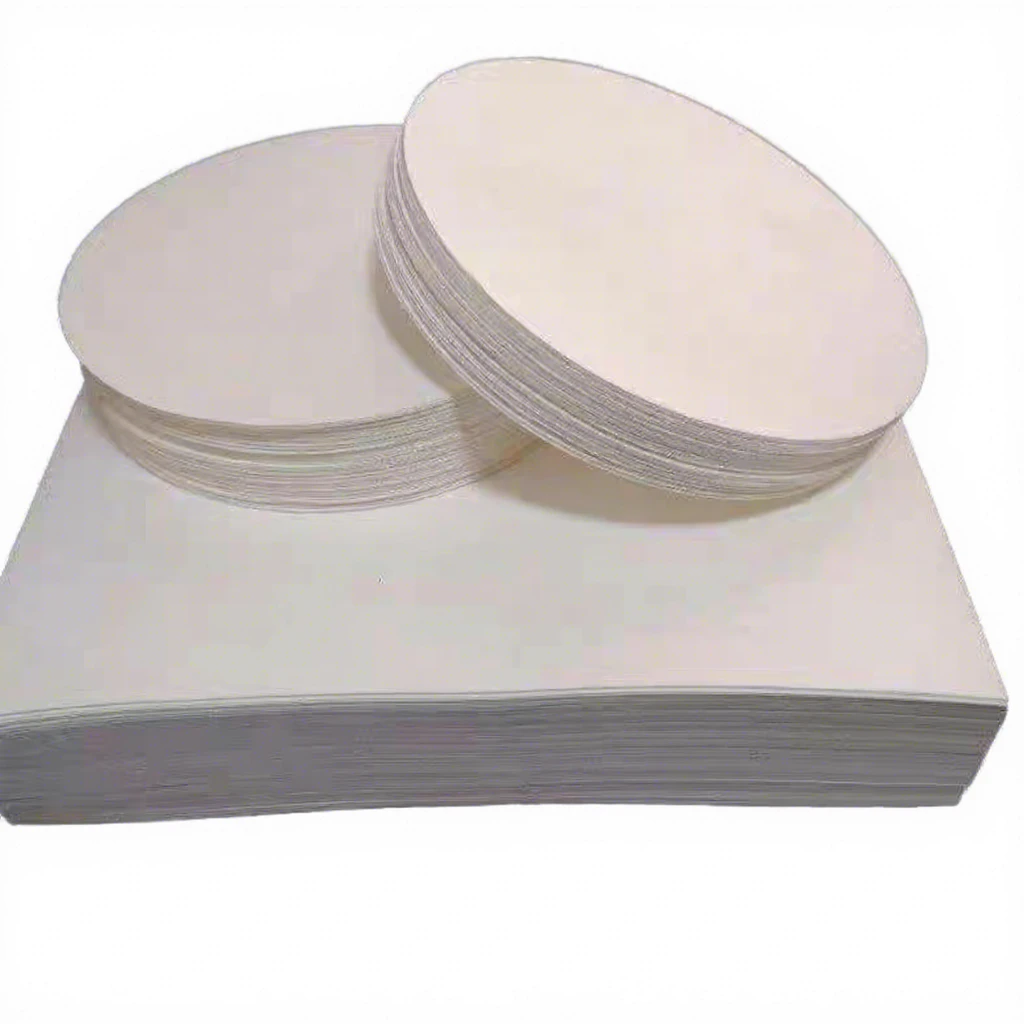
If you spend your days around turbines, baghouses, and pulse valves like I do, you know one quiet hero keeps the whole show running: industrial dust collection gas turbine air filter paper. Not glamorous, but it separates the plants that hit output targets from the ones forever fighting pressure drop alarms.
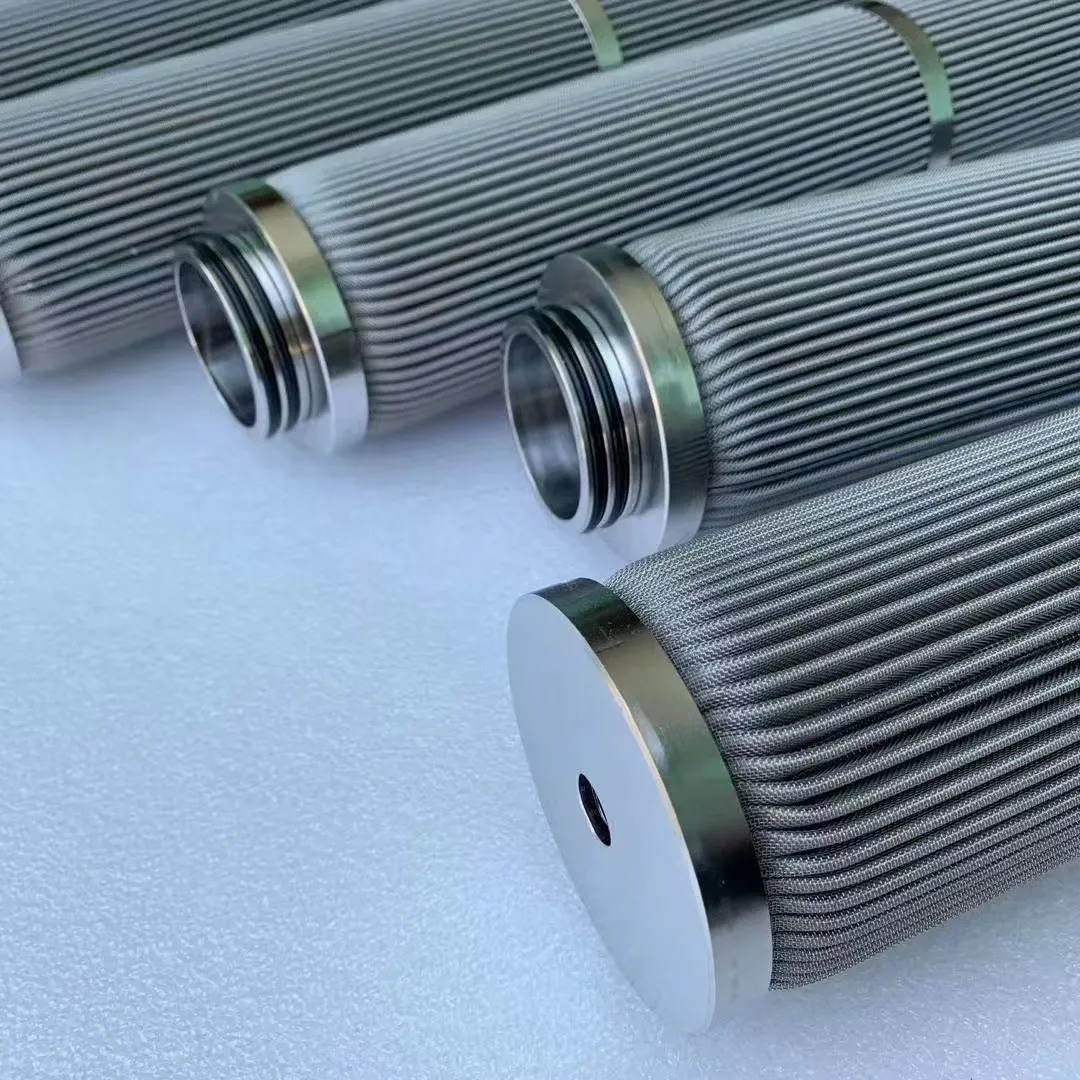
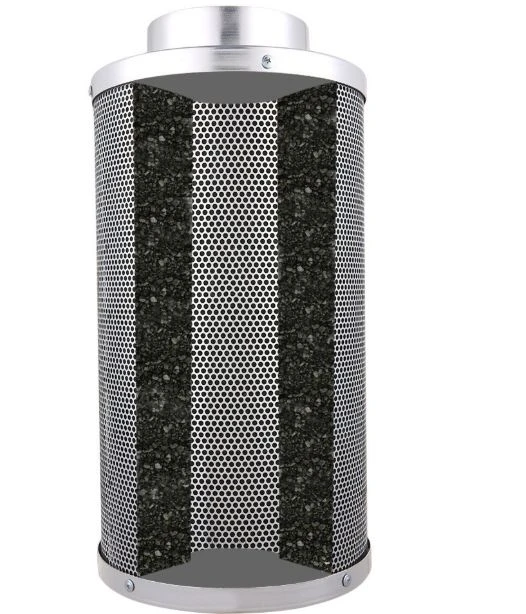
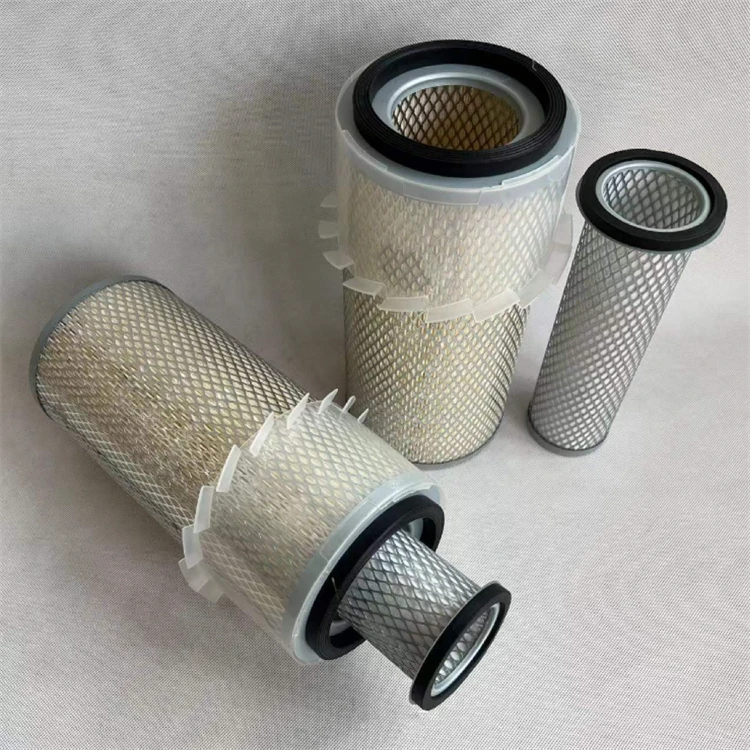
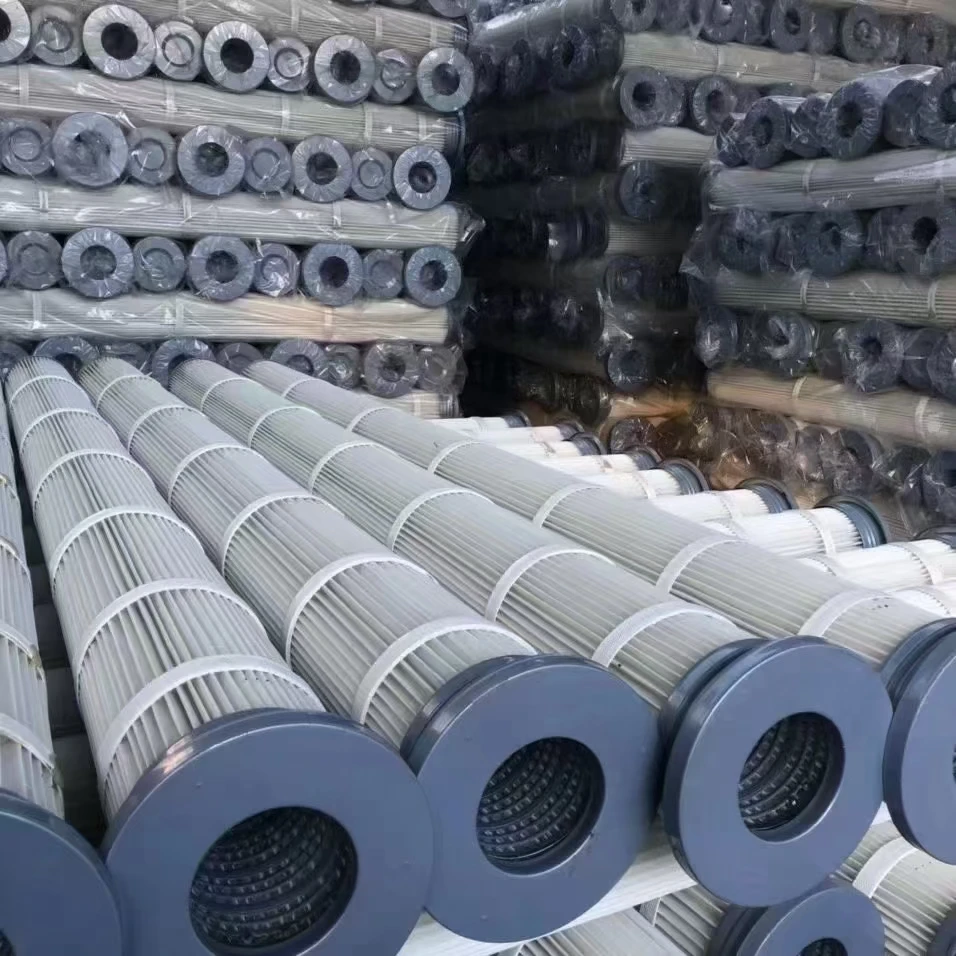
This Custom-Made filter cartridge dust collector media comes out of Rongding World, Xinhua District, Shijiazhuang City, Hebei Province. I visited once—busy floor, tidy pleaters, resin fumes kept in check. People who actually measure things, not just talk. The media blends cellulose, synthetic fibers, sometimes a nanofiber veil. The goal: high capture at low ΔP, with enough backbone to survive aggressive pulse cleaning in cement, steel, and turbine intakes.
Industry trends I’m seeing
- Shift to ISO 16890 ePM1/ePM2.5 classifications and ISO 29461 testing for turbine intakes.
- Nanofiber top coats to push submicron efficiency without choking airflow.
- Salt-mist and moisture resilience getting more attention (coastal plants demanded it).
- Data-driven maintenance—ΔP curves and pulse counts rather than fixed hours.
Product snapshot
| Parameter | Typical value | Notes |
|---|---|---|
| Media composition | Cellulose/synthetic blend + optional nanofiber | Resin-impregnated for stiffness |
| Efficiency class | ISO ePM1 60–80% ≈ F8/F9 | Real-world use may vary by dust spectrum |
| Initial ΔP | ≈ 150–220 Pa @ 0.9–1.0 m/s | Clean media, lab conditions |
| Burst pressure | ≥ 5 kPa | Safety margin for pulse spikes |
| Dust holding capacity | High (≈ 700–900 g/m²) | ISO test dust; field loads differ |
| Service life | 4,000–8,000 h typical | Depends on humidity, salt, soot |
Process flow, methods, and tests
Materials are blended, resin-impregnated, and calendered; pleats are formed with hot-melt bead spacing; end caps are PU-potted and cured. QA pulls samples for ISO 16890 fractional efficiency, ISO 29461-1 salt-mist endurance, pulse-clean endurance per ASHRAE 199, and ΔP curves per ASHRAE 52.2. It’s not overkill—turbines hate surprises.
Where it’s used (and why it works)
- Gas turbine intakes for power plants—keeps compressor blades clean, stabilizes heat rate.
- Cement and lime kilns—abrasive dust, aggressive pulsing.
- Steel, foundry, and mining—mixed particle sizes, oily aerosols.
- Woodworking and food/pharma (with appropriate media options).
Advantages that matter: low ΔP for energy savings, robust pleat geometry, optional anti-static and flame-retardant media, and gasket designs that actually seal. Many customers say ΔP drift is slower than their older imports, which echoes our test logs.
Vendor comparison (what buyers quietly compare)
| Vendor | Media options | Customization | Lead time | Certs | Typical ΔP |
|---|---|---|---|---|---|
| OnlyFilterCartridge (Hebei) | Blend + nanofiber, FR, anti-static | Sizes, pleat height, gaskets | ≈ 2–4 weeks | ISO/QA docs; ISO 29461 data | Low to moderate |
| Vendor A (Global) | Glass fiber heavy | Limited SKUs | 3–6 weeks | ASHRAE 52.2 focus | Moderate |
| Vendor B (Regional) | Cellulose blend | Custom on request | 2–5 weeks | Basic factory QA | Higher initially |
Customization and quick case notes
Common tweaks: OD/height to match housings, pleat count to tune ΔP, hydrophobic coatings for coastal air, conductive media for explosive dust zones, EPDM vs. silicone gaskets. One coastal turbine intake saw 18% fewer compressor washes after switching to industrial dust collection gas turbine air filter paper with hydrophobic treatment. In a cement mill, pulse cycles dropped ≈12% (same dust load, two-month run).
A bit of test data
- ePM1 efficiency: ~72% at 0.3–1.0 μm (ISO 16890 rig)
- Initial ΔP: 180 Pa @ 0.944 m/s; conditioned ΔP after 20 pulses: 195 Pa
- Salt fog: 24 h, no delamination (ISO 29461-1)
- Pulse endurance: >20,000 cycles without pleat collapse (ASHRAE 199 method)
Customers tell me the most surprising bit is stability—ΔP rises gently, not in jagged steps. That usually means the pleat geometry and adhesive bead spacing are doing their job. And yes, the industrial dust collection gas turbine air filter paper holds up when the night shift cranks the pulse pressure.
Certifications and standards referenced
Supplier provides ISO-based test reports; flame-retardant options are available where code requires. Always match media choice to your HSE plan and the dust hazard analysis—especially for ATEX-like environments.
Authoritative citations:
- ISO 29461-1:2020 Air intake filter testing for gas turbines and compressors.
- ISO 16890-1:2016/2022 Air filters for general ventilation.
- ASHRAE Standard 52.2-2017 Method of Testing General Ventilation Air-Cleaning Devices.
- ANSI/ASHRAE 199-2016 Method of Testing Pulse-Cleaned Dust Collectors.
- UL 900 (Air Filter Units) – flame spread and smoke developed ratings.
-
High-Efficiency Industrial Dust Filtration & PurificationNewsApr.21,2026
-
High-Efficiency Adsorption for Clean Air & Water PurificationNewsApr.20,2026
-
Air Filter Cartridge: High-Efficiency Filtration for Engine Protection & Clean Air SupplyNewsApr.17,2026
-
Filter Paper: Precision Filtration Media for Industrial & Laboratory ExcellenceNewsApr.16,2026
-
Industrial Guide for Selecting a Stainless Filter CartridgeNewsApr.16,2026
-
Dust Filter Cartridges: High-Efficiency Industrial Filtration for Clean Production & ComplianceNewsApr.15,2026