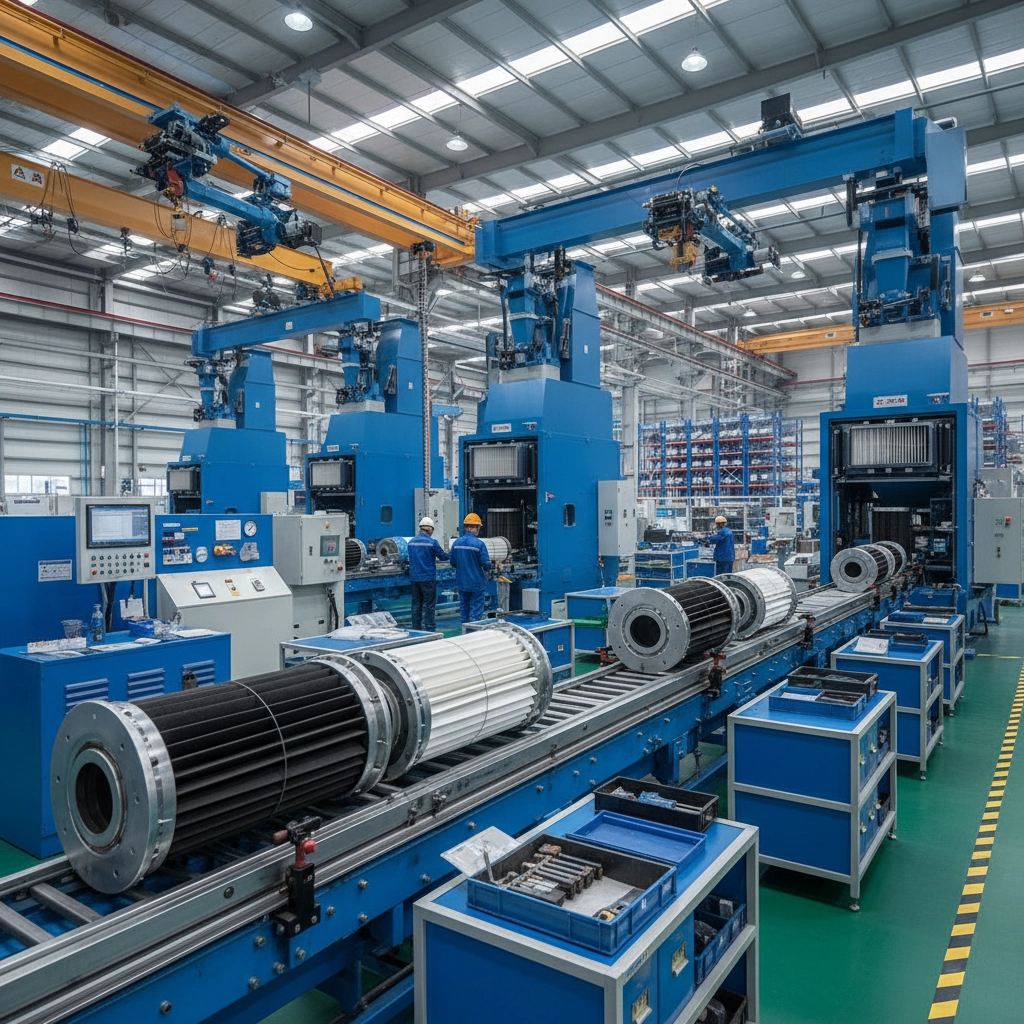
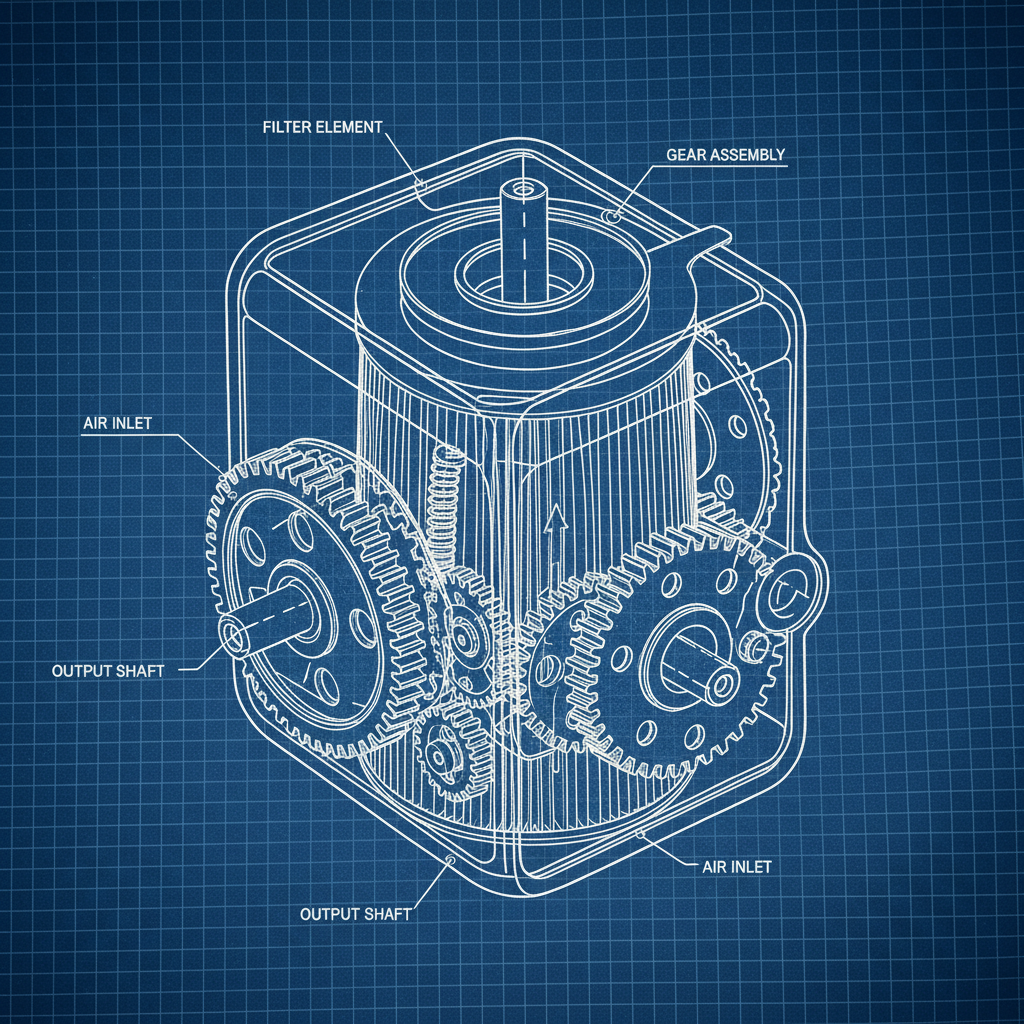
In the demanding world of heavy machinery and industrial air management, ensuring the purity of intake air is critical for engine longevity and operational efficiency. A high-quality loader air filter serves as the primary defense mechanism, preventing abrasive particulate matter from entering sensitive combustion chambers and hydraulic systems. Without precise filtration, industrial equipment faces accelerated wear and tear, leading to costly downtime and decreased productivity in harsh environments.
The global demand for robust filtration solutions has surged as construction and mining sectors expand into more arid and dust-prone regions. Adhering to international standards like ISO, the industry has shifted toward advanced materials that can withstand extreme pressure pulses and varied climate conditions. This evolution ensures that machinery can operate at peak performance while reducing the frequency of manual maintenance interventions.
Choosing the right loader air filter is not merely about compatibility, but about optimizing the lifecycle of the entire machine. By implementing high-efficiency filter cartridges made from imported long-fiber polyester, operators can achieve superior dust removal and oil resistance, ensuring that their investment remains protected against the most aggressive environmental contaminants.
Material Composition of Loader Air Filters
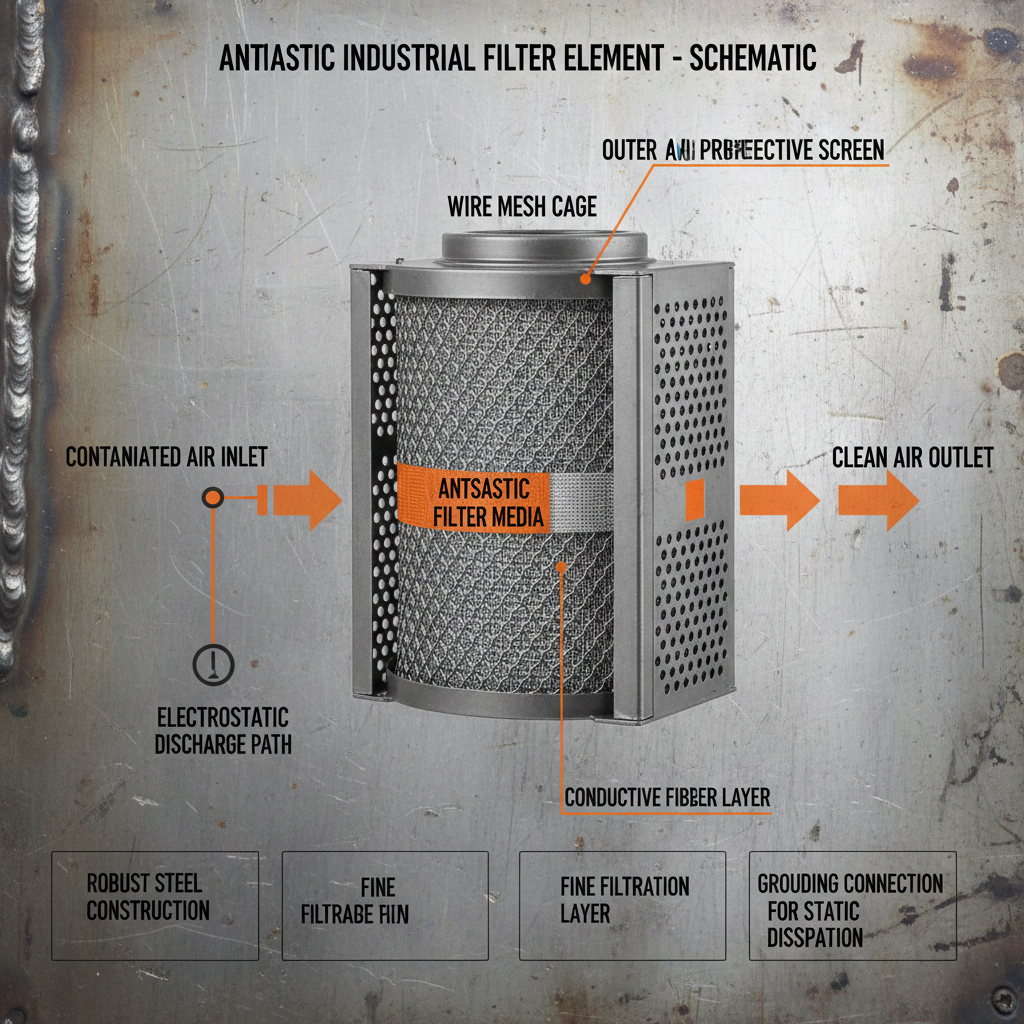
The efficacy of a loader air filter depends heavily on the quality of its filter media. Premium options utilize imported long-fiber polyester, where fibers are intricately interlaced and evenly distributed. This specific structure provides a high surface area for particle capture while maintaining a low pressure drop, which is essential for maintaining engine airflow.
Beyond the media, the structural components are engineered for resilience. The end caps are crafted from high-grade plastic or non-porous galvanized iron plates, depending on the specific application, ensuring that the filter remains secure under the high-pressure pulse backwash typically found in industrial dust removal systems.
Core Filtration Mechanisms and Efficiency
At its heart, the loader air filter operates as a surface filter element. It utilizes a microscopic, air-permeable tissue formed on the surface of the filter material to block particulate matter. This mechanism ensures that dust, soot, and other airborne contaminants are trapped on the exterior surface rather than penetrating deep into the media, which allows for more efficient cleaning.
The efficiency of this process is enhanced by the use of specialized materials such as wood pulp fiber filter paper and spunbond polyester non-woven fabrics. For environments where liquid contaminants are present, metal wire mesh of various meshes is integrated to remove impurities from liquid media or to provide a pre-filtration stage for gaseous media.
High filtration efficiency is coupled with a design that supports simple installation and easy maintenance. This balance ensures that the compressed air remains pure, reducing the risk of internal component abrasion and significantly extending the mean time between failures (MTBF) for heavy-duty loader equipment.
Structural Durability and Sealing Performance
The longevity of a loader air filter is determined by its ability to resist wear and oxidation. By using electro-galvanized central skeletons, the internal support structure is rendered rust-proof, ensuring that the filter does not collapse under vacuum pressure or degrade in humid environments.
A critical yet often overlooked aspect is the sealing mechanism. Our loader air filter designs incorporate a special sealing rubber ring that provides excellent sealing performance, preventing "blow-by" where unfiltered air bypasses the media and enters the engine.
Furthermore, the stiffness of the polyester material allows the filter to be washed repeatedly without losing its shape or structural integrity. This durability makes it far superior to traditional filter materials that tear or deform during pulse-jet cleaning cycles.
Comparative Analysis of Filter Materials
Different industrial environments require different material properties. While standard cellulose filters are common, polyester non-woven fabrics offer the ability to be coated for oil-proofing, waterproofing, and anti-static properties, which are vital for hazardous zones.
The choice of material directly impacts the filter's ability to withstand the pulse backwash of airflow. Long-fiber polyester is specifically engineered to resist the mechanical stress of reverse air blasts used in automatic cleaning systems, maintaining its permeability over thousands of cycles.
Filtration Performance Rating by Material Type
Industrial Applications Across Various Sectors
The versatility of the chuck-type dust filter element allows it to be used far beyond simple loader engines. It is highly effective for fan dust removal, central air conditioning duct cleaning, and powder spraying operations where maintaining air quality is a legal and operational requirement.
In specialized industries such as pigment manufacturing and wood processing, the anti-static and oil-resistant properties of the polyester media are invaluable. These filters prevent the accumulation of combustible dust and resist clogging from airborne oils, ensuring a safe and stable working environment.
Maintenance and Cleaning Protocols
Proper maintenance of a loader air filter is essential for avoiding premature engine failure. The use of a pulse backwash system allows for the removal of the "dust cake" from the surface of the filter without requiring a full shutdown of the equipment, maximizing operational uptime.
For filters that are not part of an automated system, manual cleaning should be performed with caution. Because our filter material possesses high stiffness and wear resistance, it can be washed repeatedly, provided that the correct cleaning agents and pressures are used to avoid damaging the fibers.
Regularly inspecting the sealing rubber ring and the galvanized skeleton for signs of corrosion or deformation is also recommended. A compromised seal can render even the most efficient filter media useless, as contaminants will simply flow around the filter instead of through it.
Technical Specifications and Customization
To ensure global compatibility, our filter cartridges are generally designed based on international samples. Common standard specifications include diameters of 12.75 inches and heights of 13.84 inches or 26 inches, which translate to metric dimensions of 325660mm and 350660mm.
However, we recognize that unique industrial setups often require non-standard dimensions. We offer comprehensive customization services, allowing users to specify exact heights, diameters, and material coatings (such as oil-proof or waterproof layers) to match their specific operational needs.
By combining standardized sizing with flexible customization, we provide a solution that fits perfectly into existing housings while optimizing the filtration performance for the specific type of dust or particulate found in the user's local environment.
Core Technical Specifications for Loader Air Filter Variants
| Material Type |
Primary Application |
Durability Score |
Washability |
| Long-fiber Polyester |
Heavy-duty Dust Removal |
10/10 |
High |
| Wood Pulp Fiber |
General Air Filtration |
6/10 |
Low |
| Spunbond Non-woven |
Chemical/Oil Environments |
8/10 |
Medium |
| Metal Wire Mesh |
Liquid/Pre-filtration |
9/10 |
Very High |
| Galvanized Steel Cap |
High-Pressure Systems |
9/10 |
N/A |
| Coated Polyester |
Waterproof/Anti-static |
8/10 |
Medium |
FAQS
Yes, if the filter is made from imported long-fiber polyester, it possesses high stiffness and wear resistance, allowing it to be washed repeatedly. However, the method of cleaning is crucial; using pulse backwash systems is ideal, while manual washing should avoid high-pressure blasts that could rupture the media. Always check for structural integrity before reinstalling.
Electro-galvanized central skeletons are used to prevent rust and corrosion. In industrial environments, filters are often exposed to moisture and chemicals. A galvanized skeleton ensures the filter maintains its cylindrical shape and doesn't collapse under the suction of the engine or the force of pulse cleaning, significantly extending the product's lifespan.
Common signs include a noticeable drop in engine power, increased fuel consumption, or an indicator light on the dashboard showing high air intake restriction. Additionally, physical inspection may reveal tears in the media, a degraded sealing rubber ring, or heavy saturation of oil and dust that cannot be removed by standard cleaning.
In specific industries like pigment manufacturing or woodworking, anti-static coatings are critical for safety to prevent sparks. Oil-proof coatings are essential when the intake air contains oil mists, as standard paper filters would clog almost instantly. These coatings preserve the air permeability of the polyester non-woven fabric.
Standard dimensions often follow international specifications, such as 12.75" diameter with heights of 13.84" or 26". In metric terms, this corresponds to 325660mm and 350660mm. However, customization is available for those requiring specific dimensions to fit unique equipment housings.
The sealing rubber ring ensures a tight fit between the filter cartridge and the housing. If the seal is poor, air will follow the path of least resistance and bypass the filtration media entirely. This allows raw dust to enter the engine, which can lead to catastrophic failure of pistons, rings, and valves in a very short time.
Conclusion
Maintaining a high-performance loader air filter is a fundamental requirement for any operation relying on heavy machinery in challenging environments. From the selection of long-fiber polyester and galvanized skeletons to the critical precision of the sealing rubber ring, every component plays a role in safeguarding the engine. By prioritizing filtration efficiency and structural durability, operators can significantly reduce maintenance costs and maximize the operational lifespan of their equipment.
As industrial standards evolve toward greater sustainability and efficiency, the shift toward washable and highly durable filtration materials represents a smarter approach to asset management. Investing in high-quality, customized filtration solutions ensures that your machinery remains resilient against the harshest conditions. To explore our full range of professional filtration products, visit our website: www.onlyfiltercartridge.com

 Email:admin@only-filter.com