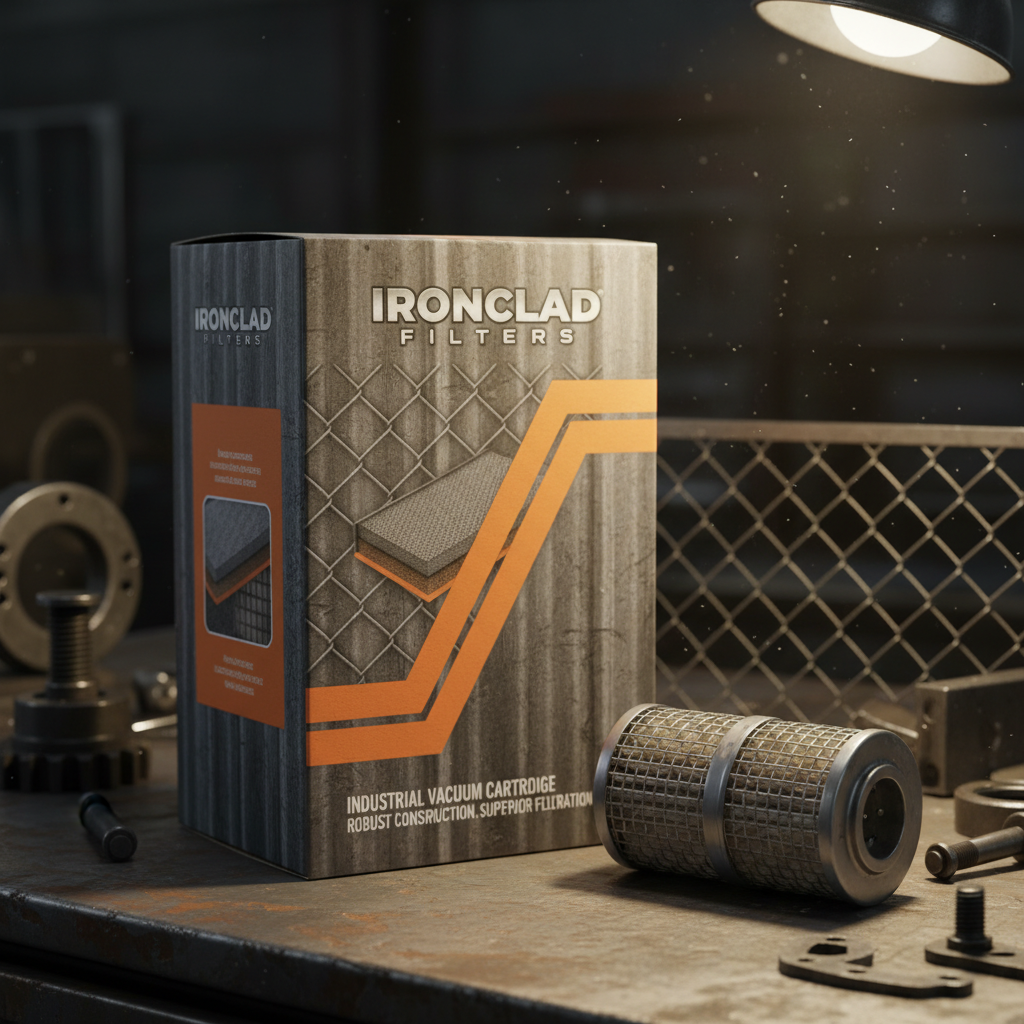
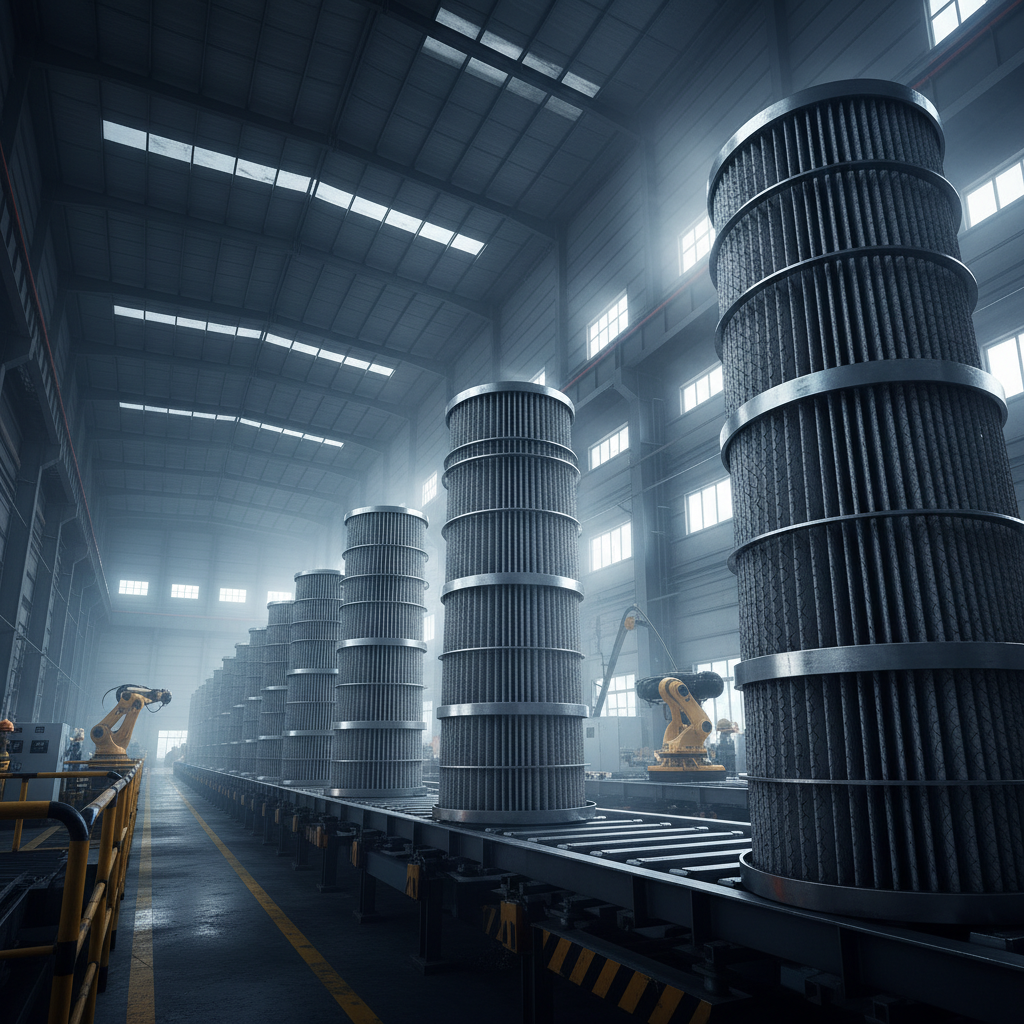
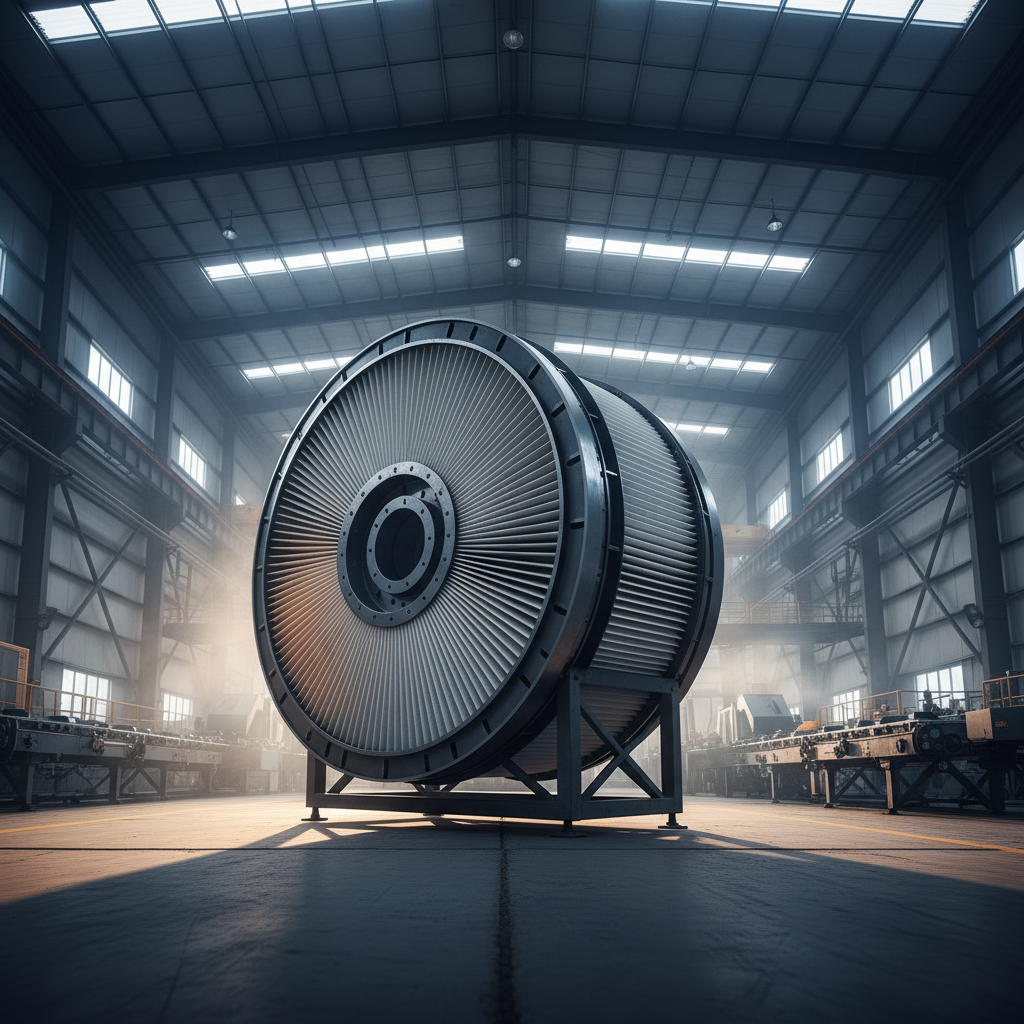
The global demand for high-efficiency air filtration has seen a dramatic surge as industrial operations move toward more stringent environmental standards. In the context of heavy-duty machinery and mobile filtration units, the role of an air filter truck system is pivotal in maintaining engine longevity and ensuring the purity of the surrounding atmosphere in hazardous work zones.
Modern industrial environments, from wood processing plants to pigment factories, generate significant particulate matter that can compromise both equipment and health. Implementing a robust air filter truck solution allows for the effective removal of dust and contaminants from compressed air and ambient environments, reducing downtime and maintenance costs.
Understanding the technical nuances of filter cartridges—such as the difference between surface filtration and depth filtration—is essential for optimizing performance. By leveraging advanced materials like long-fiber polyester and electro-galvanized skeletons, an air filter truck configuration can achieve superior dust filtration efficiency while remaining resilient against pulse backwash and moisture.
Core Components of Air Filter Truck Systems
The effectiveness of an air filter truck depends heavily on its structural integrity. High-quality end caps, whether made from the best plastic covers or non-porous galvanized iron plates, ensure a leak-proof seal that prevents unfiltered air from bypassing the medium. This is critical for applications like central air conditioning duct cleaning and powder spraying where zero-leakage is a requirement.
Internally, the system relies on imported long-fiber polyester material where fibers are interlaced and evenly distributed. This construction provides exceptional wear resistance and the ability to withstand the aggressive pulse backwash of airflow, ensuring that the filter remains functional over repeated cleaning cycles without losing stiffness or structural shape.
Global Industrial Relevance and Challenges
Across the globe, industrial air purification is no longer optional but a regulatory mandate. The challenge lies in the diversity of contaminants—ranging from fine wood dust in furniture manufacturing to chemical pigments in the paint industry—which requires a versatile air filter truck approach. ISO standards for air quality emphasize the need for high-efficiency particulate air (HEPA) capabilities even in rugged, mobile environments.
One of the primary hurdles faced by operators is the balance between filtration efficiency and airflow resistance. If a filter is too dense, it increases the energy consumption of the compressed air system; if it is too porous, it allows harmful particulates to enter the machinery. This tension drives the need for specialized filter materials that offer high permeability without sacrificing the capture rate of micro-particles.
Furthermore, environmental factors such as humidity and oil mist can rapidly degrade standard filter papers. This is why modern solutions incorporate oil-proof, waterproof, and anti-static coatings on polyester non-woven fabrics, ensuring that the air filter truck remains operational in the most demanding climate conditions, from humid coastal regions to arid desert sites.
Defining the Mechanism of Surface Filtration
At its core, the technology utilized in an air filter truck is based on the principle of surface filtration. Unlike depth filtration, where particles are trapped throughout the thickness of the medium, surface filters use tiny air-permeable tissues formed on the exterior surface to block particulate matter, preventing it from penetrating the inner layers.
The versatility of the air filter truck is further enhanced by the choice of materials. Depending on the specific application, manufacturers use wood pulp fiber filter paper for basic dust, spunbond polyester fiber non-woven fabric for industrial strength, or metal wire mesh for liquid impurity removal, allowing for a tailored approach to air and liquid filtration.
To ensure maximum efficiency, the central skeleton of these cartridges is electro-galvanized, which eliminates the risk of rust. Combined with a special sealing rubber ring, the air filter truck ensures that the air stream is directed precisely through the filter medium, maximizing the contact area and filtration probability.
Performance Metrics for Filtration Materials
When evaluating the effectiveness of an air filter truck, several key metrics come into play. These include the filtration efficiency (the percentage of particles removed), the pressure drop (the resistance to airflow), and the durability under pulse-jet cleaning. High-performance polyester fibers are generally preferred over traditional materials due to their superior stiffness and ability to be washed repeatedly.
Customization plays a huge role in performance. Standard sizes like 325660mm and 350660mm provide a baseline, but the ability to adjust dimensions based on the specific airflow requirements of a truck-mounted system ensures that the air filter truck maintains optimal vacuum levels without overloading the compressor.
Material Efficiency Comparison for Air Filter Truck
Real-World Applications and Use Cases
The practical deployment of an air filter truck is seen across various high-dust industries. In the pigment industry, where fine powders can be explosive or toxic, the use of anti-static polyester filters prevents the buildup of static electricity while ensuring a clean working environment. Similarly, in wood processing, these systems handle large volumes of coarse sawdust and fine particulates simultaneously.
Beyond manufacturing, these systems are essential for sandblasting operations and fan dust removal. The ability to customize the filter's oil resistance and waterproof properties means that an air filter truck can be adapted for use in outdoor construction sites where exposure to rain and oil mists is common, ensuring the compressed air used for tools remains pure and moisture-free.
Long-Term Value and Sustainability
Investing in a high-quality air filter truck system provides tangible long-term economic benefits. By utilizing materials that can be washed repeatedly, companies significantly reduce the frequency of cartridge replacement, lowering the total cost of ownership and reducing the volume of industrial waste sent to landfills.
The logical angle of this investment is centered on reliability and safety. A failure in the filtration system can lead to catastrophic engine failure or health hazards for workers. Therefore, the trust placed in electro-galvanized skeletons and specialized rubber seals is a trust in the continued safety of the operation, ensuring that equipment doesn't succumb to rust or leakage.
From a sustainability perspective, the shift toward long-fiber polyester and specialized coatings reflects a commitment to innovation. By optimizing the airflow and reducing the energy needed for pulse backwash, the air filter truck contributes to a lower carbon footprint for the entire industrial facility.
Future Trends in Filtration Technology
The future of air filter truck technology is moving toward "smart filtration." We are seeing the integration of pressure sensors that can signal the exact moment a filter needs cleaning or replacement, moving away from scheduled maintenance to condition-based maintenance. This digital transformation reduces waste and optimizes energy use.
Material science is also evolving, with the exploration of nano-fiber coatings that can capture even smaller sub-micron particles without increasing the pressure drop. This will allow the air filter truck to handle more sophisticated contaminants in pharmaceutical or semiconductor-grade mobile units.
Additionally, there is a growing trend toward the use of bio-based, biodegradable filter media that maintain the high performance of polyester while being easier to dispose of. This aligns with global green energy policies and the push for a circular economy in the manufacturing sector.
Comparative Analysis of Air Filter Truck Configuration Options
| Filter Material |
Primary Use Case |
Durability Score (1-10) |
Maintenance Requirement |
| Long-fiber Polyester |
Industrial Dust Removal |
9 |
Low (Washable) |
| Wood Pulp Fiber |
Basic Air Filtration |
5 |
High (Replaceable) |
| Metal Wire Mesh |
Liquid Impurities |
10 |
Very Low |
| Coated Non-woven |
Oil/Water Environments |
8 |
Medium |
| Galvanized Plate |
End Cap Structural Support |
9 |
Low |
| Special Rubber Seal |
Leak Prevention |
7 |
Medium (Check for Wear) |
FAQS
Polyester non-woven fabric offers exceptional wear resistance and structural stiffness, making it far superior to traditional materials in handling the pulse backwash of airflow. Additionally, it can be treated with oil-proof, waterproof, and anti-static coatings, which is essential for an air filter truck operating in volatile or humid industrial environments.
Many of the high-end materials, particularly the imported long-fiber polyester, are designed to be washed repeatedly. This significantly extends the lifespan of the air filter truck components and reduces operational costs compared to wood pulp fiber filters, which generally require replacement once clogged.
Surface filtration, used in the air filter truck cartridges we produce, employs a tiny air-permeable tissue on the surface to block particles. This prevents pollutants from entering the depth of the filter, making the cleaning process (like pulse jetting) much more effective than in depth filters where particles are trapped throughout the medium.
While we provide full customization, common specifications are based on international standards: 12.75 inches in diameter, and heights of 13.84 or 26 inches. In metric terms, these correspond to 325660mm and 350660mm, ensuring compatibility with most air filter truck housing units.
The central skeleton provides the necessary support to prevent the filter medium from collapsing under high pressure. By using electro-galvanized steel, we ensure that the skeleton will not rust even when exposed to moisture, which is critical for maintaining the integrity of an air filter truck over several years of use.
Industries involving powder spraying, sandblasting, pigment production, and wood processing benefit the most. These sectors generate high volumes of particulate matter that require the high efficiency, oil resistance, and anti-static properties found in professional air filter truck solutions.
Conclusion
The integration of high-performance filtration materials and robust structural design is the cornerstone of any effective air filter truck system. By combining imported long-fiber polyester with electro-galvanized supports and precision sealing, industrial operators can achieve an optimal balance of filtration efficiency, durability, and ease of maintenance. Whether managing wood dust or chemical pigments, the right choice of surface filtration technology ensures that equipment remains protected and air quality is maintained.
Looking ahead, the evolution toward smart monitoring and bio-based materials will further enhance the sustainability and efficiency of the air filter truck. We recommend that businesses transition to washable, coated polyester media to reduce waste and operational downtime. For more information on customized filtration solutions, visit our website: www.onlyfiltercartridge.com

 Email:admin@only-filter.com