 Email:admin@only-filter.com
 Tel:
+8615930870079
Tel:
+8615930870079
Sep . 11, 2025 09:22 Back to list
Gas Turbine Air Intake Filter: Enhancing Efficiency and Durability with Advanced Filtration Solutions
Gas turbines are critical assets in power generation, aviation, and industrial sectors, prized for their high power-to-weight ratio and operational flexibility. However, their performance and lifespan heavily depend on the quality of air entering the turbine. Contaminants like dust, salt, pollen, and industrial pollutants can degrade turbine components, increase maintenance costs, and reduce efficiency.
This makes the gas turbine air intake filter an indispensable part of turbine operation. Designed to remove harmful particulates while ensuring unobstructed airflow, these filters safeguard turbine blades, compressors, and combustion chambers.
At ONLY TECHNOLOGY, we combine cutting-edge material science and engineering expertise to produce gas turbine air filters that meet stringent demands for durability, efficiency, and customization.
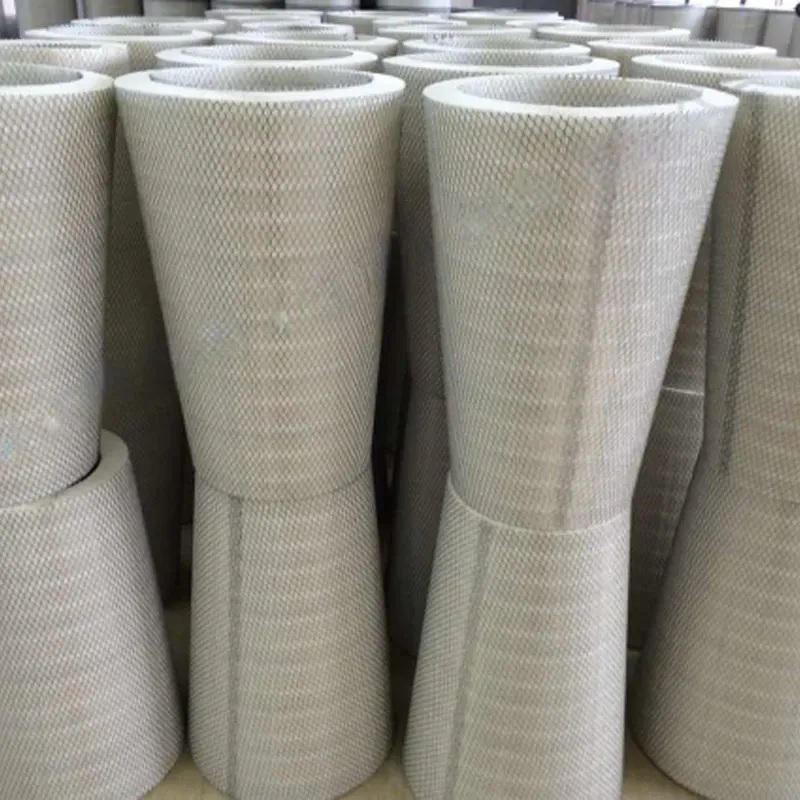
The Importance of Efficient Gas Turbine Air Filters
Efficiency is another key transformation. A clogged or inefficient filter restricts airflow, forcing turbines to work harder and burn more fuel. Our gas turbine air filter, optimized for low pressure drop, balances strict filtration with unobstructed airflow. This harmony ensures the turbine receives the volume of clean air needed for efficient combustion, cutting fuel costs by up to 5% and lowering emissions. What starts as a battle against dust becomes a boost in operational efficiency, driving both performance and sustainability.
Effective filtration not only protects equipment but also contributes directly to energy savings and environmental compliance. In the context of rising fuel prices and stricter emission regulations, optimizing air intake filtration delivers measurable operational advantages.
Key Features of Advanced Gas Turbine Inlet Filters
Modern gas turbine inlet filters incorporate multiple layers of filtration media to tackle a wide range of contaminants:
Pre-Filtration Stage: Captures larger debris like leaves and coarse dust, protecting subsequent filter layers.
High-Efficiency Media: Utilizes synthetic fibers, fiberglass, or composite materials to trap fine particulates and aerosols.
Anti-Microbial and Anti-Salt Coatings: Critical for coastal and marine environments, preventing salt corrosion and biological fouling.
Thermal Resistance: High-temperature media options allow filters to operate reliably in harsh industrial atmospheres.
Filter housings are designed to maintain structural integrity under varying pressure and environmental conditions, while facilitating easy maintenance and filter replacement.
Customization by Leading Gas Turbine Air Intake Filter Manufacturers
As a dedicated gas turbine air intake filter manufacturer, ONLY TECHNOLOGY tailors solutions to specific challenges. Coastal turbines get turbine air intake filters with anti-salt coatings, while industrial settings use high-temperature media to combat chemical particles. This customization ensures the gas turbine filter addresses unique contaminants, turning generic protection into targeted defense.
We work closely with clients to understand local environmental conditions and turbine specifications, enabling the design of bespoke filter elements and systems. Our engineering teams integrate computational fluid dynamics (CFD) and real-world testing to optimize filter efficiency and durability.
Proper installation of gas turbine air intake filters is essential for maximizing performance and longevity. Filters must seal correctly within housings to prevent bypass and maintain consistent airflow. Regular inspections monitor pressure drop and filter condition, signaling when cleaning or replacement is necessary.
Maintenance programs often include:
Scheduled filter replacements based on operating hours or pressure differential thresholds.
On-site cleaning methods such as reverse pulse-jet or washing systems for reusable filters.
Monitoring environmental changes that may increase contamination levels and adjusting filter maintenance accordingly.
Effective maintenance reduces unplanned downtime and extends turbine service intervals, lowering operational costs.
Dust and particulate ingress accelerate wear on turbine blades, compressors, and combustion chambers, leading to erosion, corrosion, and fouling. High-quality gas turbine air filters significantly reduce these risks by maintaining cleaner internal conditions.
The reduction in maintenance frequency and unscheduled repairs translates to improved availability and reliability. This is especially critical in power plants and industrial facilities where turbine uptime directly affects production and revenue.
Moreover, enhanced air quality within turbines improves combustion stability, reducing emissions of NOx and other pollutants, aligning with global environmental standards.
Case Studies: Real-World Applications of Gas Turbine Air Intake Filters
Coastal Power Plants
Turbines located near oceans face aggressive salt and moisture exposure. We supplied gas turbine inlet filters with specialized anti-salt coatings and corrosion-resistant housings. The result was a dramatic drop in salt-induced blade erosion and fouling, reducing maintenance downtime by 30%.
Industrial Chemical Plants
Facilities with airborne chemical pollutants received customized high-temperature resistant filters designed to withstand corrosive gases. These filters maintained stable airflow and filtration performance despite harsh conditions, preventing premature turbine damage.
Renewable Hybrid Facilities
In combined-cycle and hybrid plants, our gas turbine air intake filters integrated seamlessly with existing filtration systems, enhancing overall plant efficiency and compliance with emissions regulations.
Future Innovations in Gas Turbine Air Intake Filtration
The filtration industry is evolving rapidly, with trends focusing on:
Smart Filters: Embedded sensors providing real-time monitoring of pressure drop and contamination levels, enabling predictive maintenance.
Nanotechnology: Advanced nanofiber media that deliver higher filtration efficiency at lower pressure drops.
Sustainable Materials: Development of recyclable and environmentally friendly filter components.
Modular Designs: Filters that can be easily upgraded or adapted to changing operational needs without major equipment overhaul.
ONLY TECHNOLOGY invests heavily in R&D to stay at the forefront of these advancements, ensuring our gas turbine air filters continue to deliver exceptional performance.
Gas Turbine Air Filters FAQs
What is the main function of a gas turbine air intake filter?
Its primary role is to remove dust, debris, and contaminants from the incoming air to protect turbine components and maintain efficient combustion.
How does filter efficiency affect turbine fuel consumption?
Efficient filters maintain unobstructed airflow, reducing turbine workload and cutting fuel usage by up to 5%.
Can filters be customized for different environments?
Yes, manufacturers tailor filter media and coatings to address specific contaminants like salt, chemicals, or high temperatures.
What maintenance is required for gas turbine air filters?
Regular inspections, cleaning or replacement based on pressure drop monitoring, and environmental assessment to adjust maintenance frequency.
How do modern gas turbine filters contribute to sustainability?
By improving fuel efficiency, reducing emissions, and extending turbine lifespan, advanced filters support greener and more sustainable operations.
-
High-Efficiency Industrial Dust Filtration & PurificationNewsApr.21,2026
-
High-Efficiency Adsorption for Clean Air & Water PurificationNewsApr.20,2026
-
Air Filter Cartridge: High-Efficiency Filtration for Engine Protection & Clean Air SupplyNewsApr.17,2026
-
Filter Paper: Precision Filtration Media for Industrial & Laboratory ExcellenceNewsApr.16,2026
-
Industrial Guide for Selecting a Stainless Filter CartridgeNewsApr.16,2026
-
Dust Filter Cartridges: High-Efficiency Industrial Filtration for Clean Production & ComplianceNewsApr.15,2026