 Email:admin@only-filter.com
 Tel:
+8615930870079
Tel:
+8615930870079
Dec . 02, 2025 06:35 Back to list
Essential Guide to Gasturbine Inlaatfilter: Types, Benefits, and Innovations
Understanding the Gasturbine Inlaatfilter: Core to Efficient Gas Turbine Performance
If you’re diving into the world of industrial gas turbines, chances are you’ll come across the term gasturbine inlaatfilter — or gas turbine inlet filter in English. It may sound niche, but these filters play a crucial role in ensuring turbines run smoothly and reliably. In an era where energy efficiency and environmental responsibility matter more than ever, understanding the function and benefits of these filters is key. From protecting sensitive turbine parts to enhancing overall performance, the inlaatfilter is one piece of tech with some hefty implications.
Global Context: Why the Gasturbine Inlaatfilter Matters Worldwide
Globally, gas turbines are employed in power generation, aviation, and heavy industry. According to the International Energy Agency, natural gas supplies nearly a quarter of the world’s electricity, making turbine efficiency and longevity vital. However, one persistent challenge has always been airborne contaminants—dust, sand, salt, and pollution—that can severely degrade turbine parts.
Enter the gasturbine inlaatfilter, a frontline defense designed to capture harmful particles before they reach the turbine blades. For countries battling dust storms or coastal salt air, this technology takes on extra significance, as turbines exposed to such harsh conditions can face costly downtime or reduced output.
Defining the Gasturbine Inlaatfilter
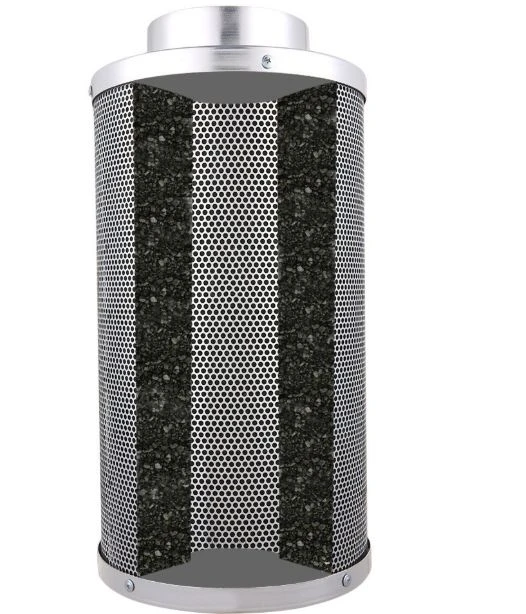
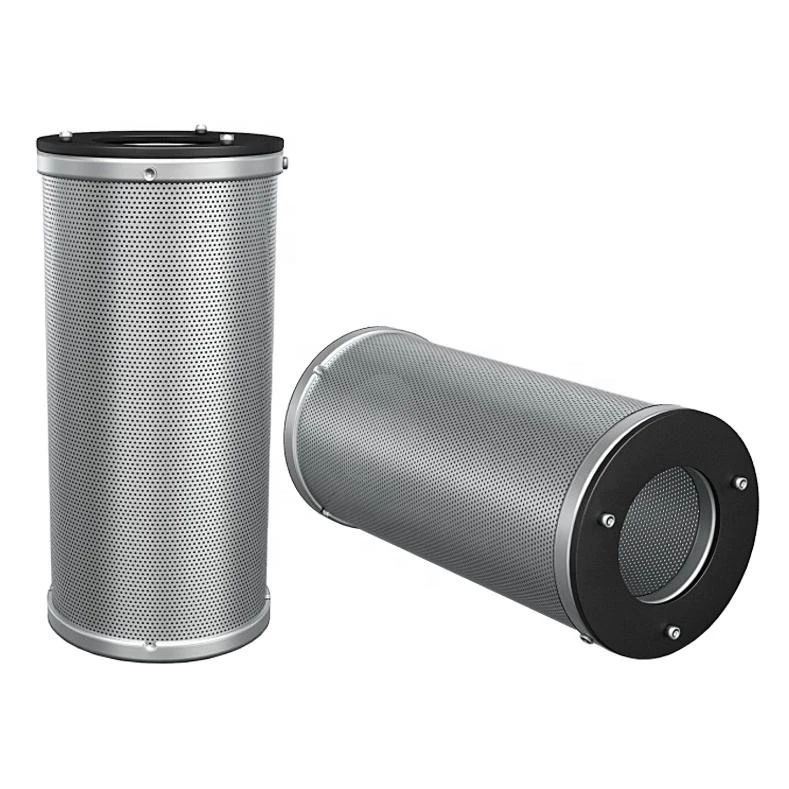
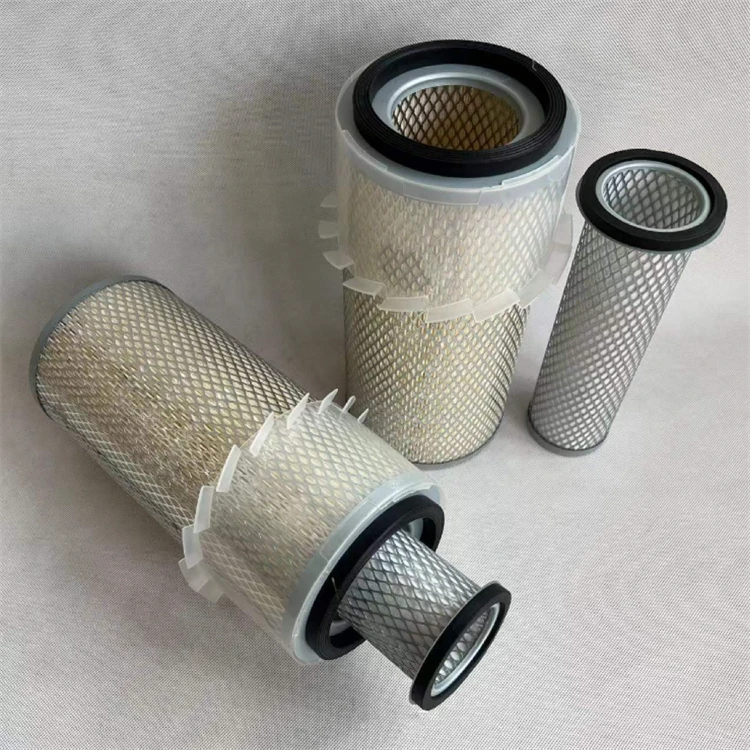
At its core, a gasturbine inlaatfilter is an advanced filtration system installed at the intake of gas turbines. It’s engineered to remove particulate matter from the air, ensuring that only clean air flows into the turbine combustion chamber. The cleaner the air, the better the combustion efficiency, the less wear and tear, and the longer the turbine’s operational life.
In practical terms, these filters can be thought of as the lungs' protective gear of a gigantic engine, blocking out harmful pollutants that are particularly rampant in urban, industrial, or desert environments.
Key Components & Core Aspects of Gasturbine Inlaatfilters
1. Filtration Efficiency
This determines how well the filter traps particles of various sizes. Filters typically use multi-stage systems combining coarse and fine filter media to capture everything from large debris to microscopic dust.
2. Durability and Weather Resistance
Settings like offshore platforms or desert power plants demand filters built to withstand salt corrosion, sand erosion, and wide temperature swings without degrading.
3. Pressure Drop & Energy Use
Filters must strike a balance — effectively blocking debris but without causing excessive airflow resistance that could lower turbine efficiency or increase fuel consumption.
4. Maintenance & Replacement Cycles
Filters designed for easy inspection and quick replacement reduce turbine downtime and operating costs.
5. Customization & Scalability
Different turbines and environmental conditions mean no one-size-fits-all. Vendors often tailor filter design to specific client needs, from urban power plants to desert installations.
Typical Product Specifications of a Gasturbine Inlaatfilter
| Specification | Typical Value | Notes |
|---|---|---|
| Filtration Efficiency | ≥ 99.97% (for 0.3 micron particles) | HEPA-grade performance in fine dust removal |
| Airflow Capacity | 5000 to 30,000 m³/h | Varies by turbine size |
| Operating Temperature | -20°C to 70°C | Typical range for ambient air intake |
| Pressure Drop | 150 – 300 Pa | Optimized for minimal power loss |
| Maintenance Interval | 6–12 months | Depends on operating environment |
Global Applications and Real-world Use Cases
Gasturbine inlaatfilters find their place in a fascinating variety of settings. In the Middle East, for example, power plants combat relentless sandstorms; here, these filters are a lifeline. Likewise, coastal power generation sites in Northern Europe depend on filters that fend off salty sea air that can corrode turbine components quickly.
Oddly enough, some organizations deploying mobile power units in disaster relief zones rely heavily on robust filters to keep turbines running during dusty or smoky environmental conditions—the kind you’d find after wildfires or major storms. Even the aviation industry benefits from specialized intake filters on test engines, securing the sensitive turbines against contaminants.
Vendor Comparison: A Quick Look at Leading Gasturbine Inlaatfilter Providers
| Vendor | Filter Types | Typical Markets | Key Strength |
|---|---|---|---|
| FilterTech Solutions | Multi-stage HEPA/ULPA | Industrial, Power Plants | Custom designs for harsh climates |
| PureAir Systems | Electrostatic Filters | Oil & Gas, Offshore | Low pressure drop technology |
| EnviroFlow Filters | Glass Fiber Media | Urban Power, Aviation Testing | Superior fine dust capture |
Tangible Advantages and Long-term Benefits
Apart from the obvious protection against wear and turbine damage, gasturbine inlaatfilters contribute to substantial fuel savings by keeping the combustion process clean and efficient. This equates to lower greenhouse gas emissions—a big plus for sustainability efforts worldwide.
On a more human note, they reassure plant operators and investors alike, fostering trust that their costly equipment will run safely and predictably. It feels a bit like investing in peace of mind, which when you’re dealing with multi-million-dollar assets, is priceless.
Looking Ahead: Trends & Innovations in Gasturbine Inlaatfilters
Smart filtration is on the horizon, where digital sensors continuously monitor filter condition and air quality. Imagine filters that self-adjust and warn technicians before performance degrades. Materials science is also booming—new nanofiber membranes and coatings that repel particles and moisture promise longer filter life and better efficiency.
Sustainability pushes continue to encourage recyclable filter components and manufacturing with lower environmental footprints. The entire industry seems to lean towards smarter, greener solutions — for good reason.
Common Challenges and Practical Solutions
A perennial issue can be balancing filtration efficiency with pressure drop; too much resistance can sabotage turbine performance. To tackle this, engineers optimize filter media structure and staging. Another challenge? Harsh environment damage. Advances in protective coatings and modular filter housings help mitigate this risk.
Operation in remote areas poses logistical headaches for filter replacement, too — so many vendors now offer turn-key maintenance programs or filter leasing options to ease client burdens.
FAQ: Your Gasturbine Inlaatfilter Questions, Answered
-
How often should I replace my gasturbine inlet filter?
Typically, filters last between 6 to 12 months, depending on the environment. Dusty or salty conditions mean more frequent changes. Regular inspection is key to avoid turbine damage or efficiency losses. -
Can inlet filters reduce my turbine’s energy performance?
Poorly designed filters can cause excessive airflow resistance, but modern high-efficiency filters optimize airflow to minimize pressure drops, preserving turbine power output. -
Are gasturbine inlaatfilters recyclable or environmentally friendly?
Many vendors are moving toward recyclable filter materials and eco-friendly manufacturing to reduce waste. It’s best to check the product specs and company sustainability policies. -
Can filters be customized for extreme weather conditions?
Absolutely. Filters can be tailored with special coatings or materials to handle sandstorms, salt spray, or cold climates—vital for turbines in harsh environments.
Conclusion
So, to wrap up: the gasturbine inlaatfilter might feel like a small component in the vast world of gas turbine technology, but it packs a serious punch in terms of protecting investment, boosting performance, and supporting sustainability. If your operation depends on turbine reliability, understanding this filter’s role is non-negotiable. For anyone interested in exploring high-quality filter solutions, I highly recommend checking out gasturbine inlaatfilter options available through specialist vendors.
Mini takeaway: In real terms, investing in the right gasturbine inlet filter pays dividends through efficiency, protection, and peace of mind — a triple win for power generation worldwide.
-
High-Efficiency Adsorption for Clean Air & Water PurificationNewsApr.20,2026
-
Air Filter Cartridge: High-Efficiency Filtration for Engine Protection & Clean Air SupplyNewsApr.17,2026
-
Filter Paper: Precision Filtration Media for Industrial & Laboratory ExcellenceNewsApr.16,2026
-
Industrial Guide for Selecting a Stainless Filter CartridgeNewsApr.16,2026
-
Dust Filter Cartridges: High-Efficiency Industrial Filtration for Clean Production & ComplianceNewsApr.15,2026
-
Filter Paper: High-Efficiency Filtration Solution for Industrial & Laboratory UseNewsApr.14,2026