 Email:admin@only-filter.com
 Tel:
+8615930870079
Tel:
+8615930870079
Jan . 06, 2026 00:25 Back to list
Durable Pulse Jet Patroonfilter Solutions for Industrial Dust Control
Pulse Jet Patroonfilter: How It Keeps Industrial Dust at Bay
If you’ve been around industrial equipment for any stretch, you’ve likely encountered pulse jet patroonfilters before. Those workhorse dust collectors that, frankly, are the unsung heroes of many manufacturing and processing plants. I remember my early days in the sector, watching those filters cyclically blast compressed air pulses to shake off the dust cake — it’s an elegant solution to what’s essentially a relentless dirt problem.
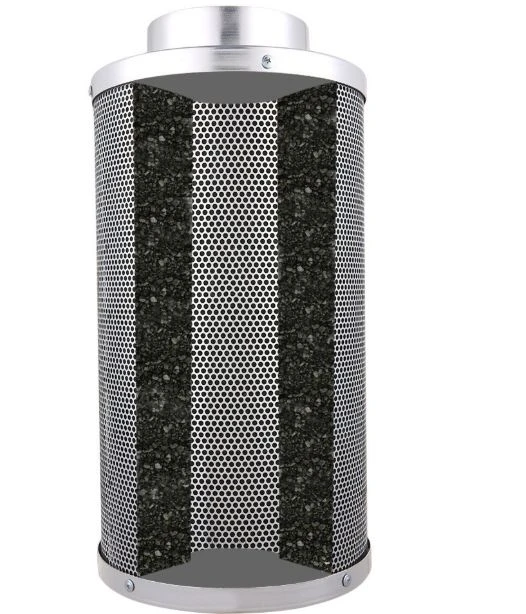
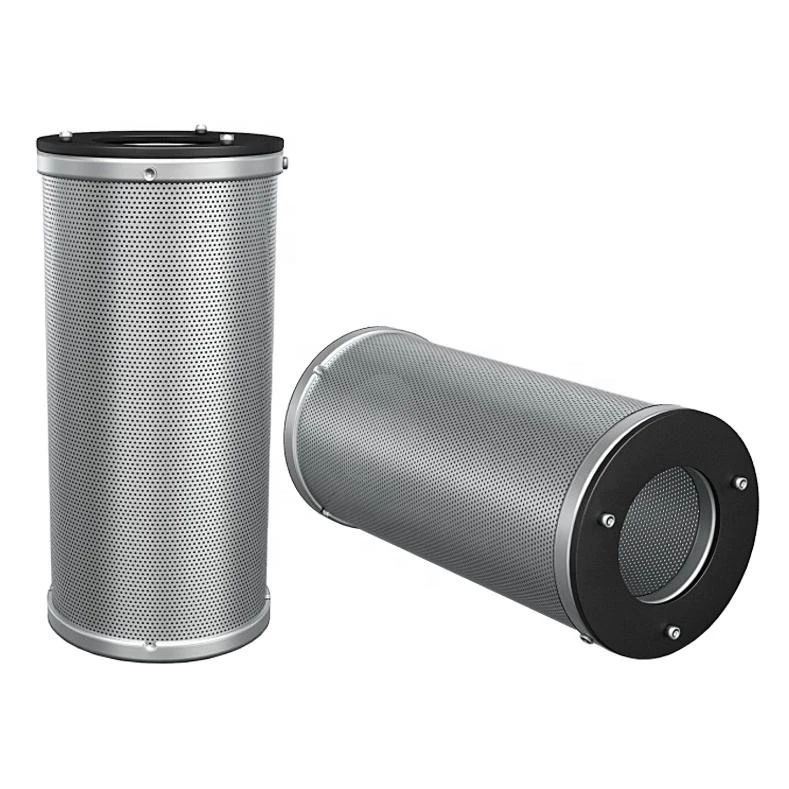
What makes them so reliable? It’s a clever combo of materials, design, and a bit of industrial magic. Most pulse jet patroonfilters are built with durable, pleated filter media – often polyester or fiberglass – wrapped around a cylindrical shape. This pleated design is key, since it maximizes the surface area, letting air slip through while trapping fine particulates efficiently.
One thing that tends to impress me is how simple yet effective the pulse jet cleaning mechanism is. A brief burst of compressed air travels down the filter tube, causing the filter media to flex. This sudden movement cracks off the dust cake, which then falls into the hopper below. This cyclical cleaning means that processes can run continuously without expensive downtime for maintenance.
Honestly, when I first started, I thought all dust collectors were pretty much the same. But no. Customization has come a long way. Some patroonfilters are tailored with different pleat counts, filter lengths, and even coatings to suit harsh environments like chemical plants or cement factories. I recall a customer in the metalworking sector who switched to a custom pulse jet patroonfilter with hydrophobic coatings. They saw a noticeable drop in filter clogging when oily mist was present.
From what the engineers I’ve worked with say, reliability and ease of maintenance are the main perks. Still, the market offers quite a range, so it’s important to know where your priorities lie — cost, lifespan, chemical resistance, or something else. Here’s a quick specs overview that usually matters when picking a pulse jet patroonfilter:
| Specification | Details |
|---|---|
| Filter Media Types | Polyester, Fiberglass, Nomex, PTFE Coated |
| Pleat Count | 50 to 150 pleats per cartridge |
| Operating Temperature | Up to 220°C (428°F) for standard filters |
| Diameter & Length | Typically 6" diameter, 20"–48" length |
| Cleaning Method | Pulse jet compressed air |
Now, while all these specs are important, the real challenge is choosing the right vendor. Over the years, I found that not all suppliers are created equal — ranging from quality consistency to delivery time and after-sales support. Here’s a short comparison I’ve put together based on hands-on experience and feedback from colleagues:
| Vendor | Quality | Customization | Lead Time | Customer Support |
|---|---|---|---|---|
| OnlyFilterCartridge | High, consistent | Excellent, tailored solutions | 2–3 weeks | Responsive & knowledgeable |
| Generic Filters Inc. | Moderate, variable | Limited | 4–6 weeks | Basic, email only |
| PeakDust Solutions | High | Moderate | 3–4 weeks | Good technical support |
One anecdote worth sharing: a plant I visited recently had been struggling with frequent downtime due to clogged filters on their cement rotary kiln dust collector. After switching to a pulse jet patroonfilter with enhanced pleat design and PTFE coating, their system stayed cleaner longer and required less maintenance. Operators told me it felt like a breath of fresh air, quite literally, given the dust reduction—and everyone dislikes downtime.
So, what’s the final verdict? If dust control is mission-critical for your operation, investing in well-made pulse jet patroonfilters with trusted vendors pays off in the long run. Proper filtration protects worker health, reduces equipment wear, and can even improve compliance with environmental regulations. Quite a package for what’s essentially a sturdy cartridge and some well-timed pulses of air, huh?
For anyone still unsure, I’d recommend testing sample cartridges in situ if possible. Seeing how different filters perform under your specific dust and operational conditions is priceless. And striking up conversations with vendors who listen can save you headaches down the line.
In real terms, these filters are one of the few pieces of equipment that quietly keep the industrial world spinning — never glamorous, but absolutely essential.
Remember: Dust filtration isn’t just about compliance; it’s about making your plant safer and more efficient. And that’s a win for everybody.
References:
- Industrial Dust Collection Handbook, 5th Ed., 2022.
- American Society of Mechanical Engineers (ASME) Guidelines on Dust Control, 2021.
- Technical Brief: Advances in Pulse-Jet Filter Media, Filtration Journal, 2023.
-
High-Efficiency Adsorption for Clean Air & Water PurificationNewsApr.20,2026
-
Air Filter Cartridge: High-Efficiency Filtration for Engine Protection & Clean Air SupplyNewsApr.17,2026
-
Filter Paper: Precision Filtration Media for Industrial & Laboratory ExcellenceNewsApr.16,2026
-
Industrial Guide for Selecting a Stainless Filter CartridgeNewsApr.16,2026
-
Dust Filter Cartridges: High-Efficiency Industrial Filtration for Clean Production & ComplianceNewsApr.15,2026
-
Filter Paper: High-Efficiency Filtration Solution for Industrial & Laboratory UseNewsApr.14,2026