 Email:admin@only-filter.com
 Tel:
+8615930870079
Tel:
+8615930870079
Jan . 07, 2026 00:45 Back to list
Durable Polyester Patroonfilter for Industrial Filtration | OnlyFilterCartridge
Polyster Patroonfilter: Reliable Filtration in Industrial Settings
Having spent a good chunk of my career around industrial filtration systems, I can honestly say the polyester patroonfilter quietly earns its stripes day in, day out. It’s one of those unsung heroes that makes manufacturing plants and industrial processes hum along smoothly without the drama of frequent breakdowns or quality drops.
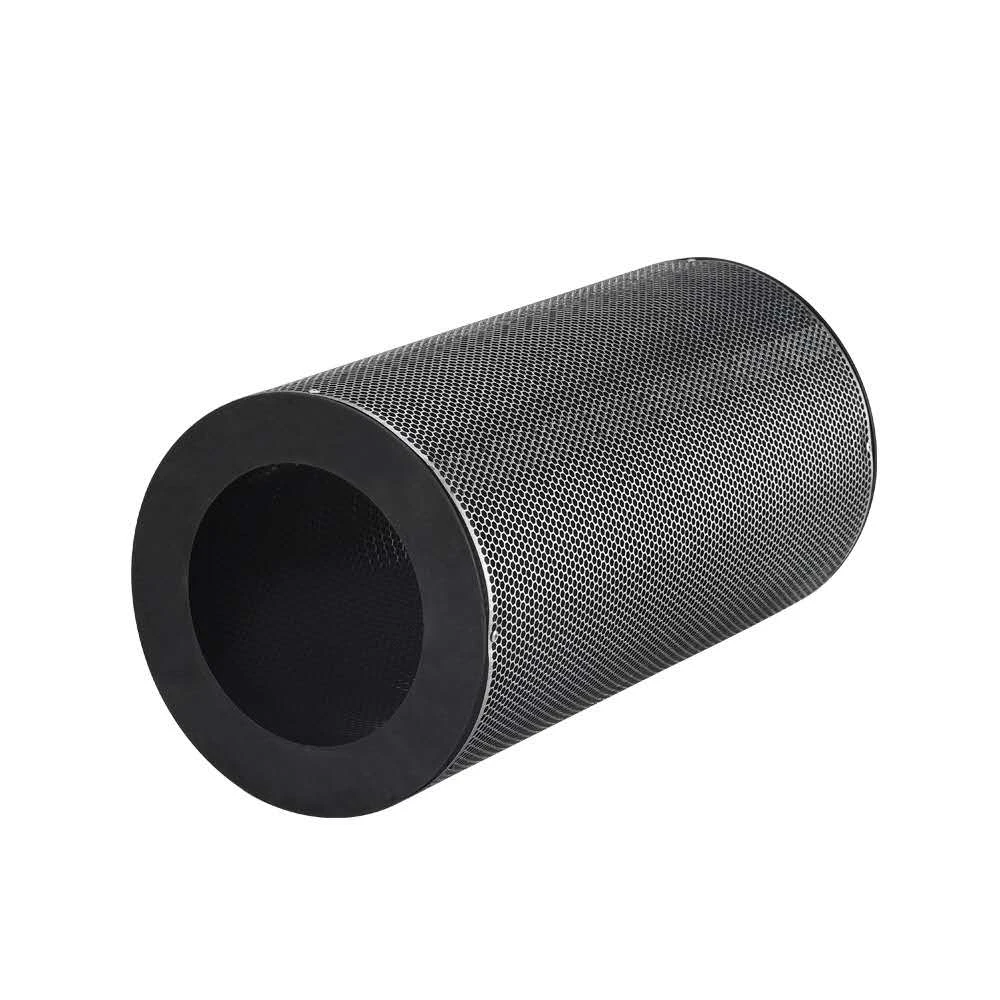
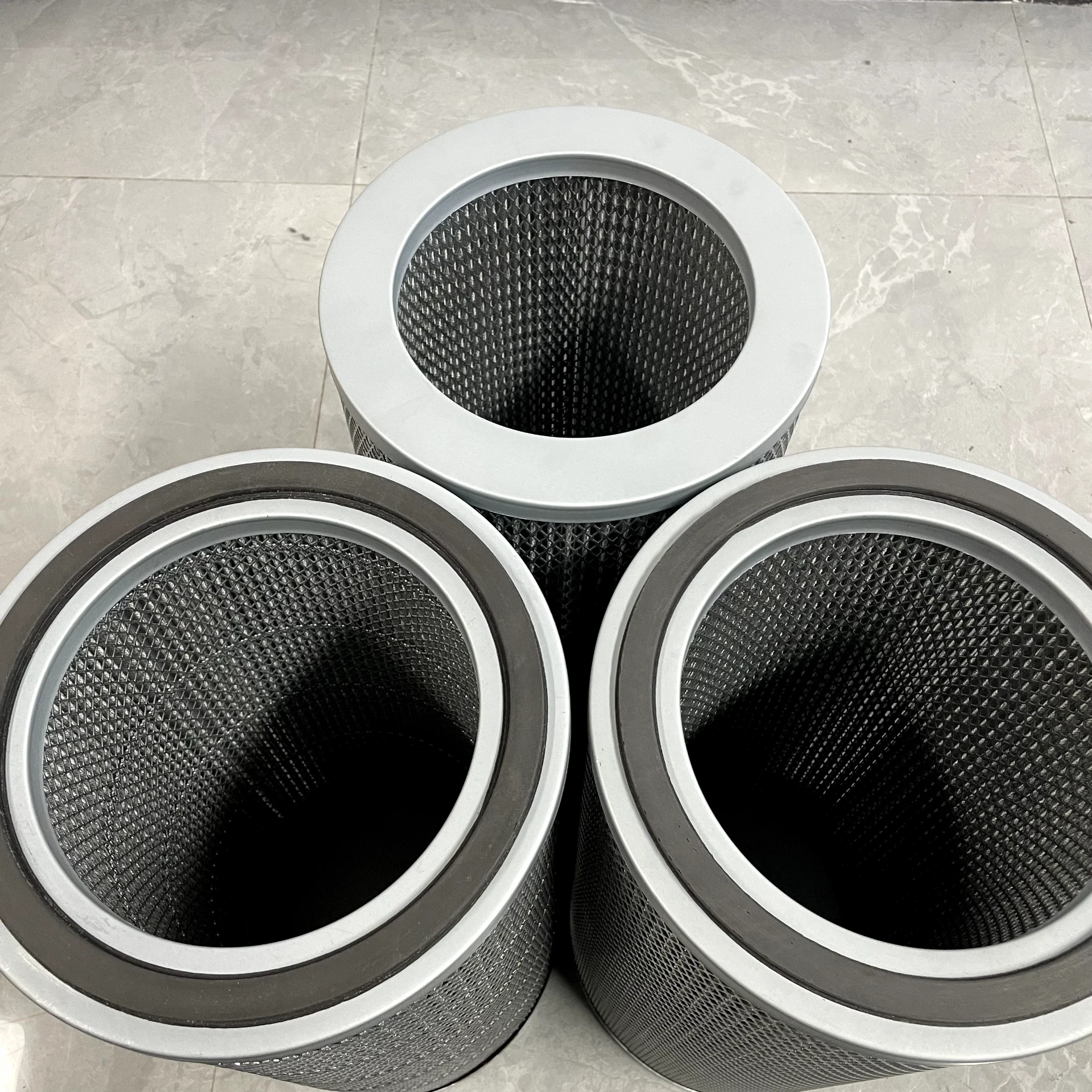
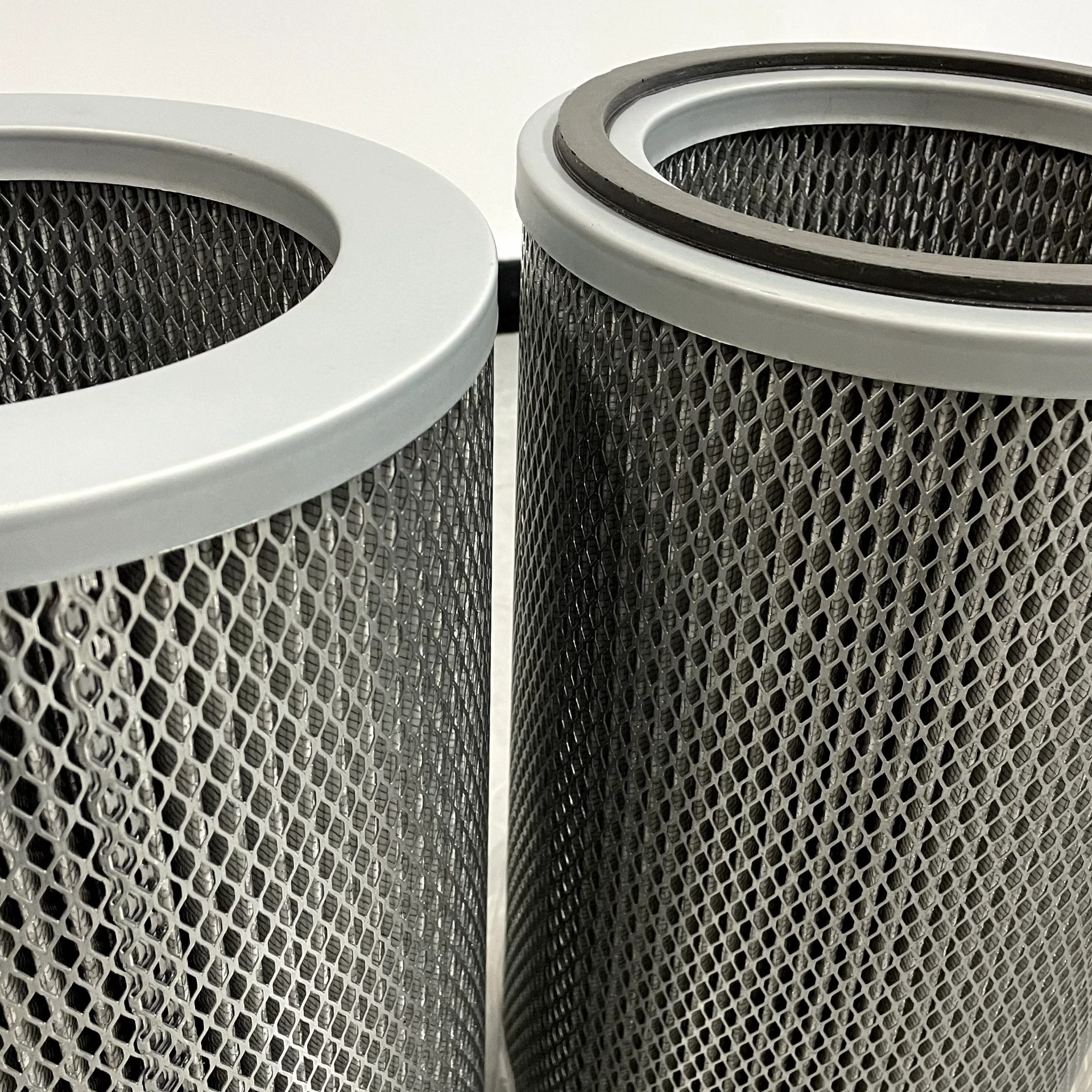
Now, if you’re not already knee-deep in filters and dust collectors, the term “patroonfilter” might sound a bit alien. It literally means “cartridge filter” in Dutch, but in practical terms, we're talking about a robust filtration component designed primarily from polyester fibers — optimized to trap fine dust, particulates, and contaminants in harsh industrial environments.
Oddly enough, polyester as a material for such filters has stood the test of time because it strikes a near-perfect balance between durability and filtration efficiency. I remember a plant where we swapped some ancient cellulose filters with polyester patroonfilters—immediately cut downtime due to clogging by about 20%. That's not just a small win; it’s a noticeable bump in operational reliability.
Material and Construction Insights
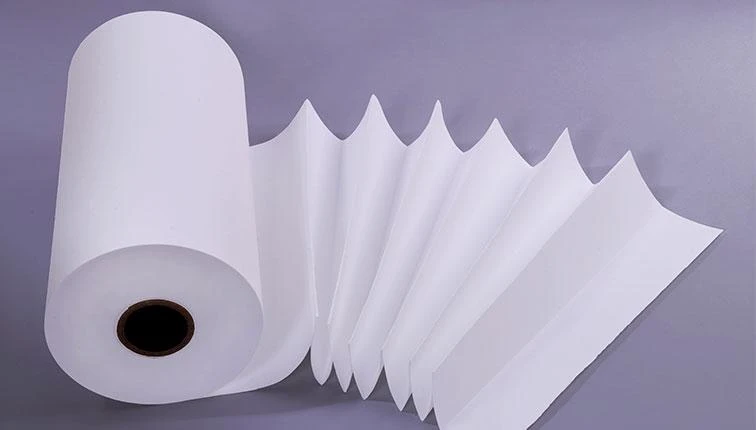
What makes the polyester patroonfilter stand out is the synthetic fiber’s resistance to moisture, chemicals, and temperature swings. Polyester fibers are generally heat-set and pleated in these filters, which increases their surface area dramatically — meaning they hold more dust before requiring replacement or cleaning.
Frankly, the processing quality matters a lot here. A poorly manufactured polyester cartridge can cause pressure drops, reducing airflow and affecting the overall system's performance. That’s why I always recommend sourcing filters from vendors who specify their filtration efficiency, pulse-clean compatibility, and resistance specs clearly.
| Specification | Typical Value | Notes |
|---|---|---|
| Material | Polyester (heat-set fibers) | Standard industrial grade |
| Temperature Resistance | Up to 130°C (266°F) | Varies by treatment |
| Filtration Efficiency | 99.5% @ 0.5 microns | Subject to test conditions |
| Recommended Application | Dust collectors, baghouses | For dry particulate filtration |
| Lifespan | 6–12 months (typical use) | Depends on load and maintenance |
Vendor Comparison: What to Look For
In my years, I've seen quite a number of suppliers crop up with “polyester patroonfilter” offerings — but there’s always a difference in value and performance. Here’s a quick comparison table to help you sort the wheat from the chaff:
| Vendor | Material Quality | Filtration Efficiency | Customization Options | Lead Time |
|---|---|---|---|---|
| OnlyFilterCartridge | Premium heat-set polyester | Up to 99.5% | Custom lengths, end-caps | 2-4 weeks |
| IndustrialFilters Inc. | Standard polyester | 98.5% | Limited customization | 3-6 weeks |
| TechFiltration Co. | Mixed fiber blends | 99% | Custom pleat densities | 4-5 weeks |
In real terms, choosing the right polyester patroonfilter depends heavily on your process specifics — particle size, dust load, and environmental things like humidity. I’ve learned that working closely with suppliers who are transparent about material specs and testing results actually saves a ton of headaches down the road.
One last thing I’d say: never underestimate the value of testing these filters on your own equipment, even if it means ordering samples or pilot runs. Different polyester treatments and pleat configurations behave differently in the wild, you know.
All in all, it feels like polyester patroonfilters will keep being an essential part of industrial filtration for years to come — combining versatility with dependable filtration performance. And with suppliers like OnlyFilterCartridge offering quality and customization, you’re in safe hands.
Keep an eye on how your filters perform, because even the best polyester cartrigdes aren’t entirely maintenance-free.
References:
1. Industrial Filtration Handbook, 3rd Edition.
2. OnlyFilterCartridge Product Data Sheets, 2024.
3. Field notes from 10+ years in manufacturing filtration systems.
-
Industrial Filter Cartridge Solutions Drive Cleaner & More Efficient ManufacturingNewsMay.08,2026
-
Air Filter Cartridge Solutions Help Manufacturers Improve Dust Collection EfficiencyNewsMay.07,2026
-
High-Efficiency Dust Collector Filter Cartridge, Leading Industrial Dust Removal & Environmental Protection TrendNewsMay.06,2026
-
High-Precision Filtration Media for Industrial & Laboratory UsNewsApr.22,2026
-
High-Efficiency Industrial Dust Filtration & PurificationNewsApr.21,2026
-
High-Efficiency Adsorption for Clean Air & Water PurificationNewsApr.20,2026