Look, I've spent the last twenty years on dusty construction sites, wrestling with materials, and talking shop with engineers. When it comes to filtration – and specifically, stainless steel cartridge – you need to understand it's not about fancy specs on a datasheet. It's about reliability, uptime, and keeping projects on schedule. A clogged filter isn't just a minor inconvenience; it's lost productivity, potential damage to expensive equipment, and a hit to the bottom line. That's why a robust, dependable filtration system, built around quality components like these stainless steel cartridges, is absolutely critical.
For too long, we’ve been patching things up with inadequate filters that fail prematurely. I've seen projects stalled because of constant filter changes, and I’ve seen equipment suffer from contamination because filters couldn't handle the job. The cost of downtime adds up fast. Investing in a properly specified stainless steel cartridge isn't an expense; it's an insurance policy against those costly setbacks. It's about avoiding headaches and ensuring the job gets done right, on time, and within budget.
And let's be real, a lot of these off-brand filters… they just don't hold up. You end up replacing them more often, which costs more money and more man-hours. It's a false economy. We need durable, predictable performance, and frankly, a stainless steel cartridge offers that level of consistent quality. It's what separates a professional operation from an amateur one.
The Critical Role of stainless steel cartridge in Industrial Operations
I've seen firsthand how crucial effective filtration is across countless industries – from construction and manufacturing to wastewater treatment and food processing. A stainless steel cartridge isn’t just a component; it’s a critical safeguard for valuable equipment and a key factor in maintaining operational efficiency. Without reliable filtration, you’re courting disaster. Think about hydraulic systems, pneumatic tools, or even sensitive electronic equipment. Contamination can lead to premature wear, costly repairs, and unexpected downtime.
The global industrial filtration market is a multi-billion dollar industry, and it’s growing rapidly due to increasingly stringent environmental regulations and the demand for higher-quality products. ISO standards, for example, dictate increasingly fine filtration requirements to ensure product purity and operational safety. This isn't just about compliance; it's about protecting your brand reputation and ensuring customer satisfaction. Investing in high-quality stainless steel cartridge is a direct investment in meeting those demands.
Understanding stainless steel cartridge: A Deep Dive
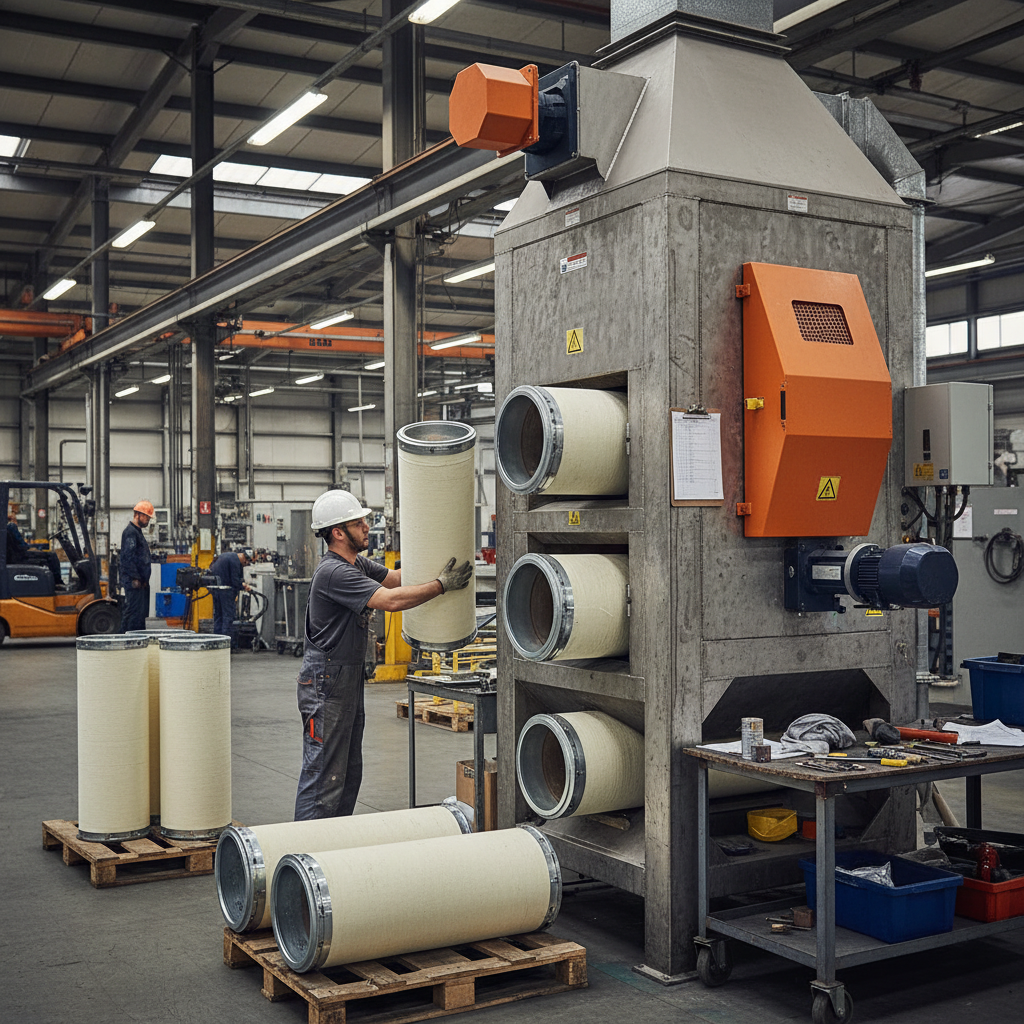
Simply put, a stainless steel cartridge is a filtration component designed to remove contaminants from fluids – liquids or gases. What sets stainless steel apart from other materials, like plastic or carbon steel, is its inherent corrosion resistance, durability, and ability to withstand high temperatures and pressures. It’s built to last, even in harsh operating environments. The cartridge itself typically consists of a stainless steel housing, a filter media (which could be woven mesh, sintered metal, or a combination of materials), and end connections.
This isn't some newfangled technology; stainless steel has been a workhorse material in industrial applications for decades. But the sophistication of filter media and cartridge design has evolved significantly. We're seeing more complex geometries and specialized materials to target specific contaminants and achieve higher filtration efficiencies. This innovation is directly tied to the needs of modern industry – the need for cleaner processes, higher-quality products, and reduced environmental impact.
The connection to humanitarian needs is often overlooked. In disaster relief situations, portable water purification systems rely heavily on robust filtration, and stainless steel cartridges provide a reliable and long-lasting solution for providing clean drinking water to affected communities. It’s a fundamental application with a direct impact on public health.
Key Performance Factors of stainless steel cartridge
Durability is paramount. A stainless steel cartridge needs to withstand repeated pressure cycles, temperature fluctuations, and potentially corrosive fluids without compromising its integrity. Cheaper materials simply can’t offer that level of long-term reliability.
Filtration efficiency is another key factor. The cartridge must be able to effectively remove contaminants down to the required micron size. This is determined by the pore size of the filter media and the overall design of the cartridge. A higher efficiency rating translates to cleaner fluids and improved equipment performance.
Flow rate is crucial for maintaining operational throughput. A cartridge with a restricted flow rate can create a bottleneck in the system, reducing overall productivity. It's important to select a cartridge with a flow rate that matches the system’s requirements.
Global Applications of stainless steel cartridge
You’ll find these cartridges everywhere. In construction, they’re protecting hydraulic systems on excavators, loaders, and cranes. In manufacturing, they’re ensuring the purity of fluids used in CNC machines, injection molding, and other critical processes. Wastewater treatment plants rely on them to remove solids and contaminants from effluent streams.
In the pharmaceutical industry, the need for sterile filtration is paramount, and stainless steel cartridges are widely used to ensure the purity of injectable drugs and other critical medical products. The food and beverage industry also relies heavily on these cartridges for filtering liquids and gases, ensuring product quality and safety. Regions with rapidly expanding industrial sectors, like Southeast Asia and South America, are seeing increased demand for high-quality filtration solutions, including stainless steel cartridge.
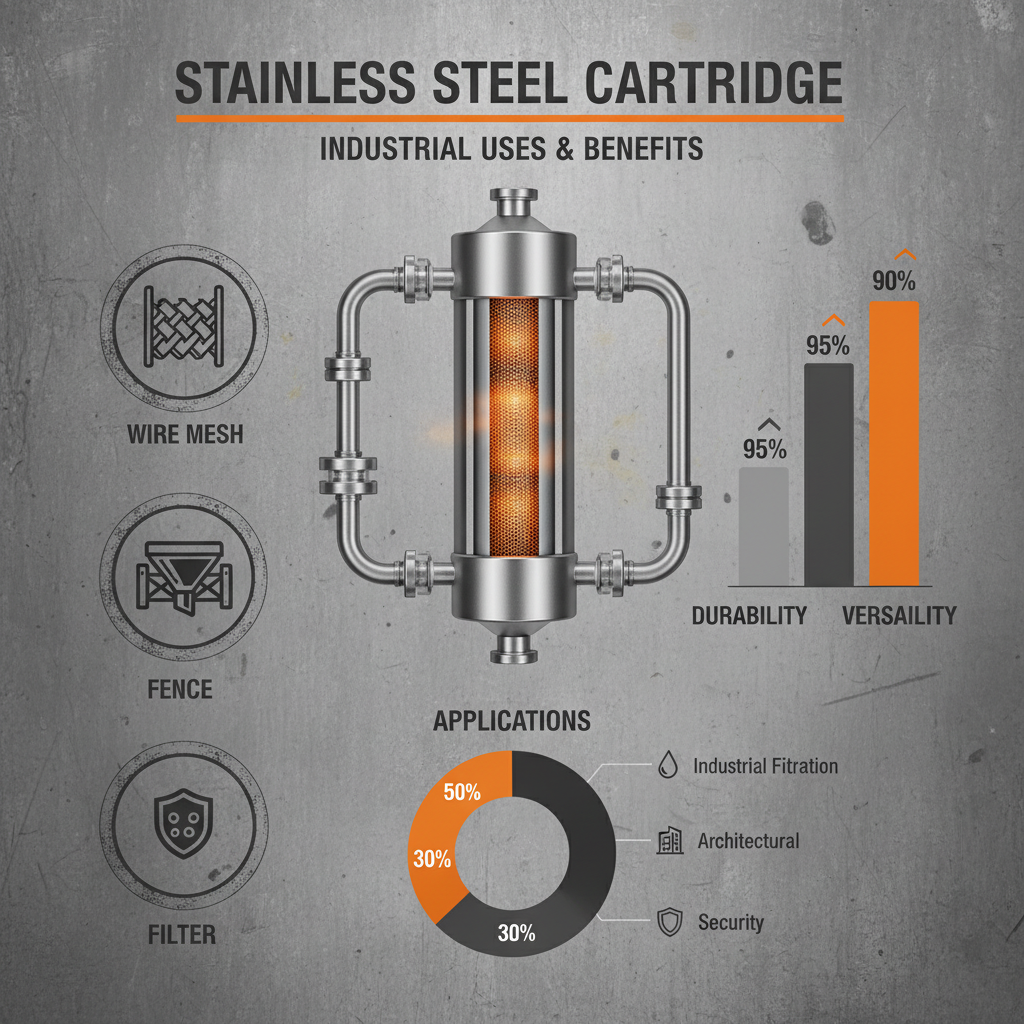
Stainless Steel Cartridge Performance Metrics
The Advantages and Long-Term Value of stainless steel cartridge
The initial cost of a stainless steel cartridge might be higher than some alternatives, but the long-term value is undeniable. Lower maintenance costs, reduced downtime, and extended equipment life all contribute to a significant return on investment. You’re not just buying a filter; you’re buying peace of mind.
From a sustainability standpoint, the durability of stainless steel means fewer replacements, reducing waste and minimizing environmental impact. And let’s not forget the safety aspect. A reliable filtration system protects workers from exposure to harmful contaminants and prevents equipment failures that could lead to accidents.
Future Trends and Innovations in stainless steel cartridge Technology
We're seeing a push towards "smart" filters with integrated sensors that monitor pressure drop, flow rate, and contaminant levels. This data allows for predictive maintenance, optimizing filter change-out schedules and preventing unexpected downtime.
Advances in materials science are also leading to the development of new filter media with enhanced filtration efficiency and increased dirt-holding capacity. Nanotechnology is playing a role here, with researchers exploring the use of nanomaterials to create filters with even finer pore sizes.
Challenges and Solutions in stainless steel cartridge Implementation
One common challenge is selecting the right cartridge for a specific application. There are countless variables to consider – fluid type, temperature, pressure, contaminant levels – and getting it wrong can lead to poor performance or premature failure.
Proper installation and maintenance are also critical. A poorly installed cartridge can bypass filtration, rendering it ineffective. Regular inspection and timely replacement are essential for maintaining optimal performance. Working with a reputable supplier who can provide expert guidance and support is key to overcoming these challenges.
Another challenge is the potential for differential pressure build-up across the cartridge, leading to reduced flow rate. This can be mitigated by using larger cartridges or implementing a cartridge change-out schedule based on pressure drop monitoring.
Summary of stainless steel cartridge Implementation Challenges and Solutions
| Challenge |
Impact on Operations |
Potential Solution |
Implementation Cost (Scale 1-10) |
| Incorrect Cartridge Selection |
Reduced Filtration Efficiency, Premature Failure |
Consult with Filtration Experts |
3 |
| Improper Installation |
Filter Bypass, Contamination |
Follow Manufacturer Instructions, Qualified Technicians |
4 |
| Insufficient Maintenance |
Reduced Flow Rate, Decreased Efficiency |
Regular Inspection, Scheduled Replacement |
2 |
| Differential Pressure Build-Up |
Reduced Flow Rate, System Stress |
Larger Cartridges, Pressure Monitoring |
5 |
| Contaminant Compatibility |
Material Degradation, Filter Failure |
Select Chemically Resistant Cartridges |
6 |
| Lack of System Monitoring |
Unforeseen Failures, Downtime |
Implement Pressure/Flow Monitoring Systems |
7 |
FAQS
Stainless steel offers superior corrosion resistance, durability, and temperature/pressure handling capabilities compared to materials like plastic or carbon steel. This translates to a longer lifespan, reduced maintenance, and greater reliability in harsh operating environments. It’s an investment that pays off in the long run, minimizing downtime and protecting your equipment.
The optimal replacement frequency depends on several factors, including the fluid being filtered, the contaminant load, and the system's operating conditions. Regularly monitoring pressure drop across the cartridge is a good indicator. Typically, replacement is recommended when the pressure drop reaches a predetermined threshold or at a scheduled interval based on operating hours.
The appropriate micron rating depends on the size of the contaminants you need to remove. A smaller micron rating will remove smaller particles, but it may also reduce flow rate. It's crucial to analyze your fluid and identify the target contaminants to select the optimal micron rating for your specific application.
While stainless steel is generally resistant to many fluids, it's essential to verify compatibility with the specific fluid being filtered. Certain chemicals or highly corrosive substances may require specialized stainless steel alloys or alternative filter materials. Always consult with a filtration expert to ensure compatibility.
Used stainless steel cartridges may contain contaminants and should be disposed of in accordance with local regulations. Some cartridges can be cleaned and reused, while others may require disposal as hazardous waste. Check with your local environmental agency for specific guidelines.
Sintered stainless steel cartridges offer exceptional dirt-holding capacity and a consistent pore size distribution. The sintering process creates a robust and durable filter media that can withstand high temperatures and pressures. These cartridges are particularly well-suited for applications requiring high filtration efficiency and long service life.
Conclusion
We’ve covered a lot of ground here, but the bottom line is this: stainless steel cartridge isn’t just a component, it's a critical investment in the reliability, efficiency, and longevity of your operations. It’s about preventing costly downtime, protecting valuable equipment, and ensuring the highest levels of product quality. Don't cut corners when it comes to filtration—it's a false economy.
Looking ahead, the future of filtration is smart, connected, and data-driven. Embracing innovative technologies like predictive maintenance and advanced materials will be key to optimizing filtration performance and maximizing return on investment. I encourage you to explore the options, consult with experts, and choose a filtration solution that meets your specific needs. For robust and reliable stainless steel cartridge solutions, visit our website today at www.onlyfiltercartridge.com.

 Email:admin@only-filter.com
 Tel:
+8615930870079
Tel:
+8615930870079