 Email:admin@only-filter.com
 Tel:
+8615930870079
Tel:
+8615930870079
Oct . 13, 2025 13:25 Back to list
Activated Carbon Cartridge: High Adsorption, Low Pressure
Activated Carbon Cartridge Buyer’s Notes: Specs, Trends, and Real-World Results
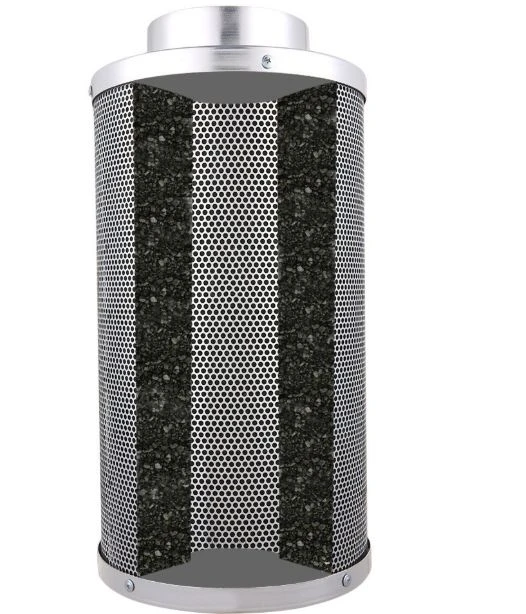
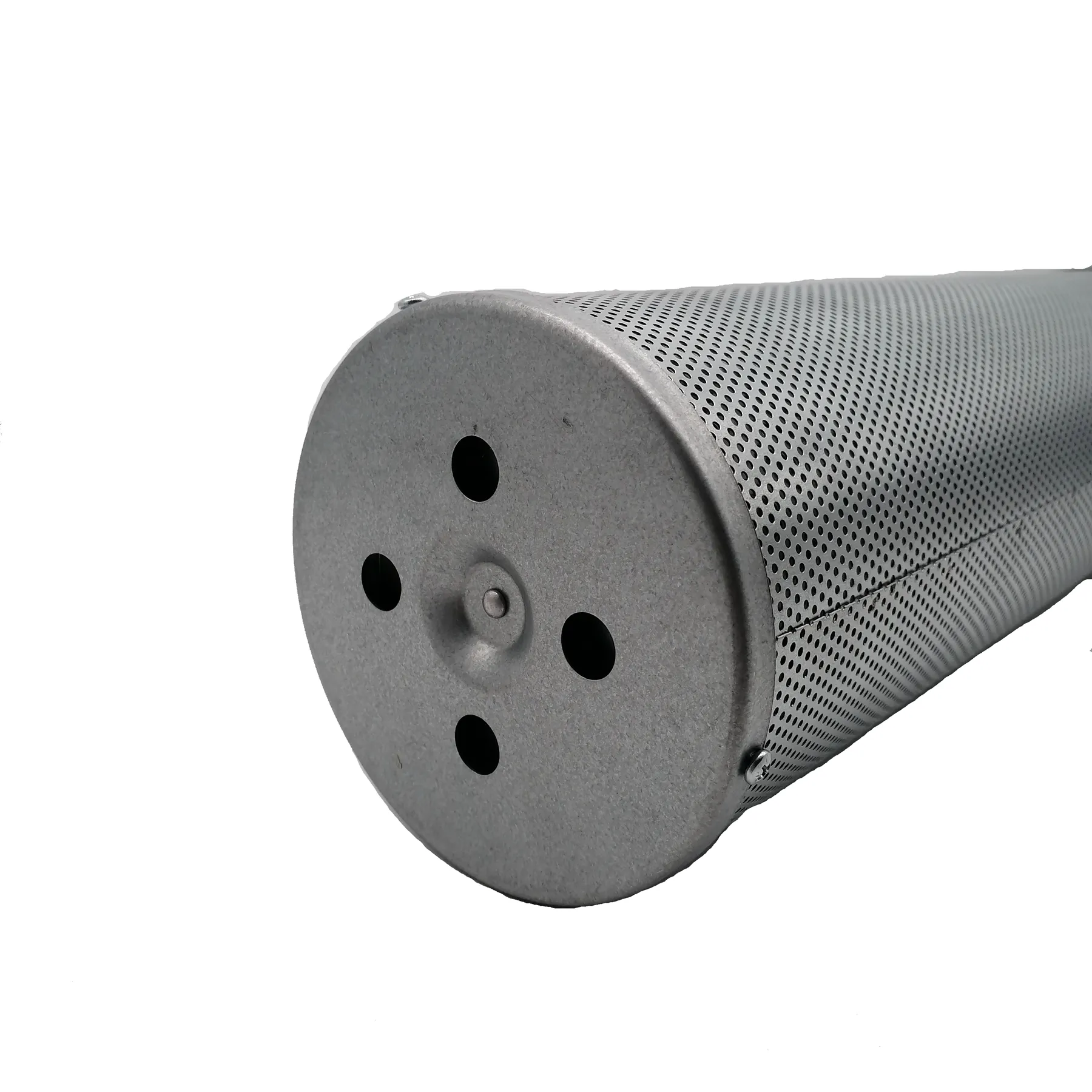
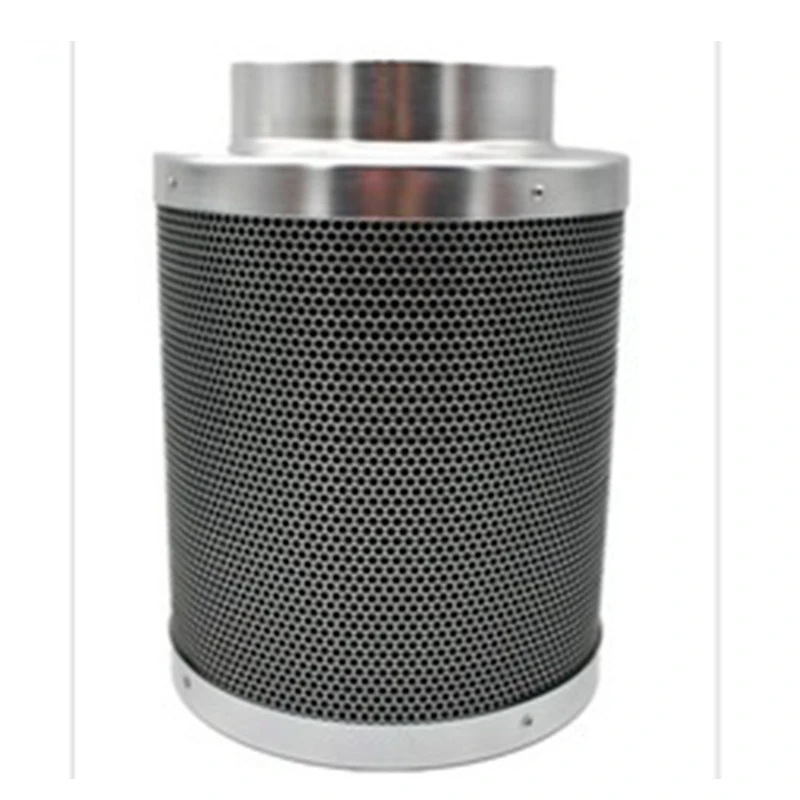
If you’re choosing an activated carbon cartridge for water polishing or taste and odor control, the details matter more than the buzzwords. I’ve toured lines where pellets are steam-activated, acid-washed, and packed into housings a few meters later. Some operations are artisanal; others are fully automated. This product—Active Carbon Filter Cylinder Activated Carbon Filter Roll 6mm Active Carbon Filters—comes from Rongding World, Xinhua District, Shijiazhuang City, Hebei Province. It blends fruit shell charcoal with coal-based carbon, which, to be honest, is a sensible balance between high micro-porosity and throughput.
What’s trending (and why it matters)
Industry-wide, we’re seeing tighter chlorine/chloramine targets, more focus on taste neutrality, and yes—questions about PFAS. A activated carbon cartridge can help with many VOCs and reduce PFAS to some extent (contact time is king), but it’s not a silver bullet without proper bed depth and EBCT. Many customers say the immediate, most noticeable effect is odor and chlorine drop-off, which lines up with standard test data.
Process flow and materials
- Feedstocks: fruit shell charcoal + coal-based activated carbon for balanced pore distribution.
- Activation: steam activation; optional acid-wash to reduce ash/metal content.
- Form: ≈6 mm extruded cylinders (pellets) for low pressure drop and stable flow.
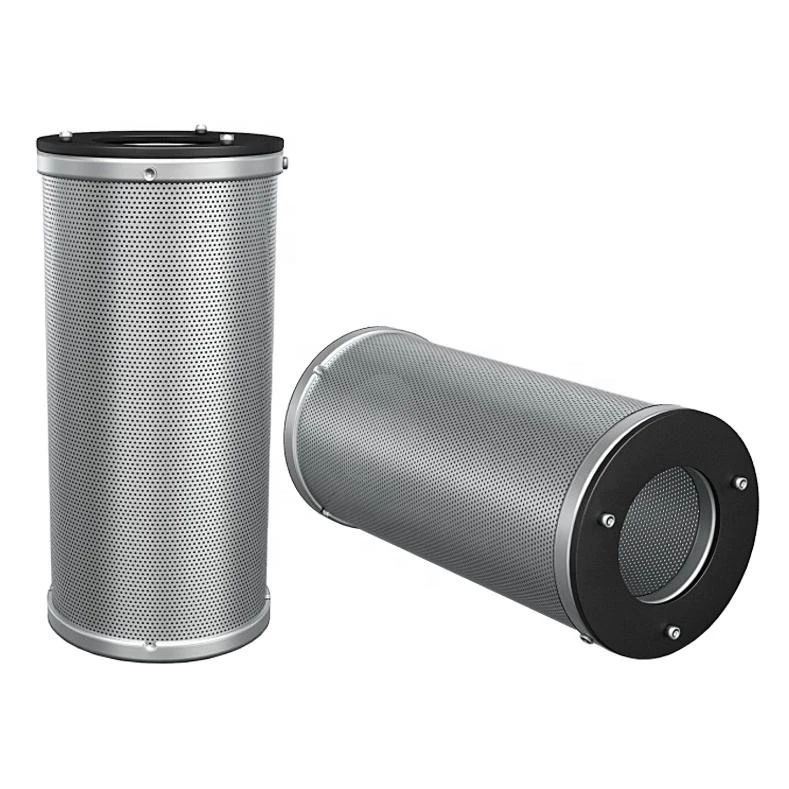
- Assembly: pellets filled into cartridges (10"×2.5" or custom). End caps: PP; gasket: NBR or silicone.
- Testing: chlorine reduction per NSF/ANSI 42 protocols; iodine number; moisture; ash; hardness; pressure drop.
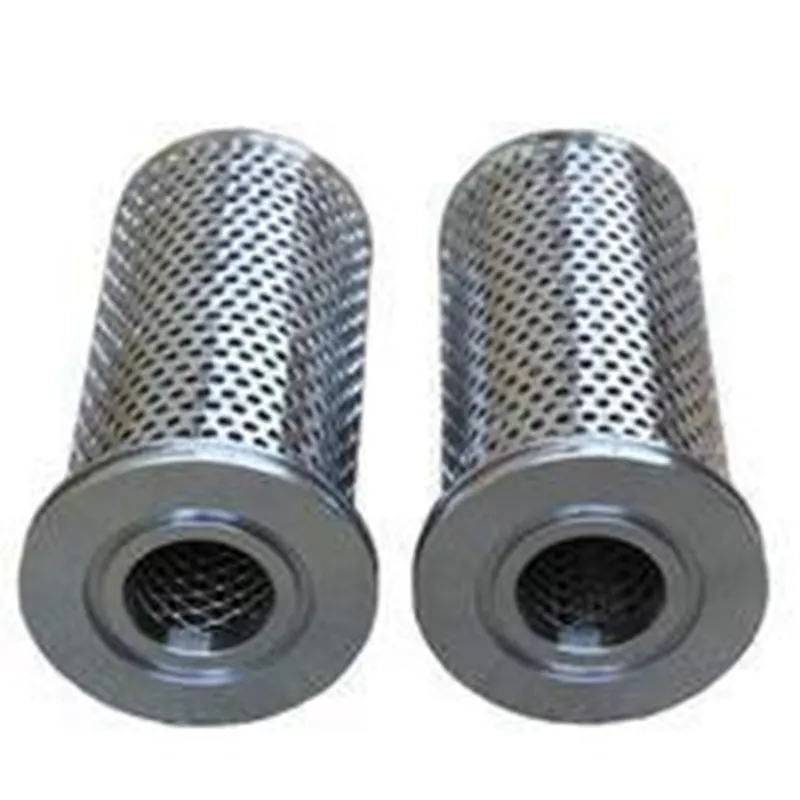
Core specifications (typical)
| Media | Fruit shell + coal-based activated carbon, 6 mm pellets |
| Iodine number | ≈ 900–1100 mg/g (real-world use may vary) |
| Bulk density | ≈ 0.45–0.55 g/cm³ |
| Chlorine reduction | ≥ 90% at typical domestic flow; EBCT-dependent |
| Pressure drop | ≈ 0.1–0.3 bar @ 2 L/min (10″ cartridge) |
| Service life | 8,000–12,000 L or 3–6 months (depending on influent) |
| Use temperature | 4–50 °C |
Quick test snapshot (typical lab bench): Influent free chlorine 2 mg/L; effluent activated carbon cartridge should be replaced on taste breakthrough or per liter-rating—don’t push it.
Where it’s used
Domestic under-sink filters, food & beverage polishing, boiler make-up pre-treatment, cooling towers (odor control), lab pretreatment, RO post-taste filters. In beverage lines, operators often note “cleaner nose” within hours—surprisingly immediate.
Mini case study
A regional tea bottler swapped legacy GAC with these 6 mm pellets in 10″ housings. Result: chlorine breakthrough delayed by ≈30%, lower pressure drop, and fewer flavor complaints. Maintenance said, “we finally got predictable changeouts.”
Vendor comparison (abbreviated)
| Vendor | Origin | MOQ | Customization | Certs | Lead Time |
|---|---|---|---|---|---|
| OnlyFilterCartridge (this product) | Hebei, China | ≈ 200–500 pcs | Sizes/iodine/branding | ISO 9001; materials align with NSF/ANSI 42 | 2–4 weeks |
| Generic Importer A | Mixed | Low | Limited | Varies | Stock-based |
| OEM B (premium) | EU/US | ≥ 1,000 pcs | High | NSF/ANSI 42/53 system certs | 4–8 weeks |
Certifications and standards
- NSF/ANSI 42 (aesthetics: chlorine, taste, odor); 53 (health claims) for systems.
- AWWA B605 for granular/pellet activated carbon media.
- ISO 9001 for manufacturing quality systems.
- Follow local regulations; verify system-level certification when required.
Final note: pick the right EBCT, monitor pressure drop, and don’t overextend a activated carbon cartridge. When in doubt, test on your actual water—bench data is a starting point, not gospel.
Authoritative citations
- NSF/ANSI Standard 42 and 53: Drinking Water Treatment Units — Aesthetic and Health Effects.
- AWWA B605: Granular Activated Carbon, American Water Works Association.
- WHO Guidelines for Drinking-water Quality, 4th ed. (and updates).
- ISO 9001: Quality Management Systems — Requirements.
-
High-Efficiency Industrial Dust Filtration & PurificationNewsApr.21,2026
-
High-Efficiency Adsorption for Clean Air & Water PurificationNewsApr.20,2026
-
Air Filter Cartridge: High-Efficiency Filtration for Engine Protection & Clean Air SupplyNewsApr.17,2026
-
Filter Paper: Precision Filtration Media for Industrial & Laboratory ExcellenceNewsApr.16,2026
-
Industrial Guide for Selecting a Stainless Filter CartridgeNewsApr.16,2026
-
Dust Filter Cartridges: High-Efficiency Industrial Filtration for Clean Production & ComplianceNewsApr.15,2026