 Email:admin@only-filter.com
 Tel:
+8615930870079
Tel:
+8615930870079
Sep . 01, 2025 03:20 Back to list
Premium Activated Carbon Filter Elements: Odor & Chemical Removal
In sophisticated industrial processes, the purity of fluids and gases is paramount, directly impacting operational efficiency, product quality, and compliance with stringent environmental regulations. Central to achieving this critical purity is the advanced activated carbon filter element. These specialized components leverage the exceptional adsorptive properties of activated carbon to remove a wide spectrum of impurities, ranging from organic compounds, chlorine, and odors to complex chemical contaminants, ensuring unparalleled filtration performance across diverse sectors.
Manufacturing Process of Activated Carbon Filter Elements
The production of a high-performance activated carbon filter element is a meticulous process, combining material science with precision engineering. Our factory-customized approach ensures that each filter element meets specific application demands, guaranteeing optimal performance and longevity.
Detailed Process Flow:
- Raw Material Selection and Preparation: The foundation of any superior activated carbon filter element lies in its activated carbon source. We primarily utilize high-quality coconut shell or coal-based activated carbon, renowned for its microporous structure and high iodine adsorption numbers. These raw materials undergo crushing and sieving to achieve a precise particle size distribution.
- Activation Process: The chosen carbon material is then subjected to a thermal activation process, typically steam activation at temperatures between 800-1000°C in controlled furnaces. This process creates a highly porous structure with an immense internal surface area (often exceeding 1000 m²/g), crucial for efficient adsorption.
- Binder Blending and Extrusion/Molding: For carbon block filters, activated carbon particles are blended with food-grade polymer binders (e.g., polyethylene or polypropylene) to form a cohesive matrix. This mixture is then extruded under high pressure and temperature into a cylindrical block form or molded into specific geometries. This precise manufacturing process (akin to advanced casting) ensures uniform density and structural integrity, preventing channeling and maximizing contact time with contaminants.
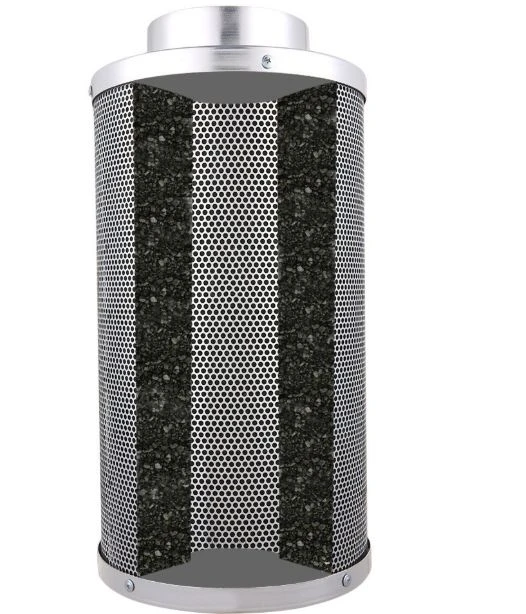
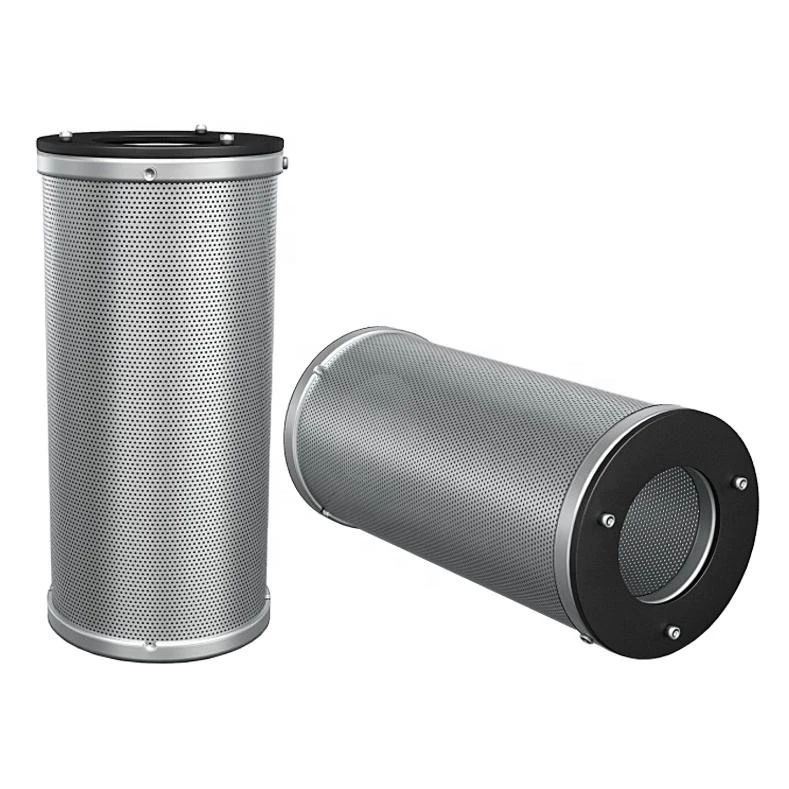
- Curing and Finishing: The extruded or molded blocks undergo a curing phase to set the binder and solidify the structure. Post-curing, the elements are precisely machined (CNC machining) to achieve exact dimensions, end-cap configurations, and surface finishes. This stage ensures compatibility with various filter housings, including specialized metal cartridge filter systems.
- Integration with Support Structures: Depending on the design, the carbon media may be integrated with internal support cores (often polypropylene or stainless steel) and external pre-filtration layers, which could include wire mesh filter cartridge components for particle retention. End caps are thermally bonded or sonically welded for a robust, leak-free seal.
- Quality Control and Testing: Each batch undergoes rigorous testing to meet international standards such as ISO 9001 for quality management, ANSI/NSF Standard 42 and 53 for drinking water applications, and ASTM standards for material properties and performance. Key tests include pressure drop, flow rate, iodine number, CTC (Carbon Tetrachloride) adsorption, and burst pressure.
The typical service life of an activated carbon filter element varies greatly, from 3 to 12 months, depending on the contaminant load, flow rate, and application. Our elements are designed for longevity, providing consistent performance over extended periods.
Target Industries and Advantages:
Our activated carbon filter element products are indispensable across a multitude of sectors, including:
- Petrochemical: For catalyst protection, solvent recovery, and wastewater treatment, offering superior corrosion resistance against aggressive chemicals.
- Metallurgy: Purifying process water and fume treatment systems, contributing to significant energy saving by optimizing plant operations.
- Water Supply & Drainage: Dechlorination, taste and odor removal, and organic contaminant reduction in municipal and industrial water treatment plants.
- Food & Beverage: Color correction, off-flavor removal, and purification of potable water used in production processes.
- Pharmaceutical: High-purity water systems, API purification, and solvent filtration where stringent contaminant removal is critical.
Industry Trends in Activated Carbon Filtration
The market for activated carbon filtration is experiencing dynamic growth, driven by escalating environmental concerns, stricter regulatory frameworks, and increasing industrial demand for high-purity process fluids. Key trends shaping the future of the activated carbon filter element include:
- Enhanced Adsorption Technologies: Development of carbons with designer pore structures and surface chemistries for targeted removal of emerging contaminants like PFAS, micropollutants, and pharmaceutical residues.
- Sustainability and Regeneration: Growing emphasis on sustainable production practices, including the use of renewable raw materials and the development of more efficient regeneration techniques for spent activated carbon, reducing waste and operational costs.
- Integration of Smart Filtration Systems: Adoption of IoT and AI for real-time monitoring of filter performance, predictive maintenance, and optimization of replacement cycles. This includes sensors to track pressure drop, flow rates, and contaminant breakthrough.
- Hybrid Filtration Solutions: Combining activated carbon with other media, such as membrane filtration, ion exchange resins, or catalytic media, to address complex contaminant profiles and achieve multi-stage purification in a single system. This often involves pre-filtration with wire mesh filter cartridge or metal cartridge filter elements to extend the life of the activated carbon.
- Miniaturization and High-Flow Designs: Development of compact filter elements that offer higher flow rates and adsorption capacities within smaller footprints, ideal for space-constrained applications.
These trends highlight a move towards more efficient, intelligent, and environmentally responsible filtration solutions, with the activated carbon filter element remaining a cornerstone technology.
Technical Specifications and Parameters
Understanding the technical specifications of an activated carbon filter element is crucial for proper selection and system integration. Our customized elements are engineered to precise parameters to ensure optimal performance.
Typical Product Specifications:
| Parameter | Value/Range | Unit |
|---|---|---|
| Media Type | Coconut Shell / Coal-Based Activated Carbon | N/A |
| Iodine Adsorption Number | 900 - 1200+ | mg/g |
| CTC Adsorption Capacity | 50 - 70% | % by weight |
| Nominal Micron Rating (Pre-filtration) | 5 - 10 | µm |
| Initial Pressure Drop (at 10 GPM) | < 2 | psi |
| Maximum Operating Temperature | 50 - 80 | °C |
| Maximum Operating Pressure | 80 - 125 | psi |
| Dimensions (Length) | 10", 20", 30", 40" | inches |
| End Cap Configuration | DOE, SOE (222/226), Customized | N/A |
| Materials of Construction | Activated Carbon, Polypropylene, EPDM/Silicone gaskets | N/A |
These parameters are critical for system designers and engineers to evaluate the suitability of a particular activated carbon filter element for their specific process. Our technical team provides detailed data sheets and performance curves to aid in selection.
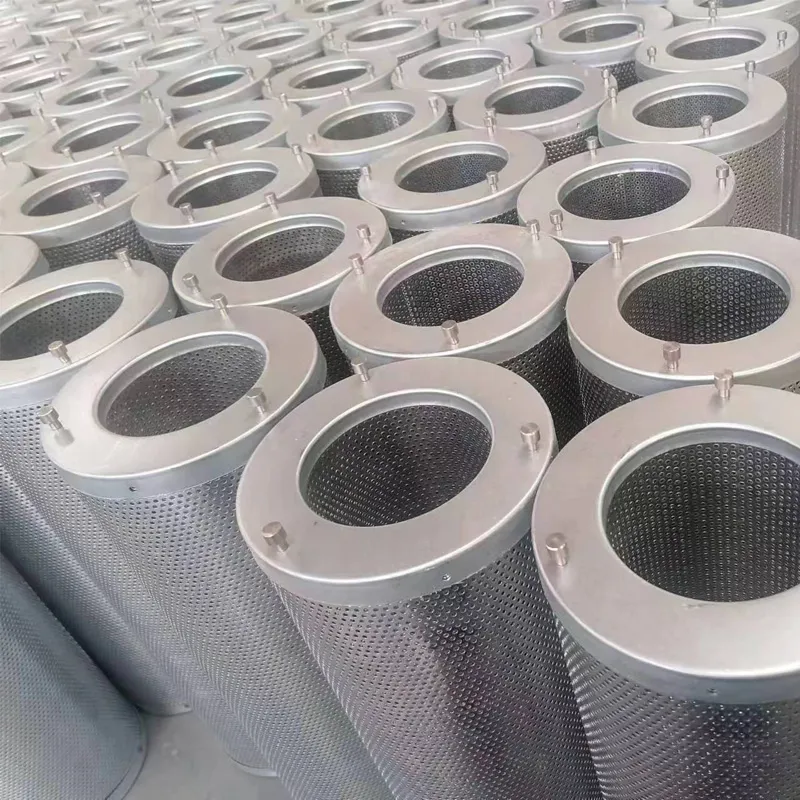
Application Scenarios and Technical Advantages
The versatility of the activated carbon filter element makes it indispensable across an expansive range of industrial applications. Its ability to effectively remove organic compounds, chlorine, and other dissolved impurities significantly enhances process integrity and product quality.
Key Application Scenarios:
- Potable Water Treatment: Municipal and industrial facilities utilize activated carbon for dechlorination, removal of disinfection byproducts (THMs), and improvement of taste and odor, ensuring compliance with drinking water standards.
- Industrial Process Water: Critical for protecting sensitive equipment like RO membranes and ion exchange resins from chlorine and organic fouling, thereby extending the lifespan of costly water purification systems.
- Wastewater Treatment: Used in tertiary treatment stages to remove residual organic pollutants, color, and odor, helping industries meet stringent discharge regulations.
- Chemical & Pharmaceutical Manufacturing: Purification of solvents, APIs, and intermediate chemicals, as well as decolorization and removal of trace impurities, where precise chemical inertness is vital.
- Air and Gas Purification: Removal of volatile organic compounds (VOCs), odors, and toxic gases from industrial exhausts, laboratory air, and compressed air systems, enhancing worker safety and environmental compliance.
- Food & Beverage Industry: Decolorization of sugar syrups, purification of edible oils, removal of off-flavors from spirits, and general process water purification, maintaining product integrity and consumer safety.
Key Technical Advantages:
- High Adsorption Capacity: The vast internal surface area and tailored pore size distribution of our activated carbon ensure maximum efficiency in capturing a broad range of contaminants.
- Broad Spectrum Removal: Effective against organic chemicals, chlorine, chloramines, pesticides, herbicides, solvents, and odors, making it a versatile solution.
- Chemical Inertness: Our selected activated carbon and polymer binders exhibit excellent chemical resistance, ensuring stability and preventing leachables, even in corrosive environments. This is particularly important when considering compatibility with metal cartridge filter housings.
- Consistent Performance: Advanced manufacturing techniques, including precise extrusion and molding, result in uniform flow distribution and prevent channeling, ensuring reliable and consistent filtration throughout the element's lifespan.
- Cost-Effectiveness: By extending the life of downstream equipment and improving product quality, the activated carbon filter element provides a strong return on investment. The inclusion of a pre-filtration layer, often a wire mesh filter cartridge or a spun-bonded layer, further enhances its economic value by preventing premature fouling.
- Customizable Designs: Our factory customization allows for precise tailoring of dimensions, media type, end-cap configurations, and adsorption characteristics to meet the exact needs of any specific industrial process.
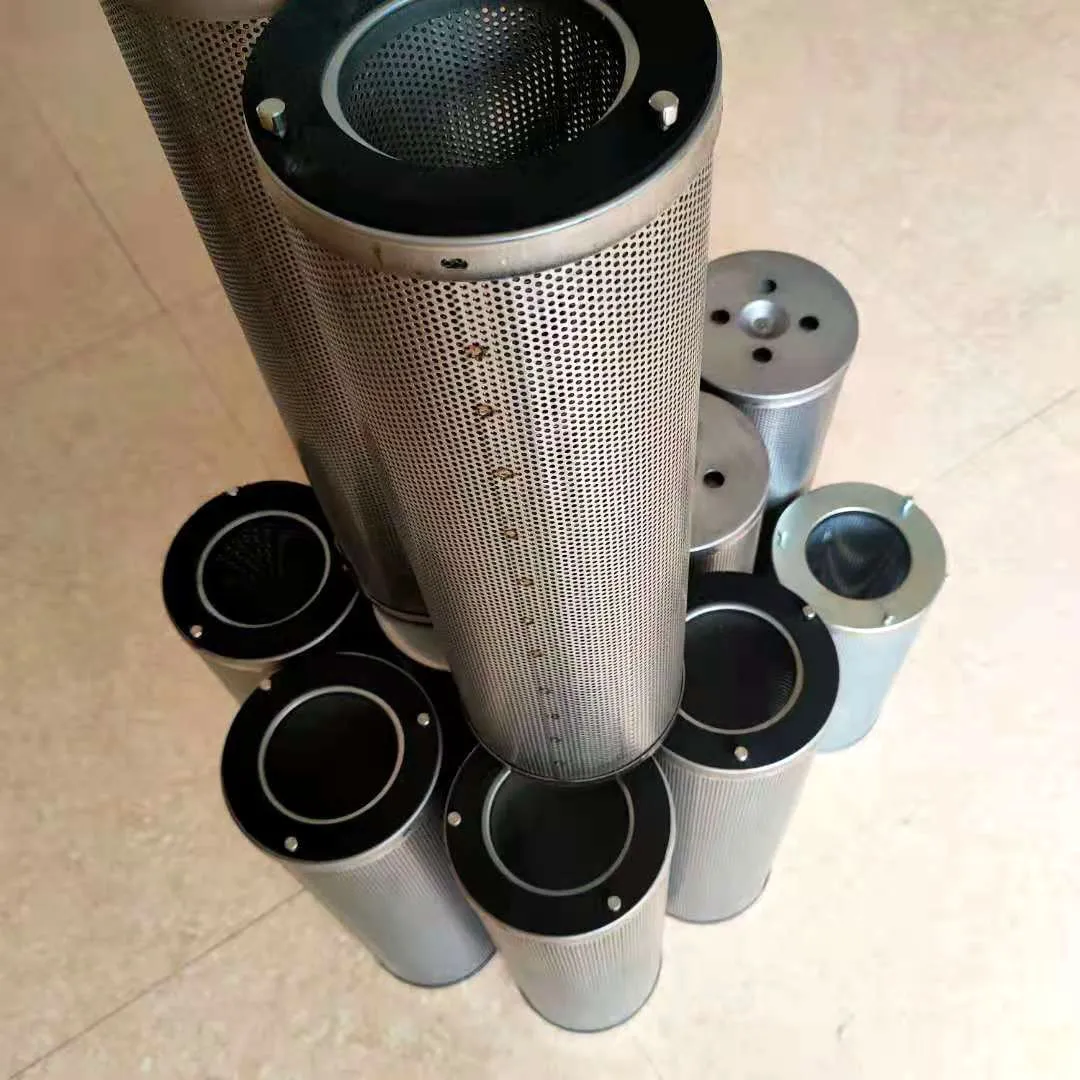
Vendor Comparison and Customized Solutions
Selecting the right supplier for activated carbon filter element is as critical as the technology itself. We differentiate ourselves through a commitment to high-performance, customized solutions, and robust technical support.
Comparative Analysis of Activated Carbon Filter Elements:
| Feature | Standard Commercial Filter | Our Customized High-Performance Element |
|---|---|---|
| Adsorption Capacity (Iodine No.) | 700-900 mg/g | 900-1200+ mg/g (Tailored) |
| Contaminant Removal Spectrum | General organics, chlorine | Broad-spectrum, including specific micropollutants, heavy metals, emerging contaminants |
| Lifespan & Durability | Moderate; susceptible to channeling | Extended (up to 12+ months), high structural integrity due to proprietary extrusion methods |
| Pressure Drop Characteristics | Variable; can increase rapidly | Low initial pressure drop, stable throughout life, optimized for energy efficiency |
| Material Certifications | Often basic or limited | NSF/ANSI 42 & 53, FDA-compliant materials, ISO 9001, comprehensive material traceability |
| Customization Options | Limited to standard sizes and types | Full customization: media blend, size, end caps, core, flow rate, specialized impregnation |
| Technical Support & Expertise | Basic product information | Dedicated engineering support, application specialists, detailed performance modeling |
Our Commitment to Customized Solutions:
We understand that no two industrial filtration challenges are identical. Our core strength lies in providing factory-customized, high-performance activated carbon filter element solutions. This means:
- Tailored Media Blends: Developing specific activated carbon grades, often with catalytic properties or impregnated for targeted contaminant removal (e.g., H₂S, ammonia).
- Precision Dimensions and Form Factors: Manufacturing elements to fit existing metal cartridge filter housings or unique system geometries, minimizing retrofit costs.
- Optimized Flow Dynamics: Designing filter elements to achieve desired flow rates and minimal pressure drop, directly contributing to energy savings and reduced pump load.
- Advanced Pre- and Post-Filtration: Integrating layers of melt-blown polypropylene, spun-bonded media, or wire mesh filter cartridge components to enhance particle retention and extend the activated carbon's life.
Our consultative approach ensures a collaborative design process, resulting in filtration solutions perfectly aligned with your operational goals.
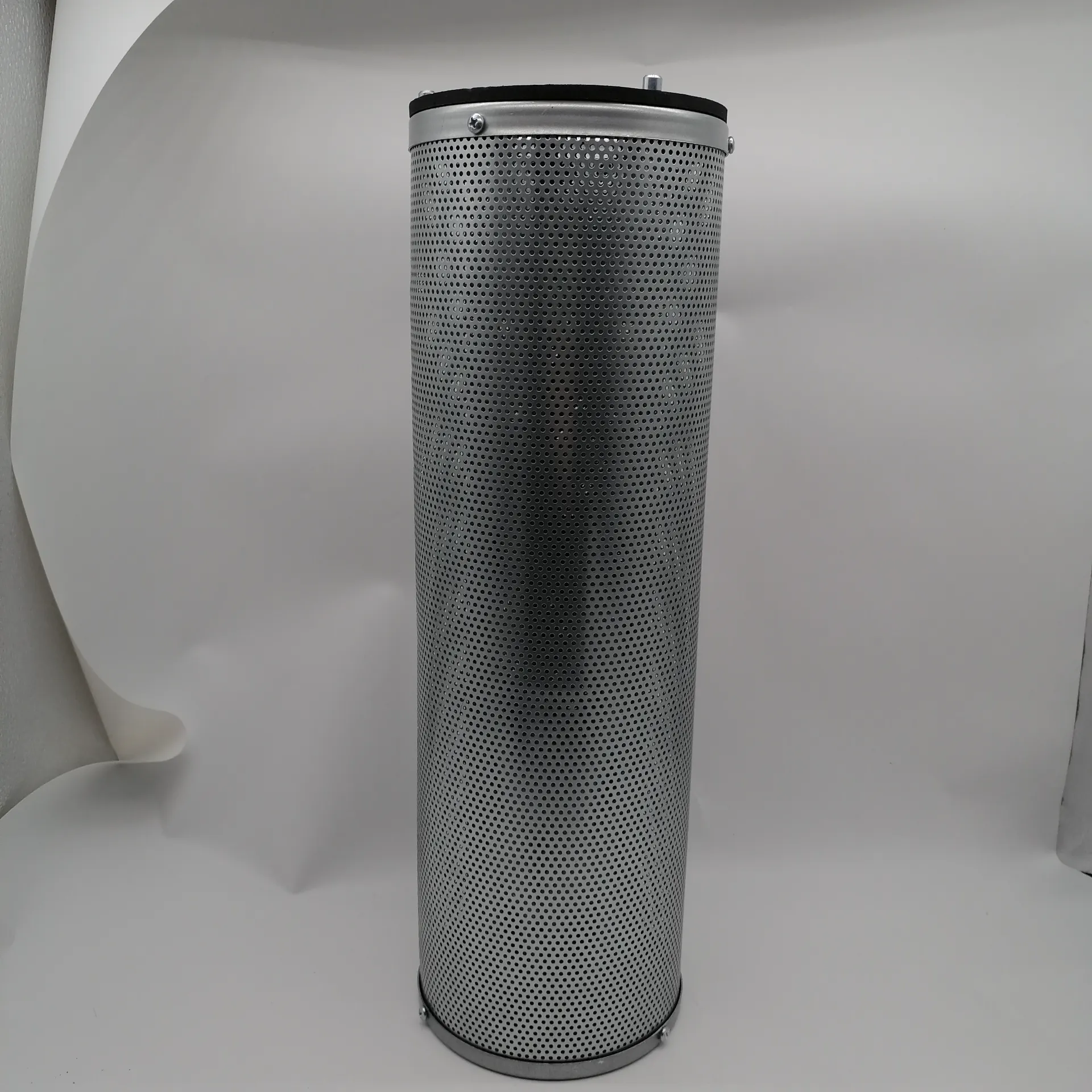
Application Case Studies
Case Study 1: Pharmaceutical Water for Injection (WFI) Pre-treatment
A major pharmaceutical manufacturer faced challenges with residual chlorine and organic impurities impacting their reverse osmosis (RO) membranes, leading to frequent membrane cleaning and reduced lifespan. Our solution involved replacing their standard carbon filters with a custom-engineered activated carbon filter element, featuring a high-activity coconut shell carbon block and an integrated 5-micron pre-filtration layer.
- Result: Chlorine was consistently reduced to undetectable levels (<0.05 ppm), and TOC (Total Organic Carbon) levels dropped by 30%. RO membrane cleaning frequency decreased by 40%, extending membrane life by 18 months and significantly reducing operational costs and downtime.
Case Study 2: Volatile Organic Compound (VOC) Removal in Chemical Plant Exhaust
A chemical processing facility required efficient removal of xylene and toluene from its exhaust air stream to comply with strict environmental regulations. Standard granular activated carbon beds proved cumbersome and inefficient for the high flow rates. We engineered a large-diameter activated carbon filter element with a specialized coal-based activated carbon designed for high VOC adsorption and lower pressure drop. The elements were housed in stainless steel metal cartridge filter vessels.
- Result: Achieved over 98% VOC removal efficiency, consistently meeting emission limits. The integrated system provided a compact solution, reducing the required footprint by 25% compared to granular beds, and extended filter change-out intervals by 3 months.
Case Study 3: Recirculating Cooling Water System Odor Control
An industrial plant experienced persistent sulfide-related odors in their recirculating cooling water system, affecting worker comfort and local air quality. After pre-filtration with a robust wire mesh filter cartridge to remove particulates, a custom activated carbon filter element impregnated with a special catalyst was installed.
- Result: The catalytic activated carbon effectively oxidized hydrogen sulfide and other odor-causing compounds, eliminating noticeable odors within 72 hours of installation. This significantly improved the working environment and community relations, demonstrating superior performance over conventional activated carbon for specific gas phase applications.
Frequently Asked Questions (FAQ)
Q1: How do I determine the correct size and type of activated carbon filter element for my application?
A1: Selection depends on several factors: the specific contaminants to be removed, desired flow rate, water/air quality parameters, system pressure, and existing housing dimensions. Our technical specialists can assist in analyzing your process and recommending the optimal customized activated carbon filter element.
Q2: What is the typical lifespan of an activated carbon filter element?
A2: Lifespan varies significantly based on contaminant load, concentration, flow rate, and usage. For general dechlorination in municipal water, elements may last 6-12 months. In heavily contaminated industrial applications, it could be shorter. Monitoring pressure drop and contaminant breakthrough is recommended to determine replacement timing.
Q3: Can activated carbon filters remove heavy metals or bacteria?
A3: Standard activated carbon is primarily effective at adsorbing organic compounds, chlorine, and some specific inorganic chemicals. While some heavy metals can be reduced, it is not their primary function, and specialized impregnated carbons or other filtration technologies are often required. Activated carbon does not effectively remove bacteria or viruses; it may, in fact, provide a breeding ground if not properly maintained. For microbial reduction, UV sterilization or ultrafiltration is typically used.
Q4: What are the signs that an activated carbon filter element needs to be replaced?
A4: Key indicators include: a return of the original contaminants (e.g., chlorine taste/odor), a significant increase in pressure drop across the filter indicating particulate clogging (often mitigated by pre-filtration using a wire mesh filter cartridge or depth filter), or a decrease in the system's flow rate. Regular monitoring and adherence to a scheduled replacement interval are best practices.
Lead Time, Fulfillment & Warranty Commitments
Lead Time and Fulfillment:
Our standard lead time for stock activated carbon filter element products is typically 2-4 weeks. For factory-customized solutions, the lead time will vary based on complexity, material sourcing, and production queue, generally ranging from 4-8 weeks from finalized design approval. We prioritize efficient production planning and maintain robust supply chain logistics to ensure timely delivery worldwide. Expedited options are available upon request for urgent requirements.
Warranty Commitments:
We stand behind the quality and performance of our high-performance activated carbon filter element products. All filter elements are covered by a standard 12-month limited warranty from the date of shipment, guaranteeing against defects in materials and workmanship under normal operating conditions. This warranty covers structural integrity and manufacturing faults. Performance guarantees related to adsorption capacity and contaminant removal are provided based on specified operating conditions and are detailed in project-specific agreements.
Customer Support Information
Our commitment to our clients extends beyond the sale. We offer comprehensive technical and after-sales support to ensure optimal performance and satisfaction with every activated carbon filter element.
- Dedicated Technical Support: Our team of experienced filtration engineers is available to provide expert guidance on product selection, system design, troubleshooting, and optimization.
- Application Assistance: We offer detailed analysis of your specific application needs to ensure the custom-designed activated carbon filter element integrates seamlessly and performs effectively.
- After-Sales Service: From installation advice to performance monitoring and replacement scheduling, our support team is ready to assist throughout the product lifecycle.
- Contact Channels: Reach us via phone, email, or through our website contact form for prompt and professional assistance. Our global network ensures support no matter your operational location.
We are dedicated to building long-term partnerships through reliable products and unparalleled service.
References
- International Organization for Standardization. ISO 9001:2015 - Quality management systems.
- NSF International. NSF/ANSI 42: Drinking Water Treatment Units – Aesthetic Effects; NSF/ANSI 53: Drinking Water Treatment Units – Health Effects.
- American Society for Testing and Materials. Various ASTM standards for activated carbon testing (e.g., D2866, D3467).
- United States Environmental Protection Agency (EPA). Information on activated carbon for water treatment.
- Tien, C. (2012). Adsorption Calculations and Modeling. Butterworth-Heinemann.
-
High-Efficiency Industrial Dust Filtration & PurificationNewsApr.21,2026
-
High-Efficiency Adsorption for Clean Air & Water PurificationNewsApr.20,2026
-
Air Filter Cartridge: High-Efficiency Filtration for Engine Protection & Clean Air SupplyNewsApr.17,2026
-
Filter Paper: Precision Filtration Media for Industrial & Laboratory ExcellenceNewsApr.16,2026
-
Industrial Guide for Selecting a Stainless Filter CartridgeNewsApr.16,2026
-
Dust Filter Cartridges: High-Efficiency Industrial Filtration for Clean Production & ComplianceNewsApr.15,2026