ONLY Technology (hebei Province) Co., Ltd.

If you are interested in our products, you can choose to leave your information here, and we will be in touch with you shortly.


0%

Table of Contents

Turbine filters are critical components in a wide range of industrial and environmental applications. From power generation and gas processing to air purification and water treatment, these filters play a vital role in ensuring efficient operation, protecting valuable equipment, and maintaining environmental standards. Understanding the principles behind turbine filter technology, their various types, and their appropriate applications is essential for engineers, technicians, and operators across numerous sectors.

The global demand for high-performance turbine filters is continually increasing, driven by factors like stricter emission regulations, a growing need for energy efficiency, and the expansion of industries relying on gas turbine technology. According to a recent report by the International Energy Agency (IEA), gas turbine capacity is projected to increase significantly in the coming decades, underlining the importance of effective filtration solutions. Investment in advanced filtration technologies, including turbine filters, is therefore paramount.

Effectively implemented turbine filter systems contribute directly to reduced operational costs through enhanced equipment lifespan, minimized downtime, and improved energy output. Moreover, their role in reducing harmful emissions aligns with global sustainability goals, making them a key element in responsible industrial practices.
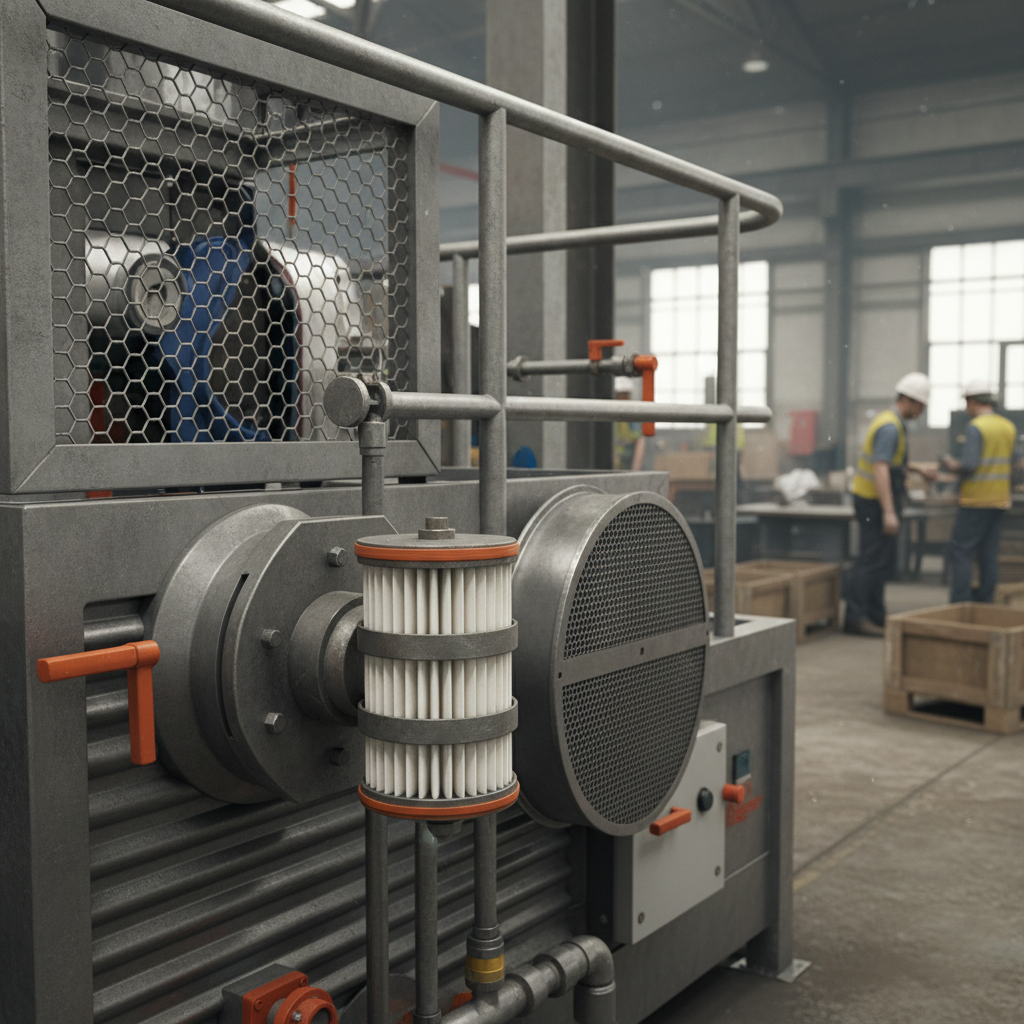
Optimizing Turbine Filter Performance for Enhanced Efficiency and Reliability

The Importance of Turbine Filters

Optimizing Turbine Filter Performance for Enhanced Efficiency and Reliability

Turbine filters aren't merely a supplemental component; they are fundamentally integral to the reliable operation of gas turbines. Contaminants within the intake air – dust, pollen, insects, salt spray, and even moisture – can wreak havoc on turbine blades, leading to erosion, corrosion, and reduced efficiency. Implementing a robust turbine filter system mitigates these risks, protecting costly turbine assets.

Beyond equipment protection, turbine filters directly impact environmental performance. By capturing particulate matter, these filters help reduce harmful emissions, aligning operations with increasingly stringent environmental regulations. The economic benefits of preventative maintenance and reduced emissions often outweigh the initial investment in advanced filtration systems.

Defining Turbine Filter Technology

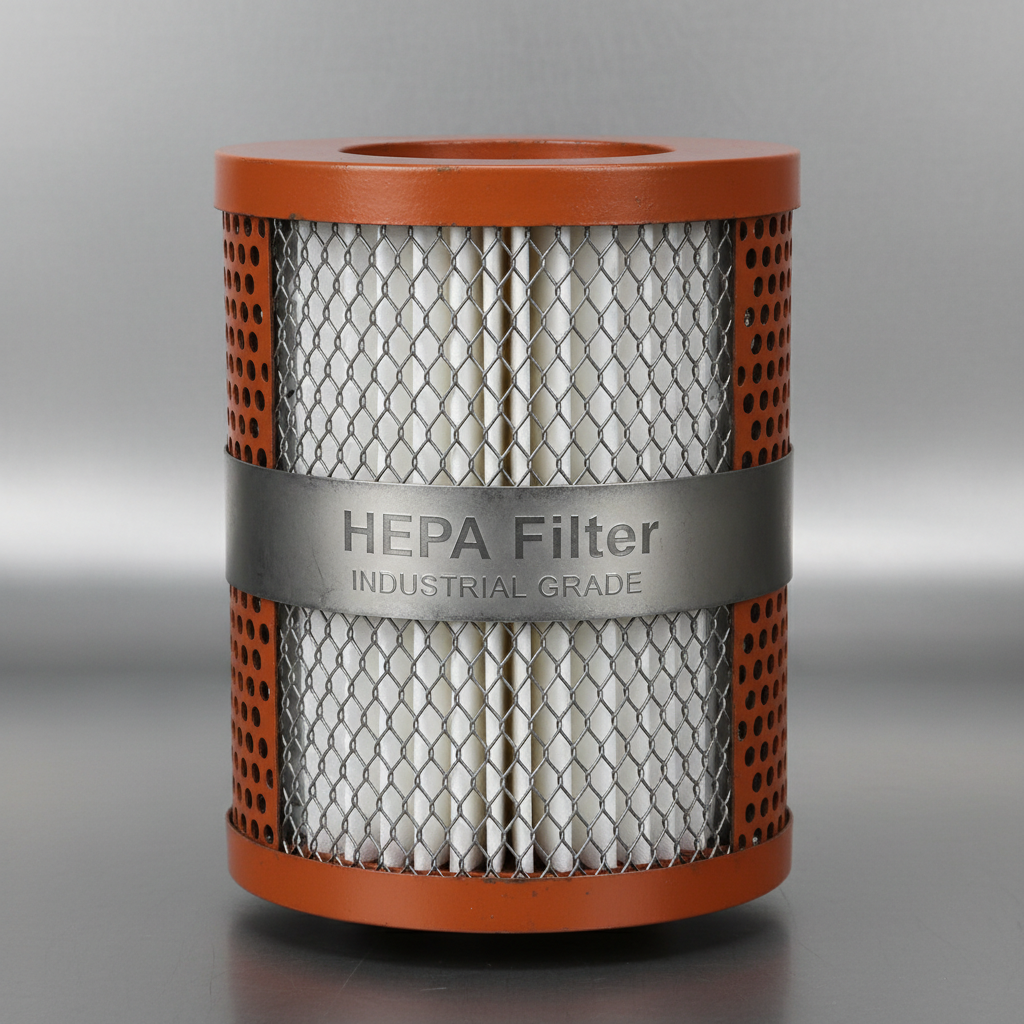
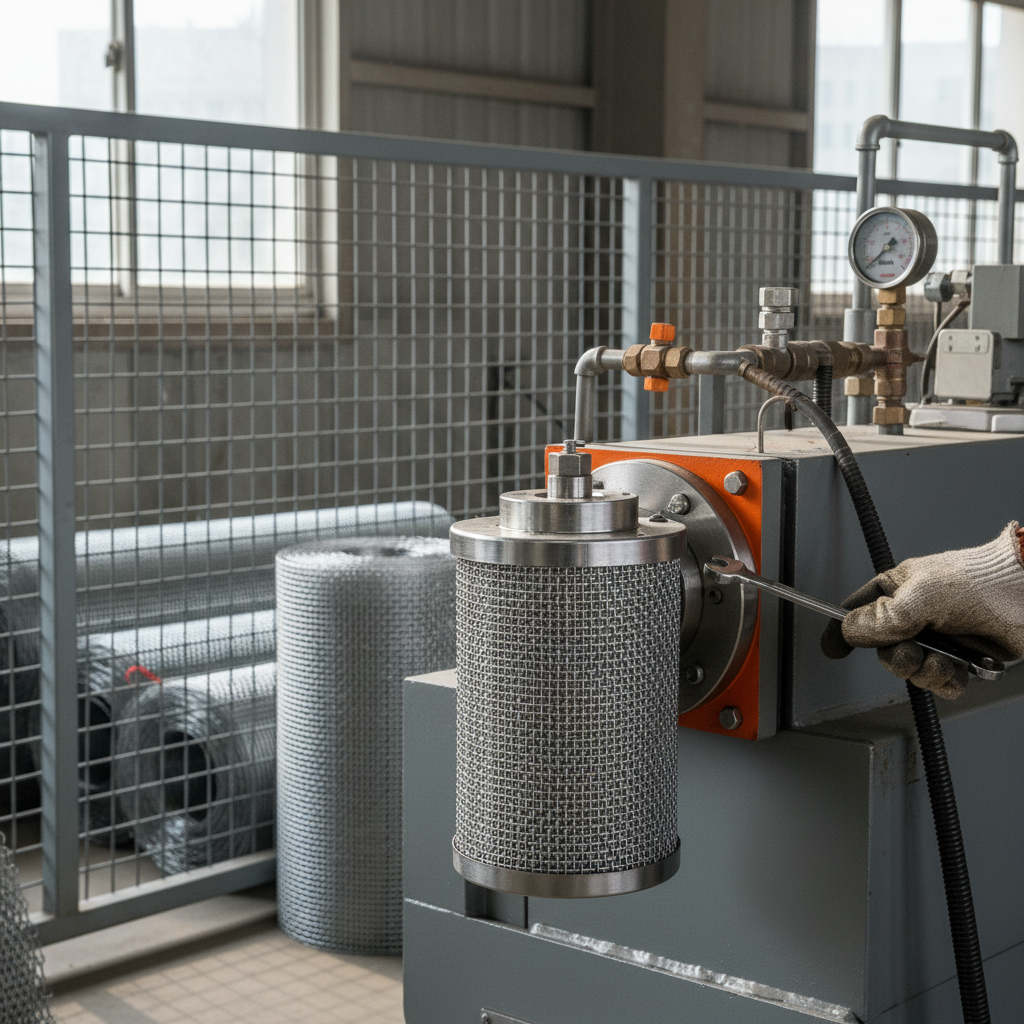
At its core, a turbine filter is designed to remove particulate matter from the air entering a gas turbine. The purpose is to prevent damage to the turbine blades and internal components, ensuring optimal performance and extending the life of the equipment. These filters function by trapping contaminants on a filter medium, allowing clean air to pass through.

The technology underpinning turbine filters has evolved significantly. Early filters utilized simple woven materials, but modern systems incorporate sophisticated designs, including pleatable media, synthetic fibers, and electrostatic technologies. The choice of filter type depends on factors like the size and type of contaminants, airflow rates, and environmental conditions.

Crucially, the effective operation of turbine filters is linked to broader industrial needs. Clean energy production, efficient power generation, and reduced emissions all depend on the reliable performance of these critical components, contributing to both economic and environmental sustainability.

Key Characteristics of Turbine Filters

Durability is paramount in turbine filter design. These filters are often exposed to harsh conditions – high temperatures, corrosive substances, and high airflow rates – requiring robust materials and construction. A long-lasting filter reduces the frequency of replacements, lowering maintenance costs and minimizing downtime.

Efficiency, measured as the filter’s ability to remove contaminants, is another critical characteristic. High-efficiency filters capture a greater percentage of particulate matter, protecting the turbine from damage. Efficiency is often rated using standards like MERV (Minimum Efficiency Reporting Value) or ISO ePM1.

Pressure drop, the resistance to airflow created by the filter, is an important consideration. A lower pressure drop minimizes energy consumption and maintains turbine performance. Optimizing the balance between efficiency and pressure drop is a key engineering challenge in turbine filter design.

Performance Metrics and Efficiency

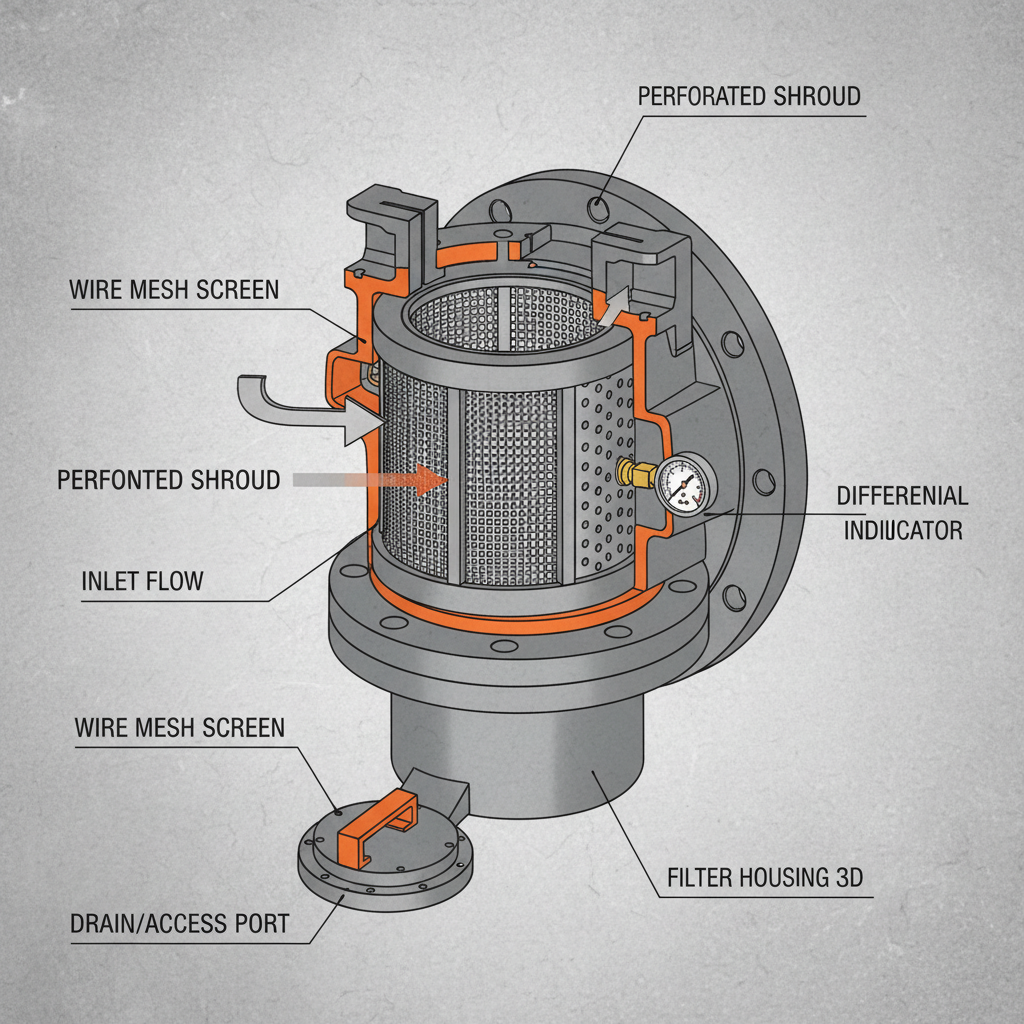
Evaluating the performance of a turbine filter requires considering several key metrics. Initial pressure drop indicates the resistance to airflow when the filter is clean. Differential pressure, the difference in pressure across the filter, increases as the filter loads with contaminants. Monitoring differential pressure is crucial for determining when a filter needs to be replaced.

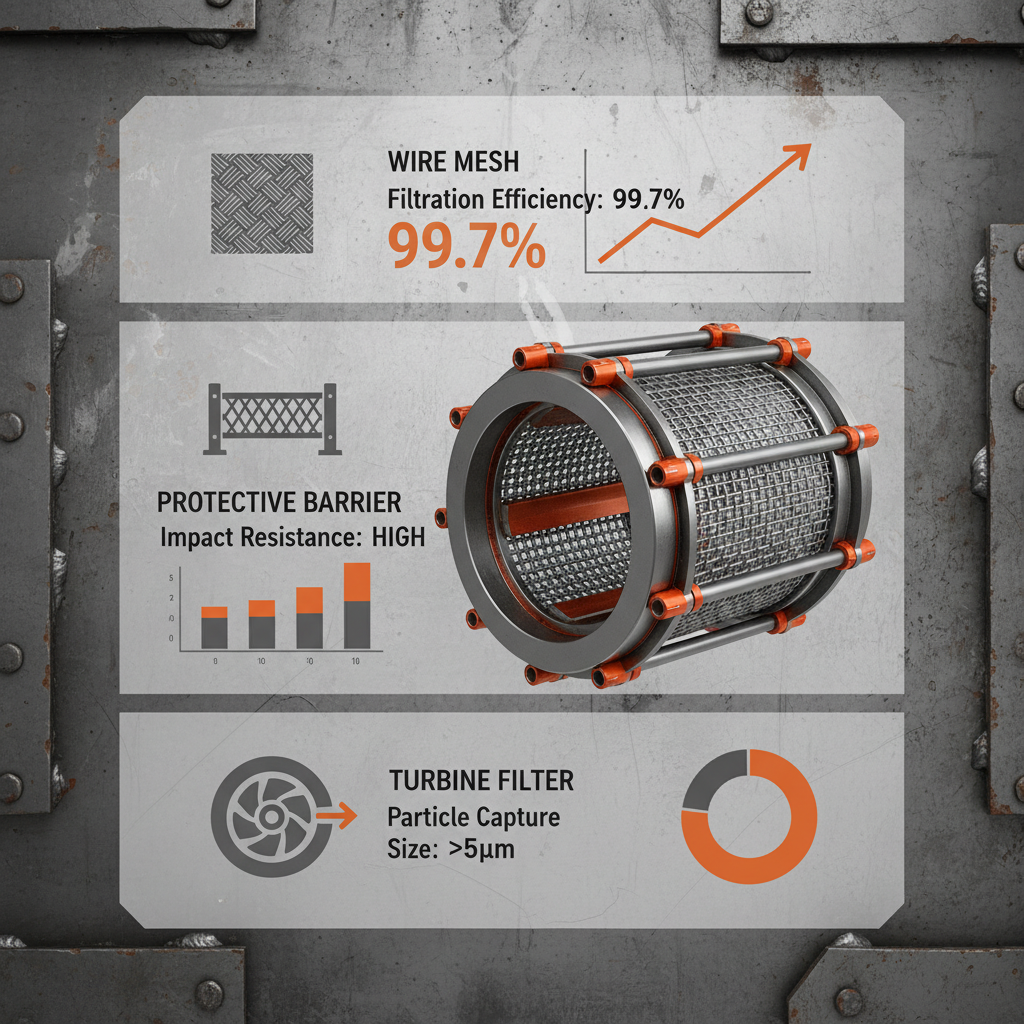
Filtration efficiency is often expressed as a percentage, indicating the amount of particulate matter removed. Filters are categorized based on their efficiency rating, allowing engineers to select the appropriate filter for specific applications. Understanding these metrics is fundamental to optimizing turbine filter performance.

Turbine Filter Performance Comparison


Applications Across Industries

Turbine filters are indispensable in the power generation sector, protecting gas turbines used for electricity production. They are also critical in the oil and gas industry, safeguarding turbines used in compression and pipeline applications.

Beyond these core industries, turbine filter solutions find application in the aviation industry, protecting jet engines from debris, and in the marine sector, where they ensure the reliable operation of turbines powering ships and offshore platforms.

Advantages and Long-Term Value

Investing in high-quality turbine filters yields substantial long-term benefits. Reduced maintenance costs, stemming from minimized turbine repairs and replacements, are a primary advantage. Enhanced turbine efficiency leads to increased power output and lower fuel consumption.

Furthermore, employing effective filtration systems contributes to environmental sustainability by reducing harmful emissions. The reliability and longevity of turbine filters provide peace of mind, safeguarding critical operations and minimizing the risk of costly downtime.

The societal impact is also significant, as robust energy infrastructure supported by reliable turbine filtration contributes to economic stability and improves quality of life.

Future Trends in Turbine Filter Technology

The future of turbine filter technology is focused on several key areas. Nanomaterial-based filters offer the potential for even higher efficiency and lower pressure drop. Smart filters, equipped with sensors and data analytics, can provide real-time monitoring of filter performance and predict maintenance needs.

The integration of artificial intelligence (AI) and machine learning (ML) will play a crucial role in optimizing filter design and operation, enabling predictive maintenance and maximizing turbine performance. Developing more sustainable and environmentally friendly filter materials is also a growing priority.

These innovations are poised to transform the field, enhancing the reliability, efficiency, and sustainability of gas turbine operations globally.

Summary of Turbine Filter Challenges and Proposed Solutions

Challenge Impact on Turbine Filter Performance Proposed Solution Implementation Cost (1-10)
High Dust/Particle Load Reduced Filter Lifespan, Increased Pressure Drop Pre-filtration Systems, Multi-Stage Filters 6
Moisture Contamination Corrosion, Reduced Efficiency Moisture Separators, Hydrophobic Filter Media 7
Filter Clogging Reduced Airflow, Increased Fuel Consumption Automated Cleaning Systems, Pulse-Jet Filters 8
Pressure Drop Optimization Reduced Turbine Output, Increased Energy Costs Advanced Filter Geometry, Optimized Media Selection 5
Lack of Real-time Monitoring Unscheduled Downtime, Inefficient Maintenance Sensor Integration, Remote Monitoring Systems 9
Material Degradation Filter Failure, Contaminant Bypass Corrosion-Resistant Materials, UV Stabilization 4

FAQS

What is the typical lifespan of a turbine filter?

The lifespan of a turbine filter is highly variable, depending on factors such as the operating environment, the type of contaminants present, and the filter's quality. Generally, filters require replacement every 6-12 months, but regular monitoring of differential pressure is crucial for determining the optimal replacement schedule. Ignoring this can lead to reduced turbine efficiency and potential damage. Turbine filter replacement should be scheduled based on performance data, not solely on a time-based interval.

How do I select the right turbine filter for my application?

Selecting the right turbine filter requires careful consideration of several factors. These include the type of turbine, the operating environment (dusty, marine, etc.), the size and type of contaminants expected, and the desired filtration efficiency. Consulting with a filtration specialist and reviewing the turbine manufacturer's recommendations is essential. Proper filter selection ensures optimal performance and protects your investment.

What is differential pressure and why is it important?

Differential pressure is the difference in air pressure across the turbine filter. As the filter loads with contaminants, the pressure drop increases. Monitoring differential pressure is crucial because a high pressure drop indicates a clogged filter, reducing airflow and turbine efficiency. Exceeding the manufacturer’s recommended maximum differential pressure can damage the turbine. Regular monitoring allows for timely filter replacement and optimal performance.

How can I minimize filter clogging and extend filter life?

Several strategies can help minimize filter clogging and extend filter life. Implementing pre-filtration systems to remove larger particles can reduce the load on the main turbine filter. Regular inspection and cleaning of the intake area can prevent the accumulation of debris. Consider using filters with advanced media designed to capture a wider range of contaminants. Optimized air intake design can also play a role.

What are the environmental benefits of using high-efficiency turbine filters?

High-efficiency turbine filters contribute to environmental sustainability by reducing harmful particulate matter emissions. By capturing these pollutants, they improve air quality and minimize the environmental impact of gas turbine operations. Efficient filtration also optimizes turbine performance, leading to reduced fuel consumption and lower greenhouse gas emissions. Investing in advanced filtration is a responsible environmental practice.

Are there any new technologies emerging in turbine filter design?

Yes, several exciting technologies are emerging in turbine filter design. Nanomaterial-based filters offer significantly higher efficiency and lower pressure drop. Smart filters, equipped with sensors and data analytics, provide real-time monitoring of filter performance. AI and machine learning are being used to optimize filter design and predict maintenance needs. These innovations promise to revolutionize the field and enhance turbine performance.

Conclusion

In conclusion, turbine filters are indispensable components in maintaining the efficiency, reliability, and environmental responsibility of gas turbine operations across a broad spectrum of industries. From power generation to aviation and marine applications, their ability to protect critical equipment and reduce harmful emissions is paramount. Understanding the key characteristics, performance metrics, and emerging trends in turbine filter technology is essential for engineers, technicians, and operators alike.

Looking ahead, continued innovation in filter materials, sensor integration, and data analytics will further enhance the performance and sustainability of these critical systems. We encourage you to explore advanced turbine filter solutions to optimize your operations, reduce costs, and contribute to a cleaner, more sustainable future. Visit our website today to learn more: www.onlyfiltercartridge.com

Michael Brown

Michael Brown

Michael Brown is a Product Development Engineer at ONLY TECHNOLOGY, focusing on advancements in filter media technology. He's responsible for researching and integrating new materials and designs into our dust removal filter cartridges. Michael holds a Master's degree in Materials Science and possesses a deep understanding of filtration mechanics and
Previous Elevating Filtration Solutions for a Cleaner Future
Next Comprehensive Guide to Gas Turbine Air Filter Manufacturers and Solutions
Copyright © 2026 ONLY Technology (hebei Province) Co., Ltd. All Rights Reserved. Sitemap | Privacy Policy | Top Blog | Global Service