
 Email:admin@only-filter.com
 Tel:
+8615930870079
Tel:
+8615930870079
Sep . 29, 2025 10:30 Back to list
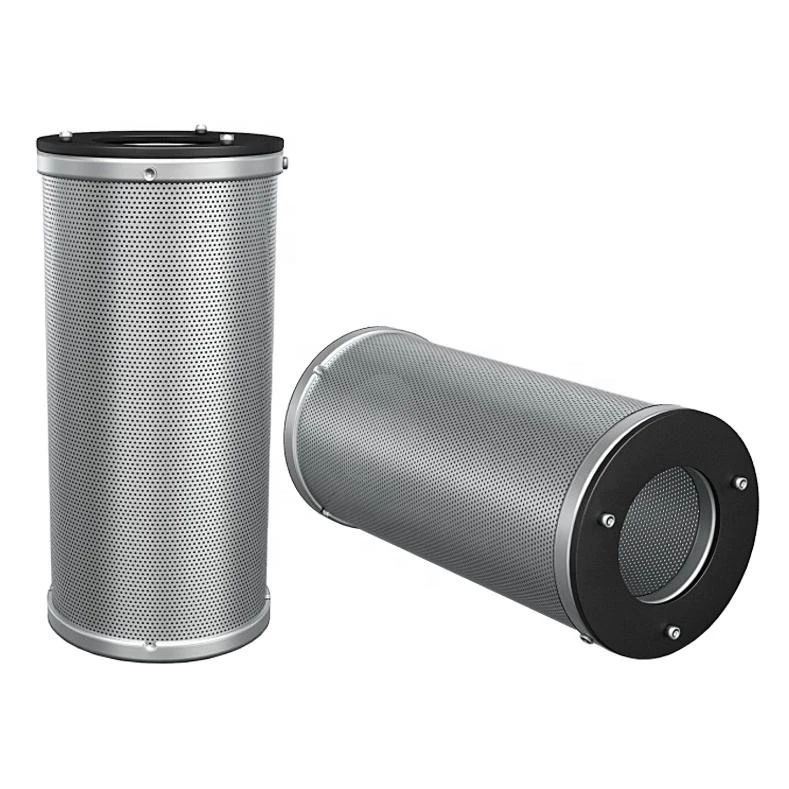
High-Efficiency Activated Carbon Filter Elements for Pure Air
Understanding the Activated Carbon Filter Element: A Core Technology for Industrial Purification
In the intricate landscape of industrial processing and environmental management, the demand for highly efficient purification technologies is paramount. At the forefront of this critical need stands the activated carbon filter element. This essential component leverages the exceptional adsorptive properties of activated carbon to remove a wide spectrum of contaminants from liquids and gases, ensuring product purity, process efficiency, and regulatory compliance across diverse sectors. From safeguarding delicate electronic components to ensuring potable water, its role is indispensable. This comprehensive guide delves into its manufacturing, technical specifications, applications, and strategic advantages, providing B2B decision-makers with the insights needed to optimize their filtration strategies.
The Rigorous Manufacturing Process of an Activated Carbon Filter Element
The production of a high-performance activated carbon filter element is a sophisticated multi-stage process, meticulously engineered to ensure consistent quality and optimal adsorptive capacity. The integrity of each stage directly impacts the filter's service life, efficiency, and reliability in demanding industrial environments.
1. Raw Material Sourcing & Activation
- Carbon Precursors: High-grade coconut shell, wood, or coal are selected for their excellent pore structure potential. Coconut shell carbon, for instance, is highly favored for its microporosity, ideal for removing smaller organic molecules.
- Carbonization: The raw material is heated in an inert atmosphere (pyrolysis) to remove volatile components, forming a carbonaceous char.
- Activation: The char is then exposed to oxidizing gases (steam or carbon dioxide) at high temperatures (700-1100°C) to develop a vast network of pores, significantly increasing its surface area. This process is crucial for achieving high adsorption capacity.
2. Filter Media Formation
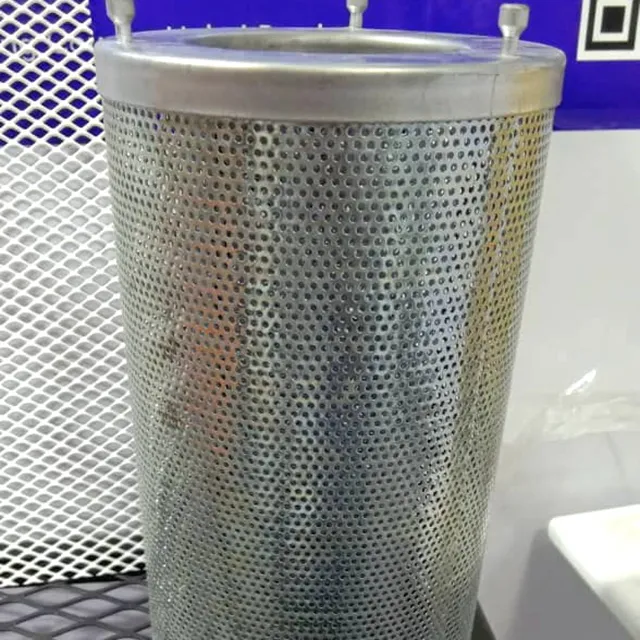
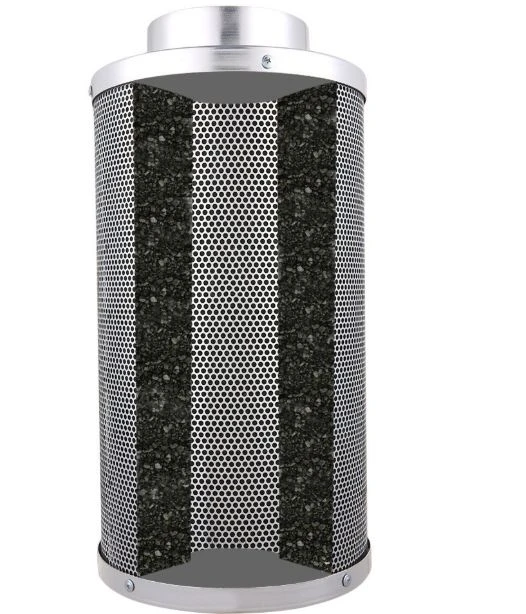
- Granular Activated Carbon (GAC) Filling: For many cartridges, activated carbon granules are packed into a permeable housing. This method offers excellent flow characteristics but can sometimes lead to channeling if not properly designed.
- Activated Carbon Block Extrusion: Fine activated carbon powder is mixed with a food-grade polymer binder (e.g., polyethylene) and extruded under high pressure and temperature to form a solid, porous block. This creates a highly uniform pore structure, preventing channeling and improving filtration efficiency, often acting as both a particulate filter and an adsorptive medium.
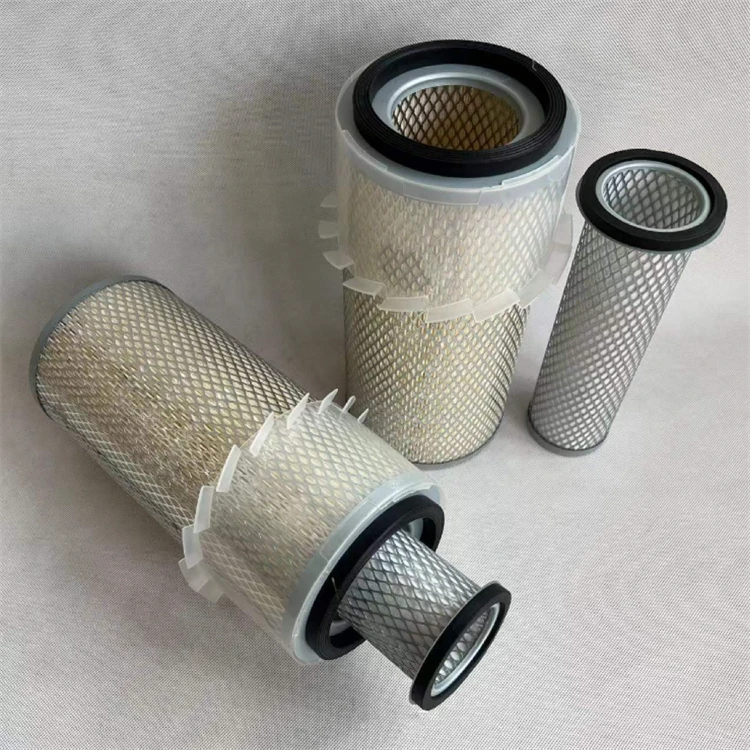
- Impregnated Media: Activated carbon can be impregnated into non-woven fabrics or cellulose media, creating pleated or roll-form filters, commonly seen in activated carbon air filter cartridge designs.
3. Component Assembly & Sealing
- Housing & End Caps: The carbon media (block, GAC, or pleated) is encased within robust, chemically resistant materials such as polypropylene, stainless steel, or other application-specific polymers. End caps, often made from polypropylene or nylon, are thermally bonded or ultrasonically welded to ensure a secure, leak-free seal.
- Gaskets & Seals: High-quality EPDM, silicone, or Viton gaskets are integrated to prevent bypass filtration, ensuring all fluid passes through the carbon media.
- Support Cores: A central core, typically made of polypropylene or stainless steel, provides structural integrity to the filter element, preventing collapse under differential pressure.
4. Quality Control & Testing Standards
Rigorous testing is applied at every stage to ensure the filter element meets stringent industry standards:
- Adsorption Capacity: Measured by Iodine Number (for liquid phase contaminants) or Butane Working Capacity (for gas phase), indicating the carbon's ability to adsorb a specific amount of target contaminant.
- Pore Size Distribution: Nitrogen adsorption/desorption isotherms are used to characterize micropores, mesopores, and macropores, which dictate removal efficiency for different molecular sizes.
- Flow Rate & Pressure Drop: Tested to ensure optimal performance within specified operating parameters.
- Structural Integrity: Burst pressure tests, vibration tests, and thermal cycling ensure durability under operational stress.
- Material Compatibility: Components are tested against target fluids to ensure no leaching or degradation.
- Compliance: Products adhere to international standards such as ISO 9001 (Quality Management), NSF/ANSI standards (e.g., 42, 53 for drinking water), and sometimes FDA compliance for food & beverage or pharmaceutical applications.
Target Industries & Advantages:
The robust design and comprehensive testing ensure that the activated carbon filter element delivers critical advantages across its target industries:
- Petrochemical & Chemical Processing: Essential for removing organic contaminants, solvents, and odors from process streams, wastewater, and ventilation systems. The corrosion resistance of high-grade polypropylene or stainless steel housings is vital in aggressive chemical environments.
- Metallurgy: Used in acid mist removal, fume scrubbing, and electrolyte purification. Offers energy saving by preventing equipment fouling and reducing the need for intensive chemical treatment.
- Water Supply & Drainage: Critical for municipal and industrial water treatment to remove chlorine, chloramines, taste, odor, and dissolved organic compounds, improving water quality and extending the life of downstream RO membranes.
- HVAC & Air Purification: Activated carbon air filter cartridge systems are crucial for removing volatile organic compounds (VOCs), odors, and toxic gases from industrial air streams and commercial HVAC systems, ensuring a safe and comfortable environment.
- Pharmaceutical & Food & Beverage: Utilized for decolorization, purification of ingredients, and removal of trace impurities to meet stringent regulatory standards, where FDA-compliant materials are often required.
With typical service lives ranging from 3 to 12 months, depending on contaminant loading and flow rates, these elements represent a cost-effective, high-performance solution for diverse industrial purification challenges.
Key Industry Trends Driving Activated Carbon Filter Demand
The market for the activated carbon filter element is experiencing robust growth, propelled by several interconnected global trends:
- Stricter Environmental Regulations: Governments worldwide are imposing more stringent limits on industrial emissions and effluent discharge. This mandates advanced filtration solutions like activated carbon to comply with air quality standards (e.g., VOC reduction) and wastewater treatment regulations.
- Rising Demand for Clean Water: Global industrialization and population growth escalate the need for safe, potable water and efficient industrial water recycling. Activated carbon is essential for removing micropollutants, pharmaceuticals, pesticides, and disinfection byproducts (DBPs).
- Focus on Indoor Air Quality (IAQ): Awareness of the health impacts of indoor air pollutants (VOCs from building materials, cleaning agents) is driving demand for advanced HVAC filtration, including activated carbon air filter cartridge solutions, in commercial and industrial settings.
- Technological Advancements in Carbon Production: Innovations in carbon activation techniques are leading to carbons with enhanced adsorption capabilities, tailored pore structures, and longer service lives, improving the overall performance and cost-effectiveness of filter elements.
- Growth in Specialized Industries: Expansion in sectors such as semiconductors, pharmaceuticals, and food & beverage, which require ultra-pure process streams and controlled environments, directly increases the need for high-purity filtration, including specialized activated carbon cartridge designs.
- Sustainability and Resource Recovery: Activated carbon plays a role in solvent recovery systems, odor control in waste treatment, and removal of specific contaminants for resource valorization, aligning with circular economy principles.
These trends collectively underscore the critical and evolving role of activated carbon filtration in maintaining industrial health, environmental integrity, and public well-being.
Technical Specifications and Performance Parameters
Selecting the appropriate activated carbon filter element hinges on a thorough understanding of its technical specifications and how they align with specific application requirements. These parameters define the filter's performance envelope.
Typical Product Specification Table for Activated Carbon Filter Elements
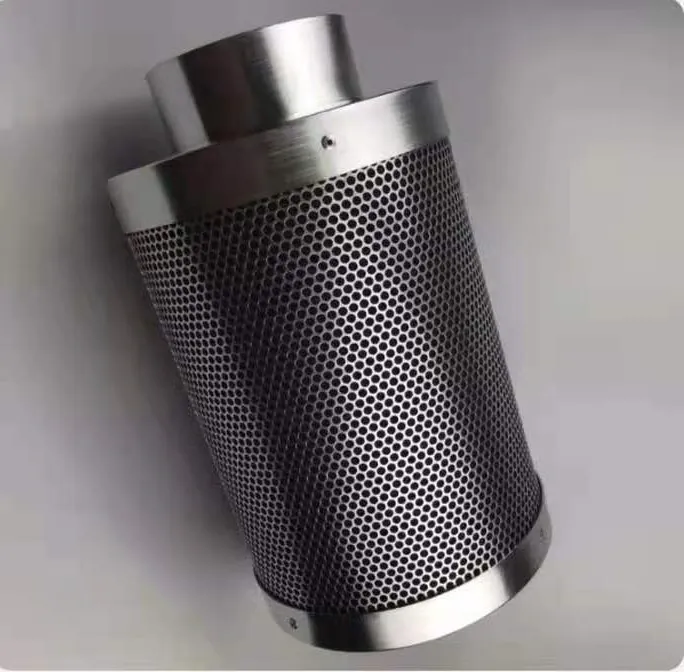
Understanding Adsorption Capacity:
The efficacy of an activated carbon cartridge is primarily dictated by its adsorption capacity. This refers to the maximum amount of a specific contaminant that the carbon can remove before saturation. High iodine numbers typically indicate strong adsorption for smaller organic molecules, common in water treatment for chlorine and taste/odor removal. For gas phase applications, the Butane Working Capacity (BWC) is a more relevant metric, reflecting the ability to capture larger organic vapors. Factors like surface area, pore size distribution, and the chemical nature of the carbon and adsorbate all play a role. Manufacturers often provide usage curves detailing expected service life under specific contaminant loads and flow rates.
Diverse Application Scenarios of Activated Carbon Filters
The versatility of the activated carbon filter element makes it indispensable across an expansive range of industrial applications, each with unique purification demands.
- Industrial Wastewater Treatment: Removal of residual organic compounds, dyes, heavy metals (via adsorption and ion exchange), and chlorinated solvents from industrial effluent before discharge or recycling.
- Chemical & Pharmaceutical Processing: Decolorization of chemical intermediates, purification of APIs (Active Pharmaceutical Ingredients), removal of trace impurities from solvents, and odor control in chemical storage areas. Critical for maintaining product quality and meeting regulatory guidelines (e.g., cGMP).
- Food & Beverage Industry: Used for decolorization of sugar syrups, purification of edible oils, removal of off-flavors from beverages (e.g., brewing, soft drinks), and polishing of process water to prevent product contamination.
- Power Generation: Condensate polishing in power plants to remove oil and other organic impurities, protecting boilers and turbines. Also used in gas purification for fuel cells and emissions control.
- HVAC and Air Purification Systems: Activated carbon air filter cartridge units are deployed in cleanrooms, laboratories, commercial buildings, and industrial facilities to remove VOCs, odors, acid gases (e.g., H2S, SO2), and other atmospheric contaminants, vital for worker safety and process integrity.
- Semiconductor & Electronics Manufacturing: Ultra-pure water (UPW) polishing to remove trace organic contaminants that can degrade semiconductor yields, and air purification to prevent molecular contamination in cleanrooms.
- Mining & Metallurgy: Gold recovery (carbon-in-pulp/leach process), purification of electroplating solutions, and removal of acid mists or noxious gases from ventilation systems.
- Oil & Gas Industry: Removal of H2S and mercaptans from natural gas streams, oil and condensate polishing, and treatment of produced water.
Each application demands specific carbon types, pore structures, and filter designs to maximize efficiency and cost-effectiveness, emphasizing the need for expert consultation and customized solutions.
Technical Advantages and Performance Benefits
The inherent properties and advanced engineering of the activated carbon filter element deliver a compelling suite of technical advantages that translate into significant operational benefits for industrial users.
- Broad-Spectrum Contaminant Removal: Activated carbon is highly effective at adsorbing a wide array of organic compounds, including VOCs, pesticides, herbicides, industrial solvents, chlorine, chloramines, and various taste/odor-causing substances. Its versatility reduces the need for multiple specialized treatment stages.
- High Adsorption Capacity: Due to its extremely high internal surface area (typically 500-1500 m²/g), activated carbon can selectively trap and hold a substantial volume of contaminants, leading to longer service intervals and reduced replacement frequency for the activated carbon cartridge.
- Chemical Stability: Activated carbon is robust across a wide pH range and resistant to many chemicals, making it suitable for aggressive industrial environments where other filtration media might degrade.
- Low Pressure Drop (Optimized Designs): Advanced carbon block formulations and optimized flow paths minimize pressure drop across the filter, leading to reduced energy consumption for pumping and improved system efficiency.
- Reliable Particulate Filtration (Carbon Blocks): Carbon block filters offer dual functionality, effectively removing suspended solids and sediment down to very fine micron ratings, often eliminating the need for a separate pre-filter for specific applications.
- Cost-Effectiveness over Lifetime: While initial investment might vary, the extended service life, high removal efficiency, and reduction in downtime often result in a lower total cost of ownership compared to alternative or less effective purification methods.
- Environmental Compliance & Safety: By effectively removing harmful contaminants, these filters help industries meet stringent environmental regulations, protect worker health by improving air quality, and prevent equipment damage from impurities.
- Scalability and Customization: Available in various sizes, configurations, and media types, the activated carbon filter element can be easily scaled for different flow rates and integrated into existing systems, or custom-engineered for specific contaminant challenges.
These advantages collectively position activated carbon filtration as a cornerstone technology for critical industrial purification processes, offering both performance and economic benefits.
Vendor Comparison: Key Criteria for Selecting Your Partner
Choosing the right supplier for an activated carbon filter element is a strategic decision that impacts operational efficiency, compliance, and profitability. B2B buyers should evaluate vendors based on comprehensive criteria beyond just initial pricing.
Essential Vendor Evaluation Criteria:
By meticulously evaluating these criteria, B2B procurement teams can forge strong partnerships with suppliers who consistently provide high-quality, reliable, and cost-effective activated carbon filter element solutions, thereby ensuring the longevity and efficiency of their purification systems.
Customized Solutions for Unique Industrial Demands
While standard activated carbon filter element products address a broad range of applications, many industrial processes present unique challenges that necessitate tailored filtration solutions. Customization ensures optimal performance, seamless integration, and maximum cost-efficiency for specific contaminant profiles and operational constraints.
Key Areas of Customization:
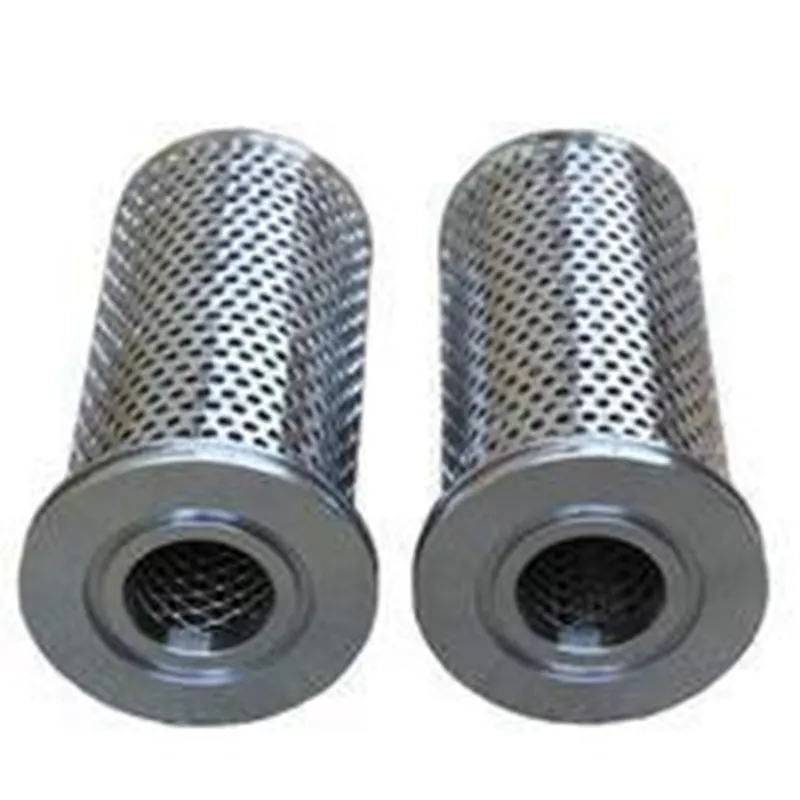
- Carbon Media Formulation: Tailoring the activated carbon type (coconut shell, wood, coal), iodine number, or even specific chemical impregnations (e.g., for H2S, ammonia, mercury removal) to target specific contaminants with enhanced selectivity and capacity. This is critical for optimizing an activated carbon cartridge for a unique chemical challenge.
- Physical Dimensions & Flow Characteristics: Customizing filter length, diameter, and core design to fit existing housing units or to achieve specific flow rates and pressure drop requirements without extensive system modifications.
- End Cap & Gasket Materials: Selecting materials (e.g., Viton for high-temperature/chemical resistance, FDA-compliant materials for food/pharma) that are compatible with the process fluid and operating conditions, preventing chemical attack or leaching.
- Housing & Support Structure: Designing the outer casing and internal support core with materials like specialized plastics, reinforced polymers, or stainless steel for extreme temperatures, pressures, or corrosive environments.
- Hybrid Filter Designs: Integrating activated carbon with other filtration media (e.g., pleated sediment filters, melt-blown media, ion-exchange resins) into a single activated carbon filter element for multi-stage purification, addressing both particulate and chemical contamination simultaneously.
- Specific Performance Targets: Engineering filters to meet precise removal efficiencies for particular contaminants, often validated through pilot testing and detailed analytical reports.
Engaging with a manufacturer capable of comprehensive customization ensures that the filtration solution is not just a component, but a perfectly integrated asset, delivering superior performance and long-term value. This collaborative approach minimizes risk and maximizes the return on investment in critical purification infrastructure.
Application Case Studies: Activated Carbon Filter Element in Action
Real-world scenarios demonstrate the tangible impact of the activated carbon filter element in solving complex industrial purification challenges.
Case Study 1: VOC Abatement in a Chemical Manufacturing Plant
- Challenge: A specialty chemical manufacturer faced regulatory pressure due to high levels of volatile organic compound (VOC) emissions from their solvent recovery process, causing odor complaints and potential health risks.
- Solution: Installation of a large-scale air purification system incorporating custom-designed activated carbon air filter cartridge units. These units featured high-activity, coal-based activated carbon impregnated for enhanced removal of specific halogenated and aromatic VOCs.
- Result: VOC emissions were reduced by over 98%, bringing the plant into full compliance with stringent air quality regulations. Odor complaints ceased, and the work environment significantly improved. The extended service life of the specialized carbon minimized maintenance interventions.
Case Study 2: Ultrapure Water for Semiconductor Fabrication
- Challenge: A semiconductor fabrication plant required water with ultra-low total organic carbon (TOC) levels for their critical wafer rinsing processes. Standard purification methods struggled to consistently meet the sub-ppb TOC requirements.
- Solution: Implementation of a polishing loop utilizing high-purity, acid-washed activated carbon cartridge elements within the ultrapure water system. These cartridges were specifically designed with low-leaching materials to prevent any particulate shedding.
- Result: Consistent TOC levels below 5 ppb were achieved, significantly reducing defects in sensitive manufacturing steps and improving overall yield for microchip production. The robust design ensured integrity and long life in the demanding UPW environment.
Case Study 3: Chlorine and Taste/Odor Removal in a Food & Beverage Facility
- Challenge: A beverage bottling plant experienced inconsistent product quality due to varying chlorine levels and occasional off-tastes in their municipal water supply, affecting flavor profiles.
- Solution: Integration of an array of large-capacity activated carbon filter element systems at the point of entry for process water. These systems used NSF/ANSI 42 and 53 certified carbon block filters known for their superior chlorine and chloramine reduction capabilities.
- Result: Process water was consistently purified, completely free of chlorine and undesirable tastes/odors. This led to a dramatic improvement in product consistency and quality, eliminating batch rejections related to water impurities and enhancing brand reputation.
Frequently Asked Questions (FAQ) about Activated Carbon Filter Elements
Q1: How do I determine the correct activated carbon filter element for my application?
A1: Selection depends on the specific contaminants, their concentration, required flow rate, operating temperature/pressure, and desired output purity. It's crucial to analyze your process fluid or air stream. Our technical team can assist with a detailed assessment and recommendation, matching the carbon type (e.g., coconut shell for micropollutants, coal for industrial gas), iodine number, and filter configuration to your precise needs.
Q2: What is the typical service life of an activated carbon cartridge?
A2: Service life varies significantly based on contaminant load, flow rate, and filter size. Generally, for water applications, a activated carbon filter element can last from 3 to 12 months. In air filtration, it can range from a few weeks to over a year. Monitoring pressure differential across the filter and conducting periodic effluent quality tests are good indicators for replacement.
Q3: Can activated carbon filters remove bacteria or viruses?
A3: While some carbon block filters may offer very fine particulate filtration down to 0.5 microns (which can remove some larger cysts), activated carbon primarily works via adsorption for chemical contaminants. It is not designed to remove bacteria or viruses effectively on its own. For microbiological removal, additional filtration stages like ultrafiltration, nanofiltration, or UV sterilization are required.
Q4: Are activated carbon filters sustainable? Can they be reactivated?
A4: Yes, activated carbon can be a sustainable choice. Many industrial-grade granular activated carbon (GAC) systems allow for thermal reactivation, where saturated carbon is heated to high temperatures to burn off adsorbed contaminants, restoring its adsorptive capacity. This significantly extends the lifecycle of the carbon. However, carbon block filters are typically not reactivated due to their binder content and structural form, and are generally disposed of or recycled. We offer options for both virgin and reactivatable carbon solutions.
Logistics & Support: Lead Time, Warranty, and After-Sales Service
Lead Time & Fulfillment:
We understand the critical nature of timely supply for industrial operations. Our standard lead time for common activated carbon filter element configurations ranges from 2-4 weeks, depending on order volume and current production schedules. For customized orders, lead times will be communicated upon detailed specification confirmation, typically ranging from 4-8 weeks. We maintain a robust inventory of raw materials and standard components to facilitate quick turnaround for urgent requirements. Our logistics team provides global shipping solutions, ensuring efficient and secure delivery to your facility.
Warranty Commitments:
Every activated carbon cartridge supplied by us is backed by a comprehensive limited warranty against manufacturing defects and material failures. Our standard warranty period is 12 months from the date of shipment or installation, whichever comes first, provided the products are used under specified operating conditions and in accordance with installation guidelines. Specific warranty details for specialized or custom-engineered filter elements will be provided with the product quotation.
Customer Support & After-Sales Service:
Our commitment extends beyond product delivery. We offer dedicated after-sales support to ensure optimal performance of your filtration systems. Our services include:
- Technical Consultation: Expert guidance on filter selection, system optimization, and troubleshooting.
- Performance Monitoring: Assistance with establishing monitoring protocols to track filter performance and predict replacement cycles.
- Training: On-site or remote training for your personnel on proper installation, operation, and maintenance of our filter elements.
- Emergency Support: Rapid response for critical issues to minimize operational disruptions.
You can reach our customer support team via phone or email during business hours, with dedicated contacts for technical assistance and order inquiries. Our goal is to be a reliable partner in your purification success.
References
- American Water Works Association (AWWA) Standards for Activated Carbon and Water Treatment Processes.
- International Organization for Standardization (ISO) 9001:2015 - Quality Management Systems Requirements.
- National Sanitation Foundation (NSF)/American National Standards Institute (ANSI) Standards for Drinking Water Treatment Units, e.g., NSF/ANSI 42 and 53.
- U.S. Environmental Protection Agency (EPA) Guidelines for Air Pollution Control Technologies, including Activated Carbon Adsorption.
- Journal of Environmental Chemical Engineering, Volume 83, February 2021, "Recent Advances in Activated Carbon Modification and Applications for Environmental Remediation."
-
High-Efficiency Industrial Dust Filtration & PurificationNewsApr.21,2026
-
High-Efficiency Adsorption for Clean Air & Water PurificationNewsApr.20,2026
-
Air Filter Cartridge: High-Efficiency Filtration for Engine Protection & Clean Air SupplyNewsApr.17,2026
-
Filter Paper: Precision Filtration Media for Industrial & Laboratory ExcellenceNewsApr.16,2026
-
Industrial Guide for Selecting a Stainless Filter CartridgeNewsApr.16,2026
-
Dust Filter Cartridges: High-Efficiency Industrial Filtration for Clean Production & ComplianceNewsApr.15,2026
Sep . 08, 2025 16:39 Back to list
High-Efficiency Activated Carbon Filter Elements for Pure Air
Understanding the Activated Carbon Filter Element: A Core Technology for Industrial Purification
In the intricate landscape of industrial processing and environmental management, the demand for highly efficient purification technologies is paramount. At the forefront of this critical need stands the activated carbon filter element. This essential component leverages the exceptional adsorptive properties of activated carbon to remove a wide spectrum of contaminants from liquids and gases, ensuring product purity, process efficiency, and regulatory compliance across diverse sectors. From safeguarding delicate electronic components to ensuring potable water, its role is indispensable. This comprehensive guide delves into its manufacturing, technical specifications, applications, and strategic advantages, providing B2B decision-makers with the insights needed to optimize their filtration strategies.
The Rigorous Manufacturing Process of an Activated Carbon Filter Element
The production of a high-performance activated carbon filter element is a sophisticated multi-stage process, meticulously engineered to ensure consistent quality and optimal adsorptive capacity. The integrity of each stage directly impacts the filter's service life, efficiency, and reliability in demanding industrial environments.
1. Raw Material Sourcing & Activation
- Carbon Precursors: High-grade coconut shell, wood, or coal are selected for their excellent pore structure potential. Coconut shell carbon, for instance, is highly favored for its microporosity, ideal for removing smaller organic molecules.
- Carbonization: The raw material is heated in an inert atmosphere (pyrolysis) to remove volatile components, forming a carbonaceous char.
- Activation: The char is then exposed to oxidizing gases (steam or carbon dioxide) at high temperatures (700-1100°C) to develop a vast network of pores, significantly increasing its surface area. This process is crucial for achieving high adsorption capacity.
2. Filter Media Formation
- Granular Activated Carbon (GAC) Filling: For many cartridges, activated carbon granules are packed into a permeable housing. This method offers excellent flow characteristics but can sometimes lead to channeling if not properly designed.
- Activated Carbon Block Extrusion: Fine activated carbon powder is mixed with a food-grade polymer binder (e.g., polyethylene) and extruded under high pressure and temperature to form a solid, porous block. This creates a highly uniform pore structure, preventing channeling and improving filtration efficiency, often acting as both a particulate filter and an adsorptive medium.
- Impregnated Media: Activated carbon can be impregnated into non-woven fabrics or cellulose media, creating pleated or roll-form filters, commonly seen in activated carbon air filter cartridge designs.
3. Component Assembly & Sealing
- Housing & End Caps: The carbon media (block, GAC, or pleated) is encased within robust, chemically resistant materials such as polypropylene, stainless steel, or other application-specific polymers. End caps, often made from polypropylene or nylon, are thermally bonded or ultrasonically welded to ensure a secure, leak-free seal.
- Gaskets & Seals: High-quality EPDM, silicone, or Viton gaskets are integrated to prevent bypass filtration, ensuring all fluid passes through the carbon media.
- Support Cores: A central core, typically made of polypropylene or stainless steel, provides structural integrity to the filter element, preventing collapse under differential pressure.
4. Quality Control & Testing Standards
Rigorous testing is applied at every stage to ensure the filter element meets stringent industry standards:
- Adsorption Capacity: Measured by Iodine Number (for liquid phase contaminants) or Butane Working Capacity (for gas phase), indicating the carbon's ability to adsorb a specific amount of target contaminant.
- Pore Size Distribution: Nitrogen adsorption/desorption isotherms are used to characterize micropores, mesopores, and macropores, which dictate removal efficiency for different molecular sizes.
- Flow Rate & Pressure Drop: Tested to ensure optimal performance within specified operating parameters.
- Structural Integrity: Burst pressure tests, vibration tests, and thermal cycling ensure durability under operational stress.
- Material Compatibility: Components are tested against target fluids to ensure no leaching or degradation.
- Compliance: Products adhere to international standards such as ISO 9001 (Quality Management), NSF/ANSI standards (e.g., 42, 53 for drinking water), and sometimes FDA compliance for food & beverage or pharmaceutical applications.
Target Industries & Advantages:
The robust design and comprehensive testing ensure that the activated carbon filter element delivers critical advantages across its target industries:
- Petrochemical & Chemical Processing: Essential for removing organic contaminants, solvents, and odors from process streams, wastewater, and ventilation systems. The corrosion resistance of high-grade polypropylene or stainless steel housings is vital in aggressive chemical environments.
- Metallurgy: Used in acid mist removal, fume scrubbing, and electrolyte purification. Offers energy saving by preventing equipment fouling and reducing the need for intensive chemical treatment.
- Water Supply & Drainage: Critical for municipal and industrial water treatment to remove chlorine, chloramines, taste, odor, and dissolved organic compounds, improving water quality and extending the life of downstream RO membranes.
- HVAC & Air Purification: Activated carbon air filter cartridge systems are crucial for removing volatile organic compounds (VOCs), odors, and toxic gases from industrial air streams and commercial HVAC systems, ensuring a safe and comfortable environment.
- Pharmaceutical & Food & Beverage: Utilized for decolorization, purification of ingredients, and removal of trace impurities to meet stringent regulatory standards, where FDA-compliant materials are often required.
With typical service lives ranging from 3 to 12 months, depending on contaminant loading and flow rates, these elements represent a cost-effective, high-performance solution for diverse industrial purification challenges.
Key Industry Trends Driving Activated Carbon Filter Demand
The market for the activated carbon filter element is experiencing robust growth, propelled by several interconnected global trends:
- Stricter Environmental Regulations: Governments worldwide are imposing more stringent limits on industrial emissions and effluent discharge. This mandates advanced filtration solutions like activated carbon to comply with air quality standards (e.g., VOC reduction) and wastewater treatment regulations.
- Rising Demand for Clean Water: Global industrialization and population growth escalate the need for safe, potable water and efficient industrial water recycling. Activated carbon is essential for removing micropollutants, pharmaceuticals, pesticides, and disinfection byproducts (DBPs).
- Focus on Indoor Air Quality (IAQ): Awareness of the health impacts of indoor air pollutants (VOCs from building materials, cleaning agents) is driving demand for advanced HVAC filtration, including activated carbon air filter cartridge solutions, in commercial and industrial settings.
- Technological Advancements in Carbon Production: Innovations in carbon activation techniques are leading to carbons with enhanced adsorption capabilities, tailored pore structures, and longer service lives, improving the overall performance and cost-effectiveness of filter elements.
- Growth in Specialized Industries: Expansion in sectors such as semiconductors, pharmaceuticals, and food & beverage, which require ultra-pure process streams and controlled environments, directly increases the need for high-purity filtration, including specialized activated carbon cartridge designs.
- Sustainability and Resource Recovery: Activated carbon plays a role in solvent recovery systems, odor control in waste treatment, and removal of specific contaminants for resource valorization, aligning with circular economy principles.
These trends collectively underscore the critical and evolving role of activated carbon filtration in maintaining industrial health, environmental integrity, and public well-being.
Technical Specifications and Performance Parameters
Selecting the appropriate activated carbon filter element hinges on a thorough understanding of its technical specifications and how they align with specific application requirements. These parameters define the filter's performance envelope.
Typical Product Specification Table for Activated Carbon Filter Elements
Understanding Adsorption Capacity:
The efficacy of an activated carbon cartridge is primarily dictated by its adsorption capacity. This refers to the maximum amount of a specific contaminant that the carbon can remove before saturation. High iodine numbers typically indicate strong adsorption for smaller organic molecules, common in water treatment for chlorine and taste/odor removal. For gas phase applications, the Butane Working Capacity (BWC) is a more relevant metric, reflecting the ability to capture larger organic vapors. Factors like surface area, pore size distribution, and the chemical nature of the carbon and adsorbate all play a role. Manufacturers often provide usage curves detailing expected service life under specific contaminant loads and flow rates.
Diverse Application Scenarios of Activated Carbon Filters
The versatility of the activated carbon filter element makes it indispensable across an expansive range of industrial applications, each with unique purification demands.
- Industrial Wastewater Treatment: Removal of residual organic compounds, dyes, heavy metals (via adsorption and ion exchange), and chlorinated solvents from industrial effluent before discharge or recycling.
- Chemical & Pharmaceutical Processing: Decolorization of chemical intermediates, purification of APIs (Active Pharmaceutical Ingredients), removal of trace impurities from solvents, and odor control in chemical storage areas. Critical for maintaining product quality and meeting regulatory guidelines (e.g., cGMP).
- Food & Beverage Industry: Used for decolorization of sugar syrups, purification of edible oils, removal of off-flavors from beverages (e.g., brewing, soft drinks), and polishing of process water to prevent product contamination.
- Power Generation: Condensate polishing in power plants to remove oil and other organic impurities, protecting boilers and turbines. Also used in gas purification for fuel cells and emissions control.
- HVAC and Air Purification Systems: Activated carbon air filter cartridge units are deployed in cleanrooms, laboratories, commercial buildings, and industrial facilities to remove VOCs, odors, acid gases (e.g., H2S, SO2), and other atmospheric contaminants, vital for worker safety and process integrity.
- Semiconductor & Electronics Manufacturing: Ultra-pure water (UPW) polishing to remove trace organic contaminants that can degrade semiconductor yields, and air purification to prevent molecular contamination in cleanrooms.
- Mining & Metallurgy: Gold recovery (carbon-in-pulp/leach process), purification of electroplating solutions, and removal of acid mists or noxious gases from ventilation systems.
- Oil & Gas Industry: Removal of H2S and mercaptans from natural gas streams, oil and condensate polishing, and treatment of produced water.
Each application demands specific carbon types, pore structures, and filter designs to maximize efficiency and cost-effectiveness, emphasizing the need for expert consultation and customized solutions.
Technical Advantages and Performance Benefits
The inherent properties and advanced engineering of the activated carbon filter element deliver a compelling suite of technical advantages that translate into significant operational benefits for industrial users.
- Broad-Spectrum Contaminant Removal: Activated carbon is highly effective at adsorbing a wide array of organic compounds, including VOCs, pesticides, herbicides, industrial solvents, chlorine, chloramines, and various taste/odor-causing substances. Its versatility reduces the need for multiple specialized treatment stages.
- High Adsorption Capacity: Due to its extremely high internal surface area (typically 500-1500 m²/g), activated carbon can selectively trap and hold a substantial volume of contaminants, leading to longer service intervals and reduced replacement frequency for the activated carbon cartridge.
- Chemical Stability: Activated carbon is robust across a wide pH range and resistant to many chemicals, making it suitable for aggressive industrial environments where other filtration media might degrade.
- Low Pressure Drop (Optimized Designs): Advanced carbon block formulations and optimized flow paths minimize pressure drop across the filter, leading to reduced energy consumption for pumping and improved system efficiency.
- Reliable Particulate Filtration (Carbon Blocks): Carbon block filters offer dual functionality, effectively removing suspended solids and sediment down to very fine micron ratings, often eliminating the need for a separate pre-filter for specific applications.
- Cost-Effectiveness over Lifetime: While initial investment might vary, the extended service life, high removal efficiency, and reduction in downtime often result in a lower total cost of ownership compared to alternative or less effective purification methods.
- Environmental Compliance & Safety: By effectively removing harmful contaminants, these filters help industries meet stringent environmental regulations, protect worker health by improving air quality, and prevent equipment damage from impurities.
- Scalability and Customization: Available in various sizes, configurations, and media types, the activated carbon filter element can be easily scaled for different flow rates and integrated into existing systems, or custom-engineered for specific contaminant challenges.
These advantages collectively position activated carbon filtration as a cornerstone technology for critical industrial purification processes, offering both performance and economic benefits.
Vendor Comparison: Key Criteria for Selecting Your Partner
Choosing the right supplier for an activated carbon filter element is a strategic decision that impacts operational efficiency, compliance, and profitability. B2B buyers should evaluate vendors based on comprehensive criteria beyond just initial pricing.
Essential Vendor Evaluation Criteria:
By meticulously evaluating these criteria, B2B procurement teams can forge strong partnerships with suppliers who consistently provide high-quality, reliable, and cost-effective activated carbon filter element solutions, thereby ensuring the longevity and efficiency of their purification systems.
Customized Solutions for Unique Industrial Demands
While standard activated carbon filter element products address a broad range of applications, many industrial processes present unique challenges that necessitate tailored filtration solutions. Customization ensures optimal performance, seamless integration, and maximum cost-efficiency for specific contaminant profiles and operational constraints.
Key Areas of Customization:
- Carbon Media Formulation: Tailoring the activated carbon type (coconut shell, wood, coal), iodine number, or even specific chemical impregnations (e.g., for H2S, ammonia, mercury removal) to target specific contaminants with enhanced selectivity and capacity. This is critical for optimizing an activated carbon cartridge for a unique chemical challenge.
- Physical Dimensions & Flow Characteristics: Customizing filter length, diameter, and core design to fit existing housing units or to achieve specific flow rates and pressure drop requirements without extensive system modifications.
- End Cap & Gasket Materials: Selecting materials (e.g., Viton for high-temperature/chemical resistance, FDA-compliant materials for food/pharma) that are compatible with the process fluid and operating conditions, preventing chemical attack or leaching.
- Housing & Support Structure: Designing the outer casing and internal support core with materials like specialized plastics, reinforced polymers, or stainless steel for extreme temperatures, pressures, or corrosive environments.
- Hybrid Filter Designs: Integrating activated carbon with other filtration media (e.g., pleated sediment filters, melt-blown media, ion-exchange resins) into a single activated carbon filter element for multi-stage purification, addressing both particulate and chemical contamination simultaneously.
- Specific Performance Targets: Engineering filters to meet precise removal efficiencies for particular contaminants, often validated through pilot testing and detailed analytical reports.
Engaging with a manufacturer capable of comprehensive customization ensures that the filtration solution is not just a component, but a perfectly integrated asset, delivering superior performance and long-term value. This collaborative approach minimizes risk and maximizes the return on investment in critical purification infrastructure.
Application Case Studies: Activated Carbon Filter Element in Action
Real-world scenarios demonstrate the tangible impact of the activated carbon filter element in solving complex industrial purification challenges.
Case Study 1: VOC Abatement in a Chemical Manufacturing Plant
- Challenge: A specialty chemical manufacturer faced regulatory pressure due to high levels of volatile organic compound (VOC) emissions from their solvent recovery process, causing odor complaints and potential health risks.
- Solution: Installation of a large-scale air purification system incorporating custom-designed activated carbon air filter cartridge units. These units featured high-activity, coal-based activated carbon impregnated for enhanced removal of specific halogenated and aromatic VOCs.
- Result: VOC emissions were reduced by over 98%, bringing the plant into full compliance with stringent air quality regulations. Odor complaints ceased, and the work environment significantly improved. The extended service life of the specialized carbon minimized maintenance interventions.
Case Study 2: Ultrapure Water for Semiconductor Fabrication
- Challenge: A semiconductor fabrication plant required water with ultra-low total organic carbon (TOC) levels for their critical wafer rinsing processes. Standard purification methods struggled to consistently meet the sub-ppb TOC requirements.
- Solution: Implementation of a polishing loop utilizing high-purity, acid-washed activated carbon cartridge elements within the ultrapure water system. These cartridges were specifically designed with low-leaching materials to prevent any particulate shedding.
- Result: Consistent TOC levels below 5 ppb were achieved, significantly reducing defects in sensitive manufacturing steps and improving overall yield for microchip production. The robust design ensured integrity and long life in the demanding UPW environment.
Case Study 3: Chlorine and Taste/Odor Removal in a Food & Beverage Facility
- Challenge: A beverage bottling plant experienced inconsistent product quality due to varying chlorine levels and occasional off-tastes in their municipal water supply, affecting flavor profiles.
- Solution: Integration of an array of large-capacity activated carbon filter element systems at the point of entry for process water. These systems used NSF/ANSI 42 and 53 certified carbon block filters known for their superior chlorine and chloramine reduction capabilities.
- Result: Process water was consistently purified, completely free of chlorine and undesirable tastes/odors. This led to a dramatic improvement in product consistency and quality, eliminating batch rejections related to water impurities and enhancing brand reputation.
Frequently Asked Questions (FAQ) about Activated Carbon Filter Elements
Q1: How do I determine the correct activated carbon filter element for my application?
A1: Selection depends on the specific contaminants, their concentration, required flow rate, operating temperature/pressure, and desired output purity. It's crucial to analyze your process fluid or air stream. Our technical team can assist with a detailed assessment and recommendation, matching the carbon type (e.g., coconut shell for micropollutants, coal for industrial gas), iodine number, and filter configuration to your precise needs.
Q2: What is the typical service life of an activated carbon cartridge?
A2: Service life varies significantly based on contaminant load, flow rate, and filter size. Generally, for water applications, a activated carbon filter element can last from 3 to 12 months. In air filtration, it can range from a few weeks to over a year. Monitoring pressure differential across the filter and conducting periodic effluent quality tests are good indicators for replacement.
Q3: Can activated carbon filters remove bacteria or viruses?
A3: While some carbon block filters may offer very fine particulate filtration down to 0.5 microns (which can remove some larger cysts), activated carbon primarily works via adsorption for chemical contaminants. It is not designed to remove bacteria or viruses effectively on its own. For microbiological removal, additional filtration stages like ultrafiltration, nanofiltration, or UV sterilization are required.
Q4: Are activated carbon filters sustainable? Can they be reactivated?
A4: Yes, activated carbon can be a sustainable choice. Many industrial-grade granular activated carbon (GAC) systems allow for thermal reactivation, where saturated carbon is heated to high temperatures to burn off adsorbed contaminants, restoring its adsorptive capacity. This significantly extends the lifecycle of the carbon. However, carbon block filters are typically not reactivated due to their binder content and structural form, and are generally disposed of or recycled. We offer options for both virgin and reactivatable carbon solutions.
Logistics & Support: Lead Time, Warranty, and After-Sales Service
Lead Time & Fulfillment:
We understand the critical nature of timely supply for industrial operations. Our standard lead time for common activated carbon filter element configurations ranges from 2-4 weeks, depending on order volume and current production schedules. For customized orders, lead times will be communicated upon detailed specification confirmation, typically ranging from 4-8 weeks. We maintain a robust inventory of raw materials and standard components to facilitate quick turnaround for urgent requirements. Our logistics team provides global shipping solutions, ensuring efficient and secure delivery to your facility.
Warranty Commitments:
Every activated carbon cartridge supplied by us is backed by a comprehensive limited warranty against manufacturing defects and material failures. Our standard warranty period is 12 months from the date of shipment or installation, whichever comes first, provided the products are used under specified operating conditions and in accordance with installation guidelines. Specific warranty details for specialized or custom-engineered filter elements will be provided with the product quotation.
Customer Support & After-Sales Service:
Our commitment extends beyond product delivery. We offer dedicated after-sales support to ensure optimal performance of your filtration systems. Our services include:
- Technical Consultation: Expert guidance on filter selection, system optimization, and troubleshooting.
- Performance Monitoring: Assistance with establishing monitoring protocols to track filter performance and predict replacement cycles.
- Training: On-site or remote training for your personnel on proper installation, operation, and maintenance of our filter elements.
- Emergency Support: Rapid response for critical issues to minimize operational disruptions.
You can reach our customer support team via phone or email during business hours, with dedicated contacts for technical assistance and order inquiries. Our goal is to be a reliable partner in your purification success.
References
- American Water Works Association (AWWA) Standards for Activated Carbon and Water Treatment Processes.
- International Organization for Standardization (ISO) 9001:2015 - Quality Management Systems Requirements.
- National Sanitation Foundation (NSF)/American National Standards Institute (ANSI) Standards for Drinking Water Treatment Units, e.g., NSF/ANSI 42 and 53.
- U.S. Environmental Protection Agency (EPA) Guidelines for Air Pollution Control Technologies, including Activated Carbon Adsorption.
- Journal of Environmental Chemical Engineering, Volume 83, February 2021, "Recent Advances in Activated Carbon Modification and Applications for Environmental Remediation."
-
High-Efficiency Industrial Dust Filtration & PurificationNewsApr.21,2026
-
High-Efficiency Adsorption for Clean Air & Water PurificationNewsApr.20,2026
-
Air Filter Cartridge: High-Efficiency Filtration for Engine Protection & Clean Air SupplyNewsApr.17,2026
-
Filter Paper: Precision Filtration Media for Industrial & Laboratory ExcellenceNewsApr.16,2026
-
Industrial Guide for Selecting a Stainless Filter CartridgeNewsApr.16,2026
-
Dust Filter Cartridges: High-Efficiency Industrial Filtration for Clean Production & ComplianceNewsApr.15,2026