 Email:admin@only-filter.com
 Tel:
+8615930870079
Tel:
+8615930870079
Sep . 19, 2025 16:45 Back to list
Advanced Activated Carbon Cartridge | Superior Purification & Odor Removal
Industry Trends and Technological Advancement in Industrial Filtration
The global industrial filtration market is undergoing a significant transformation, driven by increasingly stringent environmental regulations, a heightened focus on process efficiency, and the demand for higher purity standards across various sectors. Within this evolving landscape, the role of advanced filtration media, particularly those incorporating active adsorption principles, has become paramount. Leading this charge is the activated carbon cartridge, a critical component in achieving superior contaminant removal.
Modern industrial applications require filtration solutions that offer not only mechanical separation but also chemical adsorption. This dual functionality is precisely where specialized cartridges excel. Complementing these are robust mechanical filters, such as the ss filter cartridge and various types of metal cartridge filter systems, which provide essential pre-filtration and structural integrity, particularly in high-pressure or high-temperature environments. The synergistic deployment of these technologies ensures comprehensive fluid purification, addressing challenges from particulate matter to dissolved organic compounds and chlorine.
Current trends indicate a strong move towards modular, easily maintainable, and highly efficient filtration systems. Industries such as petrochemicals, pharmaceuticals, water treatment, and food and beverage are continuously seeking solutions that reduce operational expenditure (OpEx), minimize downtime, and extend equipment life. This demand fuels innovation in materials science, manufacturing precision, and system integration, making sophisticated activated carbon filtration indispensable for maintaining product quality and operational continuity.
The Manufacturing Process of High-Performance Activated Carbon Cartridges
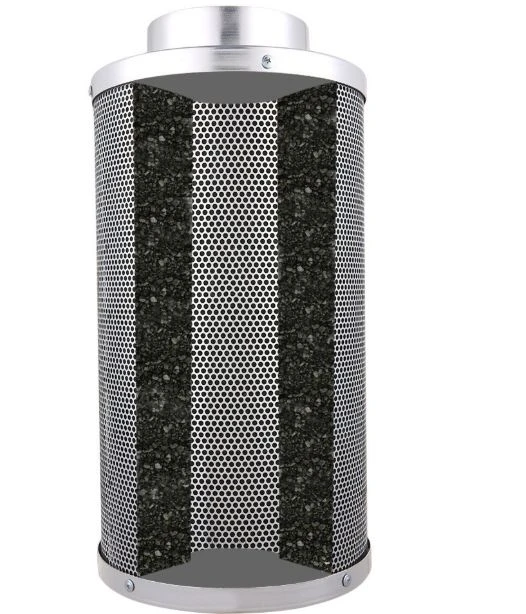
The production of a high-performance activated carbon cartridge is a meticulous process, combining material science expertise with precision engineering. These cartridges are designed to deliver exceptional adsorption capabilities, often integrated within a robust metal cartridge filter housing to ensure durability and reliability in demanding industrial settings. The core material, activated carbon, undergoes a sophisticated activation process to create a vast network of micropores, enabling superior adsorption of impurities.
Key Materials and Their Preparation:
- Activated Carbon Granules/Blocks: Sourced from coconut shells, wood, or coal, these raw materials are subjected to high-temperature pyrolysis and subsequent activation (steam or chemical) to develop a porous structure. The choice of base material influences the pore size distribution, which in turn affects the adsorption spectrum.
- Filter Media Layers: Often polypropylene, polyester, or glass fiber, these provide pre-filtration and structural support, preventing carbon fines migration.
- Structural Components: End caps, inner cores, and outer nets typically made from polypropylene, stainless steel (for ss filter cartridge applications), or other chemically resistant polymers. These provide mechanical strength and prevent bypass.
Manufacturing Process Steps (Schematic):
1. Carbon Granulation & Activation
Raw material pyrolysis, steam/chemical activation, and sizing for optimal pore structure.
→2. Media Blending & Forming
Activated carbon blended with binders, extruded or molded into block form or packed into cartridges.
→3. Component Fabrication
CNC machining for end caps and cores, injection molding for polymer parts, or precision welding for stainless steel components.
→4. Assembly & Sealing
Integration of carbon media, pre/post-filter layers, end caps, and seals. Ultrasonic welding or thermal bonding ensures integrity.
→5. Quality Control & Testing
Flow rate, pressure drop, adsorption capacity, extractables, and structural integrity tests (e.g., burst pressure).
Our manufacturing adheres strictly to international testing standards, including ISO 9001 for quality management and ANSI/NSF standards for drinking water components where applicable. Each activated carbon cartridge undergoes rigorous testing to verify its service life and performance metrics. Typical service life for these cartridges can range from 3 to 12 months, depending on influent water quality and flow rates, with specific models designed for extended duty cycles.
In high-corrosion environments common in the petrochemical and metallurgy sectors, the use of stainless steel for structural components within the metal cartridge filter system enhances resistance to aggressive chemicals and elevated temperatures. This strategic material selection ensures product longevity and reduces replacement frequency, contributing to significant energy savings by minimizing process shutdowns and maintenance overhead. For water supply and drainage applications, the emphasis is on effective chlorine and organic removal to meet discharge or potable water standards.
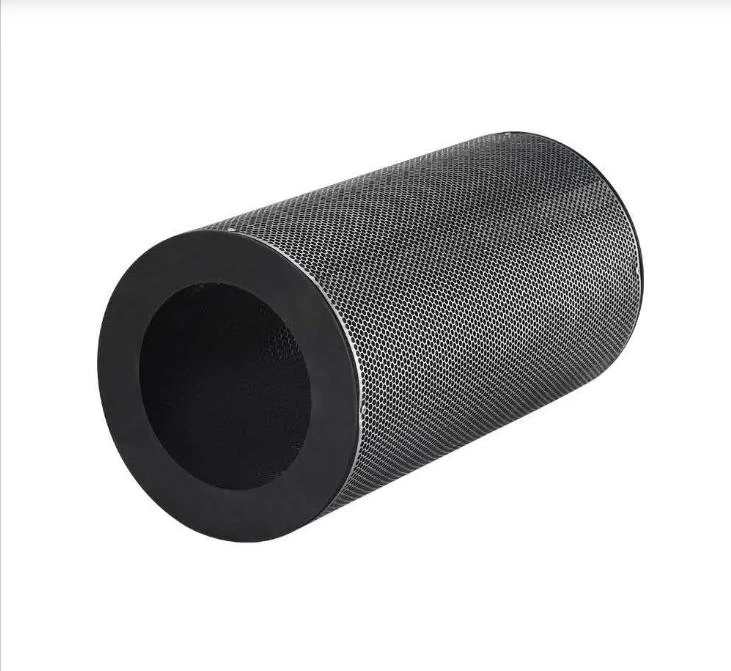
Illustration of a multi-stage filtration system utilizing an activated carbon cartridge.
Technical Specifications and Performance Parameters
Understanding the technical specifications of an activated carbon cartridge is crucial for optimal system design and performance. These parameters dictate the cartridge's effectiveness, service life, and compatibility within various industrial filtration setups. Our products, including our robust metal cartridge filter options, are engineered with precision to meet demanding operational criteria.
Typical Product Specifications (Example: Coconut Shell Carbon Block Cartridge):
| Parameter | Specification | Unit/Description |
|---|---|---|
| Media Type | High-purity coconut shell activated carbon | Primary adsorptive material |
| Micron Rating | 5 - 10 micron nominal | Particulate removal efficiency |
| Chlorine Reduction Capacity | >20,000 gallons @ 2 GPM | Based on 0.5 ppm chlorine, >90% reduction |
| VOC Reduction | >85% | Typical for common VOCs (e.g., chloroform) |
| Maximum Operating Temperature | 52 °C (125 °F) | Temperature limit for sustained operation |
| Maximum Operating Pressure | 6.9 bar (100 psi) | Pressure limit before structural compromise |
| Initial Pressure Drop @ 2 GPM | <0.34 bar (5 psi) | Initial resistance to flow |
| End Cap/Gasket Material | Polypropylene / Buna-N (FDA compliant) | Ensures chemical compatibility and sealing |
| Standard Lengths | 10", 20", 30", 40" | Common industry dimensions |
The pore structure of the activated carbon (e.g., micropores, mesopores, macropores) is engineered to selectively adsorb various contaminants. Micropores are effective for small molecules like chlorine and some VOCs, while mesopores handle larger organic compounds. This precise control over pore distribution, achieved through specialized activation techniques, is a key differentiator in filter cartridge performance.
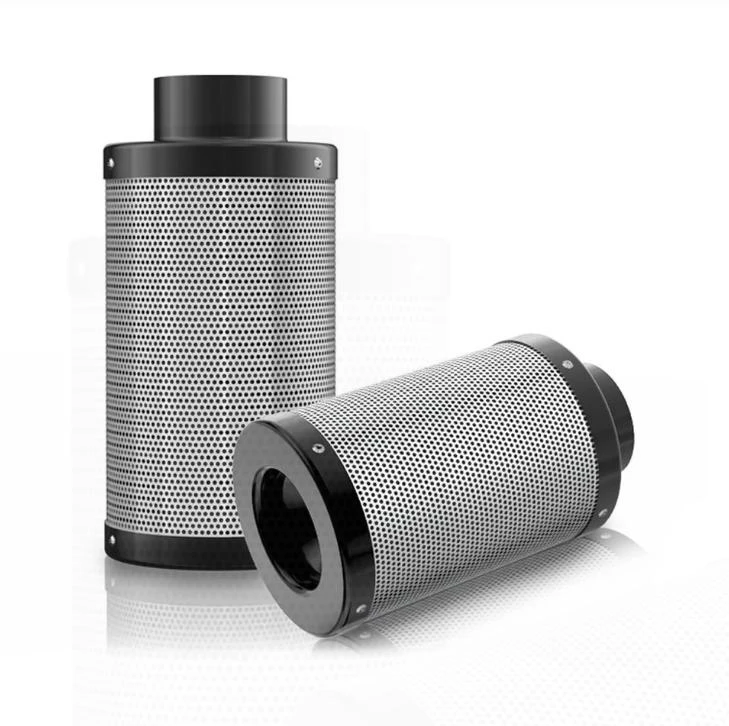
Detailed view of an activated carbon cartridge demonstrating internal structure and media.
Diverse Application Scenarios and Industry Benefits
The versatility of the activated carbon cartridge extends across a myriad of industrial applications, providing crucial purification in diverse operational environments. From potable water treatment to highly specialized chemical processes, the adsorption capabilities of these cartridges are indispensable. Paired with robust metal cartridge filter housings, they deliver reliable and consistent performance.
Key Application Industries:
- Water Treatment: Critical for municipal water purification, industrial process water, and wastewater treatment. Efficiently removes chlorine, chloramines, dissolved organic compounds (DOCs), taste, odor, and some heavy metals, ensuring compliance with environmental discharge standards or suitability for downstream processes like RO/DI systems.
- Food & Beverage: Essential for maintaining product quality and consistency. Applications include decolorization of sugar syrups, removal of off-flavors and odors from beverages, purification of process water, and ensuring the absence of residual chlorine from sanitizing agents.
- Pharmaceutical & Biotechnology: Used for purification of pharmaceutical intermediates, solvent recovery, removal of pyrogens, and ensuring the ultra-purity of water used in drug manufacturing. The inertness of an ss filter cartridge coupled with activated carbon is vital here.
- Petrochemical & Chemical Processing: Employed for catalytic purification, removal of H2S and mercaptans, solvent purification, and treatment of process streams to eliminate undesirable organic contaminants, often under challenging temperature and pressure conditions.
- Electronics Manufacturing: Ultra-pure water is a prerequisite for semiconductor and microchip fabrication. Activated carbon filtration plays a crucial role in removing organic impurities that could lead to defects.
Demonstrated Advantages in Typical Scenarios:
Beyond mere contaminant removal, the strategic deployment of these cartridges yields tangible operational benefits:
- Corrosion Resistance: Especially when housed within a metal cartridge filter frame (e.g., 316L stainless steel), these systems withstand aggressive chemicals, extending the life of downstream equipment and reducing maintenance costs in chemical processing plants.
- Energy Saving: By effectively removing foulants and scaling agents, activated carbon pre-filters protect sensitive membranes (e.g., RO membranes) from premature fouling. This reduces the frequency of chemical cleaning, lowers energy consumption associated with increased feed pressure, and prolongs membrane lifespan, leading to substantial energy and chemical cost savings.
- Enhanced Product Quality: In food & beverage or pharmaceutical production, precise removal of taste, odor, color, and trace organics directly translates to a higher quality end product, minimizing batch rejections and ensuring brand consistency.
- Environmental Compliance: Wastewater streams treated with these carbon cartridges can meet stringent discharge limits for organic pollutants, preventing environmental penalties and demonstrating corporate responsibility.
Technical Advantages and Competitive Differentiators
The inherent technical advantages of our activated carbon cartridge solutions position them as a preferred choice for discerning industrial clients. These advantages stem from a combination of superior material selection, innovative design, and rigorous quality assurance protocols. When integrated with a robust metal cartridge filter system, these benefits are amplified, providing comprehensive filtration performance.
Advanced Adsorption Kinetics:
Our cartridges utilize premium-grade activated carbon with optimized pore structures and high iodine numbers, indicative of extensive surface area for adsorption. This results in superior contaminant removal kinetics, meaning faster and more efficient adsorption of target substances such as chlorine, volatile organic compounds (VOCs), and dissolved organics. The highly uniform pore distribution within our carbon blocks minimizes channeling, ensuring full utilization of the adsorptive media and extending service life compared to granular activated carbon (GAC) beds.
Robust Construction and Material Compatibility:
Each carbon filter cartridge is built with durable, FDA-compliant materials for end caps and external netting, ensuring chemical compatibility with a wide range of process fluids. For applications demanding extreme conditions, our stainless steel components, often found in our ss filter cartridge assemblies, offer unparalleled resistance to high temperatures, pressures, and corrosive chemicals, ensuring structural integrity and preventing media bypass. This robust construction minimizes the risk of component failure, crucial for continuous industrial operations.
Low Pressure Drop and High Flow Rates:
Through advanced manufacturing techniques that achieve uniform carbon block density and optimized flow paths, our cartridges exhibit a significantly lower initial pressure drop while maintaining high flow rates. This translates directly to reduced energy consumption for pumping, lower operational costs, and less strain on upstream equipment. The design minimizes pressure differential buildup, ensuring consistent performance throughout the cartridge's life cycle until exhaustion.
Comparative Performance (Activated Carbon Block vs. Granular Activated Carbon):
| Feature | Activated Carbon Block Cartridge | Granular Activated Carbon (GAC) Bed |
|---|---|---|
| Carbon Fines Release | Minimal to none (block structure) | Moderate (risk of loose particles) |
| Channeling/Bypass | Virtually eliminated by uniform block density | Prone to channeling, reducing efficiency |
| Micron Filtration | Yes (typically 5-10 micron nominal) | Limited, primarily adsorption |
| Adsorption Efficiency | High, consistent throughout life | Can degrade with channeling |
| Pressure Drop | Controlled, predictable increase | Can be inconsistent, higher initial |
| Contaminant Holding Capacity | Excellent due to full carbon bed utilization | Good, but potentially reduced by channeling |
Our commitment to innovation ensures that each activated carbon cartridge delivers maximum performance and value, setting new benchmarks in industrial filtration.
Customized Solutions and Application Case Studies
Recognizing that industrial filtration needs are rarely "one-size-fits-all," we specialize in providing bespoke solutions centered around the activated carbon cartridge. Our engineering team collaborates closely with clients to tailor designs that meet specific process parameters, contaminant profiles, and system integration requirements. This customization often extends to the structural components, leveraging the versatility of a metal cartridge filter to withstand unique operational demands.
Tailored Filtration Engineering:
Customization options for our activated carbon filter solutions range from specific carbon media blends (e.g., catalytic carbon for chloramine removal, specialty impregnated carbons for heavy metals or H2S) to unique cartridge dimensions and end cap configurations. We can also integrate our activated carbon media into custom-designed ss filter cartridge bodies for highly corrosive or high-temperature applications, ensuring maximum longevity and performance. Our consultative approach includes comprehensive water analysis, pilot testing, and detailed system design to guarantee optimal performance.
Application Case Study 1: Municipal Water Dechlorination
A large municipal water treatment plant faced challenges with residual chlorine impacting their advanced oxidation process (AOP) and downstream membrane systems. Standard GAC beds required frequent backwashing and experienced channeling. Our solution involved implementing a bank of 40-inch activated carbon filters, housed in robust stainless steel vessels, as a pre-treatment stage. These cartridges, utilizing high-performance coconut shell carbon blocks, consistently achieved >99% chlorine removal at a flow rate of 500 GPM, extending the lifespan of their AOP catalysts and RO membranes by 30% and reducing chemical cleaning cycles by 40%. This resulted in an estimated annual operational cost saving of $150,000.
Application Case Study 2: Pharmaceutical Solvent Purification
A leading pharmaceutical manufacturer required stringent purification of a recycled solvent stream to remove trace organic impurities and color bodies before reuse in active pharmaceutical ingredient (API) synthesis. The solvent was aggressive and operated at elevated temperatures. We engineered custom metal cartridge filter housings with 316L stainless steel, paired with specialized high-temperature-tolerant activated carbon inserts. These inserts were formulated with a unique activated carbon blend optimized for aromatic compound adsorption. The system successfully reduced target organic impurities by over 95%, allowing for the effective reuse of the solvent, significantly cutting procurement costs, and aligning with their sustainability initiatives. The client reported a 25% reduction in solvent waste and a return on investment within 18 months.
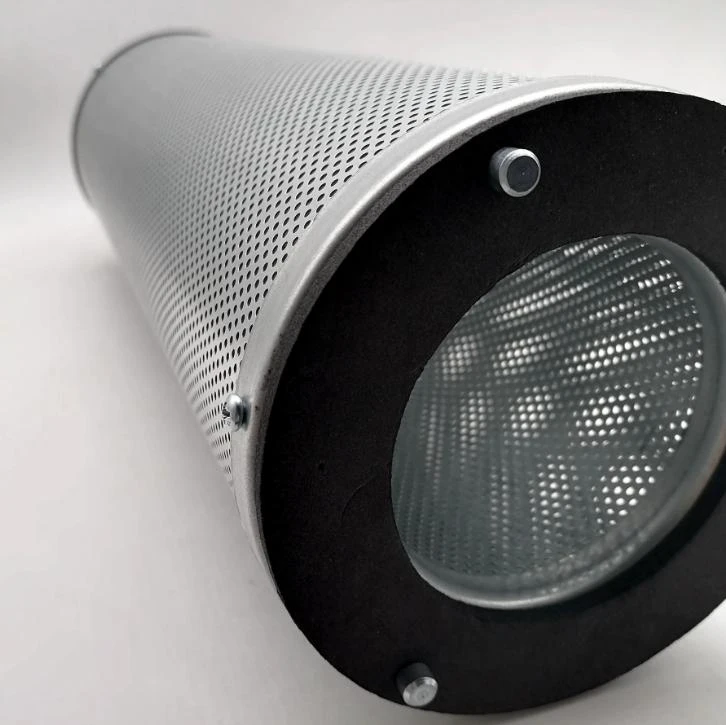
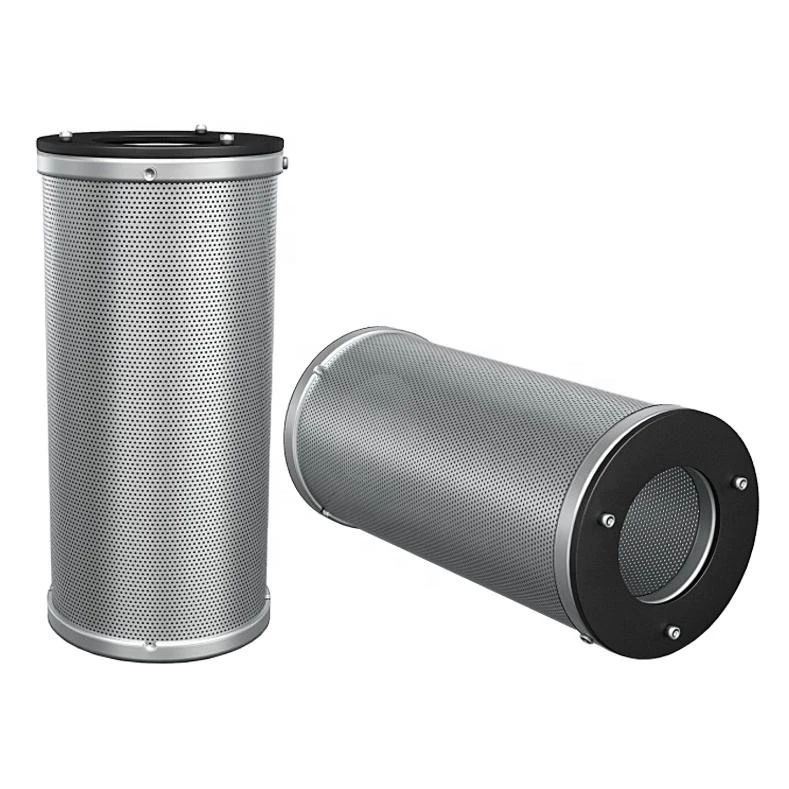
Industrial installation showcasing a bank of metal cartridge filter housings, often integrating activated carbon cartridge technology.
Ensuring Trustworthiness: FAQ, Logistics, and Support
Building long-term partnerships in the B2B sector relies on transparency, reliability, and robust support. We are committed to providing complete clarity regarding our products, services, and operational processes, ensuring every client feels confident in their investment in our activated carbon filtration solutions and metal cartridge filter systems.
Frequently Asked Questions (FAQ):
Q1: How often should an activated carbon filter cartridge be replaced?
A1: Replacement frequency depends on several factors, including influent water quality, flow rate, and the type/concentration of contaminants. Typically, these cartridges are replaced every 3 to 12 months, or when a significant drop in flow or pressure occurs, or when breakthrough of contaminants (e.g., taste/odor) is detected. Our technical team can assist in determining an optimal replacement schedule based on your specific application.
Q2: Are these carbon filters suitable for high-temperature applications?
A2: Standard polymer-based carbon cartridges are typically rated for temperatures up to 52°C (125°F). For higher temperature requirements, we offer specialized designs with high-temperature tolerant materials and ss filter cartridge components. Please consult with our sales engineers to specify the exact temperature range for your application.
Q3: Can these cartridges remove heavy metals?
A3: While standard activated carbon has some affinity for certain heavy metals, specialized impregnated carbon media is significantly more effective. We offer customized carbon filter solutions containing specific media types designed for enhanced heavy metal removal. Performance data is available upon request for specific metal contaminants.
Lead Time and Fulfillment:
Our streamlined manufacturing processes and robust supply chain enable efficient order fulfillment. Standard activated carbon cartridge products typically have a lead time of 2-4 weeks. Custom orders or large-volume requests may require 4-8 weeks, depending on complexity and material availability. We maintain strategic inventory levels for common product configurations to facilitate faster turnaround times where possible. Expedited shipping options are available upon request.
Warranty Commitments:
We stand behind the quality and performance of our products. All activated carbon filtration media and metal cartridge filter products are covered by a limited warranty against manufacturing defects for a period of 12 months from the date of purchase. This warranty assures our clients of our dedication to product excellence and reliable operation under specified conditions. Full warranty terms and conditions are available upon request.
Customer Support and Technical Assistance:
Our commitment extends beyond product delivery. We offer comprehensive pre-sales consultation, technical support during installation and commissioning, and responsive after-sales service. Our team of experienced engineers and customer service representatives is available to assist with product selection, troubleshooting, and optimization. We provide detailed product documentation, performance curves, and material safety data sheets (MSDS) to ensure safe and effective utilization of our filtration solutions. Regular performance monitoring and proactive maintenance advice are also part of our value-added service.
Authoritative References:
- American National Standards Institute (ANSI) / NSF International Standards for Drinking Water Treatment Units.
- International Organization for Standardization (ISO) 9001: Quality Management Systems.
- U.S. Food and Drug Administration (FDA) Title 21 CFR Part 177: Indirect Food Additives: Polymers.
- Water Quality Association (WQA) standards and certification programs for filtration products.
- Smith, J. (2018). Activated Carbon for Water and Wastewater Treatment. CRC Press.
- Mohan, D., & Pittman, C. U. (2007). Activated Carbons and Low-Cost Adsorbents for Wastewater Treatment. Journal of Hazardous Materials, 140(1-2), 1-13.
-
High-Efficiency Industrial Dust Filtration & PurificationNewsApr.21,2026
-
High-Efficiency Adsorption for Clean Air & Water PurificationNewsApr.20,2026
-
Air Filter Cartridge: High-Efficiency Filtration for Engine Protection & Clean Air SupplyNewsApr.17,2026
-
Filter Paper: Precision Filtration Media for Industrial & Laboratory ExcellenceNewsApr.16,2026
-
Industrial Guide for Selecting a Stainless Filter CartridgeNewsApr.16,2026
-
Dust Filter Cartridges: High-Efficiency Industrial Filtration for Clean Production & ComplianceNewsApr.15,2026