 Email:admin@only-filter.com
 Tel:
+8615930870079
Tel:
+8615930870079
Oct . 08, 2025 22:40 Back to list
Industrial Dust Collection Gas Turbine Air Filter Paper?
What’s Really Inside Today’s Gas Turbine and Dust Collector Filters
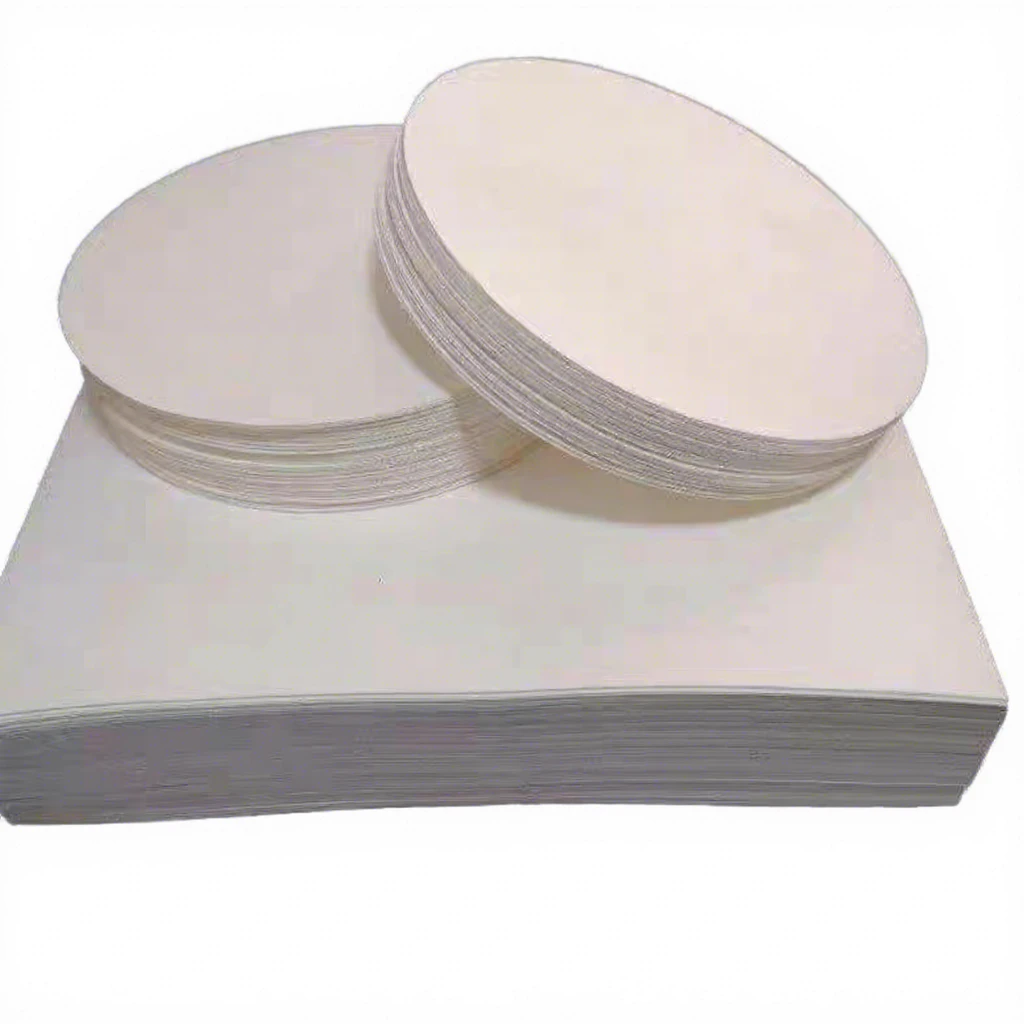
If you’ve ever stood next to a gas-turbine inlet on a windy day, you know filtration is not “nice to have.” It’s survival. The core media many buyers ask about—industrial dust collection gas turbine air filter paper—has grown up fast in the last five years: smarter coatings, tighter test standards, and more predictable service life. Origin matters too; this cartridge line is produced in Rongding World, Xinhua District, Shijiazhuang City, Hebei Province, which, to be honest, has become a quiet hub for serious filter engineering.
Why it’s trending
Three big shifts: ISO 16890 replaced legacy ratings, operators are chasing lower pressure drop to cut fan energy, and membrane/nanofiber layers keep turbines cleaner between washes. Many customers say they’re stretching outage intervals by one season, which sounded optimistic—until the data checks out.
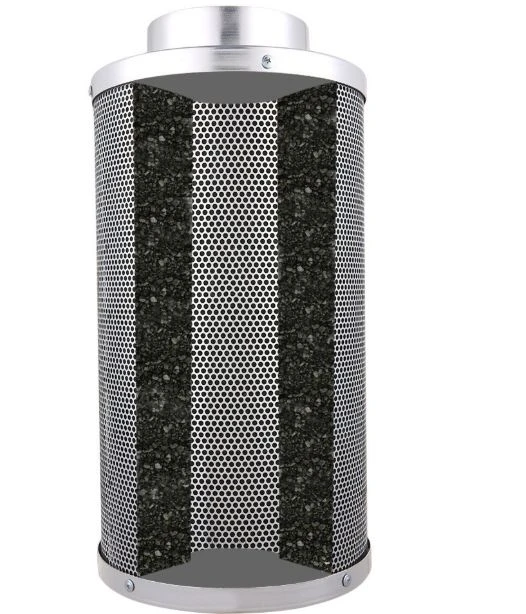
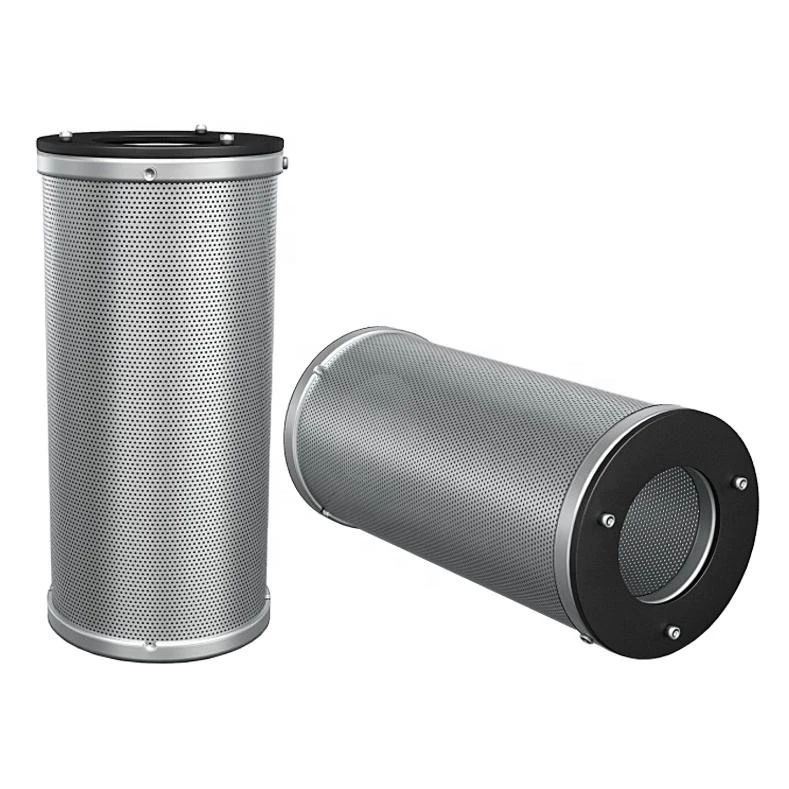
Product snapshot: industrial dust collection gas turbine air filter paper dust collector filter cartridge
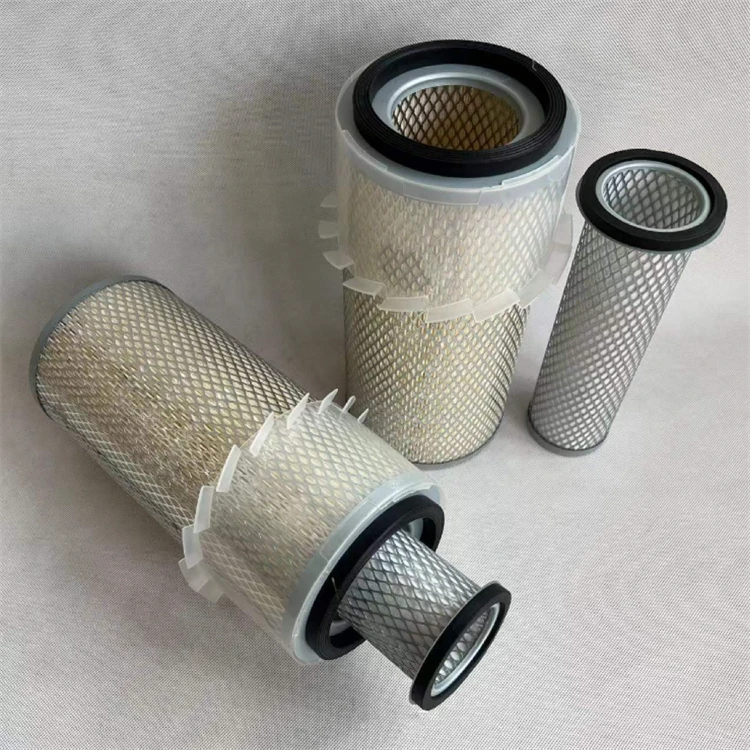
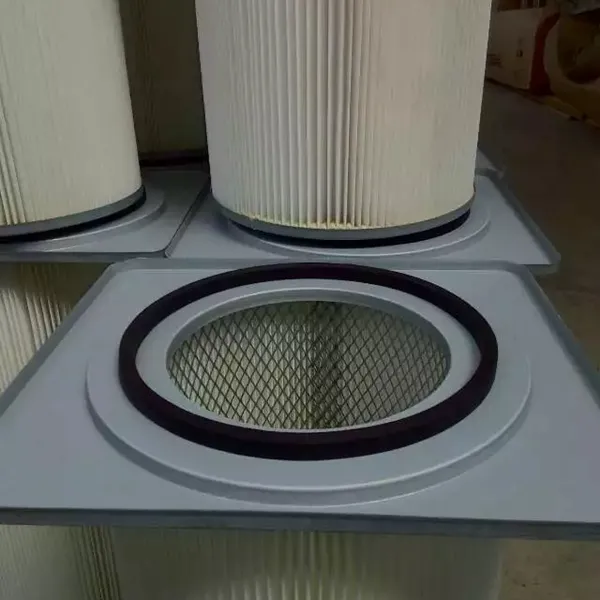
The cartridge combines engineered paper (cellulose or blends), optional nanofiber, and PTFE membrane choices. It’s built for dusty inlets, powder booths, cement, steel, woodworking, and, surprisingly, even some food-packaging lines with strict hygiene regimes.
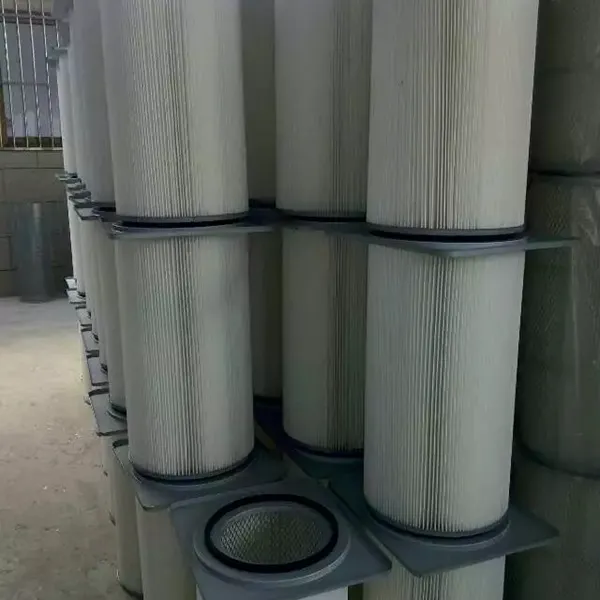
Typical specifications
| Model (example) | RD-GTI-325×660 |
| Media options | Cellulose; Cellulose/Polyester blend; Nanofiber-coated; PTFE membrane |
| Efficiency (ISO 16890) | ePM1 70–95% (≈ ePM1 90% most turbine specs) |
| Initial ΔP | ≈ 120–180 Pa @ 1.5 m/s (real-world use may vary) |
| Dust capacity (ISO A2) | ≈ 500–800 g to 600 Pa terminal ΔP |
| Temp / Humidity | -20 to 70°C; RH up to 100% with hydrophobic media |
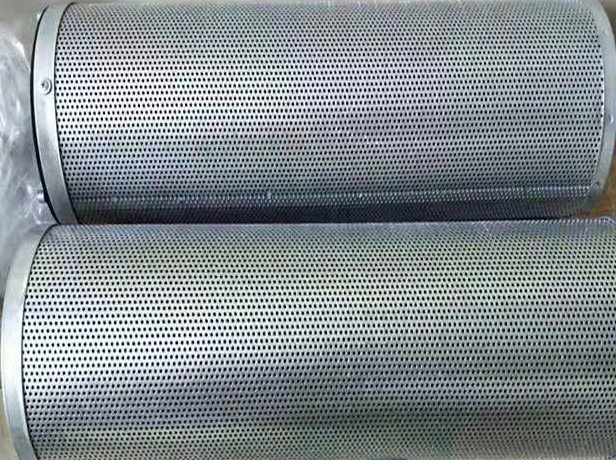
| Construction | Pleated paper, hot-melt bead spacers, galvanized endcaps, PU potting, EPDM gasket |
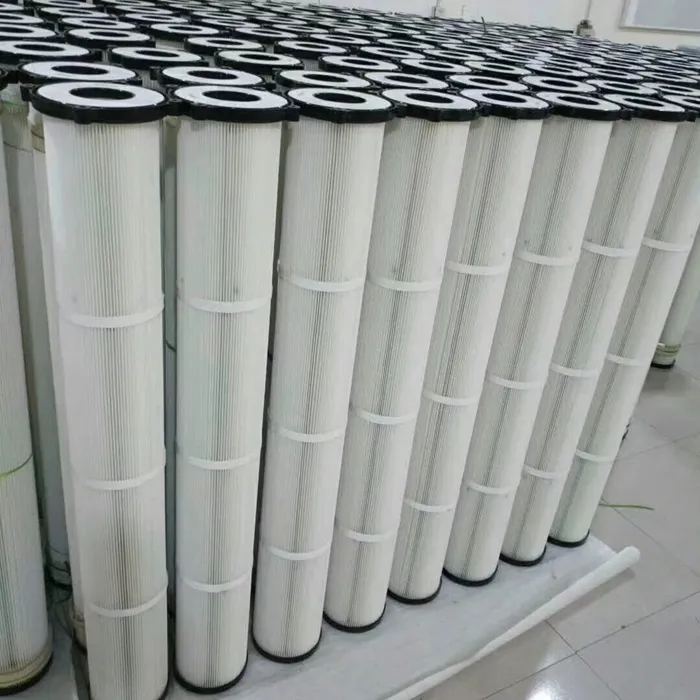
Process flow and testing
Materials: specialty cellulose base with resin sizing, polyester fibers for wet strength, optional nanofiber or PTFE skin. Methods: precision pleating, bead spacing to avoid collapse, potting and cure, then gasket compression set checks. Testing: ISO 16890 fractional efficiency (0.3–10 μm), ISO 29461 for turbine inlet conditions, ASHRAE 52.2 MERV mapping (for cross-reference), burst and pulse-clean cycles. Lab snapshot: ePM1=90%; initial ΔP=150 Pa @1.5 m/s; capacity ≈620 g to 600 Pa. Service life in the field? I’d say 6–18 months depending on dust profile and wash schedule.
Where it’s used
- Gas turbine inlet systems (coastal, desert, and temperate climates)
- Cement mills, steel plants, foundries, and mining transfer points
- Woodworking and composite sanding lines
- Powder coating booths and lithium-battery material handling (with anti-static media)
- Food/pharma secondary packaging (dry zones)
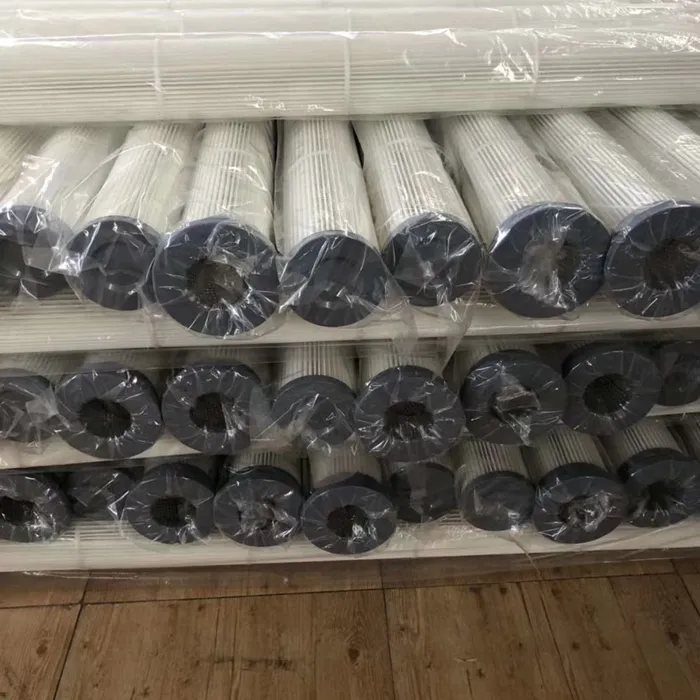
Why choose this media
Lower ΔP saves fan power (you’ll see it on the meter), nanofiber/PTFE reduces depth loading so pulsing is gentler, and the cartridges seat well—little gossip from maintenance crews is often the best KPI. Certifications include ISO 9001 manufacturing; media validated under ISO 16890 and ISO 29461 protocols.
Vendor comparison (indicative)
| Vendor | Lead Time | Customization | Certs | Price |
|---|---|---|---|---|
| Only Filter Cartridge (Hebei) | ≈ 10–20 days | Dimensions, media, gasket, anti-static | ISO 9001; ISO 16890 / 29461 tests | $$ (cost-balanced) |
| Local Converter | 7–30 days | Moderate | Varies | $–$$$ |
| Global Brand | 3–8 weeks | High | Broad portfolio | $$$ |
Customization and real cases
Custom sizes (Ø 120–400 mm), lengths to 1000 mm, hydrophobic or anti-static media, flame-retardant options, and stainless cores for corrosive air. Case notes: (1) Coastal turbine, ePM1 90% PTFE layer: compressor fouling index down ≈18%, wash interval extended from 4 to 7 months. (2) Cement packhouse, nanofiber blend: ΔP stayed under 450 Pa for 9 months with light pulsing. Feedback has been blunt: “Less dust on the floor, fewer changeouts.” I’ll take that.
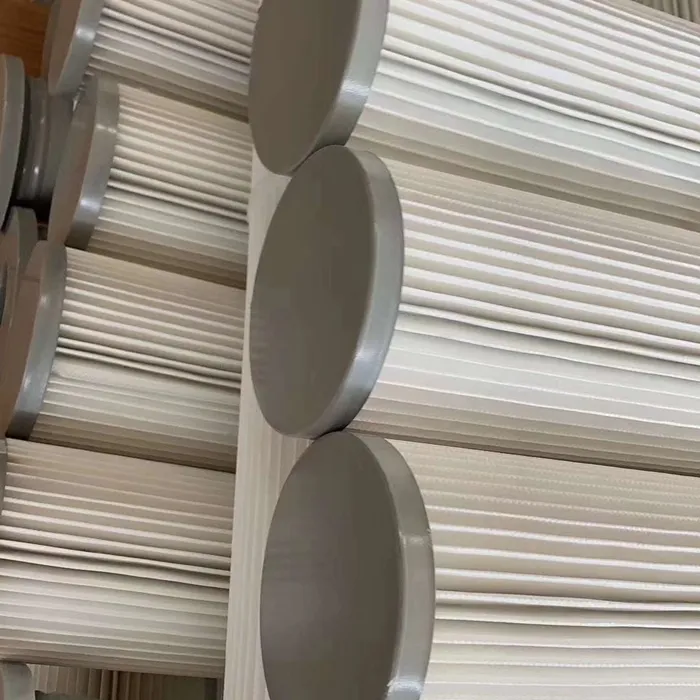
If your spec literally calls out industrial dust collection gas turbine air filter paper, check the ΔP-at-face-velocity curve and dust-capacity method. And don’t forget gasket compression—leaks erase the nicest lab chart in seconds.
Standards and references
-
High-Efficiency Industrial Dust Filtration & PurificationNewsApr.21,2026
-
High-Efficiency Adsorption for Clean Air & Water PurificationNewsApr.20,2026
-
Air Filter Cartridge: High-Efficiency Filtration for Engine Protection & Clean Air SupplyNewsApr.17,2026
-
Filter Paper: Precision Filtration Media for Industrial & Laboratory ExcellenceNewsApr.16,2026
-
Industrial Guide for Selecting a Stainless Filter CartridgeNewsApr.16,2026
-
Dust Filter Cartridges: High-Efficiency Industrial Filtration for Clean Production & ComplianceNewsApr.15,2026