 Email:admin@only-filter.com
 Tel:
+8615930870079
Tel:
+8615930870079
Apr . 04, 2026 02:15 Back to list
Comprehensive Guide to Stainless Steel Mesh Filter Cartridges and Applications
Understanding Stainless Steel Mesh Filter Cartridges
In various industrial processes, maintaining fluid purity is paramount. Stainless steel mesh filter cartridges play a critical role in achieving this goal. These cartridges are designed to remove particulate matter from liquids and gases, ensuring optimal performance of downstream equipment and product quality. This article will provide a comprehensive overview of stainless steel mesh filter cartridges, covering their construction, applications, benefits, and key considerations when selecting the right cartridge for your specific needs.
What are Stainless Steel Mesh Filter Cartridges?
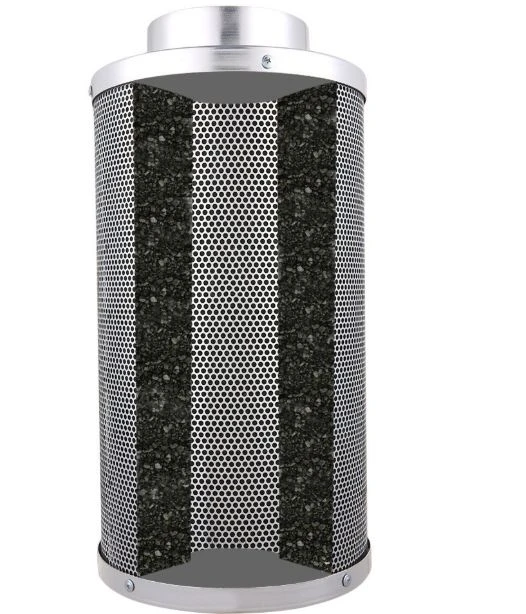
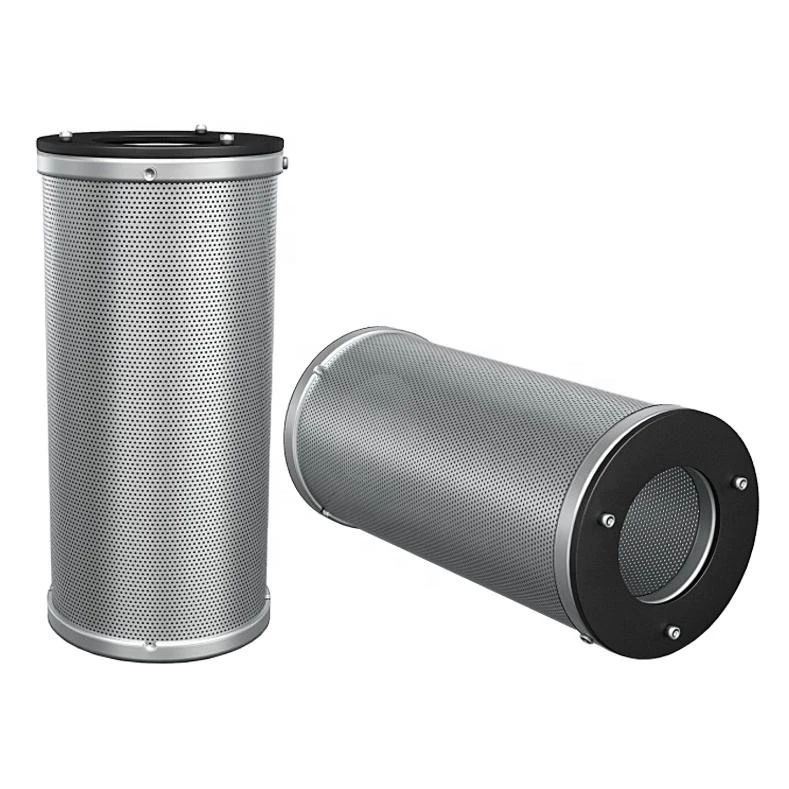
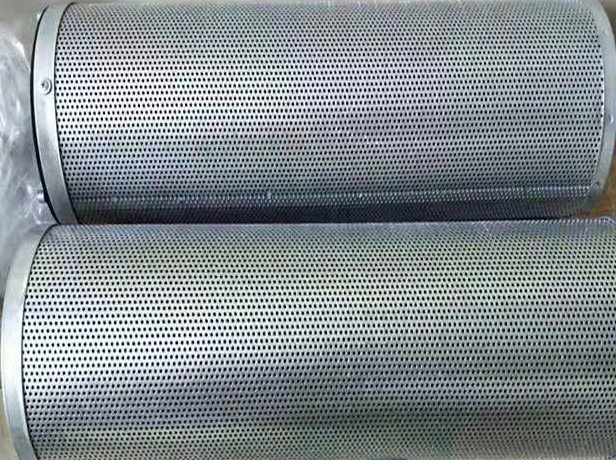
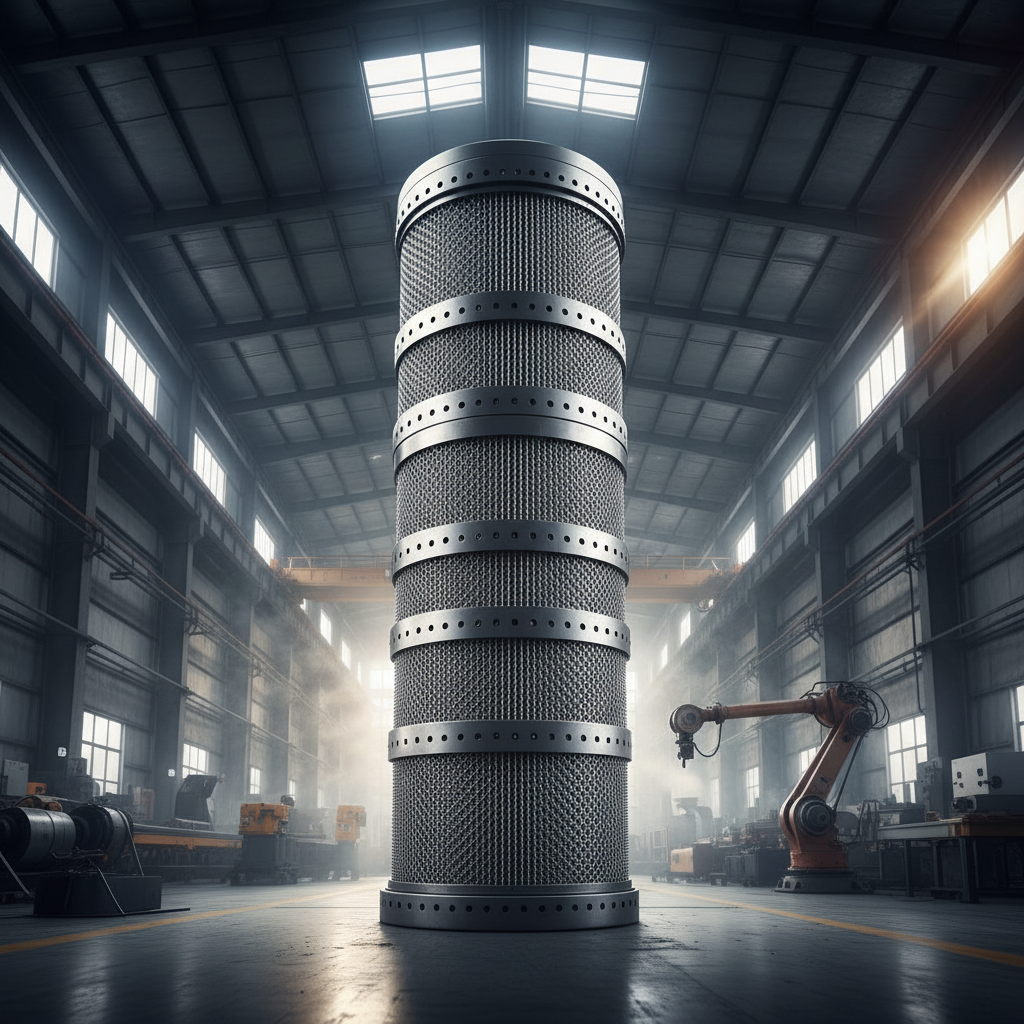
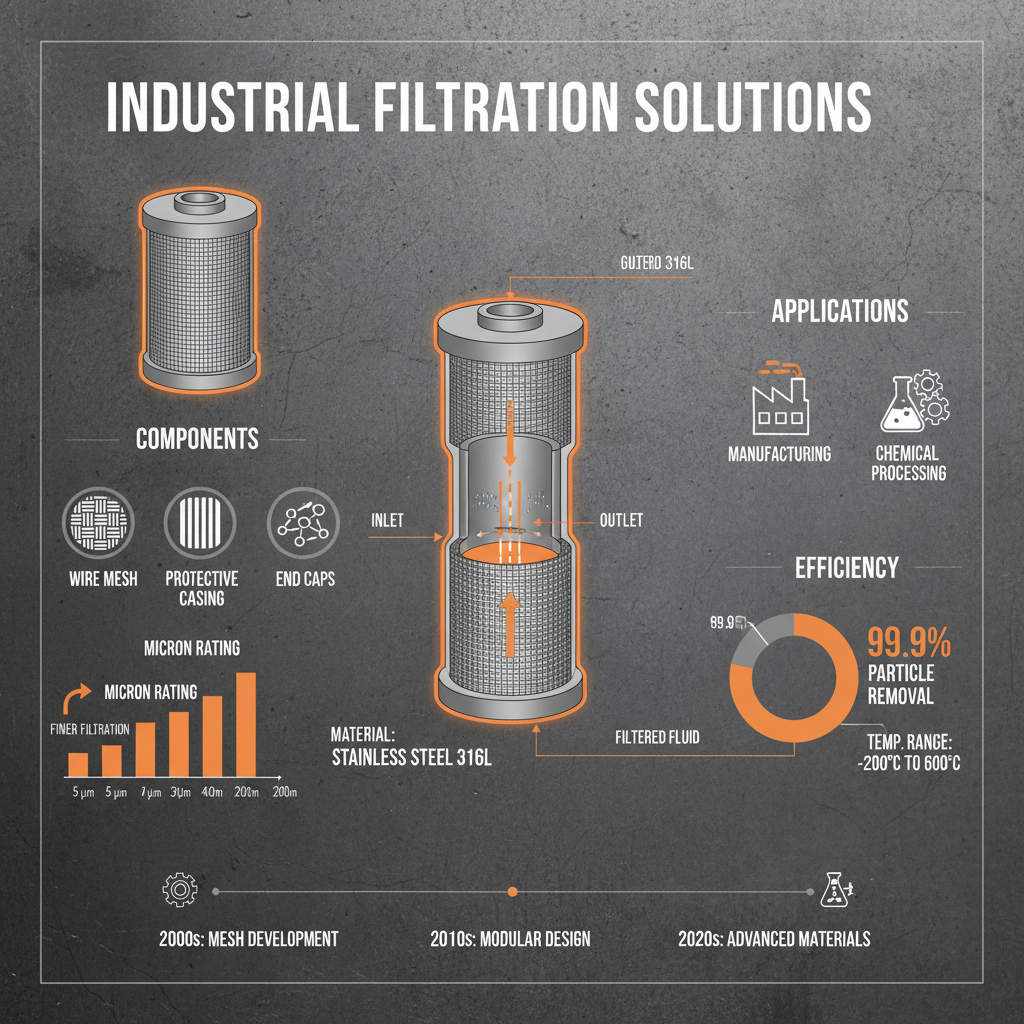
Stainless steel mesh filter cartridges are constructed from layers of woven stainless steel wire mesh. The mesh layers are typically supported by a perforated core, providing structural integrity and preventing distortion under pressure. The fineness of the mesh, measured in microns, determines the size of particles the cartridge can effectively remove. They are commonly used in applications where high temperature resistance, corrosion resistance, and mechanical strength are required. Unlike disposable filter cartridges, stainless steel mesh cartridges are often cleanable and reusable, making them a cost-effective and environmentally friendly option.
Key Highlights: Constructed from durable stainless steel wire mesh, offering excellent resistance to corrosion and high temperatures. Cleanable and reusable, reducing long-term costs and environmental impact.
Applications of Stainless Steel Mesh Filter Cartridges
The versatility of stainless steel mesh filter cartridges makes them suitable for a wide range of applications across diverse industries. Some common uses include:
- Water Treatment: Removing sediment, debris, and particulate matter from water sources.
- Chemical Processing: Filtering chemicals and solvents to maintain purity and prevent contamination.
- Food and Beverage: Ensuring product quality by removing unwanted particles from liquids.
- Pharmaceuticals: Maintaining sterile conditions by filtering out bacteria and other microorganisms.
- Oil and Gas: Filtering oil, gas, and other fluids to protect equipment and improve efficiency.
Application Benefits:
• Broad chemical compatibility
• High temperature operation
• Reusability & Cleanability
• Long service life
Selecting the Right Stainless Steel Mesh Filter Cartridge
Choosing the appropriate stainless steel mesh filter cartridge requires careful consideration of several factors. Key aspects to evaluate include:
- Micron Rating: Select a micron rating that effectively removes the target particles without causing excessive pressure drop.
- Material Compatibility: Ensure the stainless steel is compatible with the fluid being filtered to prevent corrosion or contamination.
- Temperature and Pressure Ratings: Verify that the cartridge can withstand the operating temperature and pressure of the system.
- Cartridge Dimensions: Choose a cartridge size that fits the filter housing.
Benefits of Using Stainless Steel Mesh Filter Cartridges
Compared to other filter media, stainless steel mesh cartridges offer several significant advantages:
- Durability: Stainless steel is a robust material that can withstand harsh conditions and repeated cleaning.
- Corrosion Resistance: Stainless steel resists corrosion from a wide range of fluids and chemicals.
- High Temperature Resistance: Suitable for applications involving high temperatures.
- Cleanability: Easily cleaned and reused, reducing waste and costs.
- Long Service Life: Provides a long service life, minimizing the need for frequent replacements.
Maintenance and Cleaning of Stainless Steel Mesh Filter Cartridges
To ensure optimal performance and longevity, regular maintenance and cleaning of stainless steel mesh filter cartridges are essential. The cleaning process typically involves rinsing the cartridge with a suitable solvent or cleaning solution to remove accumulated contaminants. For stubborn deposits, ultrasonic cleaning can be employed. It's crucial to avoid using abrasive cleaners or materials that could damage the mesh. Proper cleaning and maintenance will help to maintain the cartridge’s filtration efficiency and extend its service life. For specific cleaning recommendations, consult the manufacturer's guidelines.
Conclusion: Investing in Reliable Filtration
Stainless steel mesh filter cartridges are a valuable asset in various industrial applications, offering durability, corrosion resistance, and cost-effectiveness. By carefully selecting the right cartridge and implementing a regular maintenance schedule, you can ensure optimal performance and protect your valuable equipment. Explore the wide range of stainless steel mesh filter cartridges available at Only Filter Cartridge and find the perfect solution for your filtration needs.
Frequently Asked Questions (FAQs)
What is the typical lifespan of a stainless steel mesh filter cartridge?
The lifespan of a stainless steel mesh filter cartridge varies depending on the application, fluid characteristics, and frequency of cleaning. With proper maintenance, these cartridges can last for several years. However, factors like high contaminant loads, corrosive fluids, or mechanical damage can shorten their lifespan. Regularly inspecting the cartridge for wear and tear, and replacing it when filtration efficiency decreases, is crucial. It’s advisable to establish a routine replacement schedule based on your specific operating conditions.
How often should I clean my stainless steel mesh filter cartridge?
The frequency of cleaning depends on the level of contamination in the fluid being filtered. Generally, it’s recommended to inspect the cartridge regularly – weekly or monthly – for signs of clogging or buildup. Clean the cartridge whenever you notice a decrease in flow rate or an increase in pressure drop. For heavily contaminated applications, more frequent cleaning may be necessary. Always follow the manufacturer’s guidelines for cleaning procedures and solutions.
Can stainless steel mesh filter cartridges be used with aggressive chemicals?
Stainless steel offers good chemical resistance, but it’s not universally compatible with all chemicals. The suitability depends on the specific grade of stainless steel (e.g., 304 or 316) and the concentration and temperature of the chemical. 316 stainless steel generally provides better resistance to chlorides and other corrosive substances compared to 304. Always consult a chemical compatibility chart or the manufacturer’s recommendations to ensure the cartridge material is compatible with the fluid you are filtering.
-
High-Efficiency Adsorption for Clean Air & Water PurificationNewsApr.20,2026
-
Air Filter Cartridge: High-Efficiency Filtration for Engine Protection & Clean Air SupplyNewsApr.17,2026
-
Filter Paper: Precision Filtration Media for Industrial & Laboratory ExcellenceNewsApr.16,2026
-
Industrial Guide for Selecting a Stainless Filter CartridgeNewsApr.16,2026
-
Dust Filter Cartridges: High-Efficiency Industrial Filtration for Clean Production & ComplianceNewsApr.15,2026
-
Filter Paper: High-Efficiency Filtration Solution for Industrial & Laboratory UseNewsApr.14,2026