ONLY Technology (hebei Province) Co., Ltd.

If you are interested in our products, you can choose to leave your information here, and we will be in touch with you shortly.


0%

Table of Contents

The efficiency and reliability of industrial processes are paramount in today's world, and a crucial component in ensuring both is the air filter turbine. These specialized systems are designed to maintain optimal air quality in a variety of applications, ranging from manufacturing and power generation to healthcare and environmental control. Understanding the principles behind air filter turbine technology is vital for optimizing performance, reducing downtime, and ensuring worker safety.

Globally, the demand for clean air solutions is increasing due to stricter environmental regulations and a growing awareness of the health impacts of air pollution. This drives innovation in air filter turbine design and materials, leading to more effective and sustainable filtration systems. Furthermore, advancements in turbine technology are improving energy efficiency, reducing operational costs, and extending the lifespan of these critical components.

The implementation of effective air filter turbine systems represents a proactive step toward a healthier, more sustainable future, offering significant benefits to both businesses and communities alike. Its applications are vast and growing, impacting numerous sectors that depend on clean and reliable air supply.
Optimizing Industrial Processes with Advanced Air Filter Turbine Systems

The Significance of air filter turbine

Optimizing Industrial Processes with Advanced Air Filter Turbine Systems

The implementation of an effective air filter turbine system is not merely a technical upgrade; it’s an investment in operational efficiency and environmental responsibility. Industries relying on precise atmospheric conditions, such as pharmaceuticals and semiconductor manufacturing, depend on the consistency that these turbines provide.

Beyond maintaining optimal operating conditions, air filter turbines play a critical role in safeguarding employee health by removing hazardous particles and pollutants. This leads to improved worker productivity and reduced absenteeism, contributing to a healthier and more sustainable work environment.

Defining air filter turbine

An air filter turbine is a sophisticated system integrating air filtration and turbine technology to provide clean, pressurized air for various industrial and commercial applications. It typically consists of a multi-stage filtration process followed by a turbine that drives air circulation.

Unlike standard air filters that passively remove contaminants, an air filter turbine actively draws air through its filtration system, ensuring a consistent and reliable supply of clean air. This makes it ideal for environments requiring precise air quality control and continuous operation.

Its connection to modern industry is deeply rooted in the need for increased efficiency, reduced contamination, and enhanced safety standards. From powering critical manufacturing processes to ensuring sterile environments in healthcare facilities, the air filter turbine is a cornerstone of many modern operations.

Core Components and Functionality

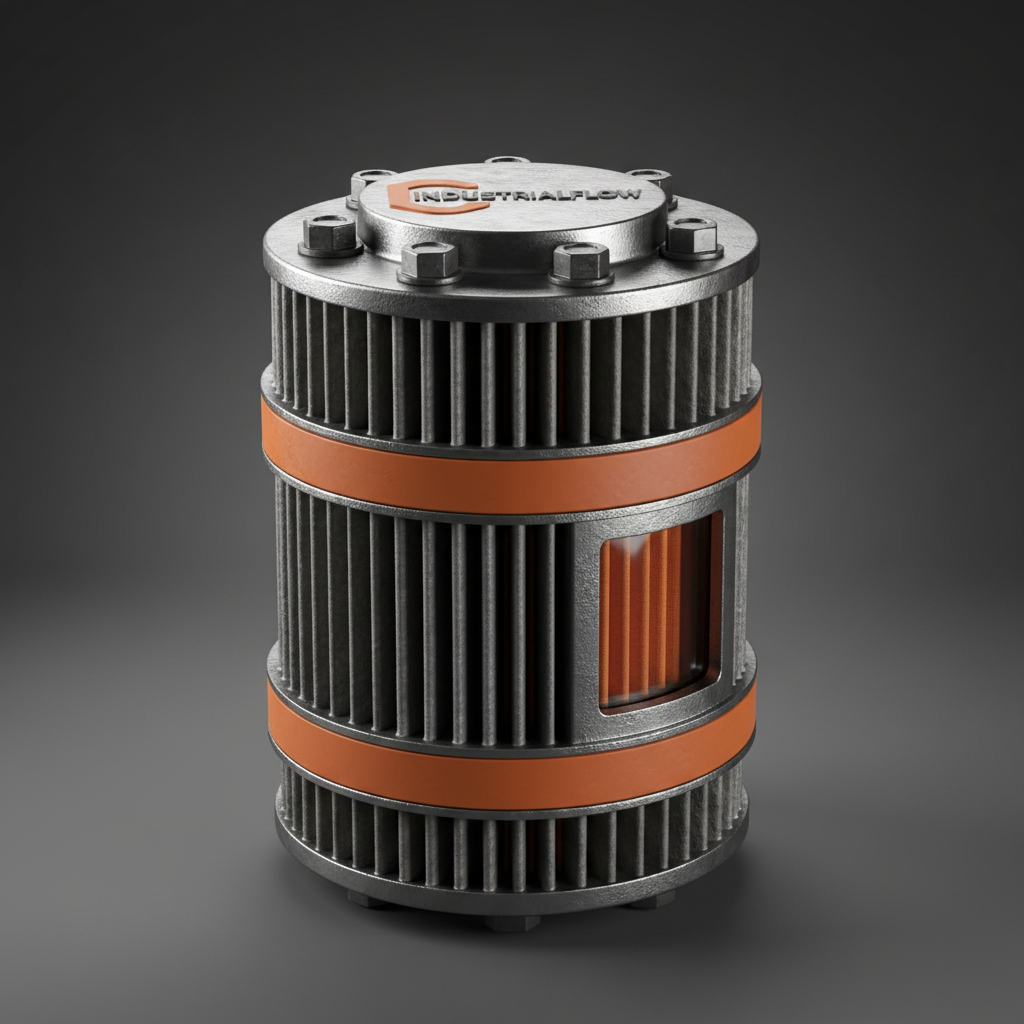
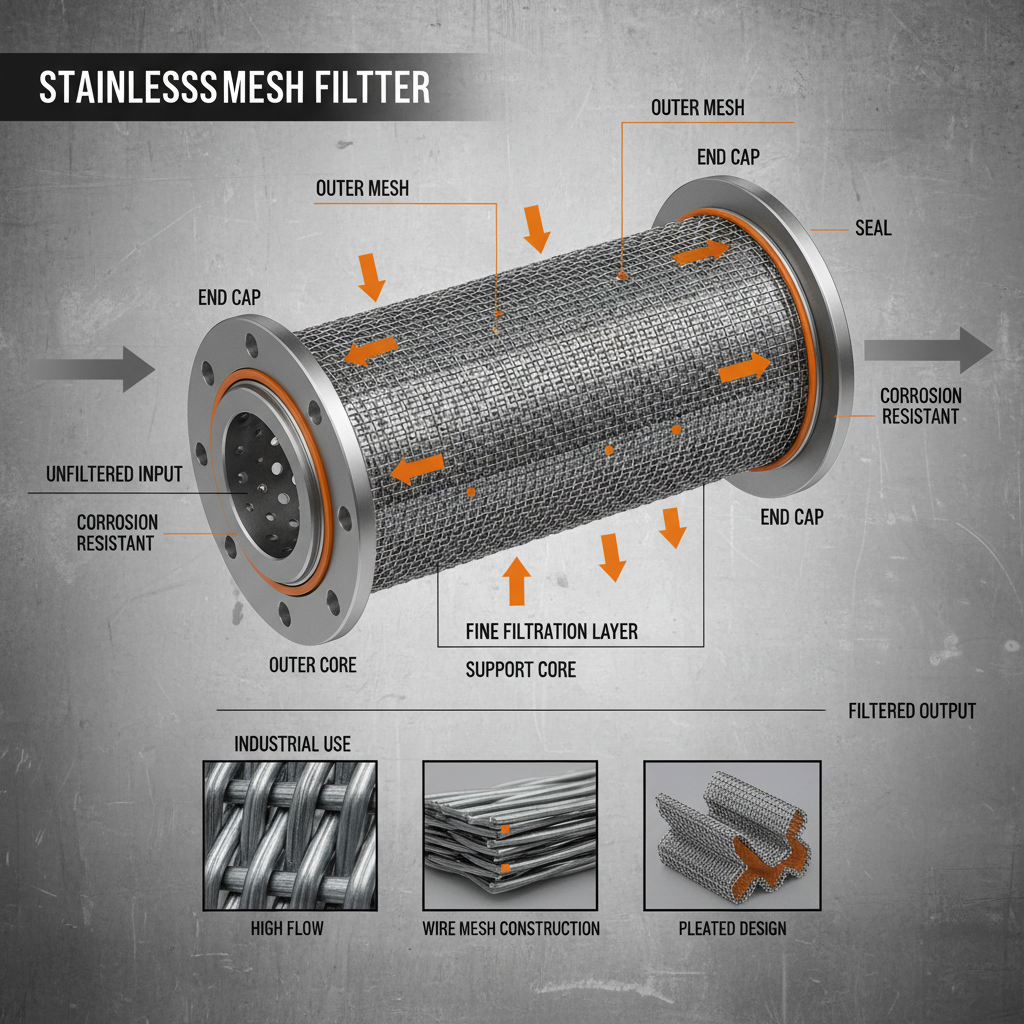
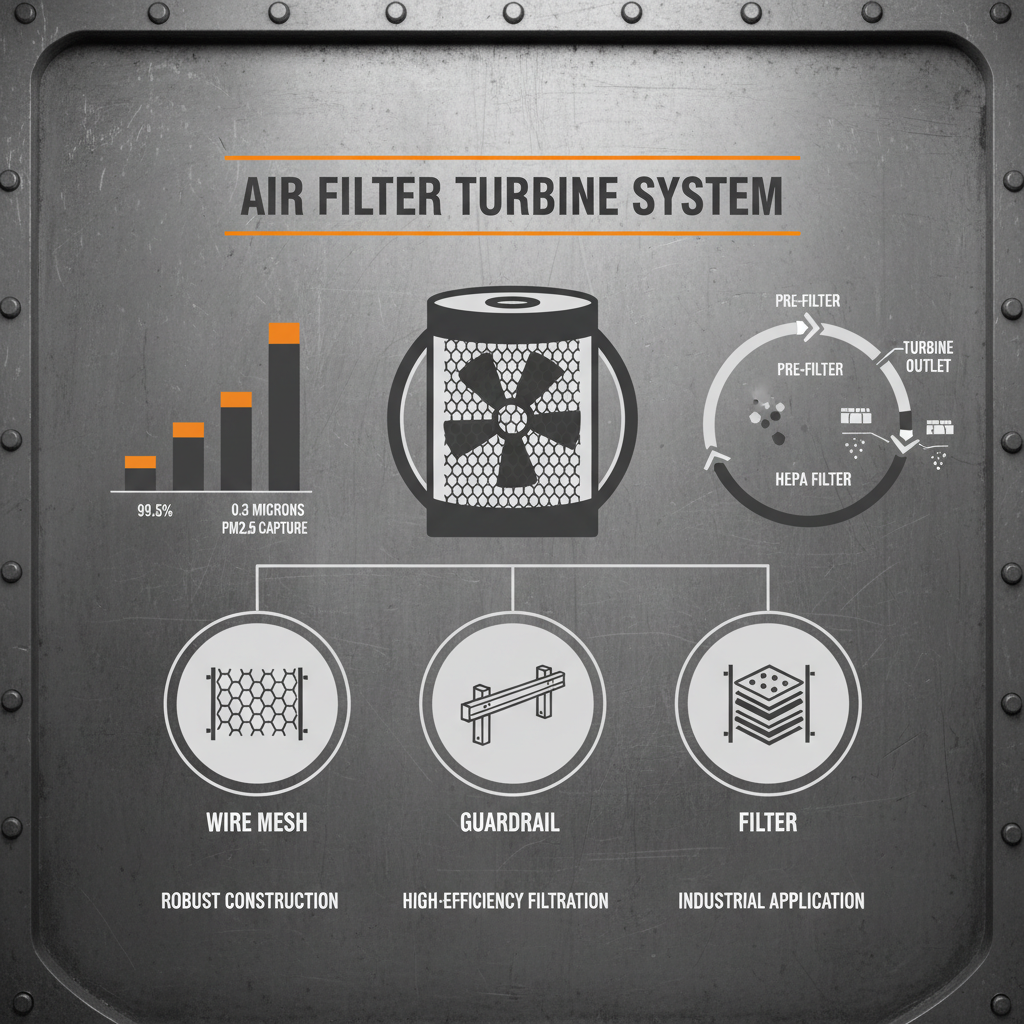
The performance of an air filter turbine hinges on the interplay of several core components. These include pre-filters for removing larger particles, HEPA filters for capturing microscopic contaminants, activated carbon filters for eliminating odors and gases, and a robust turbine mechanism for driving airflow. The specific configuration of these components is tailored to the unique demands of each application.

The turbine itself is designed to operate efficiently and reliably, delivering consistent air pressure while minimizing energy consumption. Advanced turbine designs incorporate features like variable speed drives and optimized blade geometries to enhance performance and extend the lifespan of the system. Proper maintenance and timely filter replacement are crucial for sustaining optimal functionality of the air filter turbine.

Furthermore, many modern air filter turbine systems incorporate sophisticated monitoring and control systems, allowing operators to track air quality, adjust settings, and receive alerts for maintenance needs. This proactive approach minimizes downtime and ensures continuous operation, ultimately optimizing overall system efficiency.

Key Performance Indicators of air filter turbine

Evaluating the effectiveness of an air filter turbine requires careful consideration of several key performance indicators (KPIs). These metrics provide insight into the system’s ability to deliver clean air efficiently and reliably.

Regularly monitoring these KPIs allows for proactive maintenance and optimization, ensuring that the air filter turbine continues to meet the specific demands of its application.

air filter turbine Performance Metrics


Global Applications of air filter turbine

The applications of air filter turbine systems are remarkably diverse, spanning a multitude of industries and geographic locations. In the pharmaceutical industry, they ensure sterile environments for drug manufacturing, preventing contamination and maintaining product integrity.

Similarly, in semiconductor fabrication, air filter turbines are crucial for removing microscopic particles that can damage delicate electronic components. In post-disaster relief operations, portable air filter turbine units provide clean air to shelters and medical facilities, protecting vulnerable populations from airborne contaminants.

Advantages and Long-Term Value

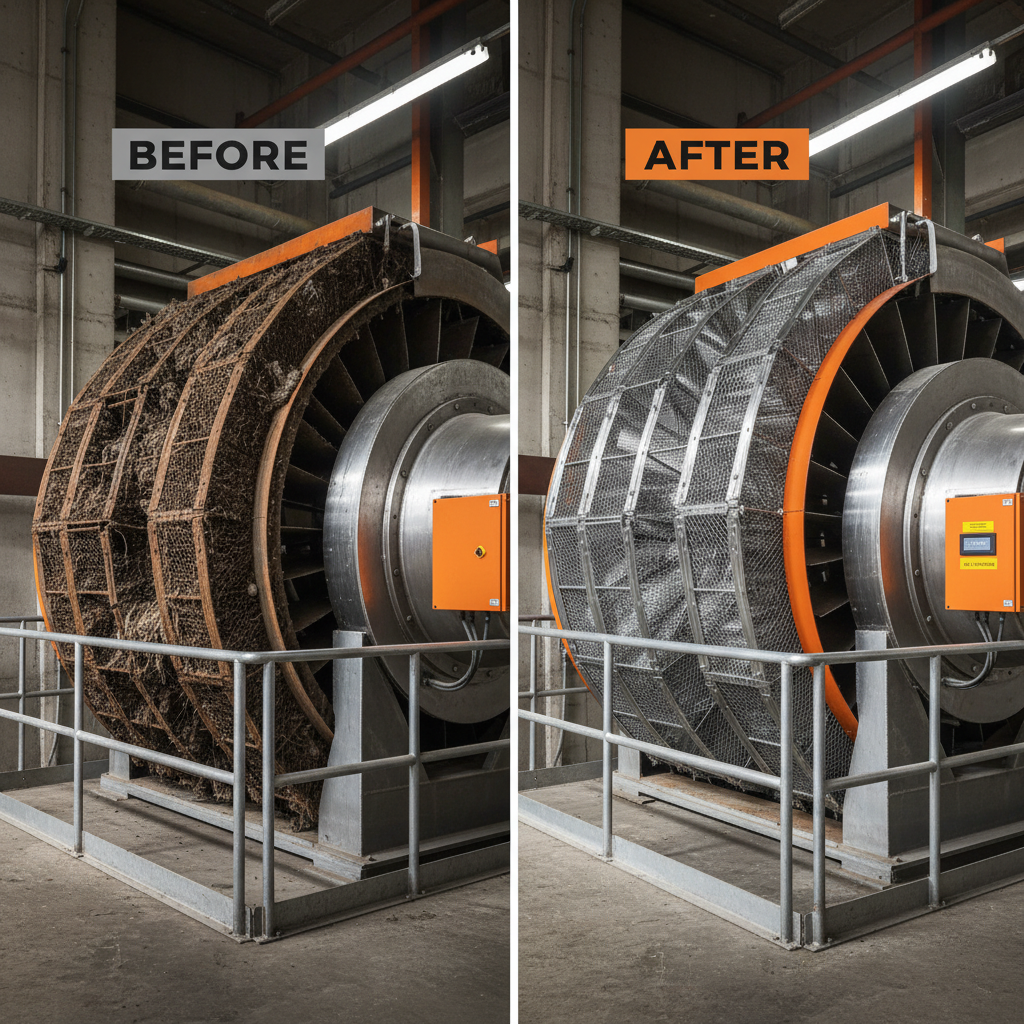
The advantages of implementing an air filter turbine system extend far beyond immediate operational improvements. Reduced energy consumption, lower maintenance costs, and increased employee productivity all contribute to significant long-term cost savings.

Furthermore, the enhanced air quality provided by these systems fosters a healthier and more sustainable work environment, promoting employee well-being and reducing healthcare costs. The reliability of a well-maintained air filter turbine translates to minimized downtime and increased production capacity, ultimately maximizing return on investment.

Investing in an air filter turbine isn't just about improving air quality; it’s about investing in a more sustainable, efficient, and responsible future.

Future Trends and Innovations

The future of air filter turbine technology is poised for significant advancements, driven by the growing demand for cleaner air and increased energy efficiency. Innovations in filter materials, such as nanofiber membranes and advanced carbon composites, are promising to deliver even higher levels of filtration performance.

The integration of artificial intelligence (AI) and machine learning (ML) into air filter turbine control systems will enable predictive maintenance, automated adjustments, and optimized energy consumption. Furthermore, the development of modular and scalable air filter turbine designs will allow for greater flexibility and customization to meet the specific needs of diverse applications.

Sustainability will remain a key driver, with a focus on developing eco-friendly materials and reducing the overall carbon footprint of these systems. Expect to see increased adoption of renewable energy sources to power air filter turbines, further minimizing their environmental impact.

FAQS

What are the typical maintenance requirements for an air filter turbine?

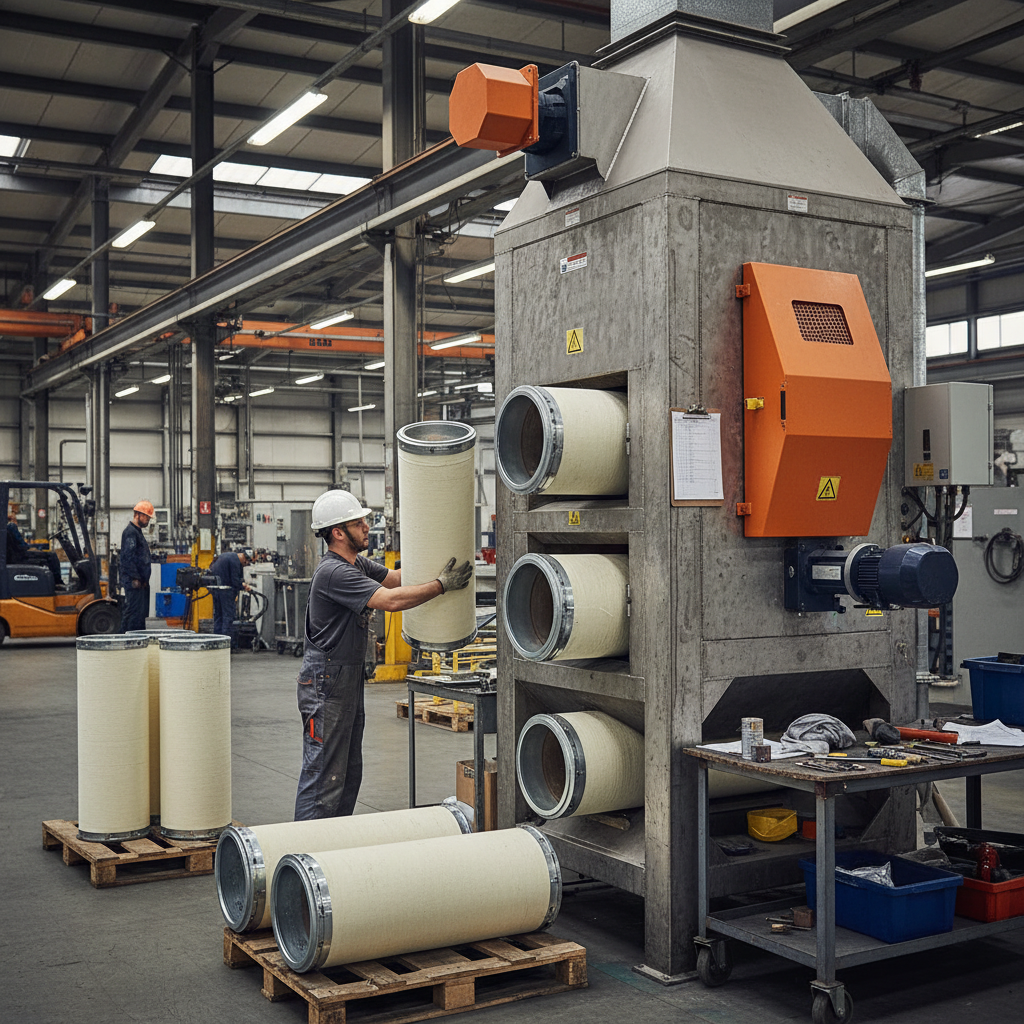
Routine maintenance for an air filter turbine includes regular filter replacement (pre-filters, HEPA filters, carbon filters), inspection of the turbine mechanism for wear and tear, and cleaning of system components. The frequency of maintenance depends on the operating environment and usage intensity, but generally, filters should be checked monthly and replaced as needed. Annual professional servicing is recommended to ensure optimal performance and longevity of the system.

How does an air filter turbine differ from a standard air purifier?

While both air filter turbines and standard air purifiers remove contaminants from the air, they differ significantly in their capabilities. Air purifiers are typically passive systems relying on fan-forced air circulation, while turbines actively drive air through multi-stage filtration. Air filter turbines deliver consistent pressurized airflow, making them ideal for industrial applications requiring precise air quality control. Standard purifiers are more suited for smaller spaces and general air cleaning.

What is the typical lifespan of an air filter turbine?

The lifespan of an air filter turbine varies depending on the quality of construction, operating conditions, and maintenance practices. With regular maintenance and proper care, a well-built turbine can operate reliably for 10-15 years or even longer. Key components like the turbine motor and filtration housing are designed for durability, but timely filter replacements and servicing are crucial for extending the system's overall lifespan.

Can an air filter turbine be customized for specific applications?

Yes, air filter turbines can be extensively customized to meet the unique requirements of various applications. This includes selecting specific filter types for targeted contaminant removal, adjusting airflow rates to match process demands, and incorporating specialized control systems for automated operation. Manufacturers can tailor turbine designs to fit specific space constraints and integrate with existing infrastructure.

What are the energy consumption considerations for air filter turbines?

Energy consumption is a key consideration when selecting an air filter turbine. Modern turbines are designed for energy efficiency, utilizing variable speed drives and optimized aerodynamic designs to minimize power usage. The energy consumption will depend on the turbine's capacity, airflow rate, and the type of filtration system employed. Choosing an energy-efficient model and implementing proper maintenance practices can significantly reduce operating costs.

What safety features are typically included in air filter turbine systems?

Safety is paramount in air filter turbine design. Typical safety features include overload protection for the turbine motor, pressure relief valves to prevent system damage, and interlock systems to prevent operation when access panels are open. Many systems also incorporate alarms to alert operators to potential issues, ensuring a safe and reliable operating environment. Regular safety inspections are essential.

Conclusion

In conclusion, the air filter turbine represents a critical advancement in air quality management, offering significant benefits across a wide range of industries and applications. From enhancing operational efficiency and ensuring worker safety to promoting environmental sustainability, these systems deliver a compelling return on investment. Understanding their core components, performance metrics, and future trends is essential for maximizing their value and adapting to evolving needs.

Looking ahead, continued innovation in filter materials, turbine technology, and AI-driven control systems will further enhance the performance and sustainability of air filter turbines. Embracing these advancements will not only improve air quality but also contribute to a healthier, more productive, and environmentally responsible future. Visit our website at www.onlyfiltercartridge.com to learn more.

William Davis

William Davis

William Davis is a Sales Manager at ONLY TECHNOLOGY, specializing in building relationships with clients in the construction and industrial production sectors. He possesses a strong technical background coupled with excellent communication skills. William works closely with customers to understand their specific filtration requirements and recommend the most appropriate products
Previous Advancements in Filter Turbine Technology for Efficient Resource Management
Next Leading Gas Turbine Filter Manufacturers for Enhanced Performance and Reliability
Copyright © 2026 ONLY Technology (hebei Province) Co., Ltd. All Rights Reserved. Sitemap | Privacy Policy | Top Blog | Global Service