 Email:admin@only-filter.com
 Tel:
+8615930870079
Tel:
+8615930870079
Apr . 07, 2026 02:05 Back to list
Comprehensive Guide to Stainless Steel Filter Element Applications and Selection
Understanding Stainless Steel Filter Elements
In numerous industrial applications, maintaining fluid purity is critical. Stainless steel filter elements play a vital role in achieving this, offering robust and reliable filtration. This article will explore the benefits, applications, types, and selection criteria of stainless steel filter elements, providing a comprehensive guide for professionals and engineers. Choosing the right filter element significantly impacts system efficiency and product quality.
Why Choose Stainless Steel Filter Elements?
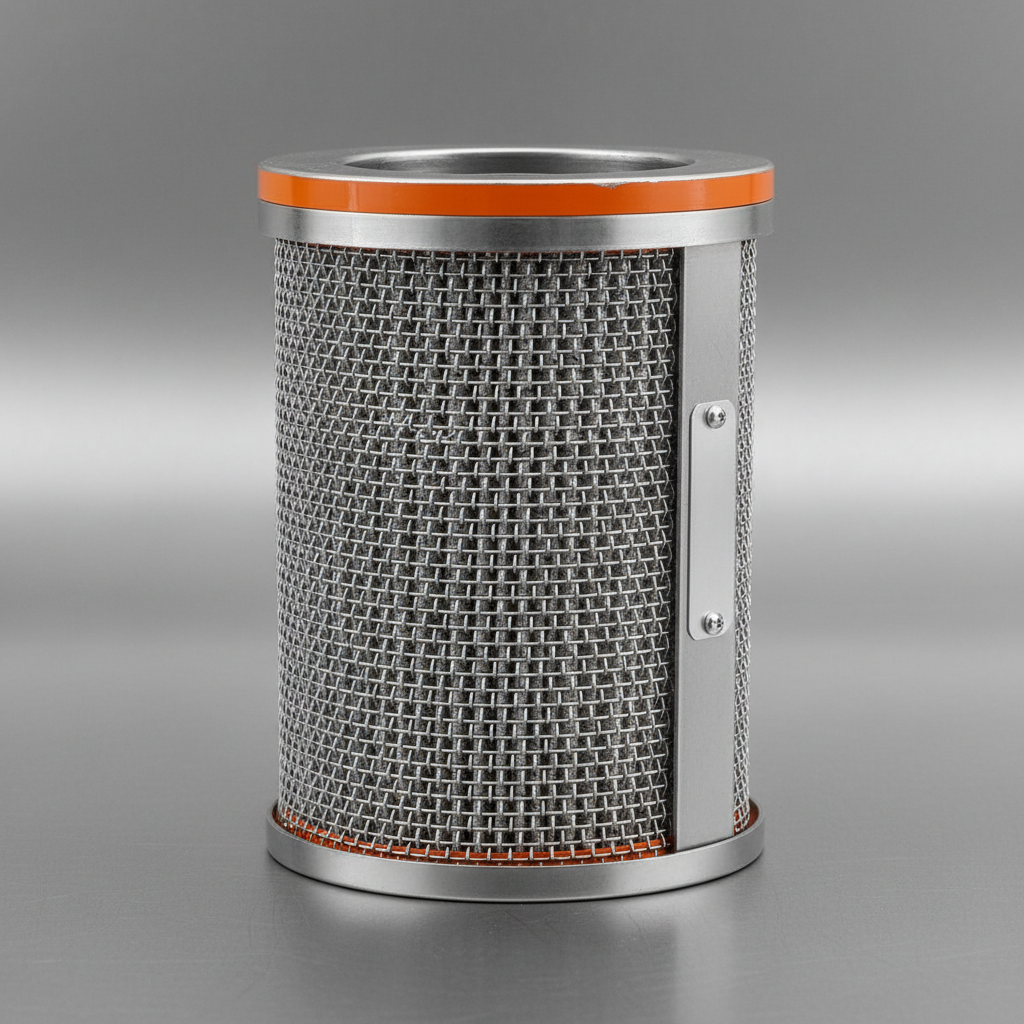
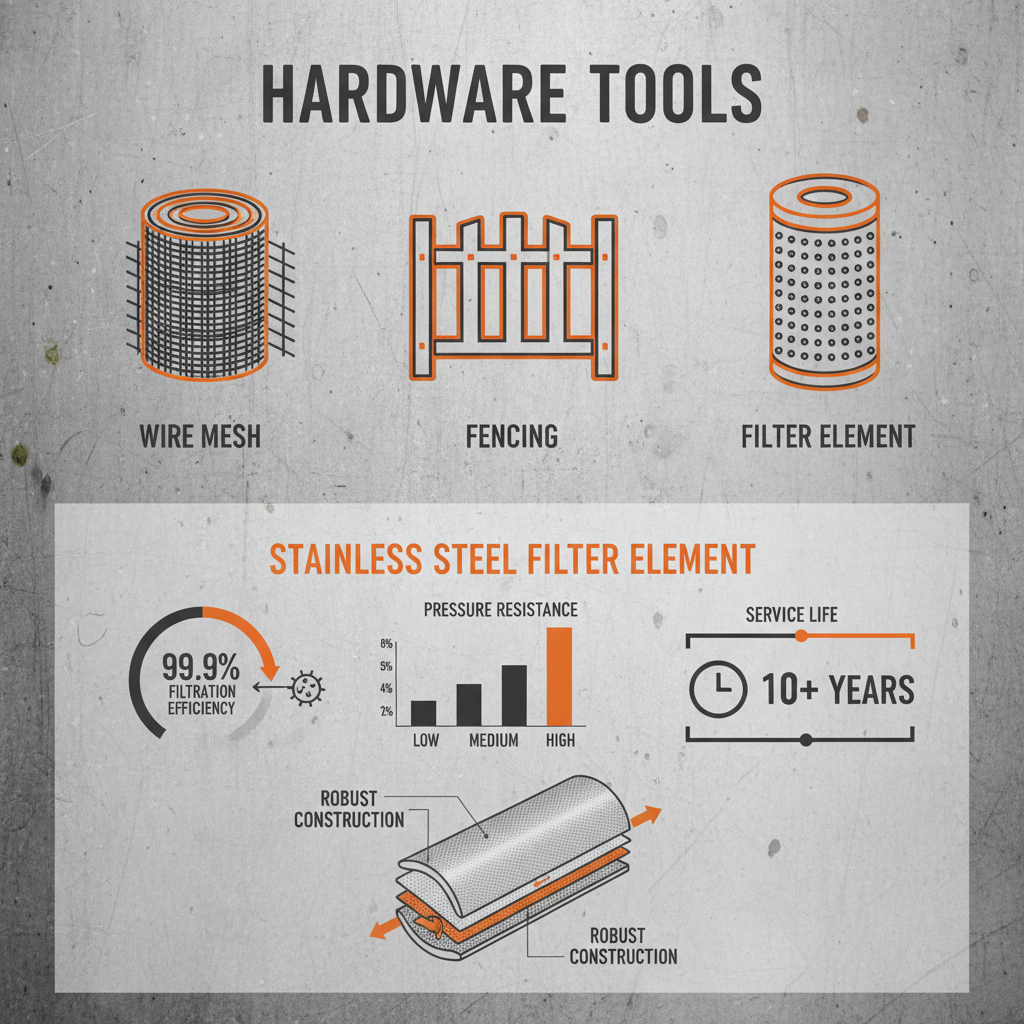
Stainless steel filter elements offer several advantages over other materials. Firstly, they provide exceptional corrosion resistance, making them ideal for use with aggressive fluids and harsh environments. Secondly, they boast high strength and durability, ensuring long-lasting performance. They can also withstand high temperatures and pressures without deformation. Furthermore, stainless steel is non-magnetic and doesn't react with most chemicals, preserving fluid integrity. This makes them a superior choice for applications where purity and reliability are paramount. Only Filter Cartridge provides a wide range of options to meet diverse filtration needs.
Key Benefits: Exceptional corrosion resistance, high strength & durability, withstanding high temperatures & pressures, chemical inertness.
Applications of Stainless Steel Filter Elements
The versatility of stainless steel filter elements allows for use in a wide array of industries. Common applications include: water treatment, food and beverage processing, pharmaceuticals, chemicals, oil and gas, and compressed air filtration. In water treatment, they remove sediment and impurities. In the food and beverage industry, they ensure product purity and safety. Pharmaceutical applications demand stringent filtration for sterile processes, and stainless steel provides the necessary reliability. The chemical industry relies on them for filtering corrosive substances.
Common Applications:
• Water Treatment
• Food and Beverage Processing
• Pharmaceuticals
• Chemical Processing
Types of Stainless Steel Filter Elements
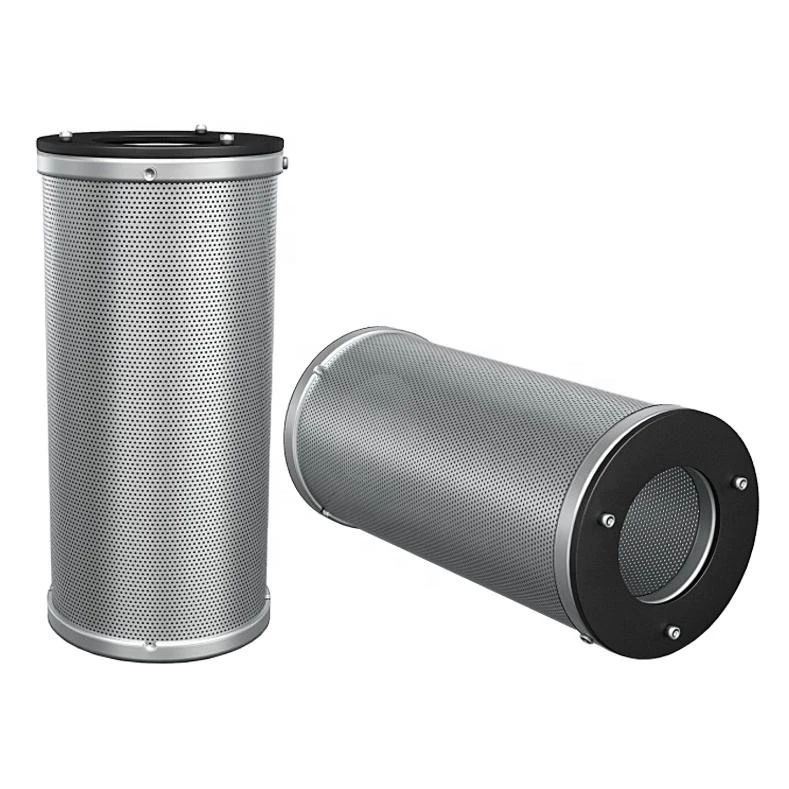
Stainless steel filter elements come in various configurations, each suited for specific filtration needs. Common types include: pleated filters, sintered filters, wedge wire filters, and mesh filters. Pleated filters offer a large surface area for high flow rates and relatively low pressure drops. Sintered filters provide excellent particle retention and are ideal for critical applications. Wedge wire filters offer high strength and are often used in self-cleaning systems. Mesh filters are a cost-effective solution for basic filtration. The choice depends on factors like particle size, flow rate, and pressure requirements.
Selecting the Right Stainless Steel Filter Element
Choosing the optimal stainless steel filter element requires careful consideration of several factors. Key parameters include: particle size, flow rate, operating pressure, fluid compatibility, and temperature. Determine the minimum particle size you need to remove. Calculate the required flow rate for your system. Ensure the element can withstand the operating pressure. Verify compatibility with the fluid being filtered. Consider the operating temperature. Only Filter Cartridge offers expert guidance to help you select the appropriate element.
Maintenance and Longevity
Proper maintenance is crucial for maximizing the lifespan of stainless steel filter elements. Regular cleaning or backwashing can remove accumulated contaminants and restore flow rate. Inspect elements periodically for damage, such as cracks or corrosion. Replace elements when their performance degrades or they show signs of irreversible damage. Following the manufacturer's recommendations for cleaning and replacement ensures optimal filtration efficiency and prevents system failures.
Conclusion: Investing in Quality Filtration
Investing in high-quality stainless steel filter elements is essential for maintaining fluid purity and system efficiency. By understanding the different types, applications, and selection criteria, you can choose the optimal solution for your specific needs. Only Filter Cartridge is dedicated to providing reliable and innovative filtration solutions.
Frequently Asked Questions (FAQs)
What is the typical lifespan of a stainless steel filter element?
The lifespan of a stainless steel filter element varies significantly based on the application and the level of contamination in the fluid. Generally, they can last from several months to a year or more with proper maintenance. Factors influencing lifespan include the particle load, fluid viscosity, temperature, and pressure. Regular monitoring of pressure drop across the element is a key indicator of when replacement is needed. A significant increase in pressure drop signifies that the element is becoming clogged and requires attention. Routine cleaning can extend the lifespan, but eventual replacement is inevitable.
Can stainless steel filter elements be cleaned and reused?
Yes, many stainless steel filter elements can be cleaned and reused, especially those designed for backwashing or ultrasonic cleaning. However, the feasibility of cleaning depends on the type of contamination and the element's construction. For example, sintered filters can often be effectively cleaned, while pleated filters may be more challenging to restore to their original performance. It’s crucial to follow the manufacturer’s guidelines for cleaning procedures to avoid damaging the element. Consider the cost-benefit ratio of cleaning versus replacement, as repeated cleaning can eventually degrade the element's structure.
What grade of stainless steel is commonly used for filter elements?
304 and 316 stainless steel are the most commonly used grades for filter elements. 304 stainless steel offers excellent corrosion resistance for a wide range of applications, while 316 stainless steel provides superior resistance to chlorides and other harsh chemicals, making it ideal for marine environments or processes involving corrosive fluids. The choice between the two depends on the specific fluid composition and operating conditions. 316 stainless steel is generally more expensive but offers enhanced durability in challenging environments.
-
High-Efficiency Adsorption for Clean Air & Water PurificationNewsApr.20,2026
-
Air Filter Cartridge: High-Efficiency Filtration for Engine Protection & Clean Air SupplyNewsApr.17,2026
-
Filter Paper: Precision Filtration Media for Industrial & Laboratory ExcellenceNewsApr.16,2026
-
Industrial Guide for Selecting a Stainless Filter CartridgeNewsApr.16,2026
-
Dust Filter Cartridges: High-Efficiency Industrial Filtration for Clean Production & ComplianceNewsApr.15,2026
-
Filter Paper: High-Efficiency Filtration Solution for Industrial & Laboratory UseNewsApr.14,2026