 Email:admin@only-filter.com
 Tel:
+8615930870079
Tel:
+8615930870079
Mar . 05, 2026 02:05 Back to list
Comprehensive Guide to HEPA Cartridges for Optimal Air Filtration Systems
Understanding HEPA Cartridges: A Comprehensive Guide
HEPA (High-Efficiency Particulate Air) cartridges are crucial components in filtration systems, widely used to remove airborne particles for improved air quality. From industrial settings to residential HVAC systems, these cartridges play a vital role in protecting equipment and human health. This article will delve into the workings of HEPA cartridges, their applications, benefits, and how to choose the right one for your needs. Ensuring optimal filtration is essential for various industries, and understanding HEPA technology is the first step.
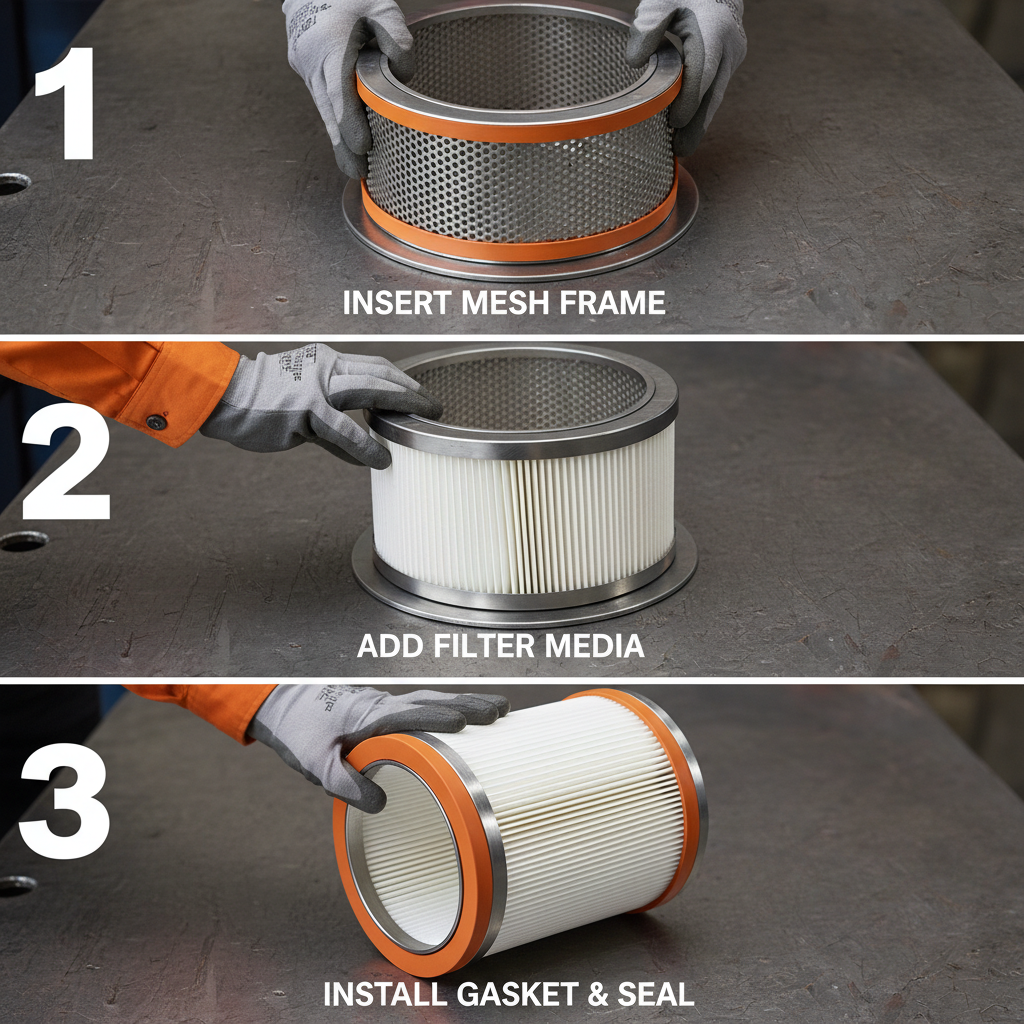
How Do HEPA Cartridges Work?
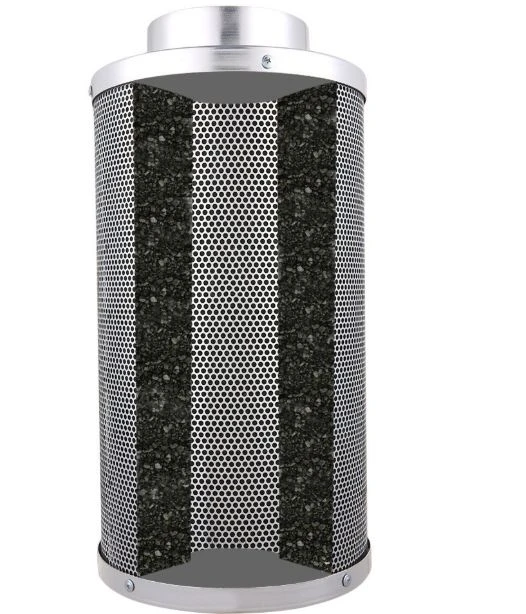
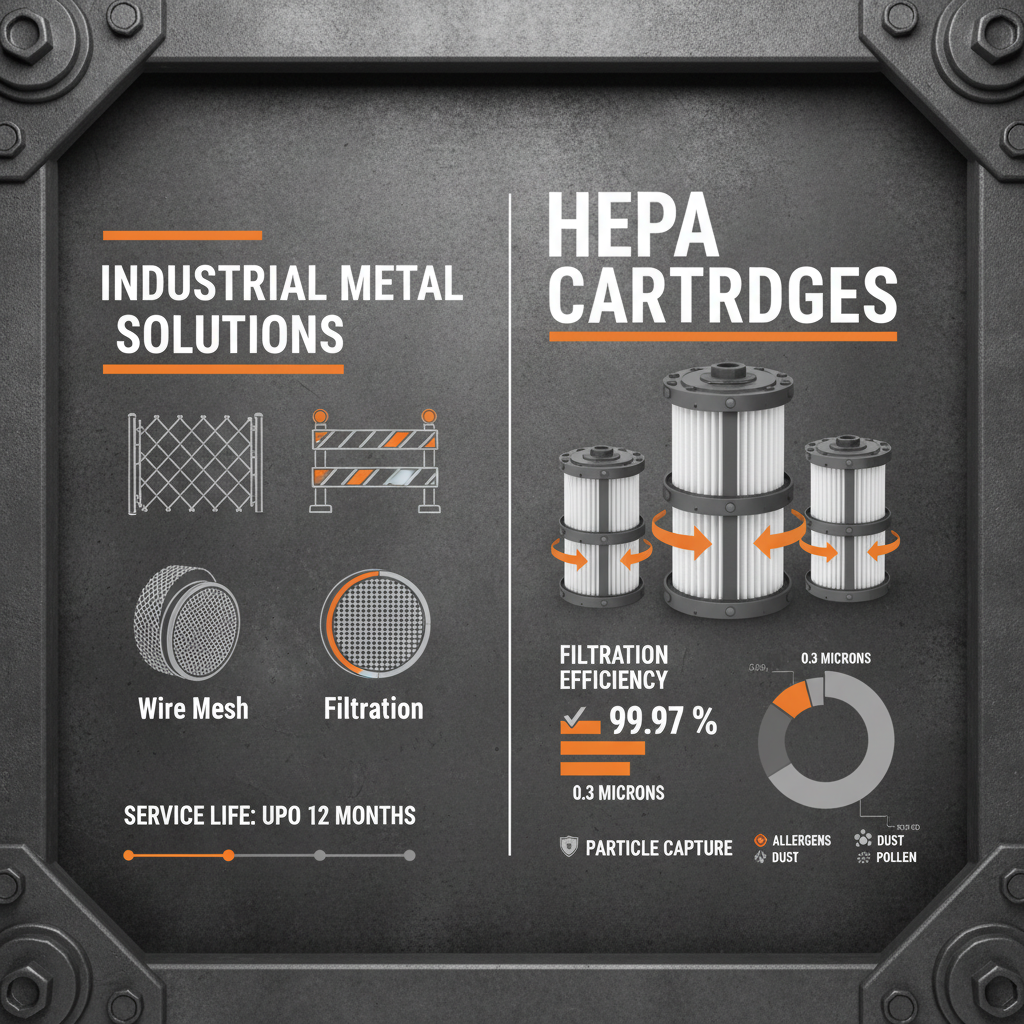
HEPA cartridges aren't just simple filters; they employ a sophisticated filtration mechanism. They are designed to capture at least 99.97% of particles 0.3 microns in diameter. This is achieved through a combination of four primary principles: interception, impaction, diffusion, and straining. Interception occurs when particles follow the airflow but come into direct contact with a fiber. Impaction happens when larger, heavier particles cannot navigate the airflow bends and collide with the fibers. Diffusion traps smaller particles as they move randomly and collide with fibers. Straining simply involves particles being physically trapped in the filter's pore spaces. These mechanisms work in concert to create a highly efficient barrier against airborne contaminants.
Key Highlights: HEPA cartridges utilize a multi-layered filtration process involving interception, impaction, diffusion, and straining to capture 99.97% of particles 0.3 microns in diameter.
Applications of HEPA Cartridges
The versatility of HEPA cartridges allows for widespread application across various industries. In healthcare, they are critical in operating rooms, isolation wards, and pharmaceutical manufacturing to maintain sterile environments. Industrial settings utilize them to remove dust, fumes, and other harmful particles, protecting workers and sensitive equipment. HVAC systems benefit from HEPA filters to improve indoor air quality in homes, offices, and commercial buildings. Beyond these, you’ll find them in vacuum cleaners, air purifiers, and even some vehicle cabins. OnlyFilterCartridge.com offers solutions for diverse industrial and commercial filtration needs.
Common Applications:
• Healthcare Facilities (Operating Rooms, Labs)
• Industrial Manufacturing (Electronics, Pharmaceuticals)
• HVAC Systems (Residential & Commercial)
• Air Purifiers and Vacuum Cleaners
Choosing the Right HEPA Cartridge
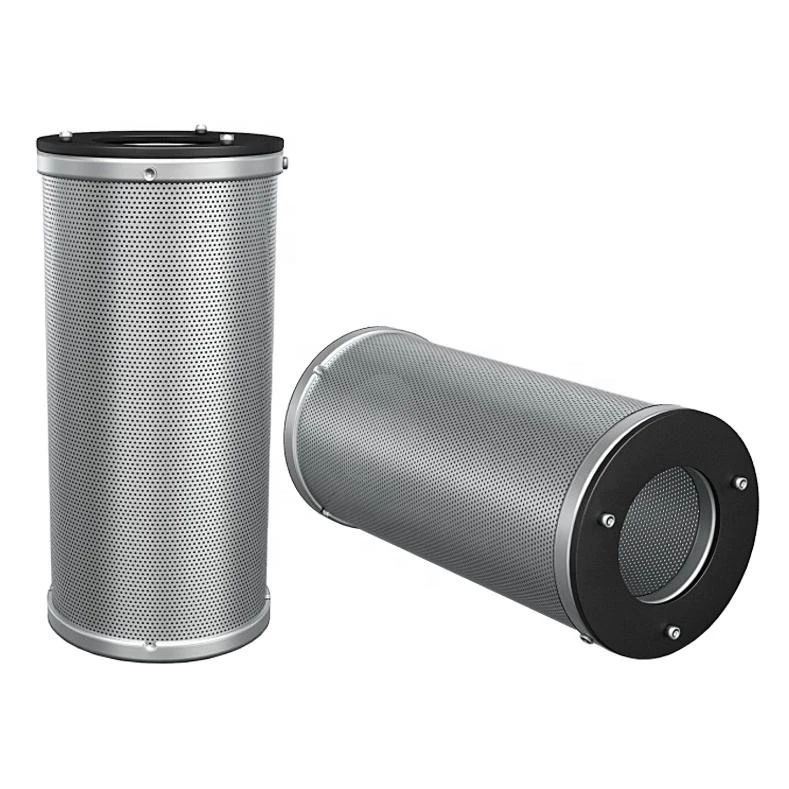
Selecting the appropriate HEPA cartridge is vital for optimal performance. Consider the specific contaminants you need to remove – different cartridges may be more effective against certain particles. The airflow rate of your system is another critical factor; the cartridge must be able to handle the volume of air without causing excessive pressure drop. Cartridge size and compatibility with your existing filtration system are also essential. Finally, look for cartridges that meet relevant industry standards and certifications. OnlyFilterCartridge offers a variety of HEPA cartridges to suit different applications.
HEPA vs. Other Filter Types
While various filter types exist, HEPA cartridges stand out for their exceptional efficiency. Compared to standard filters, they capture a significantly higher percentage of airborne particles. MERV (Minimum Efficiency Reporting Value) filters are rated on a scale, with HEPA filters generally corresponding to a MERV rating of 17-20. ULPA (Ultra-Low Penetration Air) filters offer even higher efficiency but are typically used in more specialized applications. Electrostatic precipitators and UV filters offer alternative filtration methods, but often require more maintenance and may not capture particles as effectively. Understanding these differences helps you choose the optimal filtration solution for your needs.
Maintenance and Replacement of HEPA Cartridges
HEPA cartridges are typically non-washable and require periodic replacement. The frequency of replacement depends on the level of contamination and usage. Regularly monitor the pressure drop across the cartridge; a significant increase indicates the filter is becoming clogged. Follow the manufacturer's recommendations for replacement intervals. Proper disposal of used cartridges is crucial, especially when handling hazardous materials. Always wear appropriate personal protective equipment (PPE) during replacement to avoid exposure to captured contaminants.
Conclusion: Protecting Your Air Quality with HEPA Technology
Investing in high-quality HEPA cartridges is a proactive step towards improving air quality and protecting both equipment and human health. By understanding the principles of HEPA filtration, choosing the right cartridge for your application, and adhering to proper maintenance procedures, you can ensure optimal performance and long-lasting results. Don't compromise on air quality – choose a reliable partner like OnlyFilterCartridge.com.
Frequently Asked Questions (FAQs)
How often should I replace my HEPA cartridge?
The replacement frequency depends on usage and the level of contaminants. A good rule of thumb is to check the pressure drop across the cartridge regularly. A significant increase indicates clogging and the need for replacement. Manufacturers typically recommend replacement every 6-12 months for general use, but this can vary. In heavily polluted environments, more frequent replacement may be necessary. Always consult the manufacturer's guidelines for specific recommendations.
Are HEPA cartridges washable?
No, HEPA cartridges are generally not washable. Washing can damage the delicate fibers and compromise their filtration efficiency. Attempting to clean a HEPA cartridge can actually reduce its effectiveness and potentially release trapped particles back into the air. They are designed to be disposable and replaced when they become clogged.
What safety precautions should I take when replacing a HEPA cartridge?
When replacing a HEPA cartridge, always wear appropriate personal protective equipment (PPE), including gloves, a mask, and eye protection. This will prevent exposure to any trapped particles. Seal the used cartridge in a plastic bag before disposal to contain contaminants. Follow local regulations for proper disposal procedures, especially if the cartridge has been used to filter hazardous materials.
What is the difference between a HEPA and a True HEPA filter?
The term "True HEPA" is often used in marketing and is essentially synonymous with a standard HEPA filter. To be classified as HEPA, a filter must capture at least 99.97% of particles 0.3 microns in diameter. While some manufacturers use “HEPA-type” or “HEPA-like” to describe filters that don’t meet this standard, “True HEPA” is generally used to emphasize compliance with the genuine HEPA specification.
-
High-Efficiency Adsorption for Clean Air & Water PurificationNewsApr.20,2026
-
Air Filter Cartridge: High-Efficiency Filtration for Engine Protection & Clean Air SupplyNewsApr.17,2026
-
Filter Paper: Precision Filtration Media for Industrial & Laboratory ExcellenceNewsApr.16,2026
-
Industrial Guide for Selecting a Stainless Filter CartridgeNewsApr.16,2026
-
Dust Filter Cartridges: High-Efficiency Industrial Filtration for Clean Production & ComplianceNewsApr.15,2026
-
Filter Paper: High-Efficiency Filtration Solution for Industrial & Laboratory UseNewsApr.14,2026