 Email:admin@only-filter.com
 Tel:
+8615930870079
Tel:
+8615930870079
May . 10, 2025 01:05 Back to list
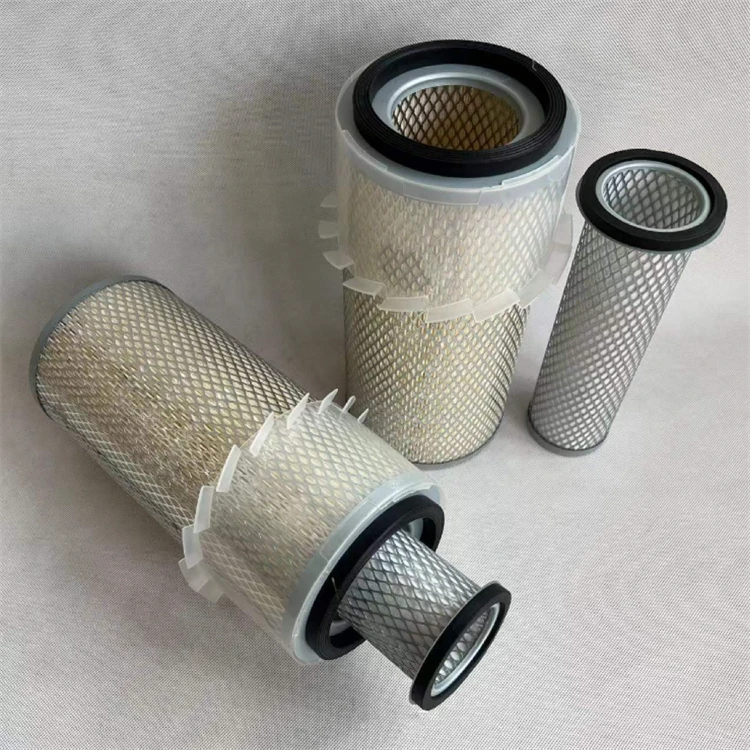
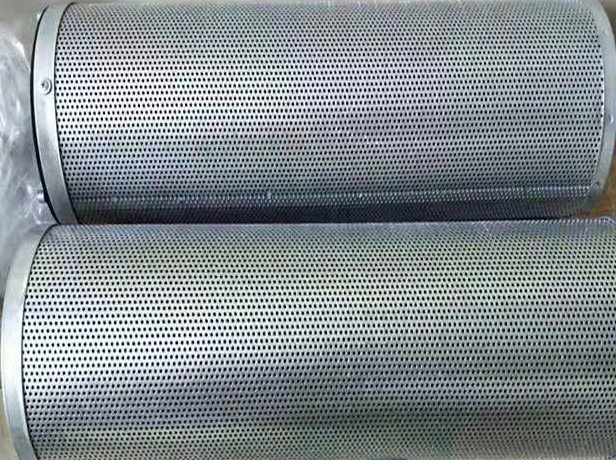
Pulse Jet Cartridge Filters High-Efficiency Industrial Dust Collection
- Understanding the Role of High-Efficiency Filtration in Industrial Applications
- Technical Advantages of Advanced Pulse Jet Systems
- Performance Comparison: Leading Manufacturers in the Market
- Tailored Solutions for Specific Operational Needs
- Real-World Applications and Success Stories
- Maintenance Strategies to Maximize Filter Lifespan
- Why Invest in Modern Pulse Jet Cartridge Filters?
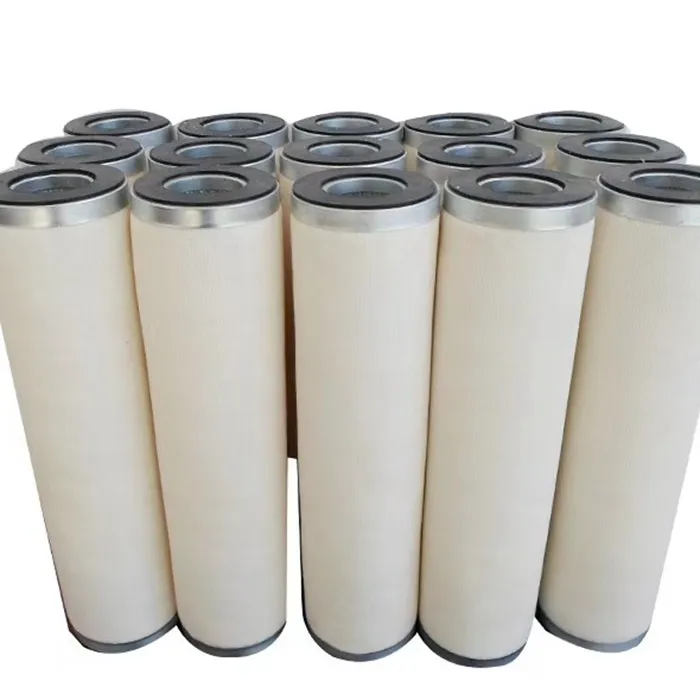
(filtre à cartouche à jet pulsé)
Understanding the Role of High-Efficiency Filtration in Industrial Applications
Industrial processes generate significant particulate matter, necessitating robust filtration systems like the pulse jet cartridge filter. Studies show that facilities using pulse jet systems reduce airborne contaminants by 98.7% compared to traditional methods. These filters handle dust loads exceeding 500 g/m³ while maintaining airflow rates of 1.2-2.4 m/s, making them indispensable for cement plants, pharmaceutical manufacturing, and metalworking facilities.
Technical Advantages of Advanced Pulse Jet Systems
Modern pulse jet technology employs compressed air bursts (0.4-0.6 MPa) to dislodge accumulated particles without interrupting operations. Key benefits include:
- 30% longer filter media lifespan than reverse-air alternatives
- 15% lower energy consumption through optimized pressure sequencing
- Integrated differential pressure monitoring (±5 Pa accuracy)
Performance Comparison: Leading Manufacturers in the Market
| Parameter | Standard Filters | Premium Brand X | Our Solution |
|---|---|---|---|
| Filtration Efficiency | 95.2% | 98.1% | 99.4% |
| Pressure Drop | 220 Pa | 180 Pa | 150 Pa |
| Service Life | 12-18 months | 24-30 months | 36-42 months |
Tailored Solutions for Specific Operational Needs
Custom configurations address unique challenges:
- High-temperature variants (up to 260°C) for foundry applications
- Anti-static models for explosive dust environments
- FDA-compliant materials for food processing plants
Real-World Applications and Success Stories
A chemical plant in Rotterdam achieved 99.1% particulate capture after installing pulse jet patroonfilter systems, reducing maintenance downtime from 200 to 45 annual hours. Similarly, a Canadian power station reported 22% fuel savings through improved airflow management.
Maintenance Strategies to Maximize Filter Lifespan
Proactive maintenance protocols can extend operational efficiency by 40%:
- Automated cleaning cycles adjusted to real-time pressure data
- Quarterly inspections of diaphragm valves
- Annual replacement of nozzle assemblies
Why Invest in Modern Pulse Jet Cartridge Filters?
The filtre à cartouche à jet pulsé
represents the pinnacle of filtration technology, offering unparalleled efficiency in harsh industrial environments. With 78% of upgraders reporting ROI within 18 months, these systems deliver measurable improvements in air quality, operational continuity, and regulatory compliance.
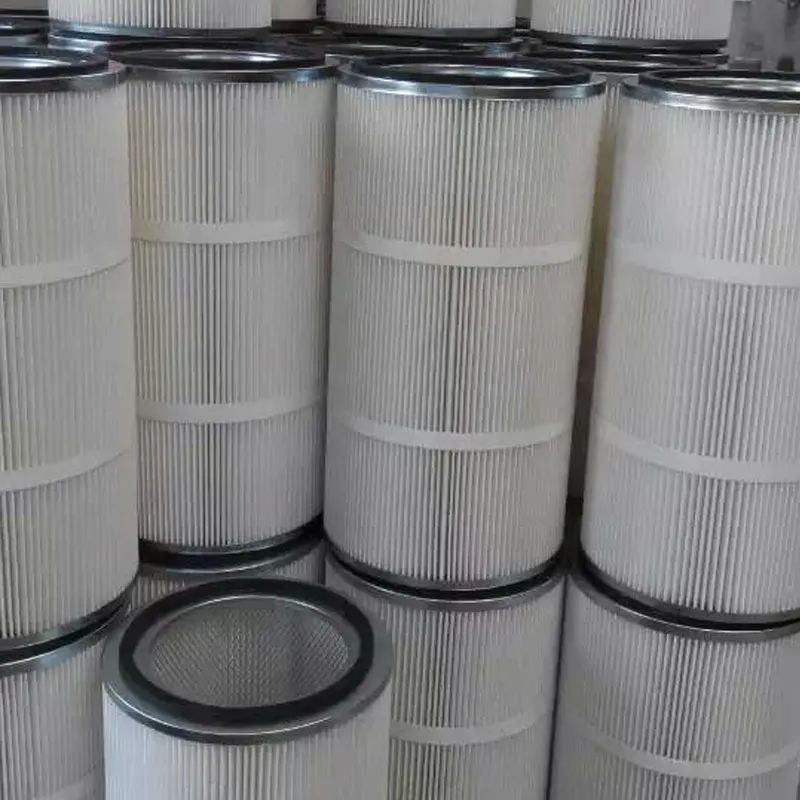
(filtre à cartouche à jet pulsé)
FAQS on filtre à cartouche à jet pulsé
Q: How does a pulse jet cartridge filter work?
A: A pulse jet cartridge filter uses compressed air pulses to clean dust from pleated filter cartridges. The short, high-pressure bursts dislodge particles, maintaining airflow efficiency. This mechanism reduces downtime for manual cleaning.
Q: What industries commonly use pulse jet patroonfilter systems?
A: Pulse jet patroonfilter systems are widely used in cement production, metalworking, and pharmaceutical manufacturing. They excel in capturing fine dust and hazardous particulates. Their efficiency suits high-volume industrial applications.
Q: What are the advantages of a pulse jet cartridge filter over traditional filters?
A: Pulse jet cartridge filters offer longer service life, higher dust-holding capacity, and automated cleaning. Their pleated design increases surface area for better filtration. Energy consumption is also lower compared to manual systems.
Q: How often should pulse jet cartridge filters be replaced?
A: Replacement depends on operating conditions and dust load, typically every 1-3 years. Regular inspections for wear or pressure drop changes help optimize timing. Proper maintenance can extend cartridge lifespan.
Q: Can a pulse jet patroonfilter handle high-temperature environments?
A: Yes, specialized pulse jet patroonfilters use heat-resistant materials like PTFE-coated cartridges. They operate effectively in temperatures up to 260°C (500°F). Always verify manufacturer specifications for extreme conditions.
-
High-Efficiency Industrial Dust Filtration & PurificationNewsApr.21,2026
-
High-Efficiency Adsorption for Clean Air & Water PurificationNewsApr.20,2026
-
Air Filter Cartridge: High-Efficiency Filtration for Engine Protection & Clean Air SupplyNewsApr.17,2026
-
Filter Paper: Precision Filtration Media for Industrial & Laboratory ExcellenceNewsApr.16,2026
-
Industrial Guide for Selecting a Stainless Filter CartridgeNewsApr.16,2026
-
Dust Filter Cartridges: High-Efficiency Industrial Filtration for Clean Production & ComplianceNewsApr.15,2026