 Email:admin@only-filter.com
 Tel:
+8615930870079
Tel:
+8615930870079
Mar . 19, 2026 02:05 Back to list
Optimizing Industrial Filtration with Advanced Filter Turbine Technology
Understanding Filter Turbines: Applications and Benefits
In the world of industrial filtration, filter turbines represent a robust and efficient solution for separating solids from fluids. These specialized systems are critical across various industries, from wastewater treatment to oil & gas. This article explores the inner workings of filter turbines, their key applications, the benefits they offer, and considerations for choosing the right system. Effective filtration is paramount to operational efficiency and environmental responsibility, and filter turbines play a significant role in achieving both.
What is a Filter Turbine and How Does it Work?
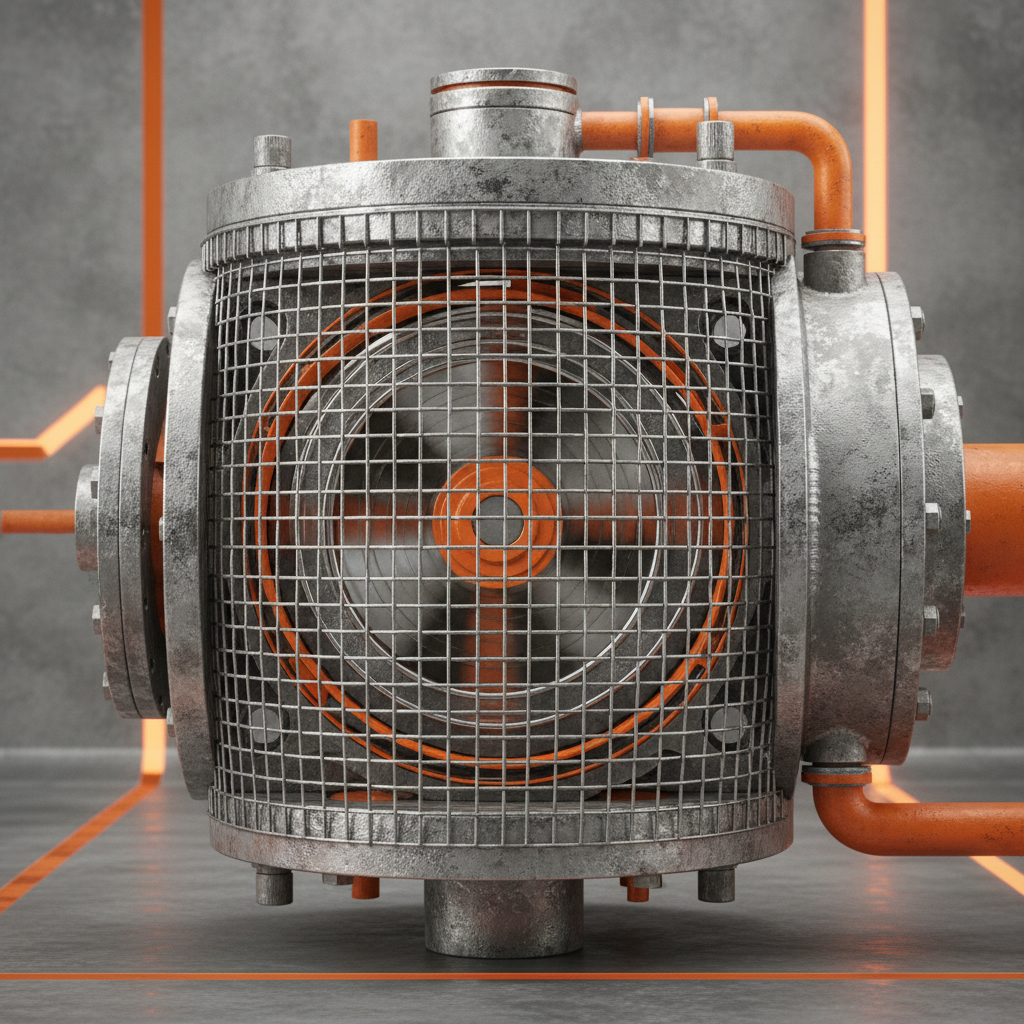
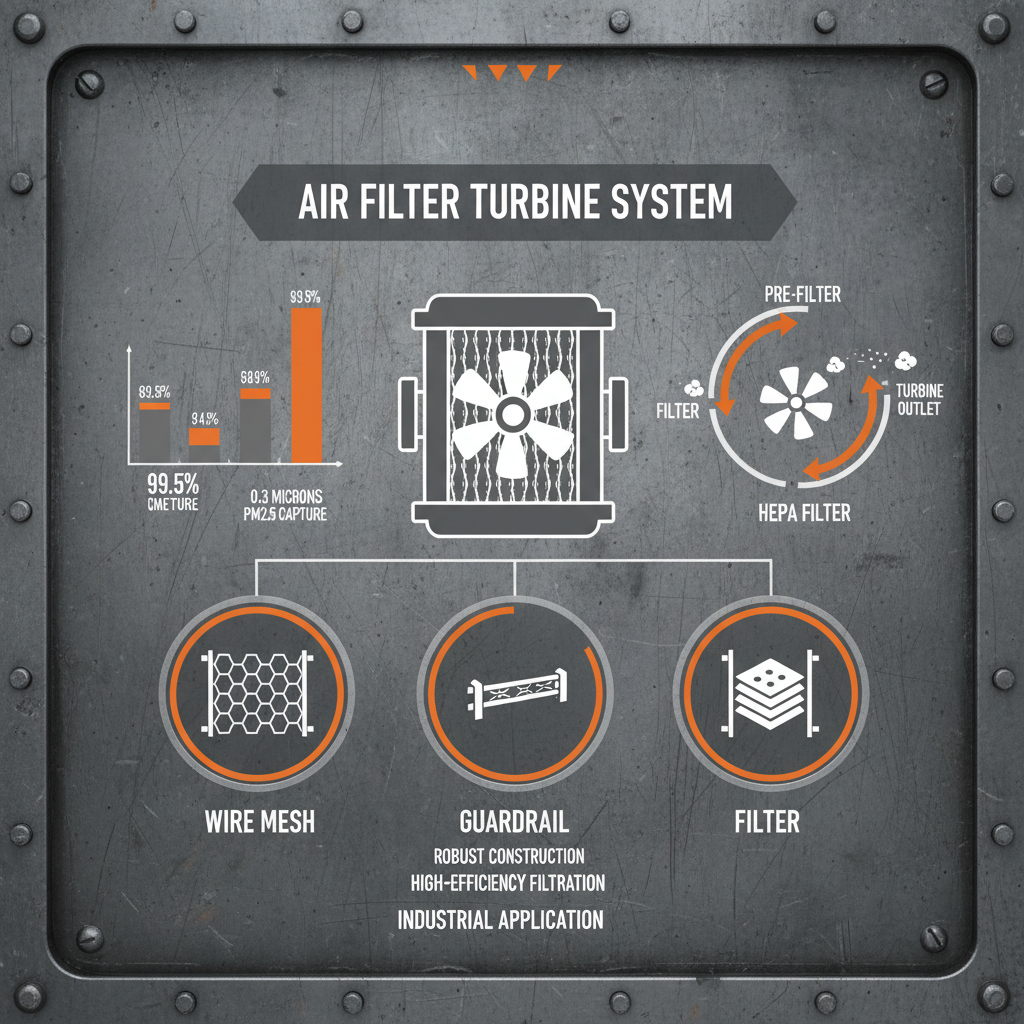
A filter turbine, also known as a self-cleaning filter, utilizes centrifugal force to effectively separate particulate matter from a liquid stream. The core component is a rotating turbine with specially designed filter elements. As the fluid enters the turbine, it's accelerated, causing heavier solids to be flung outwards and collected. The clean fluid passes through the filter elements and continues through the system. A key feature is the self-cleaning mechanism – accumulated solids are periodically purged, minimizing maintenance and downtime. This technology is far more efficient than traditional filtration methods in dealing with high solid loads.
Key Highlights: Utilizes centrifugal force for efficient solids separation, features a self-cleaning mechanism reducing downtime, and is highly effective with high solid loads.
Key Applications of Filter Turbines
The versatility of filter turbines makes them applicable across a broad spectrum of industries. In wastewater treatment, they effectively remove debris and solids from influent water. The oil & gas industry utilizes them to clean up produced water before reinjection or disposal. Furthermore, they are employed in paper mills, food processing plants, and various industrial processes where removing solids is essential for maintaining product quality and preventing equipment damage. The ability to handle varying solid concentrations and fluid types contributes to their widespread adoption.
Application Areas:
• Wastewater Treatment Plants
• Oil & Gas Production
• Paper and Pulp Industry
• Food and Beverage Processing
Filter Turbine vs. Traditional Filters: A Comparative Analysis
Compared to traditional filtration methods like bag filters or cartridge filters, filter turbines offer several key advantages. Traditional filters require frequent replacement, leading to higher operational costs and downtime. Filter turbines, with their self-cleaning capabilities, significantly reduce maintenance requirements. They also handle higher solids loading without a drastic reduction in flow rate. While the initial investment for a filter turbine might be higher, the long-term cost savings and increased efficiency often outweigh the upfront expense. Choosing the right filtration system depends on the specific application and operational needs.
Selecting the Right Filter Turbine for Your Needs
Choosing the appropriate filter turbine involves careful consideration of several factors. The fluid’s viscosity, solid concentration, particle size, and flow rate are all critical parameters. The material of construction should be compatible with the fluid being filtered to prevent corrosion or contamination. Contacting a specialist like Only Filter Cartridge can provide expert guidance in selecting the optimal system for your specific application. Proper sizing and configuration are essential for maximizing efficiency and minimizing operational costs.
Conclusion: Optimizing Filtration with Filter Turbine Technology
Filter turbines offer a compelling solution for industries seeking efficient, reliable, and cost-effective solids separation. Their self-cleaning capabilities, high solids loading capacity, and versatile applications make them a valuable asset for various processes. By understanding the key benefits and carefully selecting the right system, you can significantly improve your filtration efficiency and reduce operational costs. Only Filter Cartridge is dedicated to providing high-quality filter turbines and expert support to meet your filtration needs.
Frequently Asked Questions (FAQs)
What maintenance is required for a filter turbine?
While filter turbines are largely self-cleaning, some maintenance is still required. This includes periodic inspection of the turbine components, checking for wear and tear on seals and bearings, and verifying the functionality of the purge system. The frequency of maintenance depends on the application and the quality of the fluid being filtered. Generally, annual inspection and servicing are recommended to ensure optimal performance and longevity.
What fluid types are compatible with filter turbines?
Filter turbines can handle a wide range of fluid types, including water, wastewater, oils, chemicals, and various industrial liquids. However, material compatibility is crucial. The turbine’s wetted parts must be constructed from materials that are resistant to corrosion and degradation by the specific fluid. Only Filter Cartridge offers turbines constructed from various materials, including stainless steel, polypropylene, and other corrosion-resistant alloys, to suit diverse fluid applications.
How do I determine the appropriate size filter turbine for my application?
Determining the correct size requires considering the flow rate, solid concentration, and particle size distribution of the fluid. It's essential to select a turbine that can handle the maximum flow rate without compromising filtration efficiency. The solid concentration influences the frequency of purging, and the particle size dictates the filter element mesh size. Contacting our experts at Only Filter Cartridge will allow us to analyze your specific needs and recommend the optimal turbine size and configuration.
Are filter turbines energy efficient?
Compared to some other filtration methods, filter turbines are generally energy efficient. They utilize a relatively low-power motor to drive the turbine, and the centrifugal force minimizes pressure drop across the system. The self-cleaning functionality further reduces energy consumption by eliminating the need for frequent backwashing or filter replacement. The energy efficiency contributes to lower operating costs and a reduced environmental footprint.
-
High-Efficiency Adsorption for Clean Air & Water PurificationNewsApr.20,2026
-
Air Filter Cartridge: High-Efficiency Filtration for Engine Protection & Clean Air SupplyNewsApr.17,2026
-
Filter Paper: Precision Filtration Media for Industrial & Laboratory ExcellenceNewsApr.16,2026
-
Industrial Guide for Selecting a Stainless Filter CartridgeNewsApr.16,2026
-
Dust Filter Cartridges: High-Efficiency Industrial Filtration for Clean Production & ComplianceNewsApr.15,2026
-
Filter Paper: High-Efficiency Filtration Solution for Industrial & Laboratory UseNewsApr.14,2026