 Email:admin@only-filter.com
 Tel:
+8615930870079
Tel:
+8615930870079
Jan . 02, 2026 06:25 Back to list
Gasturbine luchtfilter Essentials: Filters That Keep Turbines Running
Gasturbine Luchtfilter: Essential Insights from Years in the Field
Having spent many years working hands-on in the industrial equipment sector, I can tell you that gasturbine luchtfilter technology is one of those components you don’t notice until it fails—then suddenly, it’s the center of attention. Oddly enough, despite their unassuming presence, these air filters are critical for maintaining turbine performance and longevity.
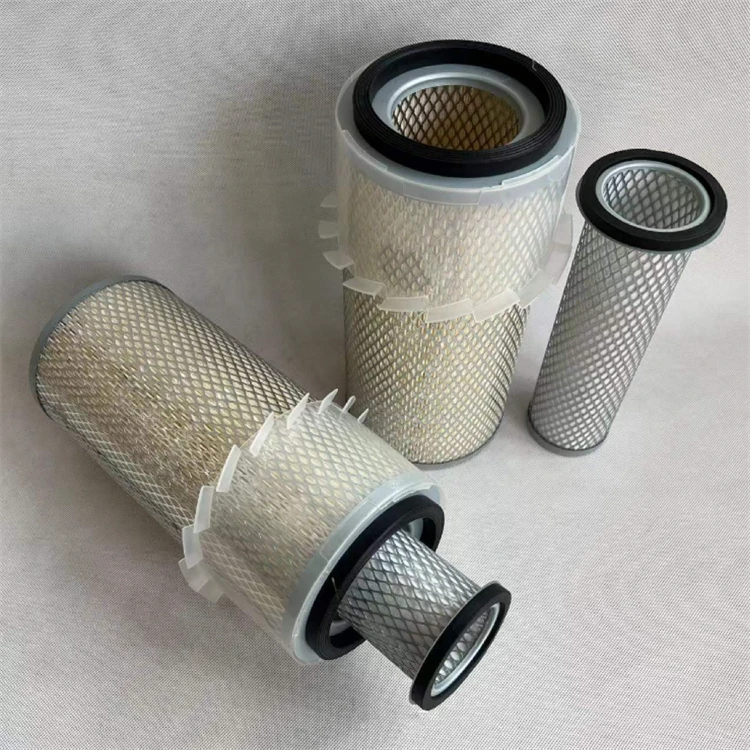
In real terms, a gasturbine luchtfilter’s role is to keep the ingested air clean from dust, debris, and moisture before it enters the turbine’s combustion chamber. This sounds straightforward, but as anyone who has dealt with turbines in dusty environments can attest, the quality and design of these filters can make or break operational uptime.
Materials have evolved quite a bit over the last decade. Traditionally, fiberglass and cellulose media were common, but more advanced synthetic media now provide higher filtration efficiency and longer service life. I remember one project where switching from a standard filter to a high-efficiency pleated synthetic one cut down maintenance stops significantly—our engineers were thrilled to see less downtime.
Testing standards also matter, and many gasturbine luchtfilter units are rated according to ISO 16890 or ASHRAE 52.2 protocols. What these tests measure is the filter’s ability to remove particulate matter down to very fine sizes. Filters capturing 99.97% of particles around 0.3 microns usually earn HEPA-level recognition. That might be overkill for some end-users, but for turbines in harsh, dusty industrial zones, this level of filtration is worth the extra cost.
Customization is another piece of the puzzle. Not all turbines breathe the same air, so having filters tailored to specific site conditions—whether it’s a desert operation or a coastal plant with salty air—can improve turbine lifespan dramatically. As a rule of thumb, we always recommend a site survey before filter selection. It’s like dressing for the weather you expect, not just what you hope for.
Let me share a small anecdote: a mid-sized gas plant operator located near a mining site saw repeated compressor fouling due to inadequate filtration. After upgrading to a bespoke gasturbine luchtfilter from a reputable supplier, their maintenance intervals expanded from monthly to quarterly. Those kinds of operational wins aren’t just good for business—they change the entire maintenance culture around the equipment.
To bring all this nicely into focus, here’s a quick rundown of a typical gasturbine luchtfilter spec sheet I compiled. Feel free to compare this to what you’re working with:
| Specification | Typical Value |
|---|---|
| Filter Media | Synthetic pleated media |
| Efficiency (per ISO 16890) | ePM1 85% |
| Maximum Operating Temp. | 80°C (176°F) |
| Pressure Drop (initial) | 80 Pa |
| Service Life | 3 to 6 months, site dependent |
With the market growing and plenty of suppliers to choose from, it’s worth weighing options carefully. Here’s a little comparison table to help you see how a few key players stack up in general terms. Keep in mind that specifics can vary widely, so always ask for site-relevant data.
| Vendor | Filter Efficiency | Customization | Lead Time | Typical Application |
|---|---|---|---|---|
| OnlyFilter Cartridge | Up to 95% ePM1 | High, site-specific | 2-4 weeks | Gas turbines, compressors |
| Alpha Filters | 85%–90% ePM1 | Moderate | 3-5 weeks | Industrial turbines |
| Beta CleanAir | 90%+ ePM1 | High | 4-6 weeks | Heavy industry, power plants |
One last thought: while gasturbine luchtfilters may sound like a dry technical component, their impact is tangible. You see it in saved hours of unplanned downtime, in better fuel efficiency, and in the extended life of your turbine. Frankly, investing in the right filter is like giving your turbine clean lungs — it just runs better.
For anyone starting out in equipment maintenance or looking to upgrade filtration, my advice is straightforward: don’t cut corners here. Look for vendors with solid engineering support and clear testing protocols. And, if possible, request samples or trials before making a big commitment — you won’t regret the extra diligence.
Hope this gives you a clearer window into the world of gasturbine luchtfilters from someone who’s seen the dust settle firsthand.
Takeaway: Good filtration isn’t just a filter’s job — it’s turbine insurance.
References:
1. ISO 16890 Air Filter Testing Standards
2. Industry case study: Gas Turbine Maintenance, 2021
3. Manufacturer technical brochures and field notes
-
High-Efficiency Adsorption for Clean Air & Water PurificationNewsApr.20,2026
-
Air Filter Cartridge: High-Efficiency Filtration for Engine Protection & Clean Air SupplyNewsApr.17,2026
-
Filter Paper: Precision Filtration Media for Industrial & Laboratory ExcellenceNewsApr.16,2026
-
Industrial Guide for Selecting a Stainless Filter CartridgeNewsApr.16,2026
-
Dust Filter Cartridges: High-Efficiency Industrial Filtration for Clean Production & ComplianceNewsApr.15,2026
-
Filter Paper: High-Efficiency Filtration Solution for Industrial & Laboratory UseNewsApr.14,2026