 Email:admin@only-filter.com
 Tel:
+8615930870079
Tel:
+8615930870079
Round HEPA filter cartridges are critical components in maintaining air quality across a vast spectrum of applications, from healthcare facilities and pharmaceutical manufacturing to industrial cleanrooms and even residential air purifiers. Their ability to capture microscopic airborne particles—including dust, pollen, mold, bacteria, and viruses—makes them essential for protecting human health and ensuring sensitive processes aren't contaminated. Understanding their functionality, applications, and future development is increasingly important in a world facing growing concerns about air pollution and public health crises.
The global demand for high-efficiency air filtration, and consequently, for round HEPA filter cartridges, is driven by stringent regulatory standards set by organizations like ISO and government health agencies. These standards are becoming more rigorous, particularly in industries requiring sterile environments. Furthermore, increasing awareness of indoor air quality issues and the health impacts of particulate matter fuels demand from consumers and businesses alike. The market size is substantial and continues to expand, reflecting a proactive approach to safeguarding health and productivity.
The proliferation of industries requiring pristine environments coupled with growing public health awareness highlight the significance of effective air filtration solutions. Round HEPA filter cartridges represent a robust and adaptable solution, offering a balance of filtration efficiency, cost-effectiveness, and ease of integration into existing systems. Their role extends beyond simple purification; they are vital in protecting investments in sensitive equipment and ensuring the reliability of critical processes.
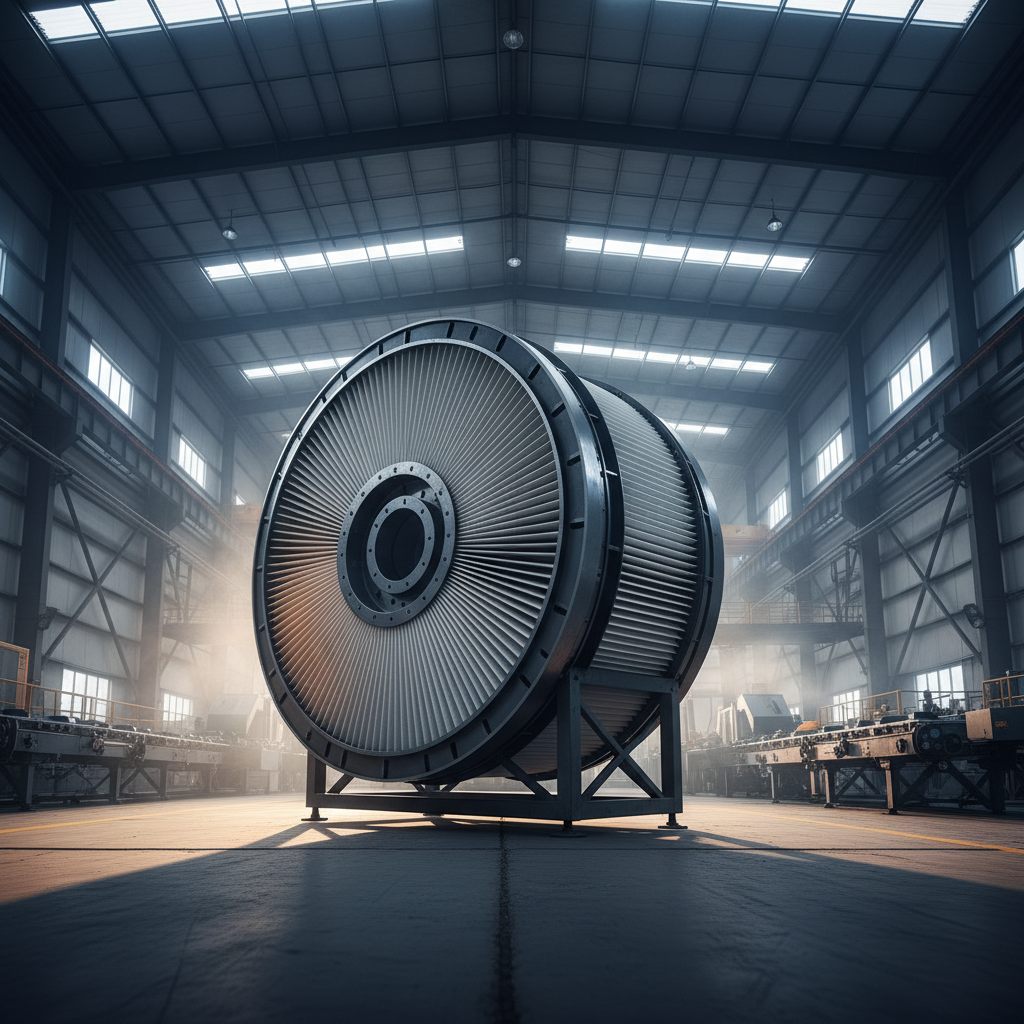
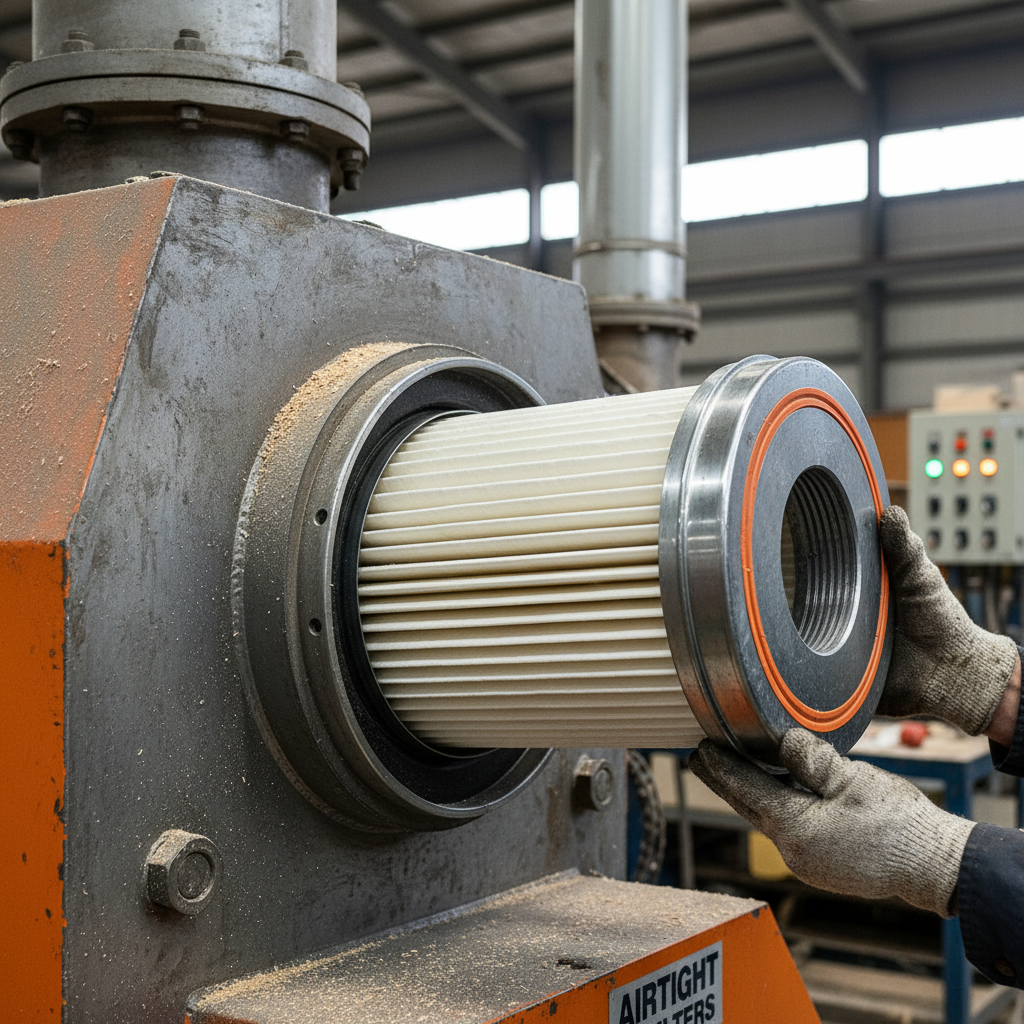
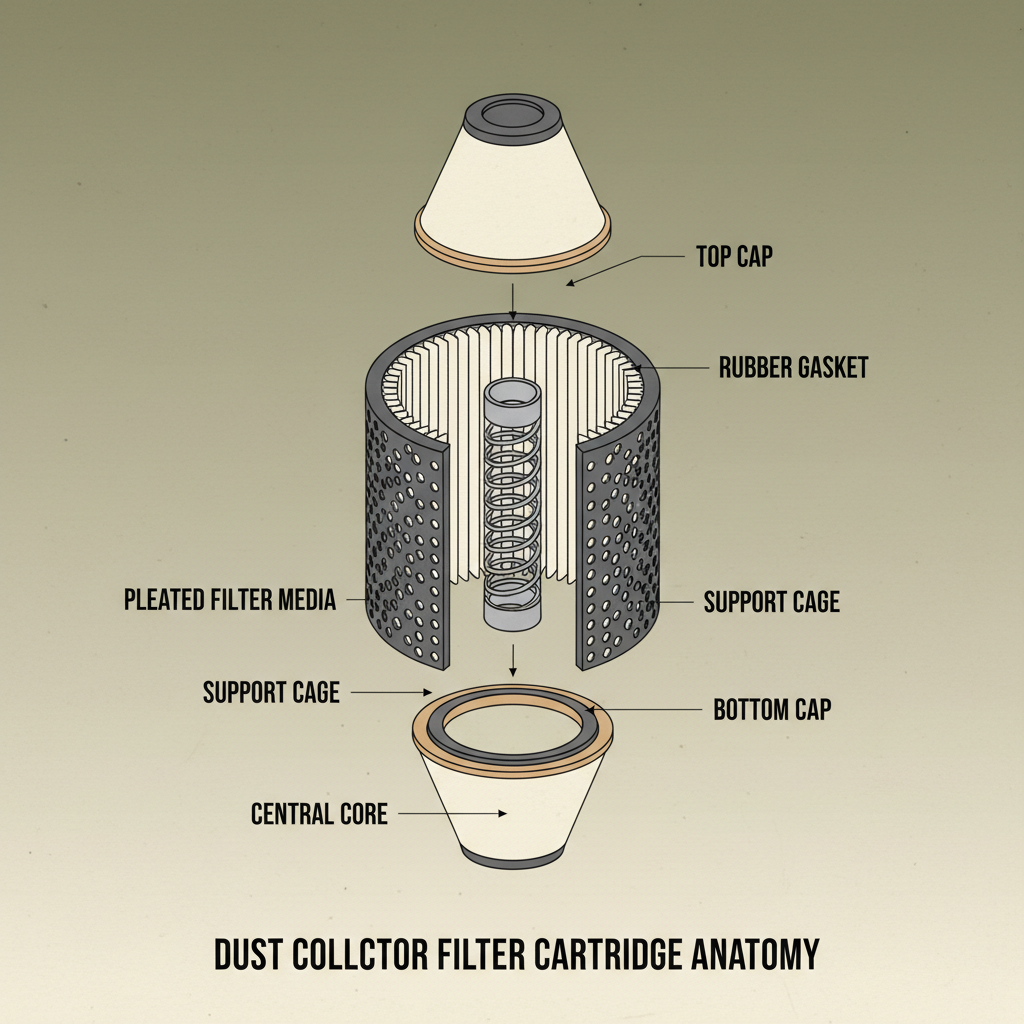
Round HEPA filter cartridges have emerged as a cornerstone of air purification technologies across diverse sectors. Their cylindrical design facilitates efficient airflow and maximizes filtration surface area, making them ideal for applications where space is limited or continuous operation is required. This design offers a compelling alternative to traditional flat filters in certain contexts, particularly in systems requiring compact, high-performance filtration.
The adoption of round HEPA filter cartridges is gaining traction due to their superior sealing capabilities and ability to withstand higher pressures. This makes them particularly well-suited for demanding environments such as pharmaceutical manufacturing, semiconductor fabrication, and biological research facilities. Understanding the nuances of these filters – their construction, performance characteristics, and appropriate applications – is vital for professionals tasked with ensuring air quality and process integrity.
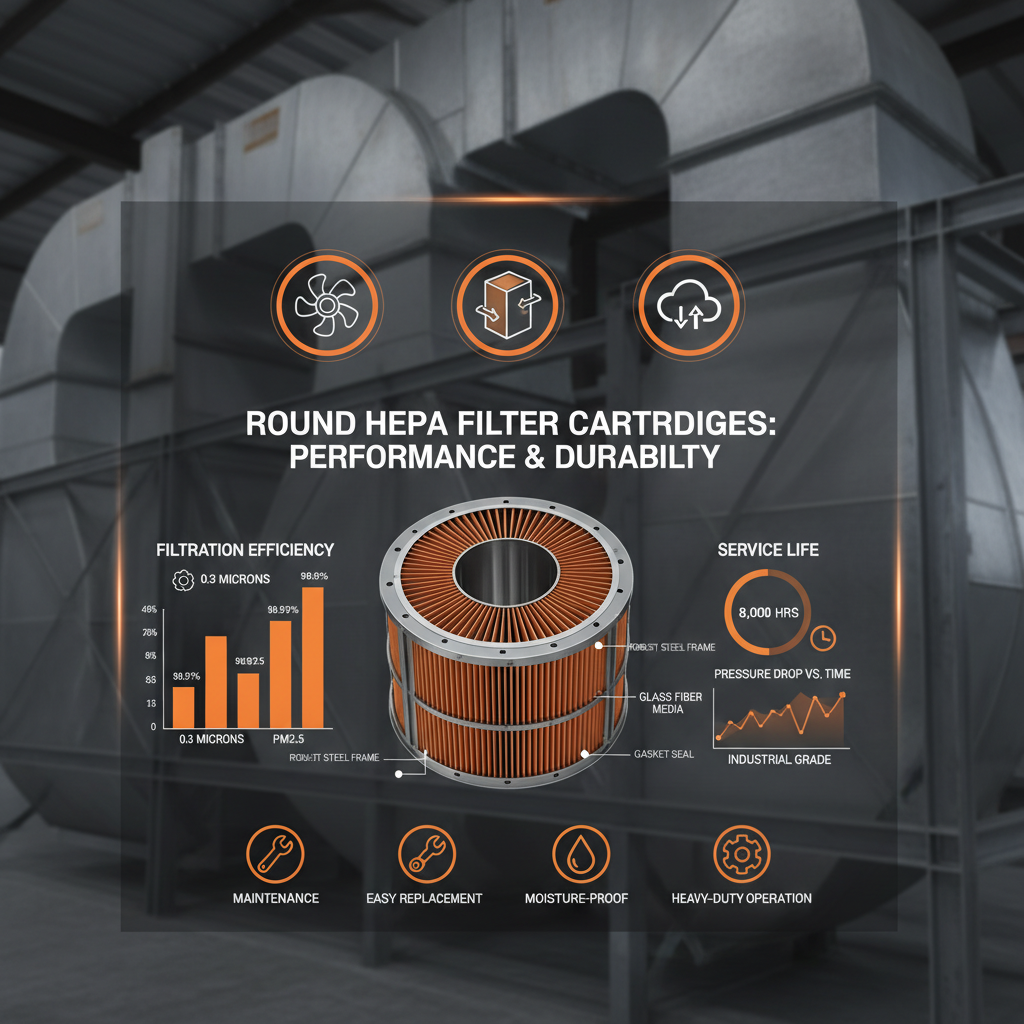
The lifespan of a round HEPA filter cartridge varies significantly based on environmental conditions and contaminant load. Generally, they last between 6 and 18 months under normal operating conditions. Monitoring the pressure drop across the filter is the best indicator of when replacement is needed. When the pressure drop increases significantly, it signifies that the filter is becoming clogged and its efficiency is diminishing. Replacing the filter proactively ensures continued optimal performance.
Determining the correct size requires considering the airflow rate of your system and the available space within the filter housing. Consult the manufacturer’s specifications for your equipment to identify the compatible cartridge dimensions. It's crucial to select a cartridge that fits snugly within the housing to prevent air bypass. Matching the filter’s rated airflow to your system’s requirements is essential for optimal filtration efficiency. Incorrect sizing can lead to reduced performance and increased energy consumption.
MERV (Minimum Efficiency Reporting Value) and HEPA are both ratings for air filters, but they represent different levels of filtration efficiency. MERV ratings range from 1 to 20, indicating the filter's ability to capture particles of varying sizes. HEPA filters are specifically defined as capturing at least 99.97% of particles 0.3 microns in diameter. Therefore, a HEPA filter represents a much higher level of filtration than most MERV-rated filters.
Generally, round HEPA filter cartridges are not designed to be cleaned and reused. The tightly woven fiber structure makes it difficult to effectively remove trapped particles without damaging the filter media. Attempting to clean a HEPA filter can compromise its integrity and reduce its filtration efficiency. For optimal performance, it’s recommended to replace HEPA filter cartridges according to the manufacturer’s guidelines.
Using a damaged or improperly installed HEPA filter can lead to reduced air quality, increased energy consumption, and potential contamination. A damaged filter may allow unfiltered air to bypass the filtration media, compromising the integrity of the system. Improper installation can create air leaks, reducing overall efficiency. Regular inspection and proper installation are essential for maintaining optimal performance and protecting sensitive environments.
High-quality round HEPA filter cartridges are available from a variety of suppliers, including specialized air filtration companies and industrial supply distributors. Look for cartridges that meet established industry standards and certifications. You can find a wide selection of round HEPA filter cartridges at round hepa filter cartridges. Ensure you select a supplier with a reputation for reliability and customer support.
Round HEPA filter cartridges represent a vital technology for maintaining air quality and protecting sensitive processes across a broad spectrum of industries and applications. Their high filtration efficiency, coupled with their adaptability and long-term value, makes them an essential component in ensuring human health, product integrity, and environmental sustainability. Understanding their key characteristics, applications, and future trends is crucial for professionals seeking to optimize air filtration systems and safeguard against airborne contaminants.
As air quality concerns continue to escalate, innovation in HEPA filtration technology will become increasingly important. The development of more efficient, sustainable, and intelligent filter solutions will play a critical role in addressing global health challenges and creating a cleaner, healthier future. For high-quality round HEPA filter cartridges and expert guidance, visit our website at www.onlyfiltercartridge.com.