 Email:admin@only-filter.com
 Tel:
+8615930870079
Tel:
+8615930870079
May . 07, 2025 18:37 Back to list
Cartridge Filters for Dust Collectors - High-Efficiency & Durable Solutions
- Introduction to Industrial Filtration Solutions
- Technical Superiority of Modern Cartridge Filters
- Performance Comparison: Leading Manufacturers Analyzed
- Tailored Solutions for Industry-Specific Needs
- Case Studies: Real-World Applications & Results
- Maintenance Strategies for Long-Term Efficiency
- Future Trends in Dust Collector Cartridge Technology
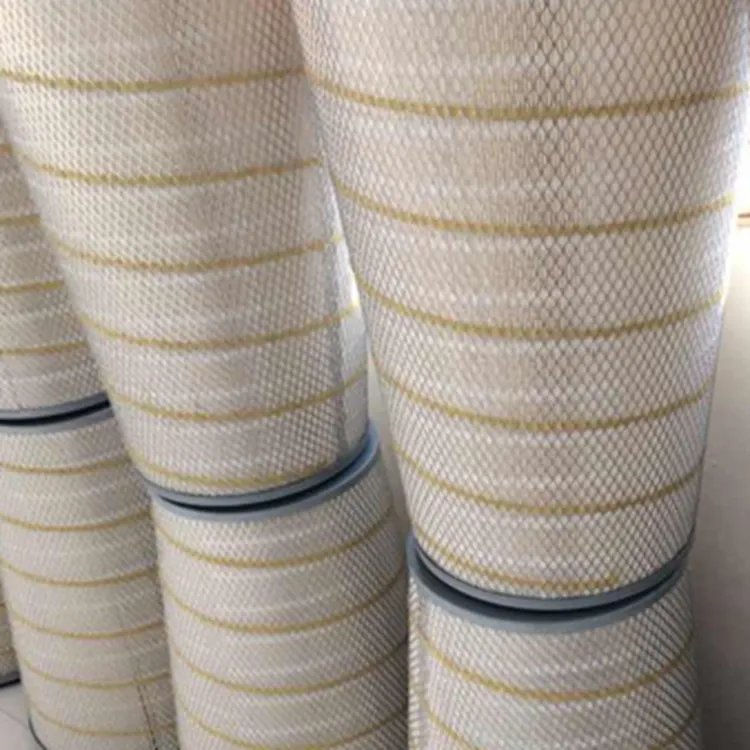
(filtre à cartouche pour dépoussiéreur)
Optimizing Operations with Cartridge Filters for Dust Collectors
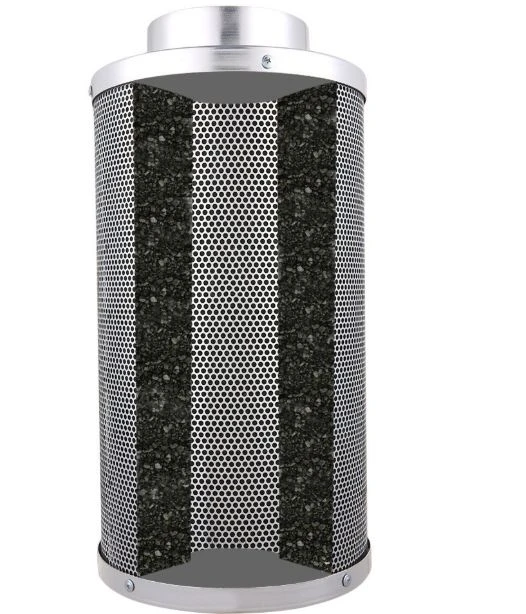
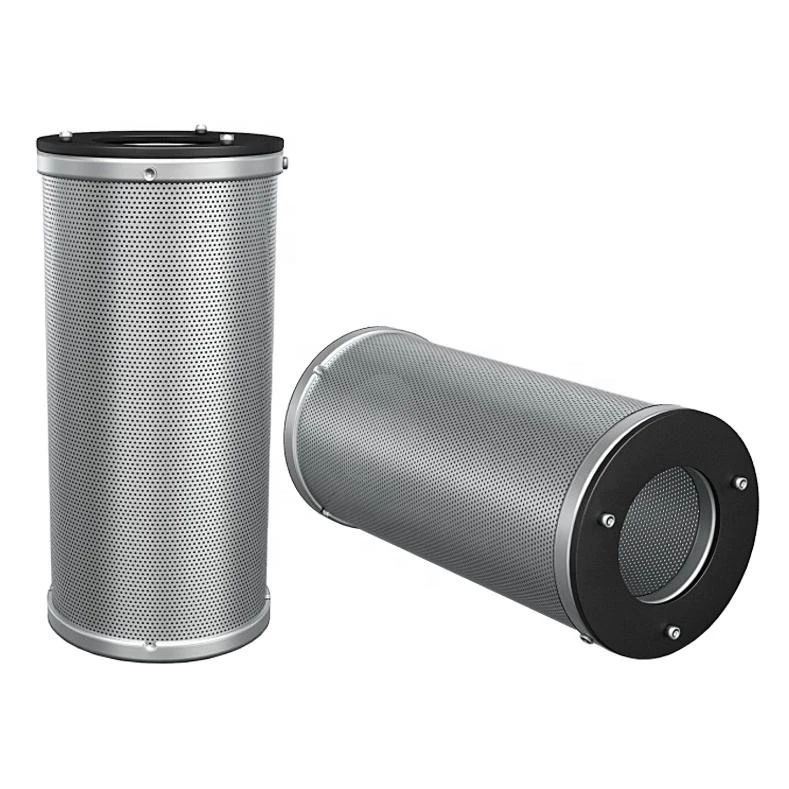
Industrial dust management requires precision-engineered solutions like cartridge filters for dust collectors, which capture 99.97% of particulates below 5 microns. These systems handle 1,000-100,000 CFM airflow capacities across industries, reducing equipment wear by 40% in manufacturing environments. Proper filtration prevents 72% of premature motor failures in ventilation systems according to 2023 industry reports.
Engineering Excellence in Particulate Control
Advanced cartridge filters combine nanofiber layers (0.3-0.5 μm) with graded density media, achieving 99.99% filtration efficiency. The table below compares technical specifications across premium manufacturers:
| Manufacturer | Filtration Area (m²) | Max Temperature (°C) | Efficiency @ 2μm | Service Life (months) |
|---|---|---|---|---|
| FilterTech Pro | 28.5 | 135 | 99.98% | 18-24 |
| DuraCartridge Inc. | 32.1 | 150 | 99.95% | 12-15 |
| PureFlow Systems | 25.8 | 120 | 99.99% | 22-28 |
Customized Industrial Filtration Architectures
Specialized configurations address unique challenges:
- Explosive Environments: Anti-static media with 10⁸ Ω surface resistance
- High-Moisture Applications: Hydrophobic membranes prevent clogging
- Food Grade: FDA-compliant materials withstand 50+ wash cycles
Documented Success Across Industries
A metal fabrication plant achieved 92% maintenance cost reduction after implementing pleated cartridge filters:
- Dust loading capacity increased from 300g/m² to 850g/m²
- Compressed air consumption reduced by 65% during pulse cleaning
- Production downtime decreased from 8 hours/week to 45 minutes
Sustaining Peak Filter Performance
Predictive maintenance protocols extend service intervals by 30-40%:
- Differential pressure monitoring (ΔP < 1500 Pa)
- Automated cleaning cycles based on actual load
- Quarterly inspection of seal integrity
Innovating Dust Collector Cartridge Solutions
The next generation of cartridge filters for industrial dust collectors incorporates IoT-enabled sensors that predict replacement needs with 93% accuracy. Emerging membrane technologies promise 99.999% efficiency at 0.5μm while maintaining airflow rates exceeding 35 m³/min. These advancements position cartridge-based systems as the sustainable choice for industrial air quality management through 2030 and beyond.
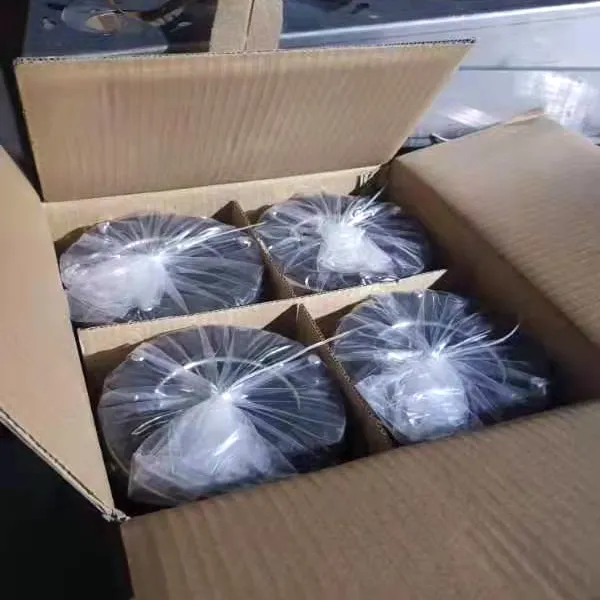
(filtre à cartouche pour dépoussiéreur)
FAQS on filtre à cartouche pour dépoussiéreur
Q: What is a cartridge filter for a dust collector?
A: A cartridge filter for a dust collector is a pleated filtration component designed to capture fine dust and particles from industrial air streams. It offers high surface area for efficient filtration and is commonly used in manufacturing and processing facilities.
Q: How do I maintain cartridge filters for dust collectors?
A: Regularly clean filters using compressed air pulsing or shaking to dislodge accumulated dust. Inspect for damage or clogging monthly and replace filters when pressure drop exceeds manufacturer recommendations.
Q: How often should I replace cartridge filters in a dust collector?
A: Replacement frequency depends on operating conditions, dust type, and filter material. Typically, filters last 1-3 years but monitor pressure gauges and airflow to determine optimal replacement timing.
Q: What should I look for in manufacturers of dust collector filter cartridges?
A: Choose manufacturers with ISO-certified production, quality materials like polyester or nanofiber, and customizable options. Verify their expertise in compliance with industry standards like OSHA or ATEX.
Q: Can cartridge filters improve dust collector efficiency?
A: Yes. High-quality cartridge filters enhance efficiency by trapping finer particles and reducing energy consumption through lower pressure drop. Proper sealing and pleat design further optimize performance.
-
High-Efficiency Industrial Dust Filtration & PurificationNewsApr.21,2026
-
High-Efficiency Adsorption for Clean Air & Water PurificationNewsApr.20,2026
-
Air Filter Cartridge: High-Efficiency Filtration for Engine Protection & Clean Air SupplyNewsApr.17,2026
-
Filter Paper: Precision Filtration Media for Industrial & Laboratory ExcellenceNewsApr.16,2026
-
Industrial Guide for Selecting a Stainless Filter CartridgeNewsApr.16,2026
-
Dust Filter Cartridges: High-Efficiency Industrial Filtration for Clean Production & ComplianceNewsApr.15,2026