 Email:admin@only-filter.com
 Tel:
+8615930870079
Tel:
+8615930870079
Oct . 06, 2025 00:30 Back to list
Activated Carbon Filter Element for Odor & VOC Removal?
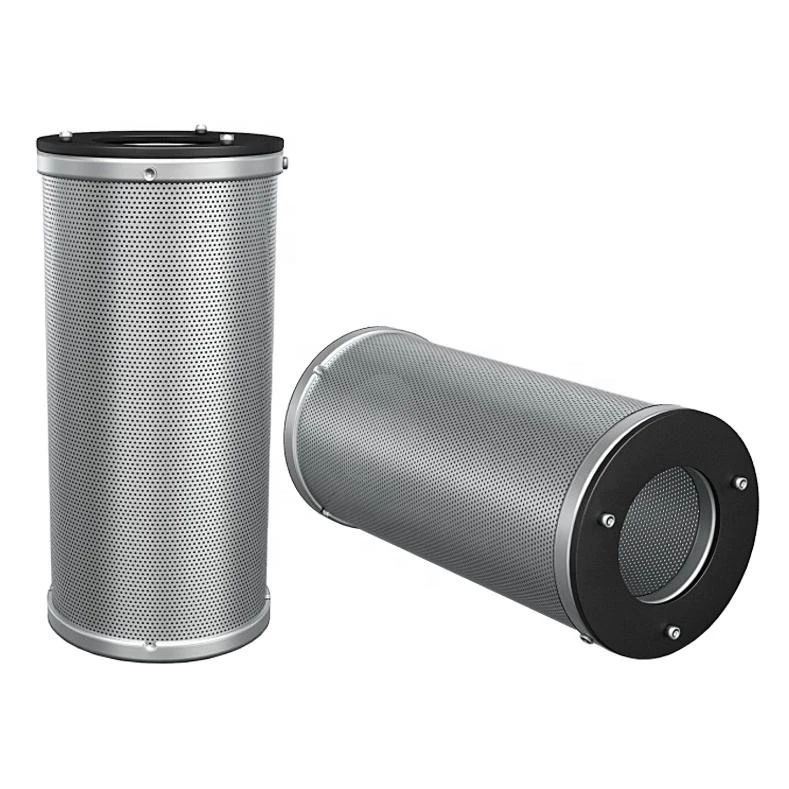
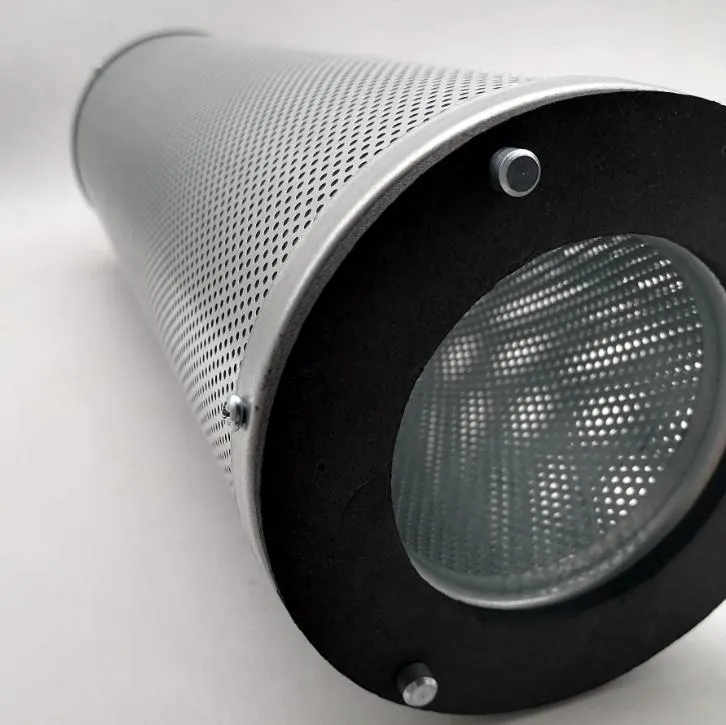
Factory Customized HEPA Activated Carbon Cartridge: insider notes, specs, and real-world use
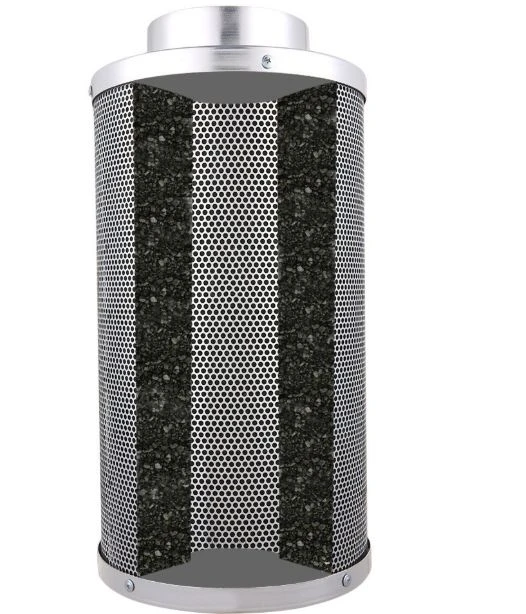
If you follow filtration the way some people follow sports, you’ll know carbon is having a moment. Municipal utilities want lower disinfection by‑products, home users want fewer tastes/odors, and manufacturers chase higher adsorption with fewer pressure penalties. The humble activated carbon filter element sits at the center of all that. And yes, despite the “HEPA” in the product name, the carbon stage is the star for chemical adsorption; HEPA handles particulates in combo builds.
What it is (and where it comes from)
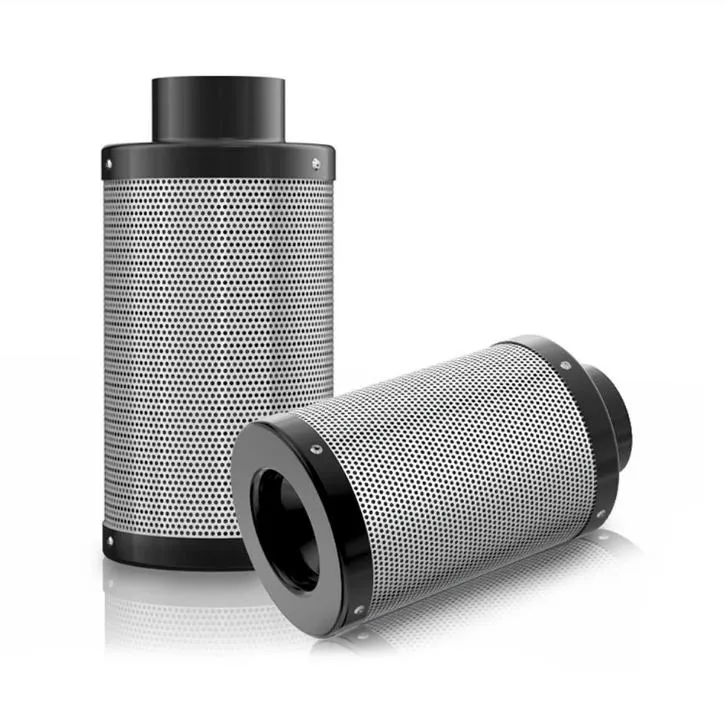
Origin: Rongding World, Xinhua District, Shijiazhuang City, Hebei Province. The core media blends high‑quality fruit‑shell charcoal with coal‑based activated carbon, formed via a controlled extrusion/bonding process. In plain speak: a balanced pore structure—micro‑pores for chlorine/THMs, meso‑pores for larger organics—without crumbling under flow.
Many customers say they notice the taste difference within minutes; to be honest, I did too when we ran a side‑by‑side with chloraminated tap. The activated carbon filter element excels at decolorization and deodorization, and it’s built for residual chlorine reduction.
Process flow (short version)
- Materials: fruit‑shell AC + coal‑based AC (iodine index targeted ≈ 1000 mg/g), food‑grade binder, polypropylene core, optional end caps (ABS/PP), EPDM or silicone gasket.
- Methods: sieving and blending → extrusion or sintering into a block/cartridge → curing → end‑cap welding → gasket fitment.
- Testing: iodine number per ASTM D4607; moisture ASTM D2867; apparent density ASTM D2854; chlorine reduction per NSF/ANSI 42 protocols; pressure drop vs flow; particle shedding check.
- Typical service life: ≈ 6–12 months or 3,000–10,000 L (real‑world use may vary with inlet quality and flow).
Where it’s used
- Point‑of‑use drinking systems and fridge/ice filters
- Commercial coffee/tea and ice machines (taste and odor control)
- Pretreatment before RO membranes (chlorine protection)
- Food & beverage polishing, lab utilities, and aquarium make‑up water
- Air modules (VOC/odor) when paired with HEPA—though water is the primary brief here
Product specs (typical)
| Media | Fruit‑shell + coal‑based AC blend |
| Iodine number | ≈ 900–1100 mg/g |
| BET surface area | ≈ 900–1200 m²/g |
| Chlorine reduction | >90% at 2 ppm, 2 L/min, 1,000–3,000 L (NSF 42 style test) |
| Pressure drop | ≈ 0.08–0.15 bar @ 2 L/min (10” cartridge) |
| Operating temp | 4–38 °C (water service) |
| End caps / gasket | PP/ABS; EPDM or silicone |
| Certs (factory) | ISO 9001; material compliance for NSF/ANSI 42/61 on request |
Advantages you actually notice
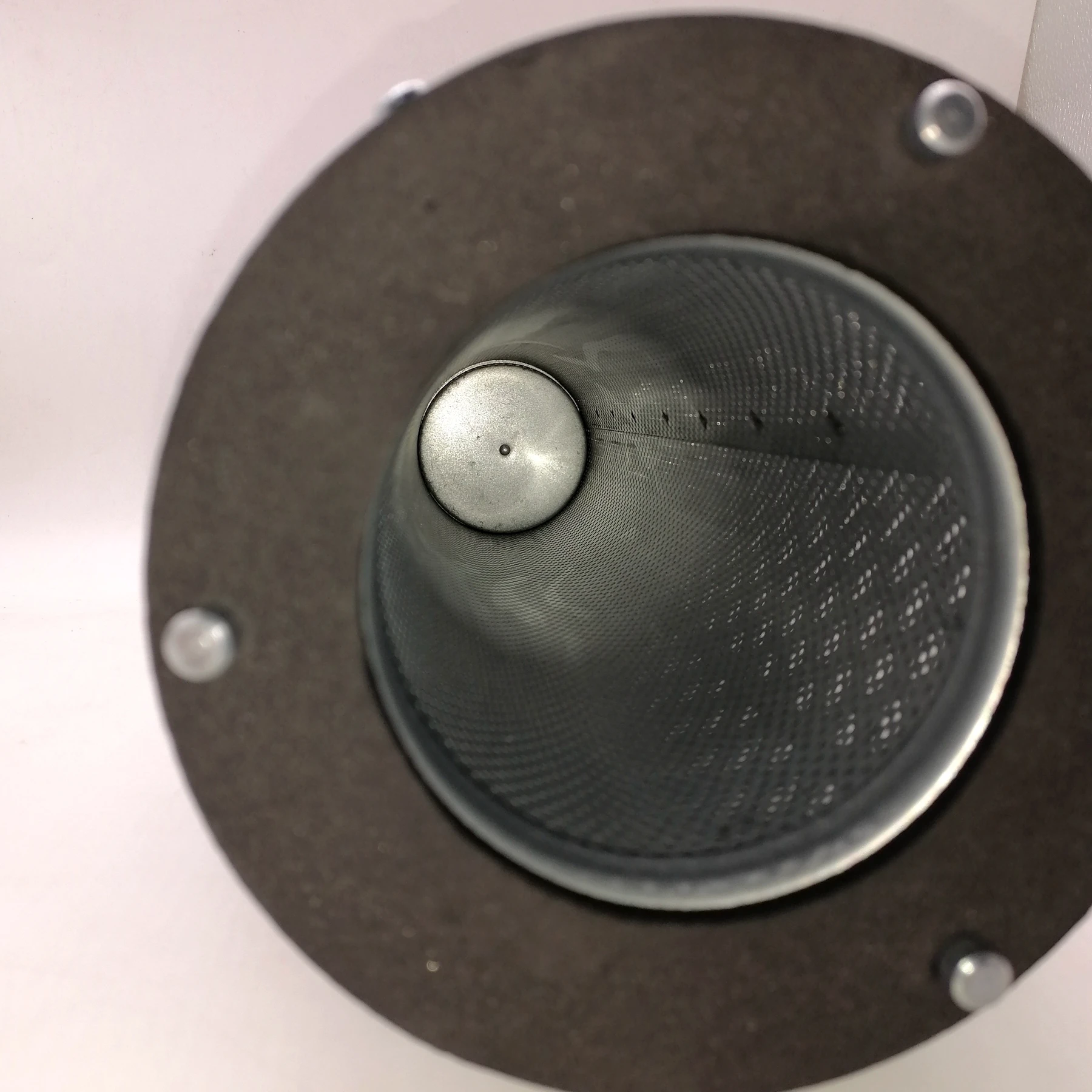
- Balanced pore profile: better for both chlorine and larger organics (some competitors skew too micro‑porous).
- Lower fines: fewer carbon specks on first flush—still, always flush.
- Customization: lengths (5–40”), IDs/ODs, end caps, and media ratios tailored to your water profile.
Vendor snapshot (why compare?)
| Vendor | Carbon type | Certs | Customization | Lead time |
| Only Filter Cartridge (Hebei) | Fruit‑shell + coal blend | ISO 9001; NSF/ANSI material options | High (end caps, media ratios, sizes) | ≈ 2–4 weeks |
| OEM A | Coconut‑shell only | NSF/ANSI 42 on select SKUs | Medium | 3–6 weeks |
| OEM B | Coal‑based | ISO 9001 | Low | 2–5 weeks |
Mini case study
A boutique coffee chain in coastal China swapped legacy blocks for this activated carbon filter element. Same flow (2 L/min), same housings. Baristas reported “cleaner sweetness” within a day; lab checks showed residual chlorine down from 1.8 ppm to
Compliance and test notes
Target standards: NSF/ANSI 42 (aesthetic effects), NSF/ANSI 61 (material safety), ASTM D4607 (iodine), AWWA B600 guidance for activated carbon. Always verify lot‑specific data when you qualify a activated carbon filter element for regulated applications.
References
-
High-Efficiency Industrial Dust Filtration & PurificationNewsApr.21,2026
-
High-Efficiency Adsorption for Clean Air & Water PurificationNewsApr.20,2026
-
Air Filter Cartridge: High-Efficiency Filtration for Engine Protection & Clean Air SupplyNewsApr.17,2026
-
Filter Paper: Precision Filtration Media for Industrial & Laboratory ExcellenceNewsApr.16,2026
-
Industrial Guide for Selecting a Stainless Filter CartridgeNewsApr.16,2026
-
Dust Filter Cartridges: High-Efficiency Industrial Filtration for Clean Production & ComplianceNewsApr.15,2026