 Email:admin@only-filter.com
 Tel:
+8615930870079
Tel:
+8615930870079
Aug . 30, 2025 03:20 Back to list
Reliable Stainless Steel Filter Element | Precision Filtration
Introduction to Advanced Filtration with Stainless Steel Elements
In the realm of industrial filtration, the demand for robust, high-performance, and durable filter media is paramount. The stainless steel filter element stands as a cornerstone technology, offering unparalleled reliability across a diverse range of critical applications. Engineered for superior resistance to corrosion, high temperatures, and extreme pressures, these elements ensure consistent operational efficiency and product purity, making them indispensable in today's demanding industrial landscapes.
This comprehensive overview delves into the intricate world of stainless steel filtration, exploring its manufacturing intricacies, technical specifications, diverse application scenarios, and the profound advantages it offers. We will also address crucial aspects such as customization, vendor selection, and practical case studies, providing B2B decision-makers and technical engineers with the insights necessary to optimize their filtration strategies.
Industry Trends and Market Dynamics
The filtration industry is experiencing a significant shift towards more sustainable, efficient, and technologically advanced solutions. Key trends influencing the adoption of stainless steel filter element technology include:
- Increased Demand for Reusability: With growing environmental concerns and cost-efficiency drives, the ability to clean and reuse filter elements, a hallmark of stainless steel, is highly valued. This reduces waste and lowers long-term operational expenditures.
- Focus on Process Optimization: Industries are seeking filtration solutions that minimize downtime, reduce pressure drop, and improve overall system efficiency, where the robust nature of stainless steel excels.
- Rising Standards for Purity: Sectors like pharmaceuticals, food and beverage, and electronics require ever-higher levels of product purity, necessitating filtration media with precise pore sizes and minimal shedding.
- Adaptation to Harsh Environments: The expansion of industries into more challenging operational conditions, such as high-temperature gas filtration or corrosive chemical processing, drives the need for materials like stainless steel that can withstand extreme environments.
- Digitalization and IoT Integration: While not directly applied to the element itself, the trend towards smart filtration systems with integrated sensors for pressure, flow, and element health relies on durable and predictable media like stainless steel.
These trends underscore the enduring relevance and increasing importance of stainless steel in modern filtration applications, particularly for critical processes requiring high integrity and longevity.
Manufacturing Process of a Stainless Steel Filter Element
The production of a high-quality stainless steel filter element is a meticulous process, demanding precision engineering and adherence to stringent quality controls. The core materials typically include 304, 316, or 316L stainless steel, chosen for their superior corrosion resistance and mechanical strength. The manufacturing sequence typically involves several critical stages:
1. Material Selection & Preparation
Selection of high-grade stainless steel wire mesh or fiber media (e.g., 304, 316L) based on application requirements for chemical compatibility, temperature, and pressure. Material undergoes initial cleaning and quality checks.
2. Media Formation (Weaving/Sintering/Pleating)
Wire mesh can be woven into specific patterns. For finer filtration, multiple layers of mesh or fibers are often sintered together to form a robust, porous structure with controlled pore sizes. Pleating techniques are used to maximize surface area.
3. Element Assembly & Welding
The formed media is cut, rolled, and seam-welded (often TIG or plasma welding) to create the cylindrical filter body. End caps, often also stainless steel, are then attached via precise welding, ensuring integrity.
4. Finishing & Cleaning
Post-assembly, elements undergo surface treatment, such as pickling and passivation, to enhance corrosion resistance. Thorough cleaning processes (e.g., ultrasonic cleaning) remove any manufacturing residues, ensuring readiness for sensitive applications.
5. Quality Control & Testing
Each element undergoes rigorous testing, including bubble point tests (ISO 2942) to verify pore size and integrity, flow rate/pressure drop tests (ISO 2943), dimensional accuracy checks (ANSI B4.2), and visual inspections. Material composition may be verified via X-ray fluorescence (XRF).
This meticulous process ensures that each stainless steel filter element meets the highest standards for structural integrity, filtration efficiency, and chemical compatibility, leading to extended service life, often exceeding 5 years in typical industrial environments. They are crucial in target industries such as petrochemical, metallurgy, power generation, and water supply & drainage, offering benefits like energy saving through reduced pressure drop and superior corrosion resistance against aggressive media.
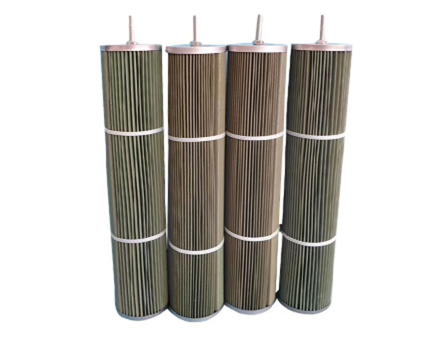
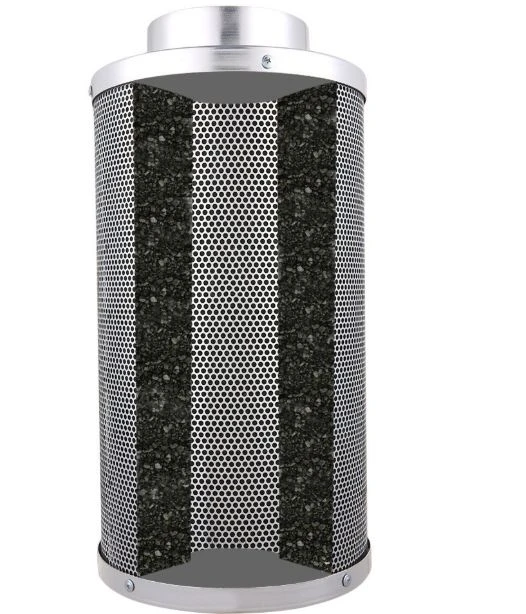
Precision-engineered stainless steel mesh filter cartridges ready for deployment.
Technical Specifications and Parameters
The performance of a stainless steel filter element is defined by a range of critical technical parameters. Understanding these specifications is essential for proper selection and integration into any filtration system. Below is a table outlining typical parameters for a standard stainless steel mesh filter cartridge:
Typical Stainless Steel Filter Element Specifications
| Parameter | Description | Typical Range/Value |
|---|---|---|
| Material | Standard grades of stainless steel for corrosion resistance. | 304, 316, 316L (common) |
| Filtration Rating (Micron) | Nominal or Absolute rating indicating particle retention size. | 0.5 µm to 500 µm (absolute typically 5-200 µm) |
| Max. Operating Temperature | Highest temperature the element can withstand continuously. | Up to 500°C (932°F) for most applications |
| Max. Differential Pressure | Maximum pressure drop across the element before structural damage. | 1.5 - 2.5 MPa (217 - 362 psi) |
| Flow Rate (per 10" element) | Volume of fluid/gas passing per unit time at a given pressure drop. | 1 - 100+ GPM (Liquid), 100 - 1000+ SCFM (Gas) |
| Dimensions (Length/Diameter) | Physical dimensions to fit specific filter housings. | Standard 10", 20", 30", 40" lengths; 2.5", 6" diameters |
| End Cap Configuration | Type of seal and connection to the housing. | DOE, SOE (222, 226, Fin) |
| Cleanability | Ability to be backwashed or chemically cleaned for reuse. | Excellent; often steam sterilizable |
Application Scenarios and Industry Use Cases
The versatility and robustness of the stainless steel filter element make it suitable for a vast array of critical filtration tasks across numerous industries. Its ability to withstand harsh conditions and deliver consistent performance is invaluable.
Typical Application Areas:
- Petrochemical and Chemical Processing: Used for filtration of aggressive chemicals, catalysts, solvents, and fuel gas. The excellent corrosion resistance of stainless steel ensures long life in these challenging environments.
- Food and Beverage: For clarification of beverages, edible oils, and process water. Sterilizable and easy to clean, they meet stringent hygiene requirements.
- Pharmaceutical and Biotechnology: Pre-filtration of fermentation broths, sterile air filtration, and solvent purification. Ensures product integrity and compliance with FDA regulations.
- Water Treatment and Utilities: Filtration of municipal water, industrial wastewater, and process water loops. Often employed as a stainless steel mesh filter cartridge for removing larger particulates and protecting downstream finer filters.
- Power Generation: Filtration of boiler feedwater, condensate, and lubrication oils. High-temperature resistance is crucial here.
- Metallurgy and Mining: Filtration of cooling liquids, hydraulic oils, and process solutions. Handles heavy particulate loads effectively.
- Industrial Gas Filtration: Particularly effective as dust cartridges for removing particulate matter from high-temperature or corrosive gas streams, such as in flue gas treatment or instrument air purification.
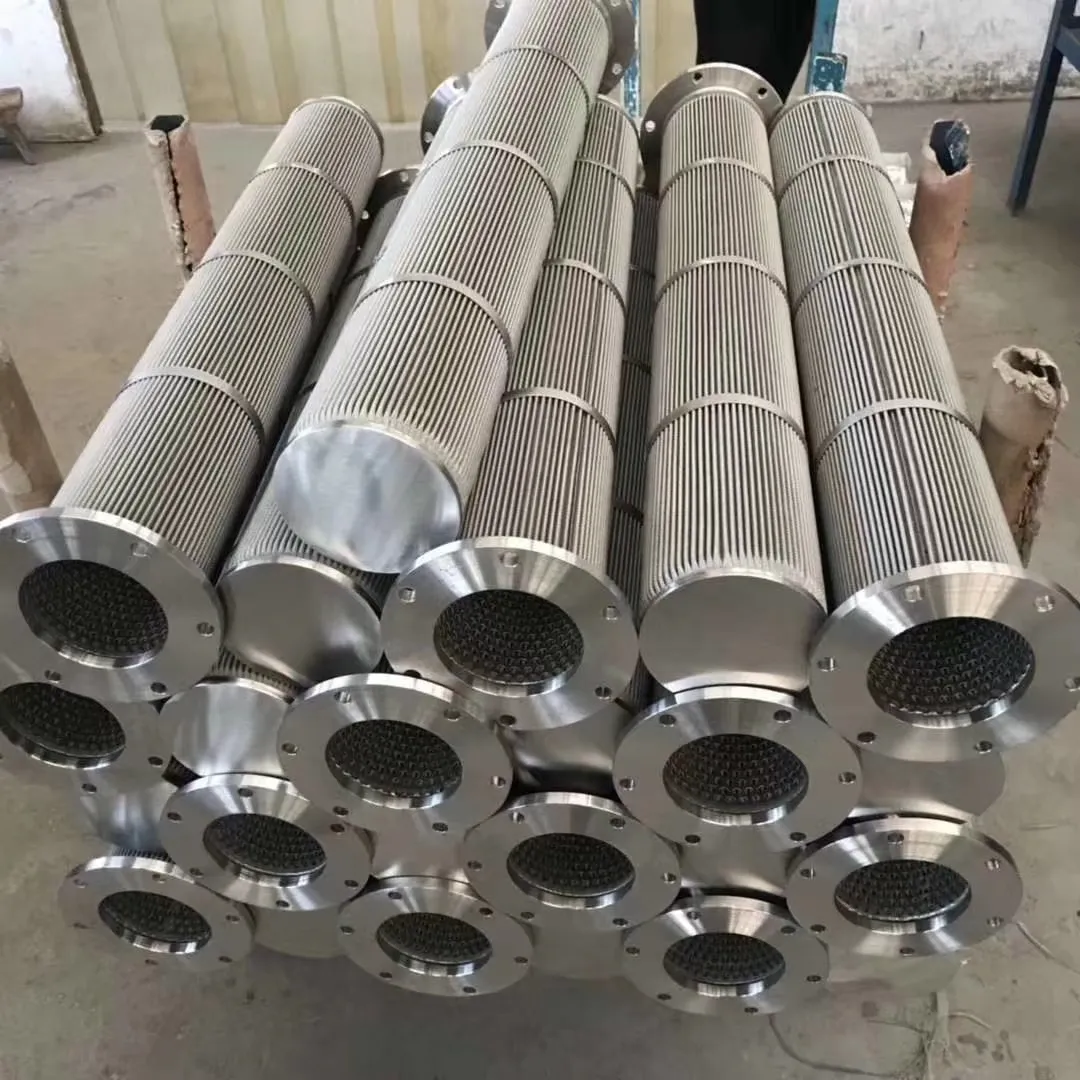
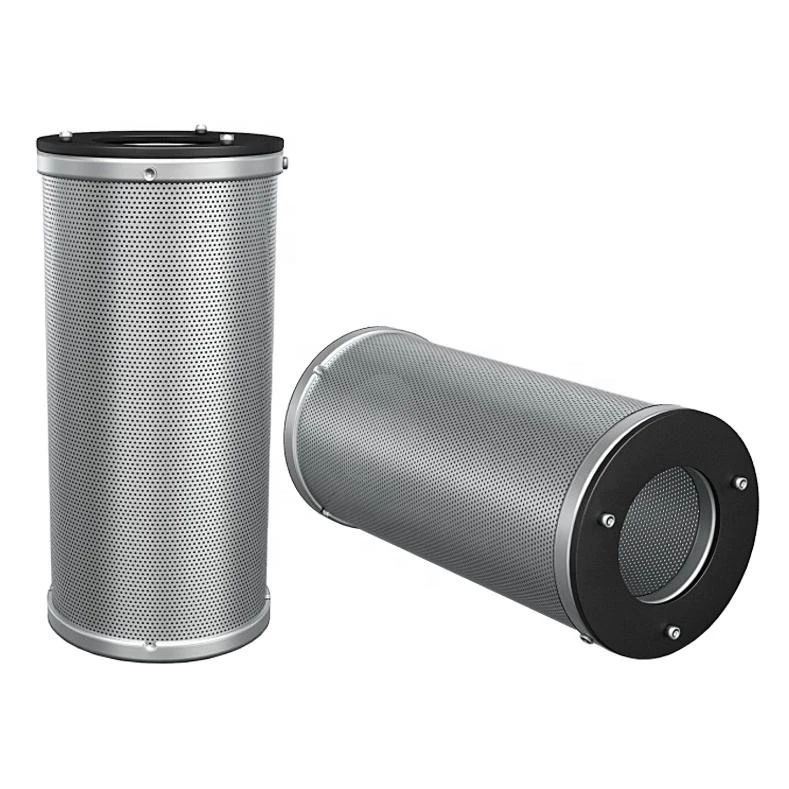
Stainless steel filter cartridges designed for high-flow industrial applications.
Technical Advantages of Stainless Steel Filtration
Choosing a stainless steel filter element offers a multitude of technical and operational advantages over other filter media:
- Superior Corrosion Resistance: Stainless steel, especially 316L, exhibits excellent resistance to a wide range of corrosive chemicals, acids, and alkalis, ensuring structural integrity and preventing contamination of the filtered medium.
- High-Temperature and Pressure Tolerance: Unlike polymer-based filters, stainless steel elements can operate efficiently and safely under extreme temperatures (up to 500°C) and high differential pressures without deformation or loss of filtration efficiency.
- Exceptional Durability and Mechanical Strength: The robust metallic construction provides high mechanical strength, resisting sudden pressure surges, abrasion, and physical impact, leading to a significantly longer service life.
- Cleanability and Reusability: Stainless steel filters can be easily cleaned by backwashing, ultrasonic cleaning, or chemical cleaning, allowing for multiple reuse cycles. This drastically reduces replacement costs and environmental footprint.
- Precise and Stable Filtration: Sintered or woven stainless steel media offer stable pore structures, providing consistent filtration efficiency and preventing media migration even under varying flow conditions.
- Wide Range of Micron Ratings: Available in a broad spectrum of micron ratings, from sub-micron to coarse filtration, catering to diverse application requirements from absolute particle removal to pre-filtration.
- Compatibility with Sterilization: Suitable for steam sterilization (autoclave) in aseptic processes without degradation, crucial for pharmaceutical and food industries.
Vendor Comparison and Selection Criteria
Selecting the right supplier for a stainless steel filter element is as critical as selecting the element itself. A robust vendor comparison considers several key factors beyond just price.
Key Vendor Comparison Factors
| Feature | Specialized Manufacturer | General Distributor |
|---|---|---|
| Product Quality & Consistency | High; direct control over materials and manufacturing, often exceeding ISO standards. | Varies; dependent on sourced products, less direct control. |
| Customization Capabilities | Extensive; ability to tailor dimensions, micron ratings, materials (e.g., 904L), and end cap types. | Limited; typically offers standard off-the-shelf products. |
| Technical Support & Expertise | Deep technical knowledge, application engineering support, troubleshooting. | Basic product information, may lack in-depth application expertise. |
| Certifications & Compliance | Often holds ISO 9001, ASME, FDA-compliant material certifications directly. | Relies on manufacturer's certifications; may not offer specific audit trails. |
| Lead Time & Supply Chain | Potentially longer for custom orders, but reliable and transparent. | Faster for standard items, but can be vulnerable to manufacturer stockouts. |
| Pricing Model | Competitive for high-volume or specialized orders, reflects quality. | Lower upfront cost for standard items, but may lack long-term value. |
For mission-critical applications where performance and reliability are paramount, partnering with a specialized manufacturer offering direct control over production and extensive technical support is generally the more prudent choice.
Customized Solutions for Unique Requirements
Recognizing that no two industrial filtration challenges are identical, the provision of customized stainless steel filter element solutions is a cornerstone of advanced filtration services. Customization allows for optimal performance and seamless integration into existing or newly designed systems.
Areas of Customization:
- Material Grade: Beyond 304 and 316L, elements can be manufactured from specialized alloys like 904L, Hastelloy, or Inconel for exceptionally aggressive chemical environments.
- Dimensions and Configuration: Tailored lengths, diameters, and end cap styles (e.g., custom SOE, DOE, threaded connections) to precisely fit proprietary filter housings.
- Filtration Media: Specific layering of woven mesh, sintered powder, or fiber felts to achieve unique combinations of filtration efficiency, dirt holding capacity, and flow characteristics.
- Micron Rating: Precision-engineered to achieve specific absolute micron removal, critical for ultra-pure applications.
- Surface Finish and Treatment: Electropolishing for enhanced cleanability and reduced particle adhesion, or specialized coatings for specific chemical resistance.
- Burst Strength: Reinforced designs for applications involving exceptionally high differential pressures or reverse flow conditions.
Engaging with manufacturers capable of offering these bespoke solutions ensures that your filtration system operates at peak efficiency, minimizing costly compromises and maximizing operational longevity.
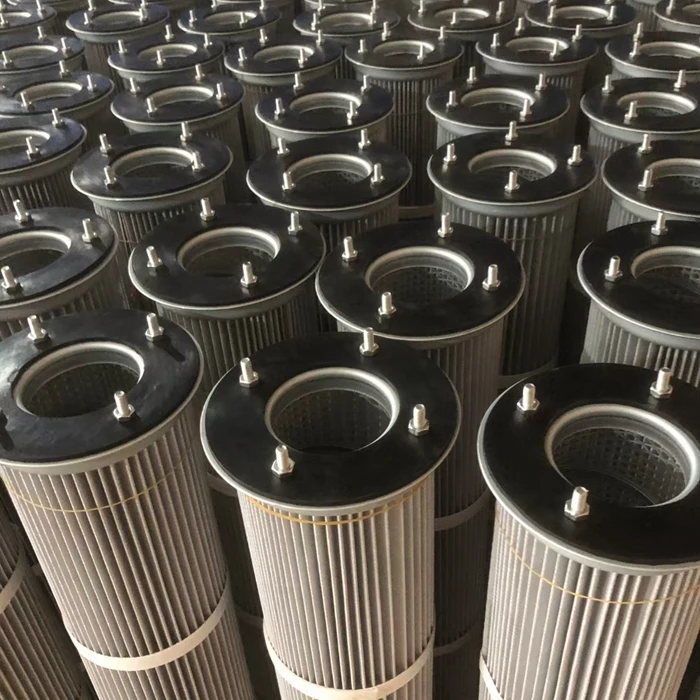
A range of customized stainless steel filter elements, showcasing various designs and end cap configurations.
Application Case Studies & Customer Feedback
Real-world application successes underscore the tangible benefits of deploying high-quality stainless steel filter element technology.
Case Study 1: Petrochemical Catalyst Recovery
A leading petrochemical plant faced challenges with catalyst fines escaping their reactor, leading to equipment fouling downstream and significant product loss. Conventional polymer filters degraded rapidly due to high temperatures and aggressive chemical composition. Implementation of custom-designed, sintered 316L stainless steel filter elements (10-micron absolute rating) resulted in a 99.9% recovery of catalyst particles, extending the lifespan of downstream equipment by 30% and reducing maintenance downtime by 40%. The elements were regularly backwashed and reused, providing a sustainable and cost-effective solution.
"The transition to stainless steel filters from [Company Name] was a game-changer. Our process reliability improved dramatically, and the reusability factor alone has saved us substantial operational costs annually." - Process Engineer, Major Petrochemical Group.
Case Study 2: High-Purity Water for Electronics Manufacturing
An electronics manufacturer required ultra-pure water for wafer cleaning processes, necessitating stringent pre-filtration to protect reverse osmosis (RO) membranes. Previous cartridge filters required frequent replacement, impacting production continuity. By installing 5-micron absolute stainless steel mesh filter cartridge elements as pre-filters, the facility observed a 50% extension in the lifespan of their RO membranes. The stainless steel elements, capable of enduring frequent steam sanitization, also ensured compliance with stringent particle control standards, leading to higher product yield.
"The stainless steel pre-filters have brought unprecedented stability to our UPW system. Their robust design and easy sanitization are vital for our cleanroom operations." - Facilities Manager, Semiconductor Manufacturer.
Frequently Asked Questions (FAQ)
Q1: What is the typical service life of a stainless steel filter element?
A1: With proper maintenance and cleaning, a stainless steel filter element can have a service life of 3 to 10 years, or even longer in less demanding applications. Factors like operating conditions (pressure, temperature, fluid corrosivity) and cleaning frequency influence its longevity.
Q2: How do I clean a stainless steel filter element?
A2: Cleaning methods vary depending on the contaminant and application. Common methods include backwashing with filtered liquid or gas, ultrasonic cleaning, or chemical cleaning (e.g., acid or alkaline solutions) followed by thorough rinsing. Consult your supplier for specific recommendations.
Q3: Are stainless steel filter elements compatible with all chemicals?
A3: While highly resistant, stainless steel (especially 316L) is not universally compatible. Strong oxidizing acids, certain chlorides, and high concentrations of some organic acids at elevated temperatures can cause corrosion. Always check material compatibility charts for your specific process fluids.
Q4: Can these elements be used as dust cartridges in air filtration?
A4: Yes, stainless steel filter elements are excellent for high-temperature and harsh environment dust filtration. Sintered elements, in particular, provide robust and effective dust collection, offering durability and cleanability superior to many conventional media.
Lead Time, Warranty, and After-Sales Support
Ensuring a seamless procurement experience and long-term satisfaction is crucial. Our commitment extends beyond product delivery:
- Lead Time & Fulfillment: Standard stainless steel filter element configurations typically have a lead time of 2-4 weeks. Custom-engineered solutions may require 6-10 weeks, depending on complexity and material availability. We prioritize transparent communication regarding production schedules and logistics, including options for expedited shipping for urgent requirements.
- Warranty Commitments: All our stainless steel filter elements come with a standard 12-month warranty against manufacturing defects and material flaws from the date of purchase. This commitment reflects our confidence in the quality and durability of our products, provided they are used under specified operating conditions.
- Customer Support & Technical Assistance: Our dedicated team of filtration experts is available for comprehensive pre-sales consultation and post-sales support. This includes technical guidance on product selection, system integration, troubleshooting, and optimization. We offer remote and, where necessary, on-site support to ensure your filtration systems perform optimally. Contact us via phone, email, or our online portal for prompt assistance.
Conclusion
The stainless steel filter element represents an indispensable asset in modern industrial filtration, offering an unparalleled blend of durability, performance, and cost-efficiency. Its robust construction, resistance to extreme conditions, and reusability align perfectly with the evolving demands for sustainable and reliable process optimization across diverse sectors. By investing in high-quality, precisely engineered stainless steel filtration solutions, industries can achieve superior product purity, extend equipment life, and significantly reduce operational expenditures. Strategic partnerships with expert manufacturers who prioritize customization, quality assurance, and comprehensive technical support are key to harnessing the full potential of this advanced filtration technology.
References
- Perry's Chemical Engineers' Handbook, 9th Edition. McGraw-Hill Education, 2018.
- Fluid Filtration: Gas, Liquid, Fuel, Lubricant, Water (W.M. Van Nostrand Reinhold Co., 1999).
- Journal of Filtration and Separation, Vol. 25, Issue 3, 2022.
- ISO 2942: Hydraulic fluid power – Filter elements – Verification of fabrication integrity and determination of the first bubble point.
-
High-Efficiency Industrial Dust Filtration & PurificationNewsApr.21,2026
-
High-Efficiency Adsorption for Clean Air & Water PurificationNewsApr.20,2026
-
Air Filter Cartridge: High-Efficiency Filtration for Engine Protection & Clean Air SupplyNewsApr.17,2026
-
Filter Paper: Precision Filtration Media for Industrial & Laboratory ExcellenceNewsApr.16,2026
-
Industrial Guide for Selecting a Stainless Filter CartridgeNewsApr.16,2026
-
Dust Filter Cartridges: High-Efficiency Industrial Filtration for Clean Production & ComplianceNewsApr.15,2026