ONLY Technology (hebei Province) Co., Ltd.

If you are interested in our products, you can choose to leave your information here, and we will be in touch with you shortly.


0%

Table of Contents

Gas turbine air intake filters are crucial components in the operation of gas turbines, playing a vital role in protecting sensitive internal machinery from damaging particulate matter. These filters aren’t just about preventing equipment failure; they are fundamental to ensuring efficient power generation, reducing emissions, and maintaining operational safety across diverse industries. Understanding the nuances of gas turbine air intake filter technology is increasingly important as global energy demands rise and environmental regulations become more stringent.

The global power generation sector, heavily reliant on gas turbines, is a primary driver for advancements in air intake filter technology. With a projected growth in gas turbine capacity, particularly in developing nations, the demand for high-performance, reliable filtration systems is escalating. According to the International Energy Agency (IEA), gas will continue to play a significant role in the global energy mix for decades, further emphasizing the importance of optimizing gas turbine efficiency and longevity through effective filtration.

Effective gas turbine air intake filter systems also have implications beyond the power sector, impacting industries such as aviation, oil and gas, and marine applications. As businesses prioritize sustainability and operational efficiency, investing in superior air filtration solutions represents a strategic advantage, minimizing downtime, reducing maintenance costs, and contributing to a cleaner environmental footprint. The choice and maintenance of a gas turbine air intake filter are paramount.
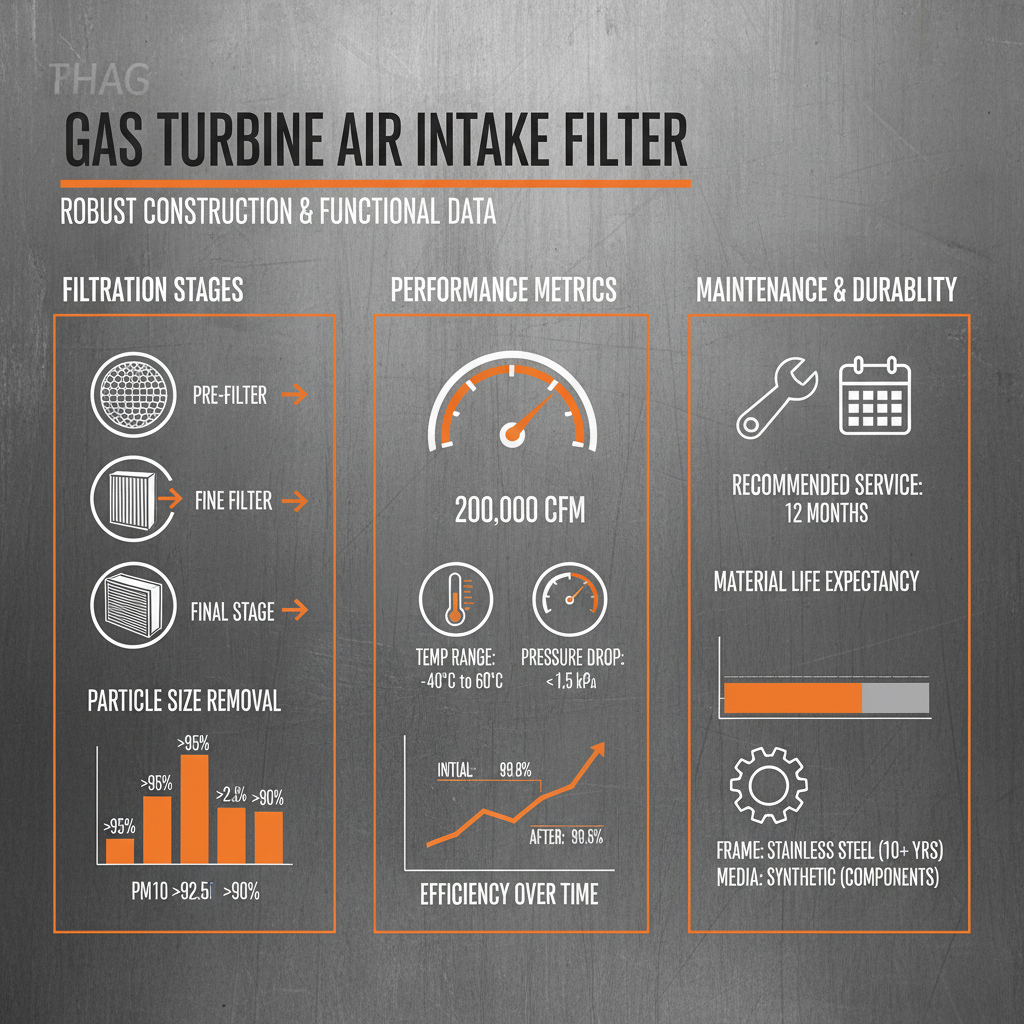
Optimizing Gas Turbine Performance with Advanced Air Intake Filter Technology

The Significance of Gas Turbine Air Intake Filters

Optimizing Gas Turbine Performance with Advanced Air Intake Filter Technology

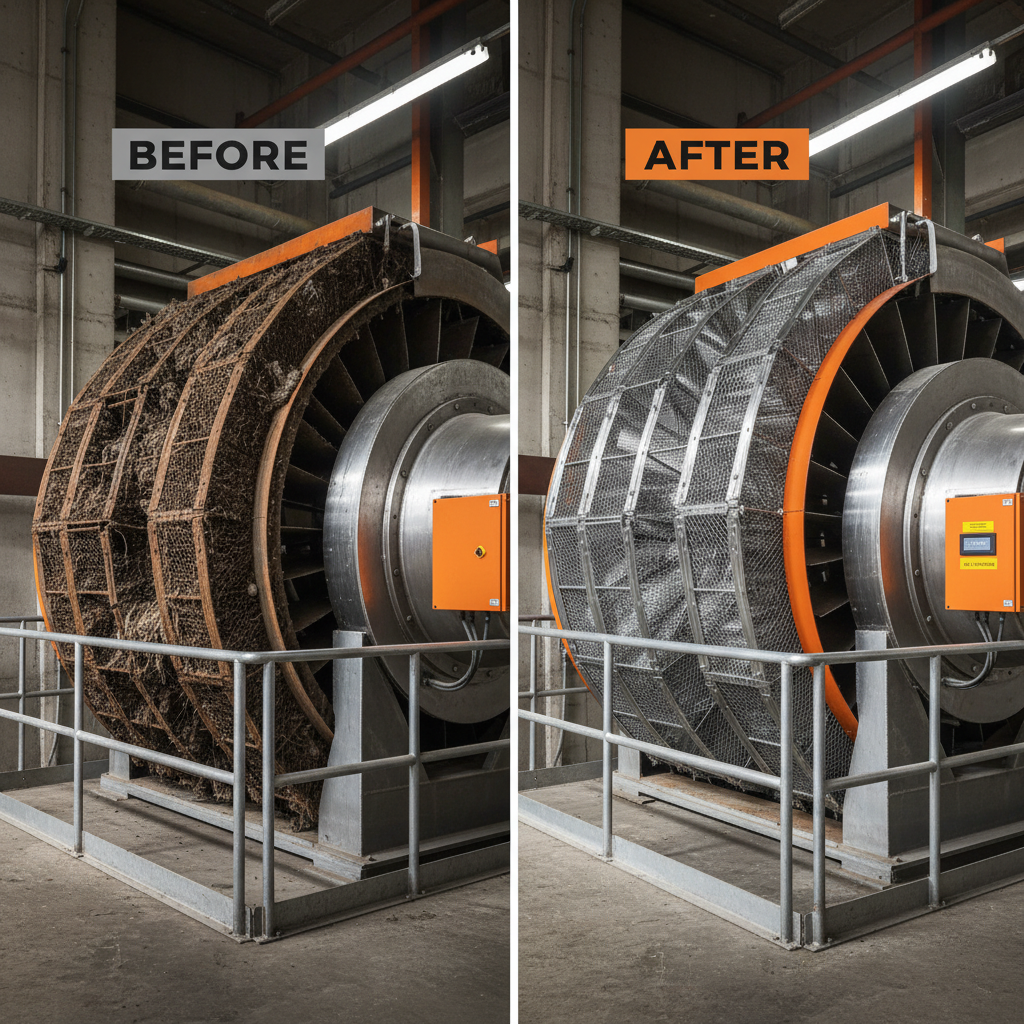
The functionality of a gas turbine heavily depends on the quality of air it consumes. Even minute amounts of particulate matter—dust, sand, pollen, salt spray—can cause erosion of turbine blades, leading to reduced efficiency, increased maintenance costs, and ultimately, premature failure. A high-quality gas turbine air intake filter effectively removes these contaminants, extending the turbine’s lifespan and minimizing operational disruptions.

Beyond mechanical protection, optimized air filtration contributes to cleaner emissions. By ensuring complete combustion, efficient filtration helps reduce harmful pollutants released into the atmosphere, aligning with increasingly strict environmental regulations and corporate sustainability goals. Choosing the right filter media and design is therefore not merely a technical consideration but a strategic imperative for responsible energy production.

Defining Gas Turbine Air Intake Filters

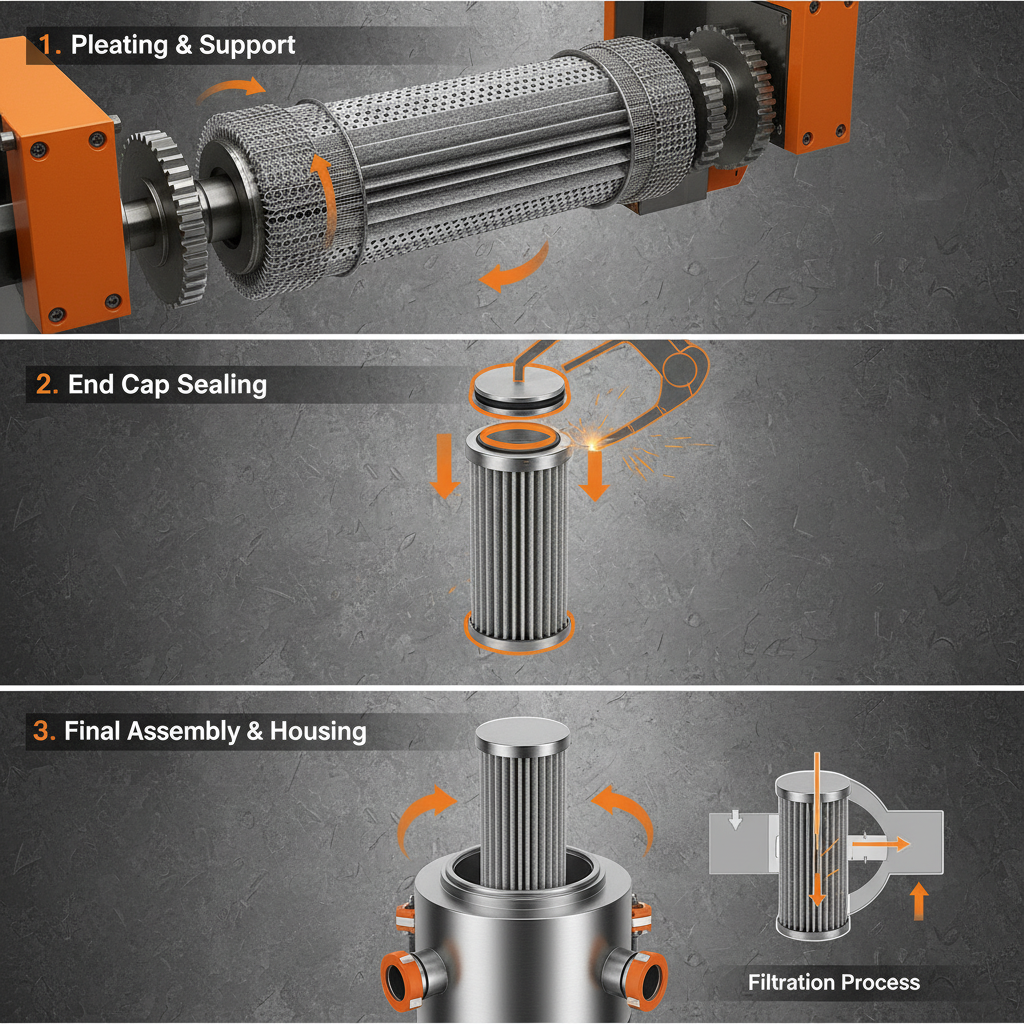
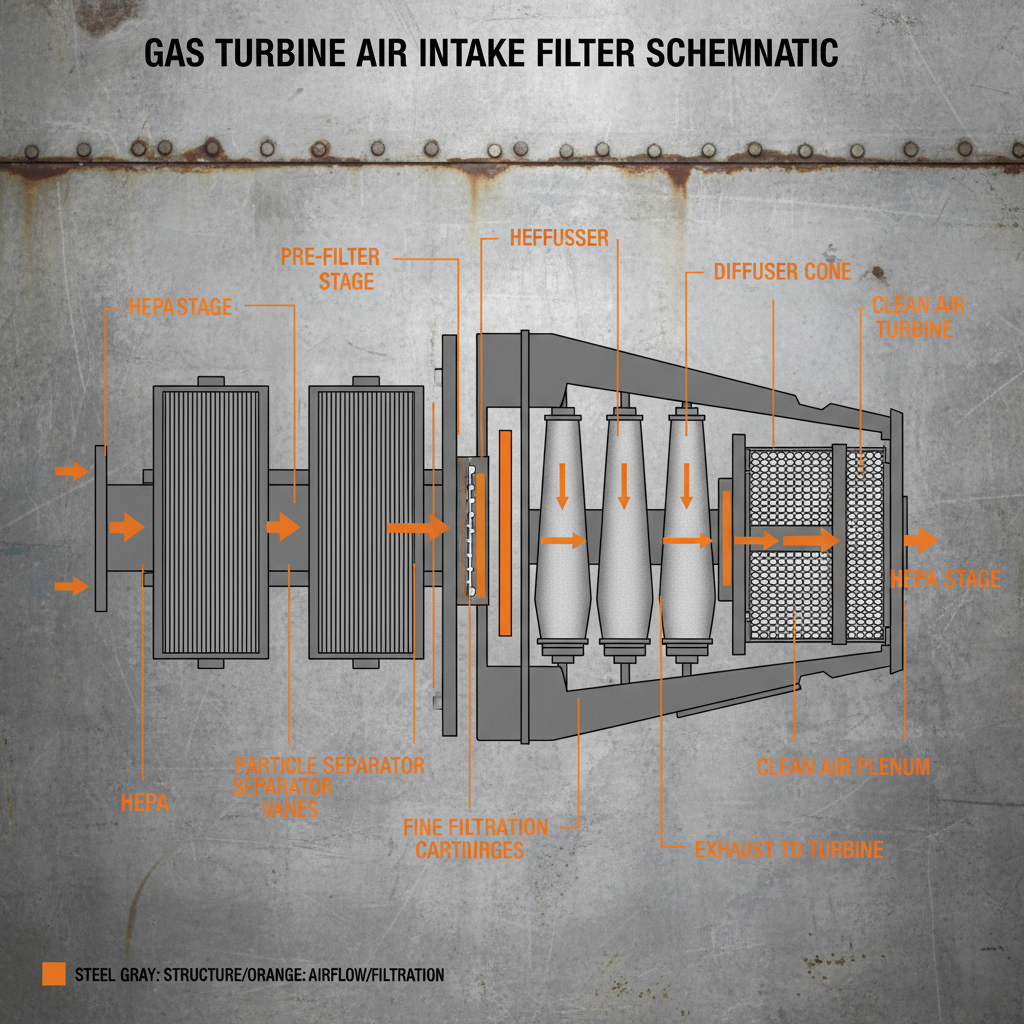
A gas turbine air intake filter is a critical component designed to remove airborne contaminants before they enter the compressor section of a gas turbine engine. Its primary function is to safeguard the sensitive internal components from abrasive damage and fouling, preserving their efficiency and extending their operational life. These filters range in complexity from simple coarse screens to multi-stage systems incorporating inertial separators, pre-filters, and high-efficiency particulate air (HEPA) filters.

The connection to modern industry is undeniable. Gas turbines are essential for power generation, mechanical drive in oil and gas production, and propulsion in aviation. Without reliable air filtration, these industries would face frequent downtime, escalating maintenance expenses, and reduced overall productivity. The efficiency of entire operations can be directly affected by the performance of the gas turbine air intake filter.

In humanitarian contexts, reliable power generation – often reliant on gas turbines – is vital for disaster relief, providing essential services like healthcare, communication, and water purification. Effective air filtration ensures that these critical power sources operate consistently, even in harsh and dusty environments, contributing to the resilience of affected communities.

Core Components and Key Considerations

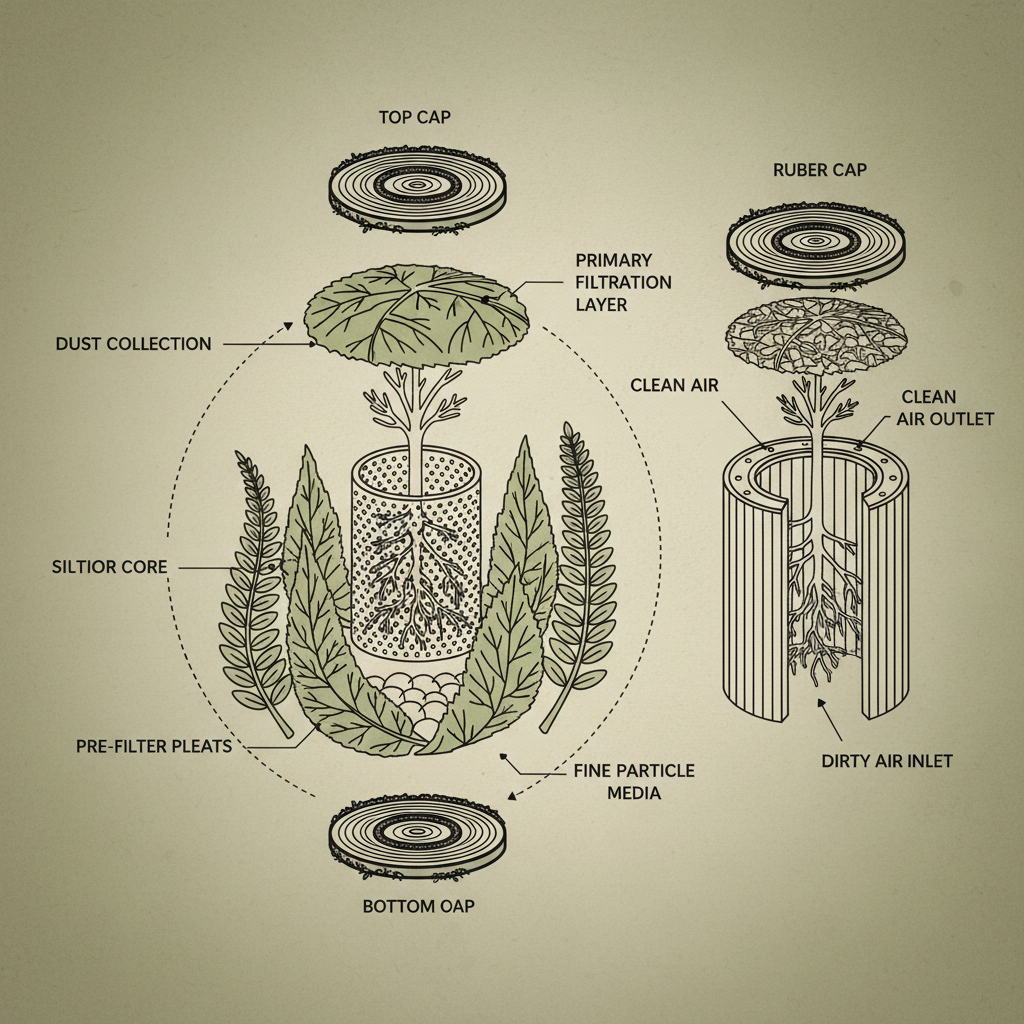
Several key factors determine the effectiveness and suitability of a gas turbine air intake filter. Efficiency, measured by the percentage of particles removed, is paramount. Different filter media – synthetic fibers, cellulose, pleated structures – offer varying levels of efficiency. Pressure drop represents the resistance to airflow caused by the filter; lower pressure drop minimizes energy consumption and maintains turbine performance.

Durability is another crucial aspect, dictated by the filter's construction materials and its ability to withstand harsh environmental conditions – temperature fluctuations, humidity, corrosive substances. Filters must be able to maintain their integrity over extended periods, reducing the frequency of replacements. Filter life depends on the contaminant load and operating conditions, influencing maintenance schedules and operational costs.

Compatibility with the specific gas turbine model is essential. Incorrectly sized or designed filters can lead to reduced airflow, increased pressure drop, and even damage to the turbine. Finally, cost-effectiveness, considering both initial purchase price and long-term maintenance costs, plays a significant role in the decision-making process. Optimizing these factors is vital for maximizing turbine performance and minimizing lifecycle costs.

Performance Metrics of Gas Turbine Air Intake Filters

Assessing the performance of gas turbine air intake filters requires evaluating several key metrics. Filtration Efficiency measures the filter’s ability to remove particulate matter of varying sizes, often expressed as a percentage at specific micron ratings. Airflow Resistance (Pressure Drop) indicates how much the filter impedes airflow, impacting turbine power output and fuel consumption.

Dust Holding Capacity represents the amount of particulate matter a filter can accumulate before its performance degrades significantly. Filter Life is a critical metric, reflecting the time between filter replacements, influenced by contaminant levels and operating conditions.

Gas Turbine Air Intake Filter Performance Comparison


Global Applications Across Industries

Gas turbine air intake filters are vital across a diverse range of industries. In the power generation sector, they protect turbines in combined-cycle power plants, simple-cycle peaking plants, and cogeneration facilities, ensuring reliable electricity supply. The aviation industry relies heavily on these filters to safeguard jet engines from foreign object damage (FOD), maintaining flight safety and performance.

The oil and gas industry utilizes gas turbines for mechanical drive in compressors and pumps, requiring robust filtration to withstand harsh operating conditions and protect critical equipment. In marine applications, gas turbines power ships and offshore platforms, demanding filters capable of resisting salt spray and corrosive environments.

Long-Term Benefits and Value Proposition

Investing in high-quality gas turbine air intake filters delivers substantial long-term benefits. Reduced downtime and maintenance costs translate into significant operational savings. Improved turbine efficiency leads to lower fuel consumption and reduced emissions, contributing to sustainability goals.

Enhanced reliability ensures consistent power generation, safeguarding critical operations and minimizing disruptions. Beyond the economic advantages, using effective filtration systems demonstrates a commitment to environmental responsibility and responsible resource management. A dependable gas turbine air intake filter ensures safety and builds trust.

Future Trends and Innovations in Filtration

The future of gas turbine air intake filtration is focused on several key trends. The development of advanced filter media, such as nanofiber-based materials, promises higher efficiency and lower pressure drop. Smart filtration systems, incorporating sensors and data analytics, will enable predictive maintenance and optimize filter replacement schedules.

Furthermore, research into self-cleaning filter technologies aims to reduce maintenance requirements and extend filter life. The integration of digital twin technology will allow for virtual testing and optimization of filtration systems, enhancing performance and reliability. Increased focus on sustainable materials and eco-friendly manufacturing processes will also shape the future landscape of gas turbine air intake filtration.

The convergence of these innovations will drive improvements in gas turbine performance, reduce operational costs, and contribute to a more sustainable energy future, with a growing reliance on optimized gas turbine air intake filter systems.

FAQS

What is the typical lifespan of a gas turbine air intake filter?

The lifespan of a gas turbine air intake filter varies significantly depending on the operating environment and the type of filter used. In relatively clean environments, a filter might last 6-12 months. However, in dusty or corrosive conditions, replacement may be required every 1-3 months. Regular monitoring of pressure drop and visual inspections are crucial for determining the optimal replacement schedule, preventing performance degradation and potential turbine damage.

What are the key differences between different types of gas turbine air intake filter media?

Various filter media offer different performance characteristics. Synthetic fibers provide good efficiency and durability. Cellulose media is cost-effective but may have lower efficiency. Pleated filters increase surface area, enhancing dust holding capacity. Nanofiber-based media offer the highest efficiency but can be more expensive. The best choice depends on the specific application, contaminant levels, and budget constraints.

How does pressure drop affect gas turbine performance?

Pressure drop is the resistance to airflow caused by the filter. A higher pressure drop reduces the amount of air entering the turbine, lowering power output and increasing fuel consumption. Excessive pressure drop can also strain the turbine compressor. Regularly monitoring pressure drop and replacing filters when they reach a critical threshold is essential for maintaining optimal turbine performance.

What maintenance practices are recommended for gas turbine air intake filters?

Regular visual inspections for damage or clogging are recommended. Monitor pressure drop readings to track filter performance. Implement a scheduled filter replacement program based on operating conditions and manufacturer recommendations. Ensure proper sealing to prevent air bypass. Maintain accurate records of filter changes and performance data.

Can a dirty air filter cause damage to the gas turbine itself?

Yes, a dirty air filter can definitely cause damage. Allowing contaminants to enter the turbine can lead to erosion of turbine blades, compressor fouling, and reduced efficiency. Over time, this can result in costly repairs or even complete turbine failure. Proactive filter maintenance is a crucial step in protecting your investment in gas turbine technology.

What is the role of pre-filters in a multi-stage filtration system?

Pre-filters are used to remove larger particulate matter before the air reaches the main filter. This extends the life of the main, more expensive filter by reducing its contaminant load. Pre-filters also help to protect the main filter from damage caused by large debris. Using a multi-stage system with appropriate pre-filters is a cost-effective way to ensure optimal filtration performance.

Conclusion

In conclusion, gas turbine air intake filters are indispensable components ensuring the reliable, efficient, and sustainable operation of gas turbines across a wide spectrum of industries. From protecting sensitive machinery from damaging particulate matter to contributing to cleaner emissions and reducing operational costs, their importance cannot be overstated. Understanding the core components, performance metrics, and future trends in filtration technology is paramount for optimizing turbine performance and maximizing long-term value.

Investing in high-quality filtration solutions and implementing proactive maintenance practices are crucial for safeguarding your investment and ensuring consistent power generation. As technology continues to evolve, embracing innovations in filter media, smart filtration systems, and sustainable materials will be essential for meeting the challenges of a rapidly changing energy landscape. For expert advice and a comprehensive selection of gas turbine air intake filters, visit our website: www.onlyfiltercartridge.com.

William Davis

William Davis

William Davis is a Sales Manager at ONLY TECHNOLOGY, specializing in building relationships with clients in the construction and industrial production sectors. He possesses a strong technical background coupled with excellent communication skills. William works closely with customers to understand their specific filtration requirements and recommend the most appropriate products
Previous Optimizing Gas Turbine Performance with Advanced Air Filter Technology
Next Optimizing Gas Turbine Filter Performance for Enhanced Efficiency and Reliability
Copyright © 2026 ONLY Technology (hebei Province) Co., Ltd. All Rights Reserved. Sitemap | Privacy Policy | Top Blog | Global Service