 Email:admin@only-filter.com
 Tel:
+8615930870079
Tel:
+8615930870079
Oct . 16, 2025 19:50 Back to list
Carbon Filter Element: Remove VOCs & Odors Faster—Why?
High capacity activated carbon filter element: field notes, specs, and why it matters
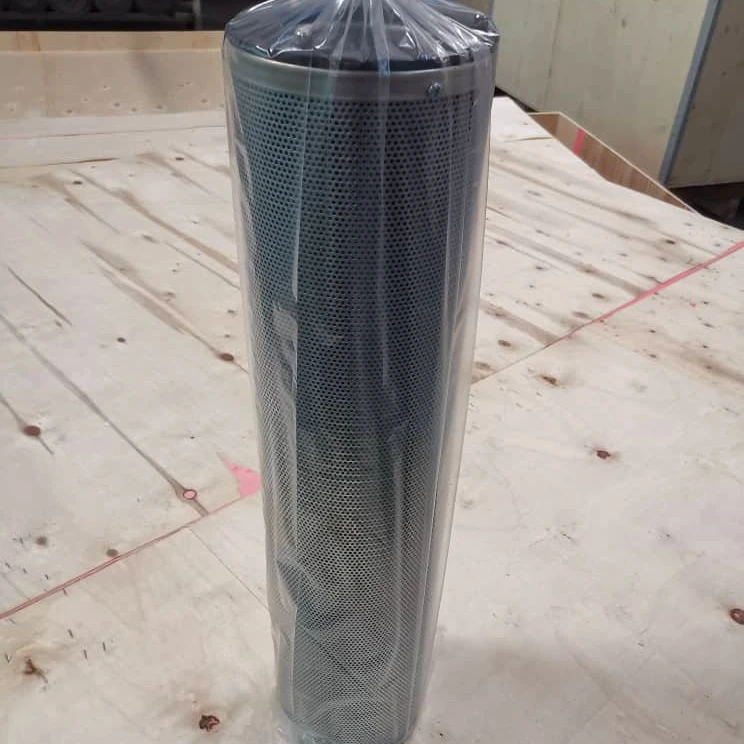
I’ve spent a good slice of my career inside plants where water treatment is the make-or-break variable. If you’re comparing a carbon filter element for that critical pre-RO stage or point-of-use polishing, this one from Rongding World, Xinhua District, Shijiazhuang City, Hebei Province is, frankly, a strong contender. Many customers say it “just works” — less drama, cleaner taste. And yes, the small details (binders, porosity, pressure drop) make the big difference.
What’s inside and how it’s made
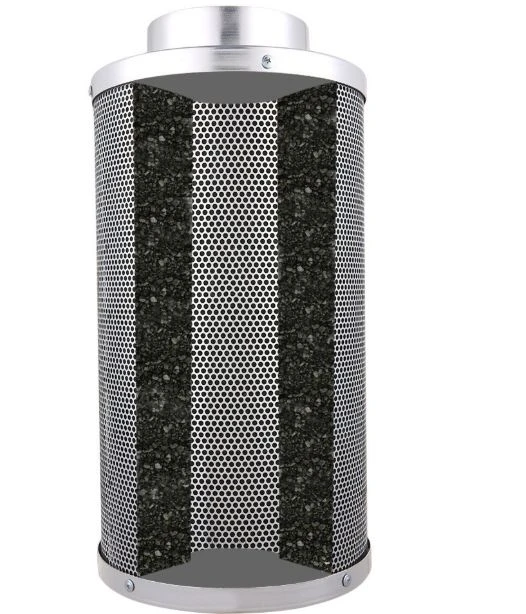
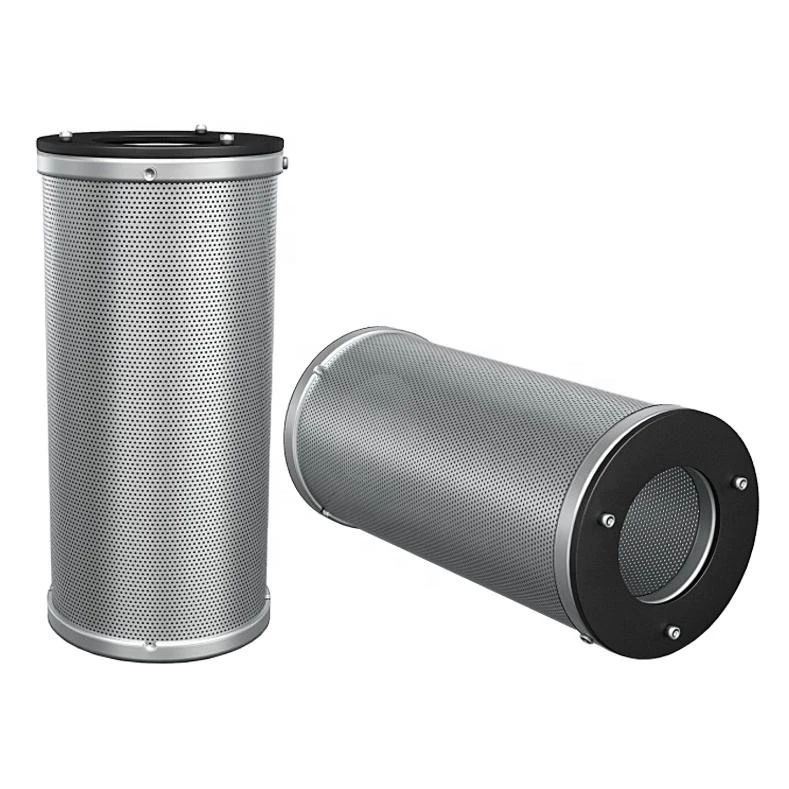
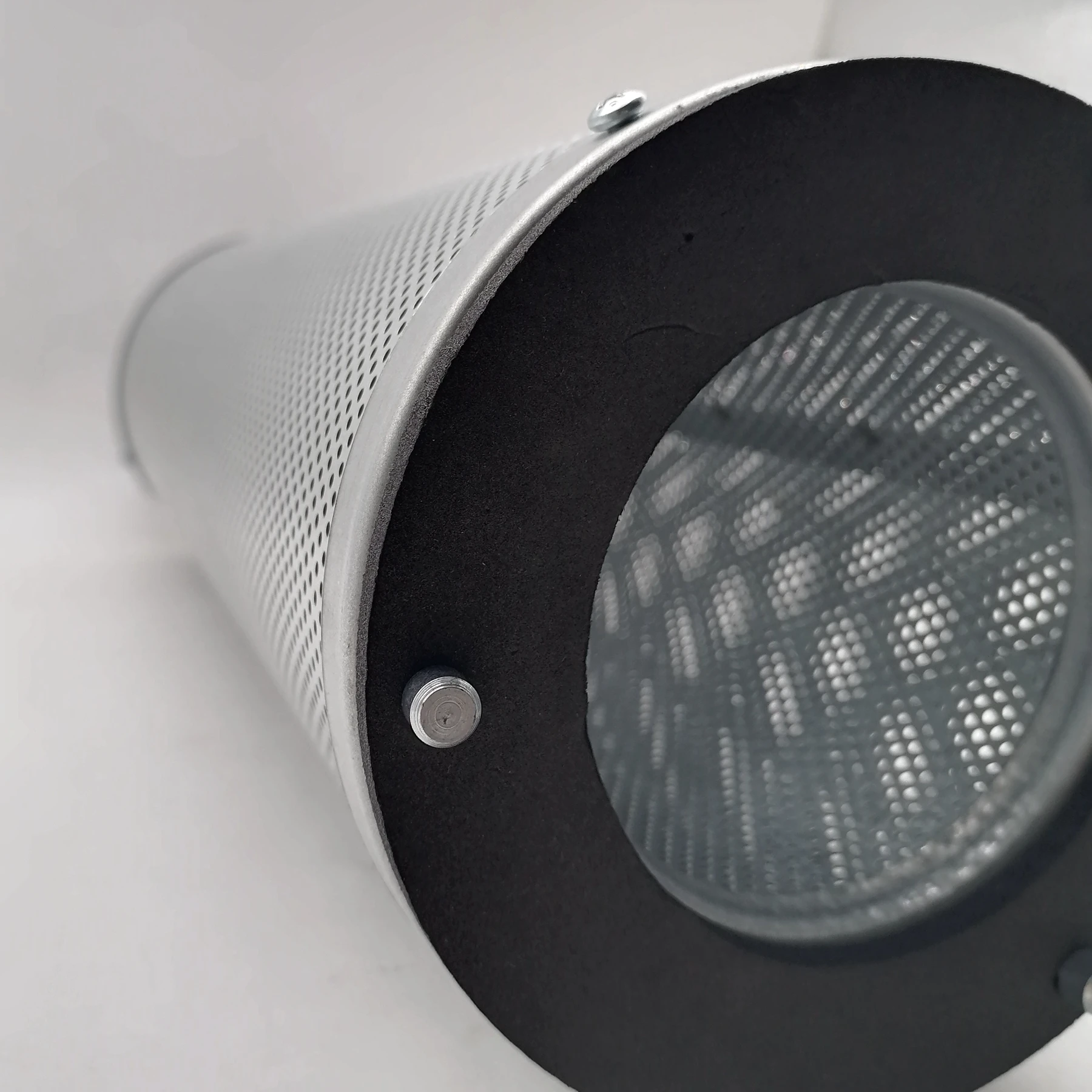
The “High capacity activated carbon filter element” is built around high-quality activated carbon — typically coconut-shell based — chosen for a rich microporous structure and strong adsorption. Process flow, in short: media selection and pre-wash (ash reduction), controlled extrusion with a food-grade binder to form a carbon block, end-cap bonding (DOE or 222/226), 100% integrity inspection, then batch QA. Testing draws on ASTM D4607 for iodine number, D2867 for moisture, plus chlorine reduction to NSF/ANSI 42 protocol. Real-world use may vary, but it’s engineered for residual chlorine, odor, and organic reduction.
Product specifications (typical)
| Core media | Coconut-shell activated carbon block (acid-washed), food-grade binder |
| Nominal filtration rating | ≈ 5–10 µm |
| Iodine number | ≈ 900–1100 mg/g (ASTM D4607) |
| Chlorine reduction | Up to 97–99% at 2 ppm challenge, 2 L/min, 4,000–8,000 L (NSF/ANSI 42 protocol conditions) |
| Dimensions | 10” × 2.5” standard; options 20” and BB 4.5” |
| End connections | DOE, 222/226, flat or fin; gaskets EPDM/NBR |
| Operating window | 4–45°C; ΔP at rated flow ≈ 0.2–0.4 bar; burst > 2.5 bar (typical) |
| Service life | Around 6–12 months or 4–10 m³, depending on feed quality |
Applications and trends
Common uses: municipal POU systems, RO pretreatment, beverage polishing, lab/healthcare prefiltration, hospitality ice/coffee lines, and light industrial reuse loops. Industry trend-wise, we’re seeing: tighter chlorine and THM targets, PFAS awareness (granular vs. block pairing), coconut-shell preference for taste, and a push for traceability and lower pressure drop. To be honest, buyers also ask about microplastics — adsorption plus nominal particulate capture helps, but validation is case-by-case.
Vendor snapshot (public specs; always verify)
| Vendor / Model | Certifications | Customization | Lead time | Notes |
| High capacity activated carbon filter element (OnlyFilter) | Designed to meet NSF/ANSI 42; materials options for 61 on request | OD/ID/length, 222/226, branding | ≈ 10–20 days | Competitive MOQs; private label friendly |
| Pentair/CUNO-type carbon block | Often NSF/ANSI 42 listed | Limited | Stock-dependent | Strong distribution; premium pricing |
| Generic OEM import | Varies; check listings | Some | ≈ 20–35 days | Price-led; QA consistency mixed |
QC, testing, and documentation
Factory QA typically includes iodine number, hardness/attrition, ash, pressure drop, and chlorine reduction to NSF/ANSI 42 protocols, plus lot traceability. Certificates of analysis and material declarations (RoHS/REACH, food-contact options) are available on request. Service life depends on influent chlorine/TOC and flow profile — monitoring ΔP and taste/odor is still the practical trigger.
Mini case files
- Beverage line, Hebei: Swapped legacy GAC canisters for this carbon filter element in 10” housings; reported ≈ 30% lower ΔP and consistent flavor. “Less tweaking between batches.”
- Business hotel, coastal city: Deployed 20” blocks ahead of ice machines; chlorine breakthrough pushed from ~3 to ~6 months, measured at 2 L/min service flow.
Buying tips and customization
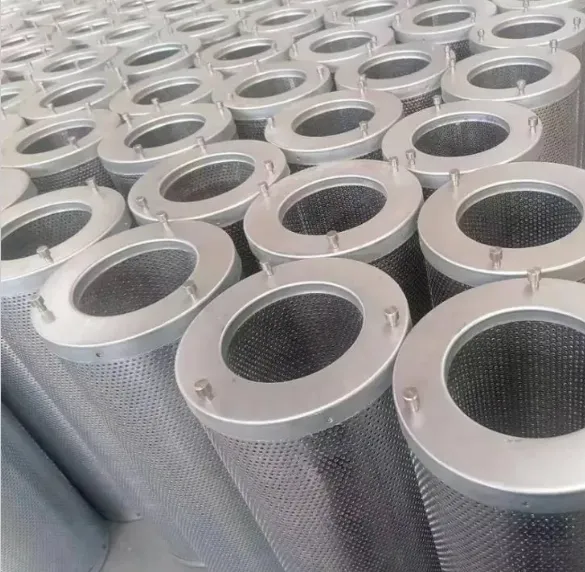
Match cartridge length/OD to your housings, pick DOE vs. 222/226 ends, and size for velocity (keep contact time up, pressure drop down). If you need VOC/metals performance, specify testing under NSF/ANSI 53. Private label printing, custom lengths, and higher iodine media are available — ask for pilot samples and a test protocol before the big rollout.
Authoritative citations
- NSF/ANSI 42, 53, 61 Drinking Water Treatment Units – Overview. https://www.nsf.org/knowledge-library/drinking-water-treatment-units-home
- ASTM D4607 – Iodine Number of Activated Carbon. https://www.astm.org/d4607
- U.S. EPA National Primary Drinking Water Regulations. https://www.epa.gov/ground-water-and-drinking-water/national-primary-drinking-water-regulations
- WHO Guidelines for Drinking-water Quality. https://www.who.int/publications/i/item/9789241549950
-
High-Efficiency Adsorption for Clean Air & Water PurificationNewsApr.20,2026
-
Air Filter Cartridge: High-Efficiency Filtration for Engine Protection & Clean Air SupplyNewsApr.17,2026
-
Filter Paper: Precision Filtration Media for Industrial & Laboratory ExcellenceNewsApr.16,2026
-
Industrial Guide for Selecting a Stainless Filter CartridgeNewsApr.16,2026
-
Dust Filter Cartridges: High-Efficiency Industrial Filtration for Clean Production & ComplianceNewsApr.15,2026
-
Filter Paper: High-Efficiency Filtration Solution for Industrial & Laboratory UseNewsApr.14,2026