 Email:admin@only-filter.com
 Tel:
+8615930870079
Tel:
+8615930870079
Mar . 11, 2026 02:05 Back to list
Optimizing Gas Turbine Inlet Filter Performance for Enhanced Efficiency and Reliability
Understanding Gas Turbine Inlet Filter Performance
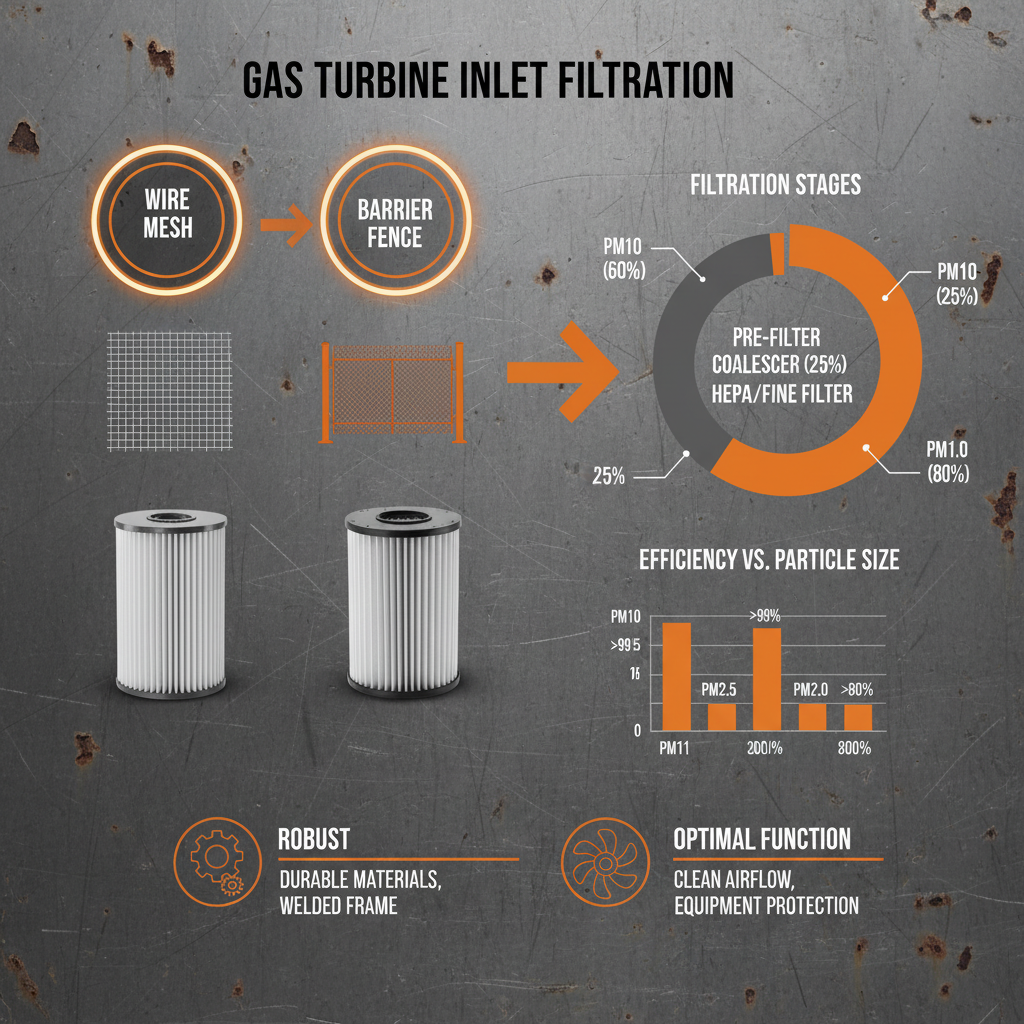
Gas turbine engines are critical components in power generation, oil & gas, and aviation. Protecting these turbines from harmful contaminants is paramount for ensuring reliable operation and minimizing downtime. Gas turbine inlet filters play a vital role in achieving this protection. This article will explore the importance of these filters, different types available, factors affecting performance, maintenance strategies, and how to choose the right filter for your specific application. Maintaining optimal filter performance directly translates to increased turbine efficiency and reduced maintenance costs.
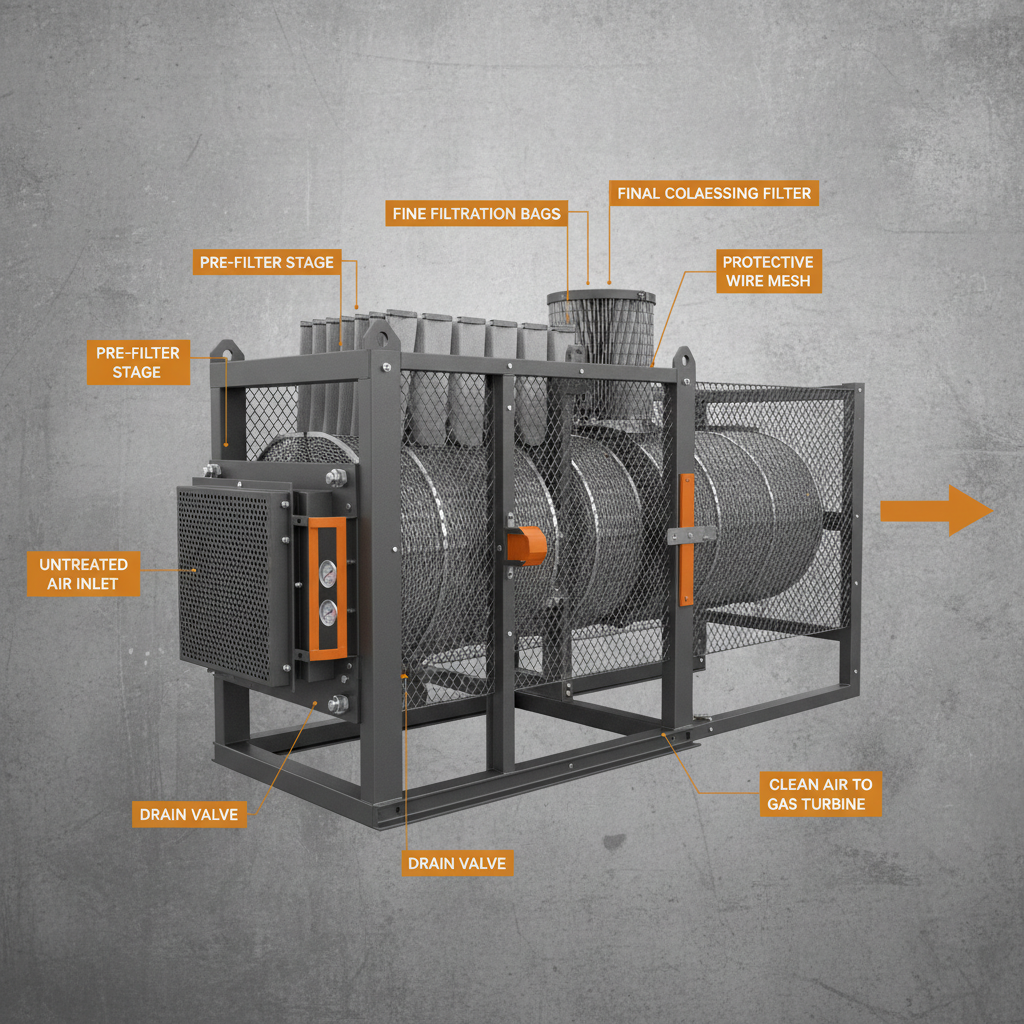
Why are Gas Turbine Inlet Filters Essential?
Gas turbines operate at incredibly high speeds and temperatures, making them extremely sensitive to particulate contamination. Even small particles can cause erosion of turbine blades, leading to reduced efficiency, increased fuel consumption, and ultimately, costly repairs or replacements. Gas turbine inlet filters remove dust, pollen, salt, insects, and other debris from the intake air, safeguarding the turbine's internal components. This protection is crucial in harsh environments such as deserts, coastal areas, and industrial zones where contaminant levels are high. Without effective filtration, turbine lifespan and performance are significantly compromised.
Key Benefits: Reduced turbine wear, improved efficiency, decreased fuel consumption, lower maintenance costs, and extended turbine lifespan.
Types of Gas Turbine Inlet Filters
Several types of filters are available, each offering varying levels of protection and performance. The choice depends on the specific application, contaminant levels, and turbine manufacturer's recommendations. Common types include:
- Panel Filters: Cost-effective for lower contaminant environments.
- Pleated Filters: Offer increased surface area and higher efficiency than panel filters.
- Bag Filters: Provide excellent dust-holding capacity and are suitable for moderate contaminant loads.
- Self-Cleaning Filters: Utilize automated mechanisms to remove accumulated contaminants, reducing maintenance frequency.
- Inertial Separators: Remove larger particles using centrifugal force, often used as a pre-filter.
Filter Type Comparison:
• Efficiency: Panel
• Cost: Inertial
• Maintenance: Self-Cleaning
Factors Affecting Gas Turbine Inlet Filter Performance
Several factors can impact the efficiency and lifespan of gas turbine inlet filters. These include contaminant loading, filter media type, airflow velocity, and humidity. High contaminant levels will naturally shorten the filter's lifespan, requiring more frequent replacements. Selecting the appropriate filter media for the specific contaminants present is crucial for optimal performance. Excessive airflow velocity can lead to increased pressure drop and reduced filter efficiency. Humidity can also affect filter performance, especially with certain media types.
Selecting the Right Gas Turbine Inlet Filter
Choosing the optimal filter requires careful consideration of several factors. First, assess the operating environment and identify the types and concentrations of contaminants present. Then, consult the turbine manufacturer’s specifications for recommended filter types and performance parameters. Consider the initial cost, replacement frequency, and pressure drop characteristics of different filter options. Ultimately, selecting a filter that balances performance, cost, and maintenance requirements is essential. Onlyfiltercartridge.com offers a comprehensive range of filters tailored to various gas turbine applications.
Maintenance and Monitoring of Gas Turbine Inlet Filters
Regular maintenance and monitoring are crucial for ensuring optimal filter performance. Implement a scheduled filter replacement program based on operating hours or pressure drop measurements. Visually inspect filters regularly for signs of damage or excessive contamination. Consider using pressure drop gauges to monitor filter loading and identify when replacement is necessary. Proper maintenance not only protects the turbine but also minimizes downtime and reduces operating costs.
Conclusion: Protecting Your Investment with Optimal Filtration
Investing in high-quality gas turbine inlet filters and implementing a robust maintenance program are essential for maximizing turbine performance, minimizing downtime, and reducing operating costs. Proper filtration safeguards your valuable equipment and ensures reliable power generation. Don't compromise on air quality – choose Onlyfiltercartridge.com for superior filtration solutions.
Frequently Asked Questions (FAQs)
What is the typical lifespan of a gas turbine inlet filter?
The lifespan of a gas turbine inlet filter varies greatly depending on environmental conditions, contaminant levels, and filter type. Generally, filters can last anywhere from 3 months to 2 years. However, it's crucial to monitor pressure drop and visual indicators to determine when replacement is necessary. Ignoring these signals can lead to reduced turbine efficiency and potential damage. Regular inspection and data logging are key to optimizing filter lifespan and maintaining optimal turbine performance. Onlyfiltercartridge.com provides guidance on recommended replacement intervals based on specific applications.
How does humidity affect filter performance?
High humidity can significantly impact filter performance, particularly with cellulose-based media. Moisture can cause the filter media to swell, reducing airflow and increasing pressure drop. In some cases, humidity can also lead to the growth of mold and bacteria, further compromising filter efficiency. Selecting filters with hydrophobic media, which repel water, is recommended in humid environments. Regular monitoring and proper ventilation can also help mitigate the effects of humidity on filter performance.
What are the benefits of using self-cleaning filters?
Self-cleaning filters offer several advantages, including reduced maintenance frequency, lower operating costs, and consistent performance. These filters utilize automated mechanisms to remove accumulated contaminants, eliminating the need for manual cleaning or frequent replacements. This is particularly beneficial in remote locations or environments with high contaminant levels. While self-cleaning filters typically have a higher initial cost, the long-term savings in maintenance and downtime often outweigh the investment.
-
High-Efficiency Adsorption for Clean Air & Water PurificationNewsApr.20,2026
-
Air Filter Cartridge: High-Efficiency Filtration for Engine Protection & Clean Air SupplyNewsApr.17,2026
-
Filter Paper: Precision Filtration Media for Industrial & Laboratory ExcellenceNewsApr.16,2026
-
Industrial Guide for Selecting a Stainless Filter CartridgeNewsApr.16,2026
-
Dust Filter Cartridges: High-Efficiency Industrial Filtration for Clean Production & ComplianceNewsApr.15,2026
-
Filter Paper: High-Efficiency Filtration Solution for Industrial & Laboratory UseNewsApr.14,2026