 Email:admin@only-filter.com
 Tel:
+8615930870079
Tel:
+8615930870079
Oct . 06, 2025 09:55 Back to list
Why Choose a Metal Cartridge Filter? Reusable 316L SS
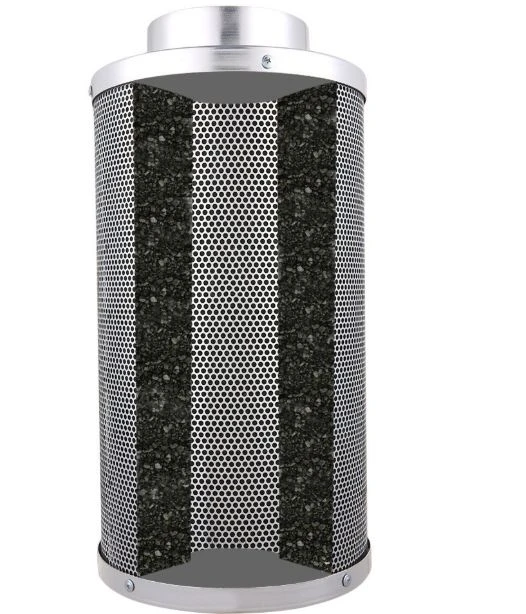
At the center of that shift is a workhorse element: Strong adsorption capacity and anti-corrosion activated carbon filter element, produced in Rongding World, Xinhua District, Shijiazhuang City, Hebei Province. It’s high-quality activated carbon media housed in a durable configuration that drops neatly into stainless or alloy housings. It grabs organics and residual chlorine, and yes, it does the unglamorous but vital jobs—decolorization and deodorization—day in, day out.
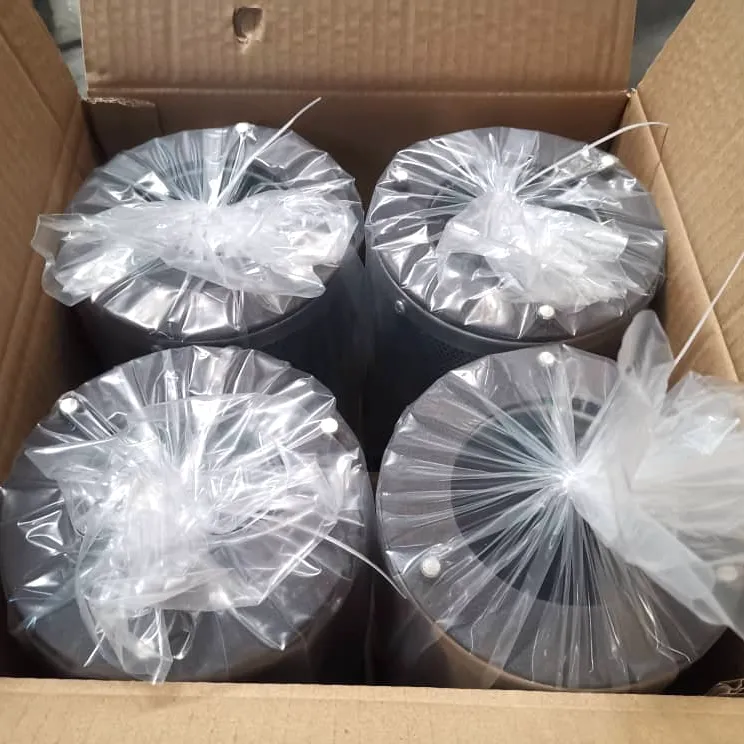
What’s changing industry-wide? Three things: tighter discharge rules, demand for lower TCO (total cost of ownership), and sustainability pressure. Reusable metal housings plus replaceable carbon elements reduce plastic waste, and, surprisingly, capex payback has been quicker than some finance teams modelled. Many customers say they’re also seeing steadier pressure drop over time versus older polymer-only cartridges.
| Product | Strong adsorption capacity and anti-corrosion activated carbon filter element |
| Media | High-iodine activated carbon (iodine number ≈ 900–1100 mg/g) |
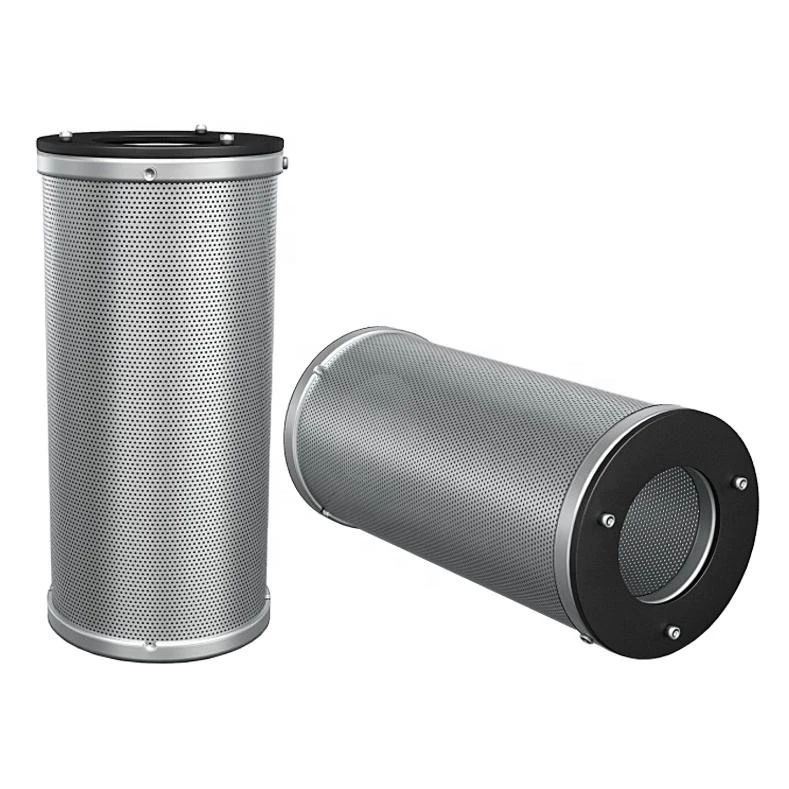
| Outer support | Metal cage for metal cartridge filter housings; anti-corrosion treatment |
| Micron rating | ≈ 1–10 μm (real-world use may vary) |
| Chlorine reduction | Up to 95% at 2 ppm inlet, 5 L/min, 20°C, per NSF/ANSI 42 protocols |
| Service life | ≈ 20,000–30,000 L or 3–6 months; depends on feed quality |
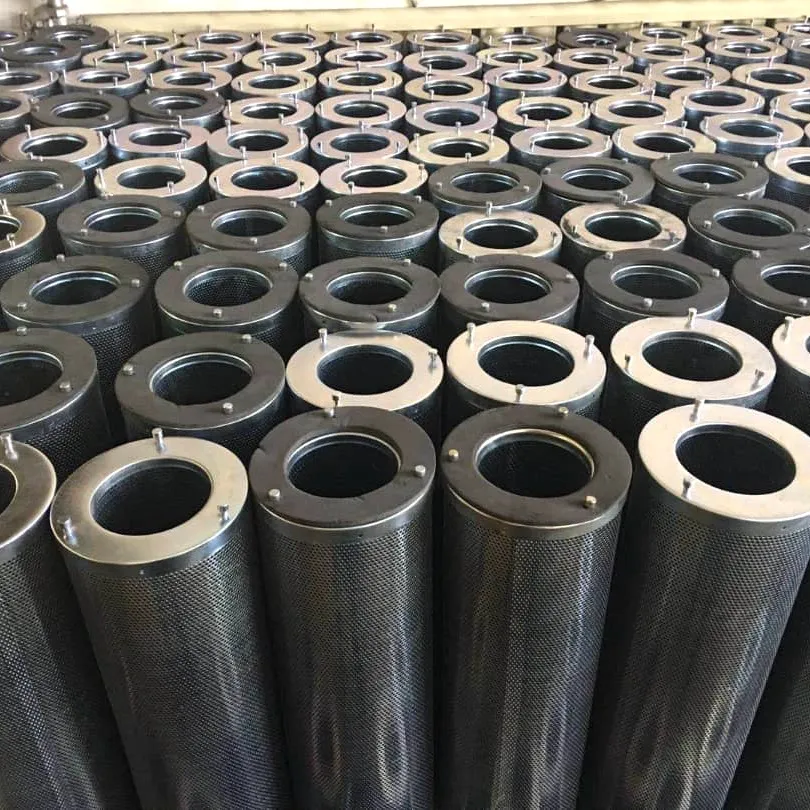
Application snapshots (from my notes and site visits): beverage syrup dilution polishing, plating rinse water dechlorination (to protect activated resin beds), CIP water odor control in dairies, midstream petrochemical utility water, and electronics pre-RO protection. In fact, pharma utilities sometimes use them ahead of final sterilizing grades to protect downstream membranes.
Process flow and QA: premium carbon selection → blending/activation → forming (block or packed granule with binder control) → metal cage and end-cap assembly (EPDM/NBR/PTFE gaskets as ordered) → flush and pre-rinse → pressure integrity check (ISO 2942-style) → chlorine reduction test (NSF/ANSI 42 method) → documentation and lot traceability (ISO 9001:2015).
| Vendor | Carbon Quality | Certifications | Lead Time | Customization |
|---|---|---|---|---|
| OnlyFilterCartridge (Shijiazhuang) | Iodine ≈ 1000; low ash | ISO 9001; NSF/ANSI 42 tested | 7–15 days | End-caps, gaskets, sizes |
| Generic Import | Iodine ≈ 800–900 | Supplier self-declaration | 20–30 days | Limited |
| Legacy Brand | Iodine ≈ 1000+ | NSF/ANSI 42/61; ISO 9001 | Stock for common SKUs | Broad |
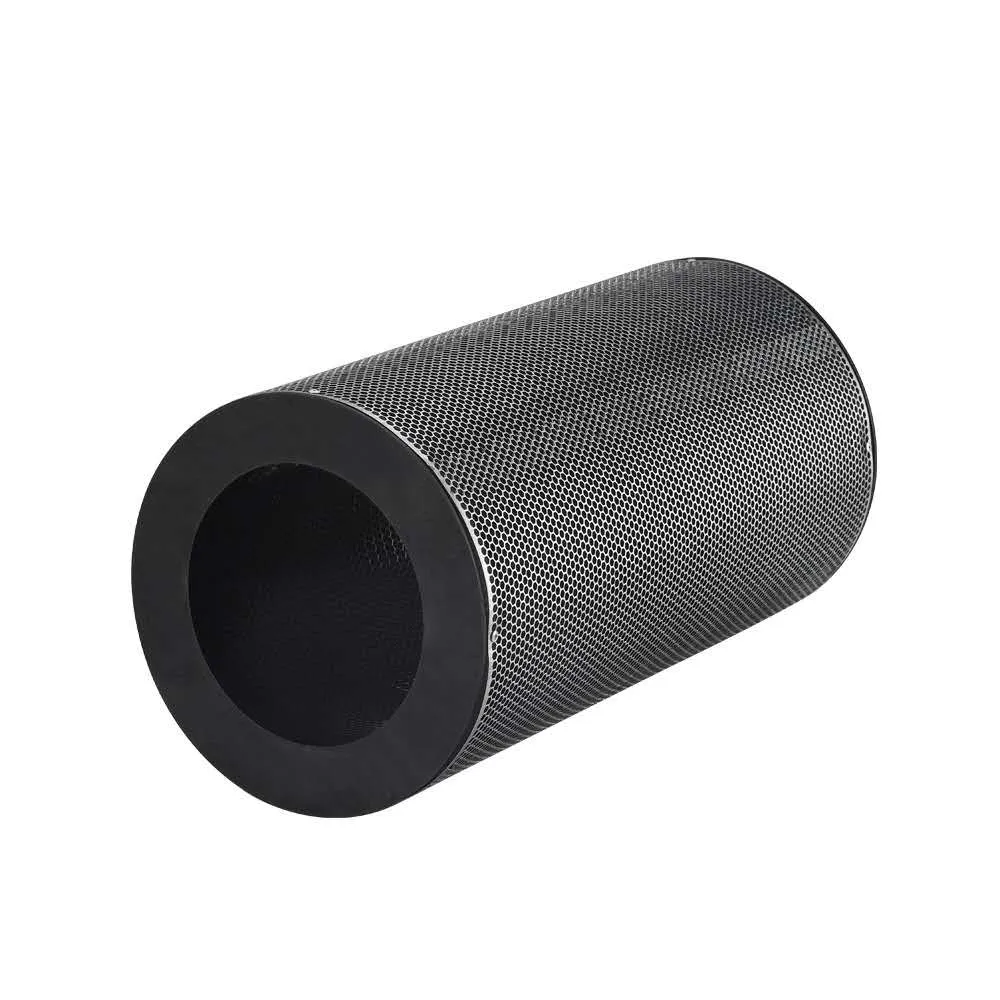
Test data highlights (typical): pressure drop ≈ 0.12 bar at 5 L/min (10” length), chlorine reduction > 90% at 2 ppm inlet for 25,000 L, burst pressure > 8 bar, salt spray resistance 96 h (ASTM B117). Housing compatibility includes standard 222/226/DOE ends for metal cartridge filter assemblies.
Case snippets: 1) Tianjin beverage plant cut syrup discoloration complaints by 70% within a month—operator feedback: “smell’s gone, meters are boring again.” 2) Hebei plating shop stopped resin fouling after upstream chlorine was tamed; downtime dropped one shift per week. 3) A craft brewery near Shijiazhuang used two stages (5 μm PP + this carbon). Off-notes disappeared in cold-side rinse water; they wrote, “honestly, we thought it was the yeast.”
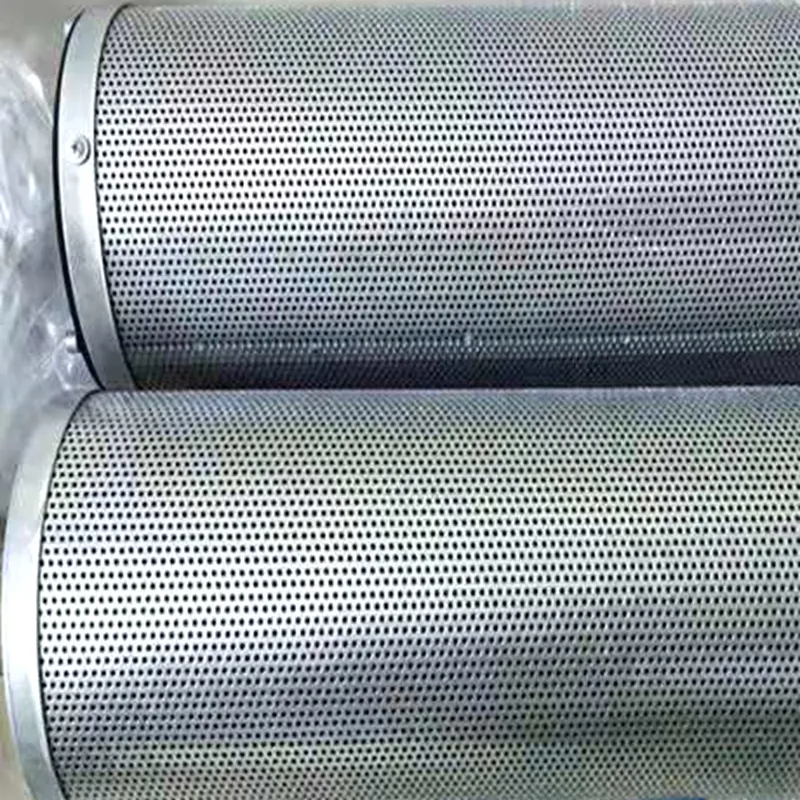
Why it works: high-iodine carbon for adsorption, clean binder system, and a corrosion-resistant support that stands up in hot CIP cycles. Pair it with a properly sized metal cartridge filter housing and keep an eye on differential pressure—swap on ΔP rise of ~0.7 bar or when chlorine breakthrough appears in spot tests.
Origin matters too. This element comes from Rongding World, Xinhua District, Shijiazhuang City, Hebei Province, where—small digression—the supply chain for carbon and metalwork is unusually tight. Shorter lead times, fewer surprises.
Citations:
1. NSF/ANSI 42: Drinking Water Treatment Units – Aesthetic Effects
2. NSF/ANSI 61: Drinking Water System Components – Health Effects
3. ISO 9001:2015 Quality Management Systems
4. ISO 2942: Hydraulic filter elements – Verification of fabrication integrity and determination of the first bubble point
5. ISO 16889: Hydraulic filters – Multi-pass method for evaluating filtration performance
6. ASTM B117: Standard Practice for Operating Salt Spray (Fog) Apparatus
-
High-Efficiency Industrial Dust Filtration & PurificationNewsApr.21,2026
-
High-Efficiency Adsorption for Clean Air & Water PurificationNewsApr.20,2026
-
Air Filter Cartridge: High-Efficiency Filtration for Engine Protection & Clean Air SupplyNewsApr.17,2026
-
Filter Paper: Precision Filtration Media for Industrial & Laboratory ExcellenceNewsApr.16,2026
-
Industrial Guide for Selecting a Stainless Filter CartridgeNewsApr.16,2026
-
Dust Filter Cartridges: High-Efficiency Industrial Filtration for Clean Production & ComplianceNewsApr.15,2026