 Email:admin@only-filter.com
The global demand for high-efficiency air filtration has shifted toward more specialized industrial requirements, forcing a critical re-evaluation of how procurement managers identify reliable air filter exporters. As environmental regulations tighten across the chemical, mining, and construction sectors, the focus is moving from simple commodity sourcing to the procurement of engineered filtration solutions that can withstand pulse backwash and harsh particulate loads.
The core challenge lies in the trade-off between filtration efficiency and pressure drop. Many industrial operators struggle with filter cartridges that either clog too quickly—increasing energy costs—or fail to meet air quality standards, leading to equipment wear and environmental non-compliance. This technical tension makes the selection of a manufacturing partner a strategic engineering decision rather than a mere logistics exercise.
This analysis examines the technical criteria for evaluating air filtration components, the material science behind durable cartridges, and the operational frameworks necessary to optimize system longevity. By understanding these parameters, buyers can better navigate the complexities of the global supply chain and ensure their air purification infrastructure is robust.


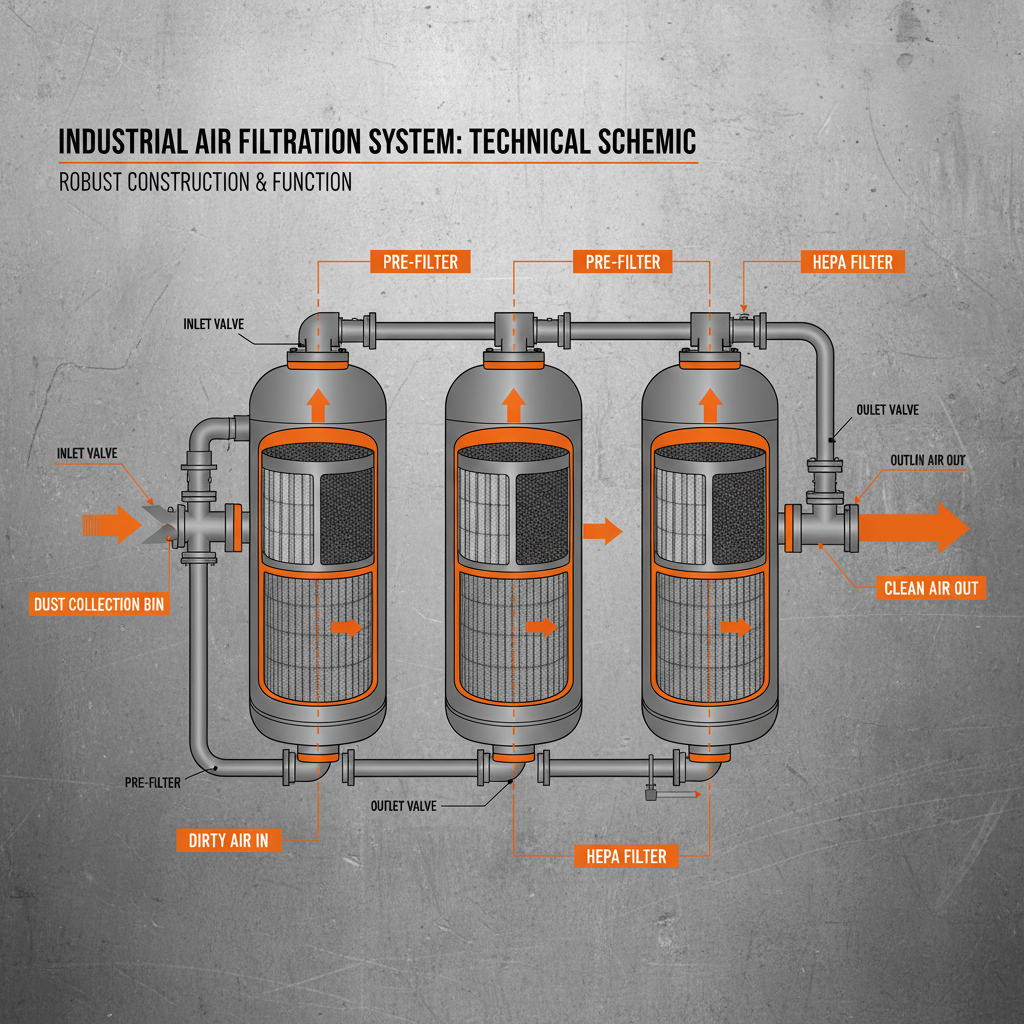
Industrial air filtration relies on the principle of surface filtration, where a tiny air-permeable tissue blocks particulate matter on the exterior of the media. The effectiveness of this process depends heavily on the interlacing of fibers. Long-fiber polyester, for instance, provides a distributed network that allows for higher dust loading capacities compared to traditional short-fiber alternatives.
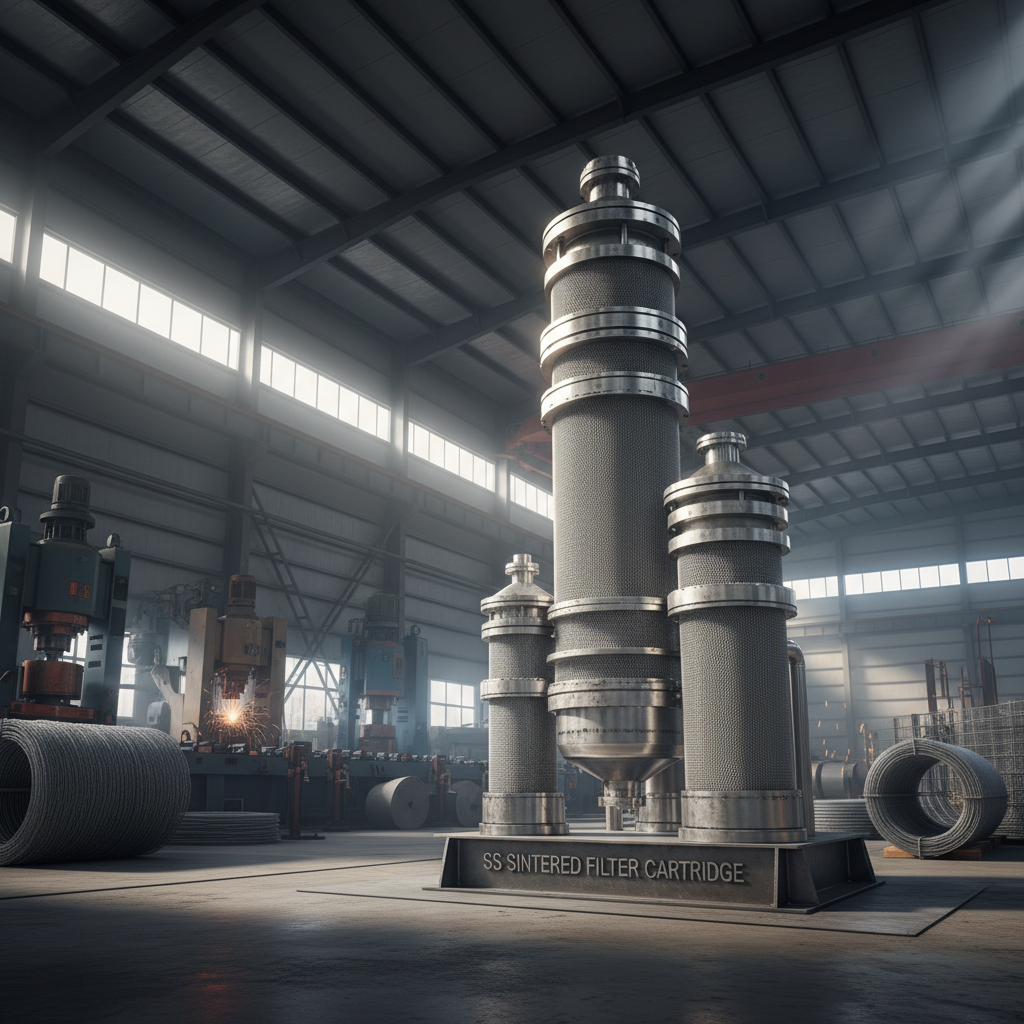
The structural integrity of the cartridge is further supported by the end cap and central skeleton. Using electro-galvanized skeletons prevents oxidation in humid environments, while plastic or galvanized iron end caps ensure a leak-proof seal against the housing, preventing "bypass" where unfiltered air escapes the system.
Standardization in filtration is critical for interchangeability. Common industrial specifications often follow international samples, with diameters around 12.75 inches (325mm) and heights ranging from 13.84 inches (350mm) to 26 inches (660mm). These dimensions are optimized to balance the surface area for filtration with the physical constraints of standard dust collector housings.
The choice of media—whether wood pulp fiber, spunbond polyester, or metal wire mesh—directly dictates the operating range. Spunbond polyester is particularly valued for its ability to be coated, providing oil-proof, waterproof, and anti-static properties. This is essential in powder spraying and pigment industries where combustible dust or oily aerosols are present.
From an engineering perspective, the seal's performance is as important as the media. A specialized sealing rubber ring prevents contamination from entering the clean air plenum. When sourcing from air filter exporters, verifying the material grade of these seals is vital for maintaining system vacuum and efficiency.
One of the primary causes of premature filter failure in industrial settings is the mechanical stress induced by pulse-jet cleaning systems. These systems blast high-pressure compressed air in reverse through the media to dislodge accumulated dust.
This durability translates directly into a lower Total Cost of Ownership (TCO). By extending the interval between cartridge replacements, operators reduce downtime and minimize the waste generated by discarded filter elements.
Different filter media respond differently to various industrial stressors. For example, metal wire mesh is superior for liquid impurities or pre-filtration of coarse particles, whereas polyester non-woven fabrics are designed for fine airborne dust.
The following assessment provides a normalized engineering rating of common media types based on their suitability for specific operational requirements, such as oil resistance and mechanical stiffness.
In representative engineering scenarios such as sandblasting operations or wood processing, the filter cartridges are subjected to high-velocity abrasive particles. In these cases, the "chuck-type" dust filter element is often preferred due to its simple installation and high filtration efficiency in compressed air systems.
For central air conditioning duct cleaning or fan dust removal, the priority shifts toward air permeability. The use of non-porous galvanized end caps stamped from iron plates ensures that the cartridge can be seated firmly in high-pressure environments without warping, maintaining the integrity of the air purification project.
The trajectory of industrial filtration is moving toward "intelligent" media—materials that can signal their own saturation levels through integrated pressure sensors. While current technology focuses on material durability and coatings, the next evolution will likely integrate nano-fibers to achieve HEPA-level efficiency without the associated pressure drop penalties.
Furthermore, the industry is seeing a shift toward sustainable, recyclable filter materials. The ability to wash and reuse polyester media is a first step, but the development of fully biodegradable industrial-grade fibers that maintain high stiffness remains a key R&D goal for leading air filter exporters.
As automated manufacturing increases, the demand for precision-customized specifications—moving beyond standard imperial or metric sizes—will grow. This allows for the optimization of the air-to-cloth ratio in bespoke industrial dust collectors.
Selecting the correct cartridge requires a cross-reference of the operating environment and the required media properties. A mismatch—such as using wood pulp in a high-humidity chemical plant—will lead to immediate media collapse.
The following matrix provides an evaluation framework for choosing configurations based on the primary contaminant and the cleaning mechanism used in the facility.
Buyers should use this framework to verify if the proposed solution from their supplier aligns with the actual physical constraints and chemical exposures of their site.
| Configuration Type | Primary Media | Key Operating Factor | Recommended Use Case |
|---|---|---|---|
| Basic Profile | Wood Pulp Fiber | Low Pressure Drop | General Office/HVAC |
| Standard Industrial | Polyester Non-woven | Mechanical Stiffness | Woodworking/Construction |
| High-Duty Profile | Long-fiber Polyester | Pulse-jet Resistance | Mining/Heavy Industrial |
| Precision Profile | Coated Polyester | Oil/Water Repellency | Chemical/Pigment Industry |
| Heavy-Load Profile | Metal Wire Mesh | Extreme Durability | Liquid/Coarse Pre-filtration |
| Custom Specification | Hybrid Media | Bespoke Fit/Rating | Specialized Lab/OEM |
Surface filtration, utilized in the cartridges produced by professional exporters, uses a thin, air-permeable layer to block particles on the media's exterior. In contrast, depth filtration allows particles to penetrate the media and become trapped within the fiber matrix. Surface filtration is generally preferred for pulse-jet systems because the dust cake can be easily dislodged, whereas depth-loaded filters often require total replacement once saturated.
End caps are the primary point of failure during pulse cleaning. Plastic covers provide excellent corrosion resistance, while galvanized iron plates offer superior mechanical strength for heavy-duty applications. If the end cap fails or the bond to the media weakens, "blow-by" occurs, where unfiltered air enters the system. Selecting the correct end cap material based on the chemical environment prevents premature leaks and extends the overall service life.
Yes, polyester non-woven fabrics can be coated to be oil-proof and waterproof. This is critical in environments where oil mists are present, as uncoated fibers would absorb the oil, leading to "blinding" (complete blockage of the pores) and a rapid increase in pressure drop. Coated media allows the oil to bead and be removed during the cleaning cycle, maintaining a consistent airflow.
The most reliable indicator is a sustained increase in differential pressure (dP) across the filter, which suggests the media is saturated and cannot be cleaned by pulsing. Other signs include visible dust leakage in the clean air plenum (indicating a seal or end-cap failure) and an increase in the energy consumption of the system fan as it struggles to pull air through a clogged filter.
Compatibility should be verified by comparing the outer diameter (OD), height, and the specific mounting style (e.g., chuck-type) against the original equipment manufacturer (OEM) drawings. Most industrial cartridges are based on standards like 325660mm, but for customized versions, it is essential to provide a sample or a precise CAD drawing to ensure the sealing rubber ring fits perfectly into the housing seat.
The central skeleton supports the media against the vacuum pressure of the system. Standard steel is prone to oxidation and rust, especially in environments with high humidity or corrosive gases. Electro-galvanization provides a protective zinc layer that prevents rust, ensuring the skeleton does not collapse or puncture the filter media from the inside, which would result in immediate filtration failure.
The efficiency of industrial air purification is not determined by a single specification, but by the synergy between media material, mechanical architecture, and the operational environment. Shifting from commodity-based purchasing to an engineering-led approach—focusing on pulse-jet resistance and surface filtration integrity—is the only way to ensure long-term system reliability.
For procurement managers, the key finding is that investing in high-stiffness, long-fiber polyester and corrosion-resistant skeletons significantly reduces the TCO by extending replacement intervals. When evaluating air filter exporters, the ability to provide customized configurations based on actual particulate loads should be the primary selection criterion.