 Email:admin@only-filter.com
 Tel:
+8615930870079
Tel:
+8615930870079
Aug . 16, 2025 03:40 Back to list
Premium Dust Collector Pleated Filter Cartridges
The Imperative Role of dust collector pleated filter in Industrial Air Quality
In modern industrial environments, the efficient management of airborne particulate matter is not merely a regulatory compliance issue but a fundamental aspect of operational efficiency, worker safety, and environmental stewardship. Dust collection systems are critical, and at their core are the filter elements designed to capture and retain microscopic particles. Among the myriad filtration solutions, the dust collector pleated filter stands out as a highly effective and widely adopted technology. Its design, characterized by a folded or pleated media structure, significantly increases the surface area within a compact volume, thereby enhancing filtration efficiency and extending service life compared to traditional bag filters. This design ingenuity allows for superior dust loading capacity and improved airflow dynamics, leading to substantial energy savings and reduced operational costs for various industries. The advancements in filter media technology, including the integration of nanofiber coatings and PTFE membranes, have further elevated the performance capabilities of these filters, enabling them to meet increasingly stringent air quality standards and handle diverse industrial dust challenges, from fine particulate matter generated in pharmaceutical manufacturing to abrasive dust in metal processing and heavy particulate loads in cement production. Understanding the technical intricacies, application benefits, and manufacturing excellence behind these essential components is paramount for industrial decision-makers seeking optimal air purification solutions.
The demand for high-performance dust collector pleated filter cartridges continues to grow, driven by global awareness of industrial emissions, stricter occupational health and safety regulations, and the pursuit of circular economy principles through material recovery. Emerging trends indicate a shift towards filters with higher MERV (Minimum Efficiency Reporting Value) ratings, superior chemical resistance, and enhanced pulse-cleaning capabilities to minimize downtime and maintenance. For instance, according to industry reports, the global industrial filtration market is projected to reach over $30 billion by 2027, with dust collection systems forming a significant segment, largely propelled by the adoption of advanced pleated filter technologies. These filters are not only instrumental in preventing respiratory illnesses among workers but also play a crucial role in protecting downstream machinery from abrasive dust, thus extending equipment lifespan and reducing capital expenditure. Furthermore, the ability of a well-designed dust collector pleated filter to capture valuable dust, such as precious metals or specific chemical compounds, transforms a waste stream into a potential revenue stream, underscoring their economic viability beyond mere compliance. The continuous innovation in filter media, structural design, and intelligent monitoring systems for filter performance is reshaping the landscape of industrial dust extraction, offering unparalleled opportunities for efficiency and sustainability.
Unveiling the Manufacturing Prowess of Dust Collector Pleated Filter Cartridges
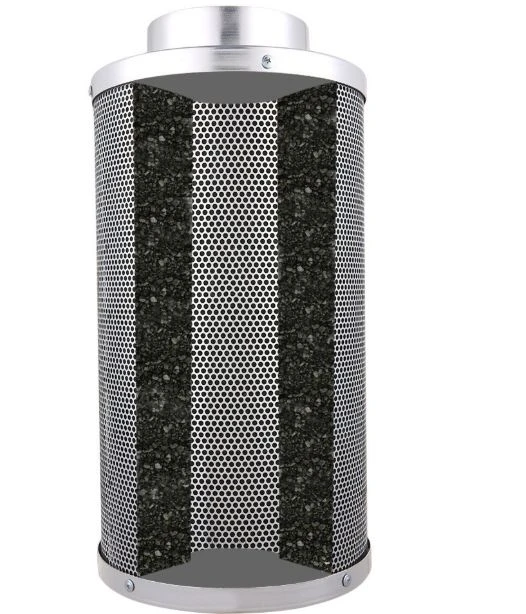
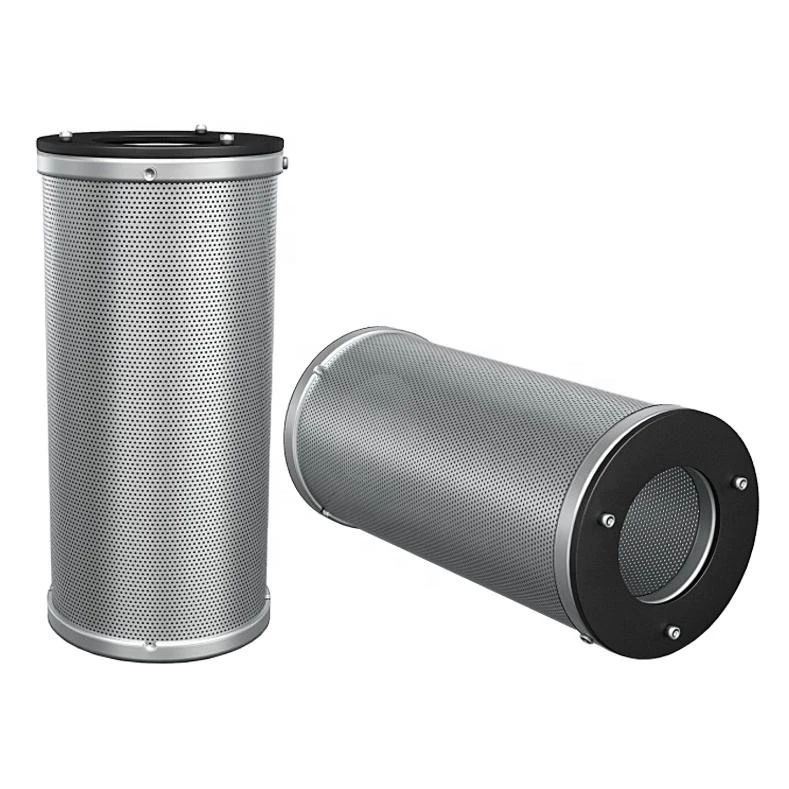
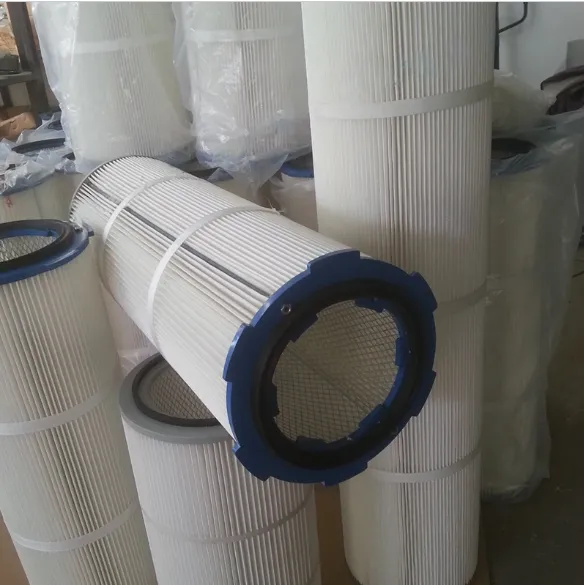
The production of a high-quality dust collector pleated filter is a sophisticated process that begins with meticulous material selection. Typically, the primary filter media includes spunbond polyester, cellulose blends, specialized synthetic fibers, or advanced composite materials often coated with PTFE (Polytetrafluoroethylene) membrane or nanofiber layers. These coatings significantly enhance surface filtration, improving dust release during pulse cleaning and boosting overall efficiency, particularly for sub-micron particles. The manufacturing journey commences with the precise pleating of the chosen filter media, often utilizing high-speed rotary pleaters that ensure consistent pleat height and density across the entire filter surface. This pleating process is critical as it maximizes the filtration area within the cartridge's physical dimensions, directly impacting the filter's dust holding capacity and service life. Following pleating, the pleated pack is typically wrapped around a perforated metal core, which provides structural integrity and ensures even airflow distribution throughout the filter.
Subsequent steps involve the attachment of end caps and the sealing of all connections to prevent bypass. End caps are commonly made from galvanized steel, stainless steel, or durable polyurethane, selected based on the application's temperature, chemical exposure, and mechanical stress requirements. These end caps are securely bonded to the pleated media pack and core using specialized adhesives, often hot-melt glues, ensuring an airtight seal. For applications demanding superior chemical resistance or high temperatures, specific sealing compounds are employed. Throughout the entire manufacturing process, rigorous quality control measures are implemented. This includes visual inspections for defects, dimensional checks, and critical performance tests such as burst pressure testing, air permeability testing to ensure consistent airflow, and leak detection. Manufacturers often adhere to international standards like ISO 9001 for quality management and relevant industry standards such as ASHRAE 52.2 or ISO 16890 for filtration performance testing, ensuring that each dust collector pleated filter meets stringent efficiency and durability criteria. The final product is a robust, high-performance filter cartridge designed for specific industrial challenges, promising extended service life and reliable dust extraction.
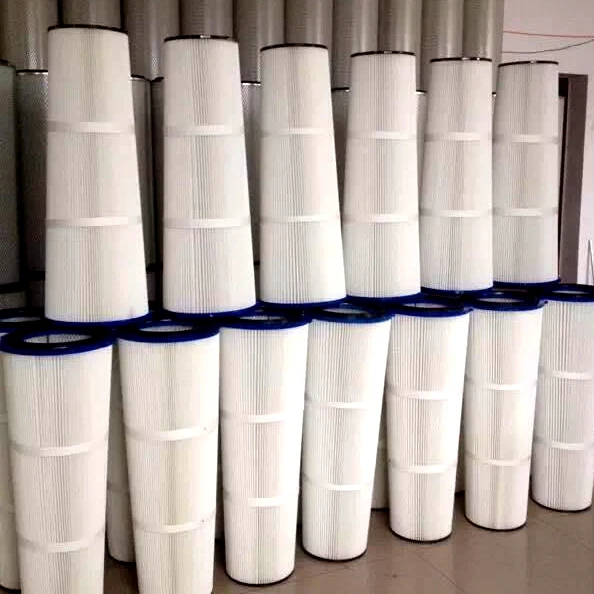
Technical Specifications and Performance Metrics for Dust Collector Pleated Filter
Understanding the technical specifications of a dust collector pleated filter is crucial for optimal system design and operation. Key parameters include the filter media type, filtration efficiency, dimensions (diameter, length), effective filtration area, maximum operating temperature, and differential pressure capabilities. For instance, spunbond polyester is a common media choice, offering excellent durability and resistance to moisture, making it suitable for general industrial dust. For finer particulates, media with nanofiber layers or PTFE membranes provide surface filtration, achieving efficiencies up to MERV 16 or even HEPA equivalent, crucial for pharmaceutical, food processing, and specialized chemical industries. The effective filtration area is significantly amplified by the pleating, allowing a compact cartridge to offer the same or greater area than multiple traditional filter bags, leading to a smaller footprint for the dust collector unit itself.
Maximum operating temperature is a critical consideration; standard polyester filters typically withstand up to 60-80°C, while specialized media like aramid or fiberglass can tolerate much higher temperatures, exceeding 200°C for demanding applications in metallurgical or power generation industries. Differential pressure, the pressure drop across the filter, indicates the filter's loading status and energy consumption. An efficient dust collector pleated filter design aims to minimize initial pressure drop while maximizing dust holding capacity before requiring cleaning or replacement. Adherence to standards like ANSI/ASHRAE Standard 52.2 for "Method of Testing General Ventilation Air-Cleaning Devices for Removal Efficiency by Particle Size" or ISO 16890 for "Air filters for general ventilation" provides a standardized method for evaluating filter performance, allowing for accurate comparison and selection based on specific application requirements. Selecting the right filter, therefore, involves a careful balance of these technical parameters to ensure maximum efficiency, longevity, and cost-effectiveness.
Typical Dust Collector Pleated Filter Cartridge Specifications
| Parameter | Typical Range / Value | Significance |
|---|---|---|
| Filter Media | Spunbond Polyester, Cellulose, Blended Media, PTFE Membrane, Nanofiber | Determines efficiency, durability, and resistance to chemicals/moisture. |
| Filtration Efficiency (ePM1 / MERV) | ePM1 50-80% (ISO 16890) / MERV 10-16 (ASHRAE 52.2) | Particle removal capability; higher values for finer dust. |
| Diameter (Outer) | 150 mm to 350 mm | Physical fit in dust collector housing. |
| Length | 500 mm to 1500 mm | Determines total filtration area. |
| Effective Filtration Area | 5 m² to 30 m² (per cartridge) | Larger area allows for lower air-to-cloth ratio, longer life. |
| Max Operating Temperature | 60°C to 120°C (standard), up to 260°C (specialty media) | Crucial for high-temperature applications. |
| Initial Pressure Drop | < 250 Pa (new filter, at rated flow) | Indicates energy efficiency and airflow resistance. |
| End Cap Material | Galvanized Steel, Stainless Steel, Polyurethane | Durability, corrosion resistance, and sealing properties. |
| Service Life | 6 months to 2+ years (application dependent) | Influenced by dust type, loading, cleaning cycles, and media. |
Diverse Application Scenarios and Distinct Technical Advantages
The versatility of dust collector pleated filter cartridges makes them indispensable across a broad spectrum of industrial applications. In the metalworking industry, they efficiently capture grinding dust, welding fumes, and abrasive particles generated from processes like sandblasting and shot blasting, protecting machinery and ensuring a cleaner working environment. For the pharmaceutical and food processing sectors, filters with highly efficient media, often with PTFE or nanofiber coatings, are crucial for maintaining sterile conditions and preventing cross-contamination, adhering to strict regulatory standards. In industries handling volatile organic compounds (VOCs) or combustible dusts, specialized antistatic or flame-retardant filter media within the dust collector pleated filter design mitigates explosion risks. The cement industry, known for its high dust loads, benefits from the high dust-holding capacity and excellent pulse-cleaning characteristics of pleated filters, ensuring continuous operation and reduced filter replacement frequency. Furthermore, in aggregate and mining operations, these robust filters effectively manage coarse and fine particulate matter, safeguarding equipment from wear and tear.
The technical advantages of employing a dust collector pleated filter are multi-faceted. Firstly, their superior filtration efficiency significantly improves air quality, protecting workers from respiratory hazards and reducing environmental impact. Compared to traditional bag filters, pleated designs offer a larger filtration surface area in a smaller footprint, allowing for more compact dust collector designs or increased capacity within existing systems. This compactness translates to energy savings due to lower fan horsepower requirements, as the lower air-to-cloth ratio often results in a reduced pressure drop across the filter, leading to less energy consumption over time. Secondly, the rigidity of pleated media often results in enhanced pulse-cleaning capabilities. Dust cakes release more effectively from the pleated surface, leading to more consistent airflow, reduced differential pressure, and extended service life. This efficiency in cleaning minimizes operational downtime and reduces maintenance labor, directly contributing to lower operational expenditures. Moreover, the robust construction of these filter cartridges, including durable end caps and internal support cores, provides long-term reliability even in demanding industrial environments characterized by high temperatures, corrosive atmospheres, or abrasive dusts, making them a cornerstone of sustainable industrial air filtration.
Strategic Manufacturer Comparison and Tailored Solutions
When selecting a supplier for dust collector pleated filter cartridges, a comprehensive comparison of manufacturers is essential. Key differentiators include the range of available media types, customization capabilities, adherence to international quality standards, service and support, and overall cost-effectiveness. Reputable manufacturers distinguish themselves through their investment in R&D, leading to innovative filter media like unique nanofiber blends that offer superior sub-micron particle capture and enhanced dust release. Their manufacturing processes are typically ISO 9001 certified, ensuring consistent product quality and reliability. Furthermore, leading providers offer extensive customization options, understanding that each industrial application presents unique filtration challenges. This can range from specific dimensions, unique end cap configurations, specialized flame-retardant or anti-static treatments, to filters designed for high-temperature or corrosive environments. Engaging with a manufacturer that provides robust technical support, including filter selection guidance, system optimization advice, and post-sales assistance, is paramount for long-term operational success.
The value proposition of a manufacturer goes beyond just the product; it encompasses their ability to provide tailored solutions and robust partnerships. For example, a client in the abrasive blasting industry might require dust collector pleated filter cartridges with exceptionally robust media to withstand constant impact from heavy, sharp particles, alongside excellent pulse-cleaning characteristics to prevent blinding. In contrast, a pharmaceutical client might prioritize filters with FDA-compliant materials and validated efficiency for critical cleanroom applications. A reliable manufacturer will offer a consultation process to understand the specific dust characteristics (e.g., particle size distribution, abrasiveness, moisture content), air volume requirements, temperature profiles, and existing dust collector infrastructure. Based on this in-depth analysis, they can recommend not just a standard filter, but a highly optimized dust extraction filter cartridge or pleated filter cartridge dust collector solution that accounts for factors like energy efficiency, maintenance cycles, and compliance. This approach ensures maximum return on investment and seamless integration into existing industrial processes, reflecting a true commitment to partnership and problem-solving.
Manufacturer Comparison: Key Differentiators
| Feature | Manufacturer A (Example) | Manufacturer B (Example) | Our Approach |
|---|---|---|---|
| Media Variety | Standard Polyester, Cellulose | Polyester, Blended, Basic PTFE | Extensive: Spunbond, Nanofiber, PTFE, Antistatic, Flame-Retardant, Oil/Water Repellent |
| Customization | Limited (standard sizes) | Moderate (some end cap options) | Full Customization: Dimensions, End Caps, Media Treatments, Sealing |
| Quality Certifications | Basic internal QC | ISO 9001 | ISO 9001, CE, Performance tested to ASHRAE 52.2 / ISO 16890 |
| Technical Support | Basic product data sheets | Online FAQ, general advice | Dedicated technical experts, on-site consultation, application engineering support |
| Service Life Guarantee | None stated | Varies by product | Performance-based warranty, estimated service life projection based on application |
Case Studies and Real-World Impact
The tangible benefits of high-performance dust collector pleated filter solutions are best illustrated through real-world applications and client success stories. Consider a large-scale foundry experiencing significant downtime due to rapid blinding of their existing filter bags, leading to frequent replacements and high operational costs. By transitioning to advanced pleated filter cartridge dust collector solutions featuring oleophobic (oil-repellent) and high-efficiency spunbond polyester media, the foundry achieved a remarkable 40% reduction in filter consumption annually. The enhanced pulse-cleaning effectiveness of the pleated design meant fewer cleaning cycles were required, leading to a 15% energy saving in compressed air consumption for pulse jets and a notable increase in overall system uptime. This directly translated to improved productivity and significant cost savings. In another instance, a pharmaceutical company, grappling with stringent cleanroom particulate control, adopted specialized pleated filter cartridges with nanofiber surface filtration technology. This upgrade allowed them to consistently meet ISO Class 7 air purity standards, previously a challenge with their conventional filters. The lower initial pressure drop also meant their existing fan motors could operate more efficiently, contributing to a greener footprint and reduced electricity bills.
These examples underscore the critical impact of selecting the right dust collector pleated filter. Beyond mere efficiency, the durability and tailored characteristics of dust extraction filter cartridges significantly extend maintenance intervals, reducing labor costs and minimizing production interruptions. A key factor in these successes is often the consultative approach taken by the filter supplier, working collaboratively with the client to analyze their specific dust composition, environmental conditions, and operational goals. For a client operating a woodworking facility, switching to fire-retardant treated pleated filters not only improved air quality but also drastically reduced the risk of combustion due to sawdust, enhancing overall plant safety. These cases demonstrate that while the initial investment in premium pleated filters might be slightly higher, the long-term benefits in terms of reduced energy consumption, extended filter life, lower maintenance costs, improved air quality, and enhanced safety provide a compelling return on investment, solidifying their status as a superior choice for demanding industrial applications.
Ensuring Trust and Reliability: FAQs, Delivery, and Warranty
Building trust in the B2B sector, especially for critical components like a dust collector pleated filter, hinges on transparency, reliability, and robust support systems. A comprehensive FAQ section can address common queries proactively, covering topics from filter media compatibility and cleaning procedures to replacement intervals and troubleshooting common performance issues. For instance, questions about "What is the recommended cleaning method for my dust extraction filter cartridge?" or "How do I determine the right MERV rating for my application?" can be answered, demonstrating expertise and foresight. Clear communication regarding delivery schedules and logistics is equally vital. For standard products, a typical lead time of 2-4 weeks might apply, while custom-engineered solutions might require 6-8 weeks, depending on complexity and material sourcing. Expedited shipping options and robust packaging ensure products arrive on time and in perfect condition, minimizing disruption to client operations.
Furthermore, a strong warranty commitment provides peace of mind and underscores confidence in product quality. Reputable manufacturers typically offer a performance-based warranty, guaranteeing the dust collector pleated filter will meet specified filtration efficiency and structural integrity for a defined period or under certain operating conditions. This might include guarantees against manufacturing defects and sometimes even against premature blinding under specified dust loads, assuming proper system operation and maintenance. Beyond the warranty, responsive customer support, available through various channels such as dedicated phone lines, email support, and online portals, is crucial for resolving any unforeseen issues promptly. This holistic approach to service, encompassing transparent information, reliable logistics, and unwavering product assurance, cultivates long-term relationships and reinforces a manufacturer's position as a trusted partner in industrial air filtration. Such dedication to client success is what truly differentiates a leading provider in the competitive landscape of dust extractor filter cartridges.
Frequently Asked Questions (FAQs)
-
Q: How do I select the correct dust collector pleated filter for my application?
A: Selection depends on dust type (particle size, abrasiveness, combustibility), air volume, temperature, moisture, and chemical composition. Our technical team can assist you in choosing the optimal filter media and configuration. -
Q: What is the typical service life of these filters?
A: Service life varies significantly based on operating conditions, dust loading, and cleaning frequency. However, dust collector pleated filter cartridges generally offer extended life (6 months to 2+ years) compared to traditional bags due to their efficient cleaning mechanism and larger surface area. -
Q: Can these filters be cleaned and reused?
A: Pleated filters are designed for pulse-jet cleaning within the dust collector. While some media types can be externally cleaned, their filtration efficiency might be compromised. We recommend regular replacement based on differential pressure readings and manufacturer guidelines for optimal performance. -
Q: What is your warranty policy for dust extraction filter cartridges?
A: We offer a comprehensive warranty covering manufacturing defects and ensuring product performance as per specified technical data sheets. Specific terms are provided with each quotation and order confirmation. Our commitment extends to providing robust technical support to maximize product lifespan.
References and Further Reading
- American Society of Heating, Refrigerating and Air-Conditioning Engineers (ASHRAE) Standard 52.2: Method of Testing General Ventilation Air-Cleaning Devices for Removal Efficiency by Particle Size.
- International Organization for Standardization (ISO) 16890: Air filters for general ventilation – Part 1 to 4.
- European Committee for Standardization (CEN) EN 1822: High efficiency air filters (EPA, HEPA and ULPA) – Part 1 to 5.
- U.S. Environmental Protection Agency (EPA) publications on industrial air pollution control technologies.
- Journal of Occupational and Environmental Hygiene, articles on industrial ventilation and particulate exposure control.
-
High-Efficiency Industrial Dust Filtration & PurificationNewsApr.21,2026
-
High-Efficiency Adsorption for Clean Air & Water PurificationNewsApr.20,2026
-
Air Filter Cartridge: High-Efficiency Filtration for Engine Protection & Clean Air SupplyNewsApr.17,2026
-
Filter Paper: Precision Filtration Media for Industrial & Laboratory ExcellenceNewsApr.16,2026
-
Industrial Guide for Selecting a Stainless Filter CartridgeNewsApr.16,2026
-
Dust Filter Cartridges: High-Efficiency Industrial Filtration for Clean Production & ComplianceNewsApr.15,2026