In the modern industrial landscape, maintaining air quality is not just a regulatory requirement but a critical component of operational efficiency and worker safety. The dust collector cartridge filter serves as the frontline defense against airborne particulates, preventing hazardous dust from contaminating the workspace and damaging expensive machinery. By utilizing high-efficiency pleated media, these filters provide a significantly larger surface area compared to traditional bags, ensuring a higher capture rate for microscopic particles.
Globally, the demand for advanced filtration solutions has surged as industries shift toward more sustainable and "green" manufacturing processes. Whether it is in the pharmaceutical, woodworking, or metalworking sectors, the integration of a high-performance dust collector cartridge filter allows companies to reduce their carbon footprint and minimize waste. The ability to capture fine dust effectively not only protects the environment but also ensures that the final product meets strict quality standards.
Understanding the nuances of cartridge filtration is essential for plant managers and engineers who aim to optimize their maintenance cycles and reduce downtime. A well-chosen filter system can drastically lower energy consumption by reducing pressure drops across the system. This comprehensive guide explores the technical dimensions, global applications, and future innovations of the dust collector cartridge filter to help you make an informed procurement decision.
Global Industry Context of Dust Collection
The global industrial sector is currently facing unprecedented pressure to adhere to stringent air quality standards. According to guidelines from the World Health Organization (WHO) and various ISO certifications, the prevalence of respirable crystalline silica and other hazardous particulates has led to a surge in the adoption of the dust collector cartridge filter. In regions like North America and Europe, OSHA and REACH regulations mandate precise particulate control to prevent occupational lung diseases, making high-efficiency filtration a legal necessity rather than an optional upgrade.
Furthermore, the rapid industrialization of Southeast Asia and India has introduced new challenges in urban air pollution. The widespread implementation of the dust collector cartridge filter in these emerging markets is helping factories balance rapid production growth with environmental responsibility. By capturing sub-micron particles, these filters prevent the release of toxic smog into surrounding communities, proving that industrial progress can coexist with public health goals.
Defining the Dust Collector Cartridge Filter
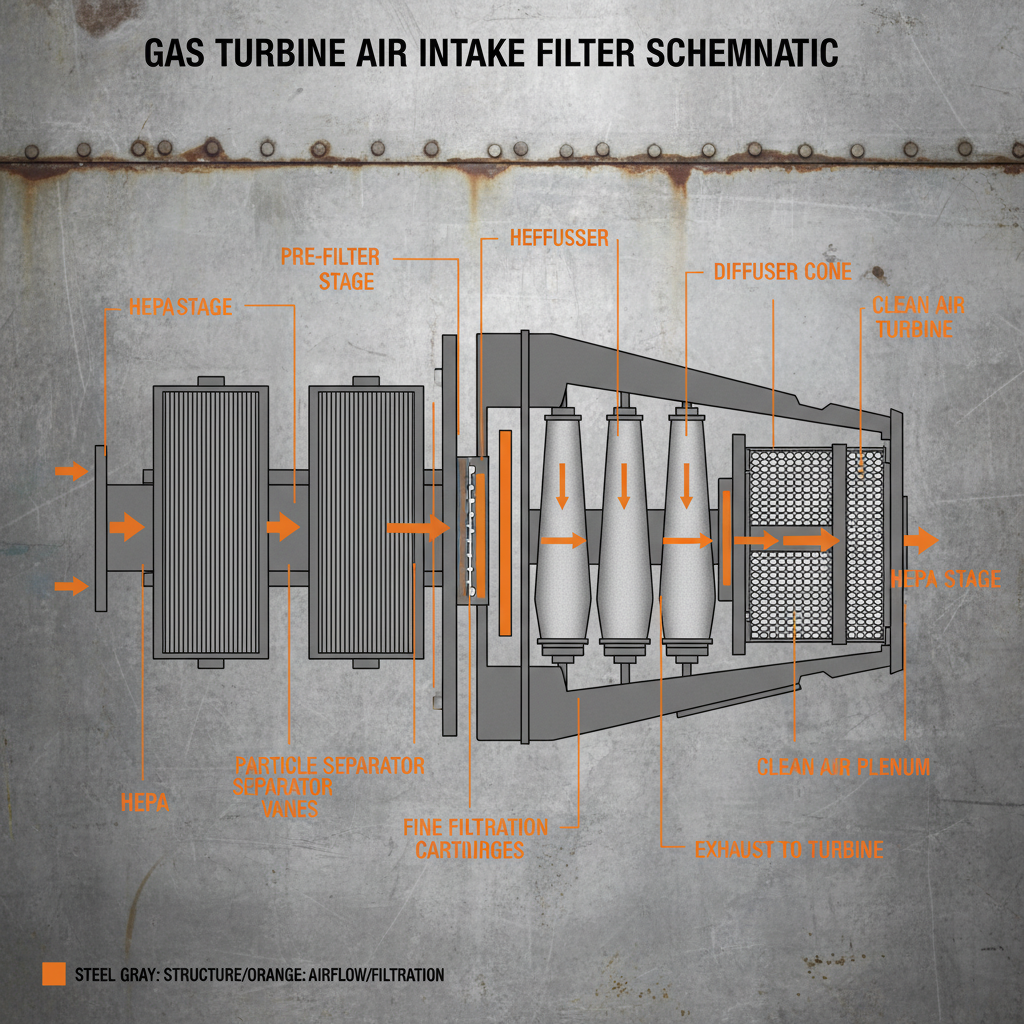
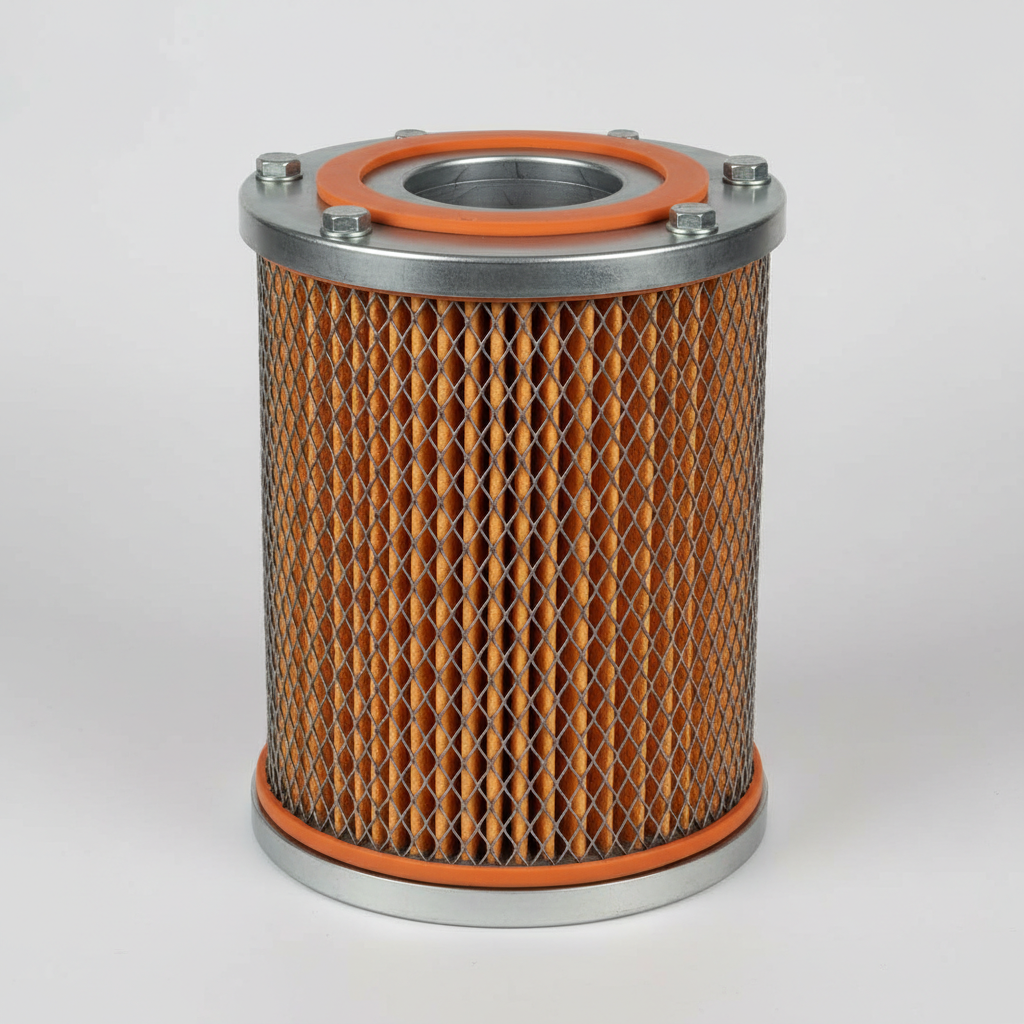
At its core, a dust collector cartridge filter is a high-surface-area filtration element designed to remove particulates from air or gas streams. Unlike traditional baghouse filters that use long fabric tubes, the cartridge design utilizes pleated media folded into a cylindrical shape. This pleating technique allows for a massive increase in filtration area within a compact footprint, which significantly reduces the overall size of the dust collection system.
In simple terms, think of it as a high-capacity vacuum filter for an entire factory. As air is drawn through the pleated media, particles are trapped on the surface or within the depths of the material, while clean air passes through. This process is vital for humanitarian and safety needs, as it prevents the inhalation of carcinogenic dusts and reduces the risk of combustible dust explosions, which can be catastrophic in industrial settings.
Modern variations include the use of specialized materials like PTFE (Polytetrafluoroethylene) membranes or nanofibers. These enhancements allow the dust collector cartridge filter to handle more aggressive chemicals, higher temperatures, and finer particles, bridging the gap between basic filtration and medical-grade air purification.
Core Components and Technical Factors
The durability of a dust collector cartridge filter is primarily determined by its media composition and construction quality. High-quality polyester or aramid fibers are often used to ensure the filter can withstand the mechanical stress of pulse-jet cleaning systems, where bursts of compressed air are used to knock dust off the filter surface.
Scalability is another critical factor. Because the dust collector cartridge filter is modular, systems can be easily expanded by adding more cartridges to the housing. This allows facilities to increase their air-handling capacity without having to replace the entire infrastructure, providing a flexible growth path for expanding businesses.
Finally, cost efficiency is measured by the "Total Cost of Ownership" (TCO). While a premium dust collector cartridge filter may have a higher initial purchase price, its extended service life and lower pressure drop lead to significant energy savings and fewer replacement intervals, ultimately reducing the operational budget.
Performance Metrics and Efficiency Analysis
When evaluating a dust collector cartridge filter, engineers focus on the MERV (Minimum Efficiency Reporting Value) rating and the pressure drop. A lower pressure drop indicates that the air flows more freely through the filter, which puts less strain on the blower motor and reduces electricity consumption.
The efficiency of different filter media varies significantly depending on the particulate size they are designed to target. For instance, nanofibers provide an almost impenetrable barrier to sub-micron particles, whereas standard polyester is ideal for larger dust loads. The following chart illustrates how different filter types perform across key industrial metrics.
Comparison of Dust Collector Cartridge Filter Performance
Global Applications and Industrial Use Cases
In real-world industrial zones, the dust collector cartridge filter is indispensable for powder coating lines and CNC machining centers. In these environments, fine metallic dust and paint overspray can create hazardous conditions. By installing cartridge-based systems, factories can recycle raw materials—such as capturing excess powder paint—which reduces waste and lowers material costs.
Beyond heavy industry, these filters are utilized in pharmaceutical laboratories and food processing plants to prevent cross-contamination. In remote industrial zones where air quality monitoring is sparse, the reliability of a high-grade dust collector cartridge filter ensures that the local ecosystem remains protected from chemical pollutants, maintaining a balance between economic production and environmental stewardship.
Long-Term Value and Sustainability Benefits
The long-term value of investing in a high-quality dust collector cartridge filter extends beyond simple air cleaning; it is about risk mitigation. Reducing the accumulation of dust in a facility significantly lowers the risk of respiratory illnesses among staff, which in turn reduces insurance premiums and absenteeism, fostering a culture of safety and trust.
From a sustainability perspective, modern filters are designed for longer lifecycles and better recyclability. By optimizing the pulse-cleaning frequency, companies can extend the life of each dust collector cartridge filter, reducing the amount of waste sent to landfills. This aligns with the global circular economy movement, where the focus is on longevity and resource efficiency.
Moreover, the logical benefit of higher efficiency is a reduction in the energy required to move air. Because advanced cartridges maintain a more consistent airflow, the system's fans do not have to work as hard to maintain the required vacuum pressure. This results in a tangible decrease in monthly electricity bills and a lower overall carbon footprint for the plant.
Future Trends in Filtration Technology
The future of the dust collector cartridge filter is being shaped by the digital transformation of industry (Industry 4.0). We are seeing the integration of "smart filters" equipped with differential pressure sensors that communicate directly with a central AI. These systems can predict exactly when a filter is reaching its end-of-life, allowing for predictive maintenance rather than reactive replacement.
Material science is also evolving, with the introduction of graphene-enhanced media and bio-based polymers. These new materials promise to make the dust collector cartridge filter even more resistant to chemical corrosion and heat, while being biodegradable at the end of their useful life. This shift toward "green chemistry" ensures that filtration doesn't create a new environmental problem.
Additionally, automation in the cleaning process is becoming more sophisticated. New adaptive pulse-cleaning algorithms adjust the pressure and timing of the air blasts based on the actual dust load, further extending the lifespan of the filter media and reducing the consumption of compressed air, which is one of the most expensive utilities in a factory.
Analysis of Future Filtration Media and Technology Trends
| Technology Type |
Efficiency Gain |
Sustainability Impact |
Adoption Level |
| IoT Smart Sensors |
High (Predictive) |
Reduced Waste |
Moderate |
| Graphene Coating |
Very High |
Longer Life |
Low/Emerging |
| Bio-Polymers |
Moderate |
Biodegradable |
Low |
| Nanofiber Layers |
Extreme |
Energy Efficient |
High |
| Adaptive Pulsing |
Moderate |
Lower Energy |
Moderate |
| PTFE Membrane |
High |
Durability |
Very High |
FAQS
Replacement intervals vary based on dust load and material. However, most industrial users monitor the differential pressure gauge; once the pressure drop exceeds the manufacturer's recommended limit despite cleaning, it's time for a replacement. Typically, this occurs every 6 to 24 months depending on the environment.
Generally, no. Most cartridge filters are designed for pulse-cleaning (dry cleaning). Washing with water or chemicals can destroy the structural integrity of the pleats and ruin the specialized coating (like PTFE), leading to a total failure in filtration efficiency.
The primary difference is the surface area and footprint. A dust collector cartridge filter uses pleated media to pack more filtration surface into a smaller space, allowing for more compact machinery and often higher efficiency for finer dust compared to traditional bags.
Selection depends on the dust chemistry and temperature. For high-heat applications, Aramid (Nomex) is preferred. For moisture-prone or chemically aggressive environments, PTFE-coated polyester is the gold standard due to its hydrophobic and oleophobic properties.
Yes. High-efficiency cartridges with optimized pleat geometry reduce the resistance to airflow (pressure drop). This means your system's fan requires less power to move the same volume of air, resulting in lower monthly energy expenditures.
Yes, but they must be paired with the correct system. When dealing with combustible dust, ensure your dust collector cartridge filter is used in a system with explosion venting and grounded components to prevent static buildup.
Conclusion
The dust collector cartridge filter is more than just a replaceable part; it is a critical investment in industrial health, safety, and environmental sustainability. By combining high-surface-area pleated media with advanced material science, these filters allow modern factories to operate at peak efficiency while adhering to the strictest global air quality standards. From reducing the risk of occupational illness to lowering energy overheads and minimizing the environmental footprint, the benefits of a high-performance filtration system are both logical and emotional, providing peace of mind for operators and stakeholders alike.
As we move toward a future defined by Industry 4.0 and a commitment to carbon neutrality, the evolution of filtration technology will continue to accelerate. We encourage plant managers and engineers to move beyond generic solutions and adopt specialized, high-efficiency cartridges that match their specific particulate challenges. By prioritizing quality and innovation in air filtration today, you ensure a safer, cleaner, and more profitable tomorrow. Visit our website for professional guidance and high-quality solutions: www.onlyfiltercartridge.com

 Email:admin@only-filter.com