 Email:admin@only-filter.com
 Tel:
+8615930870079
Tel:
+8615930870079
Sep . 15, 2026 00:00 Back to list
High-Performance Construction Machines Air Filter | ODM Experts
The Critical Role of Construction Machines Air Filters in Heavy Equipment Operations
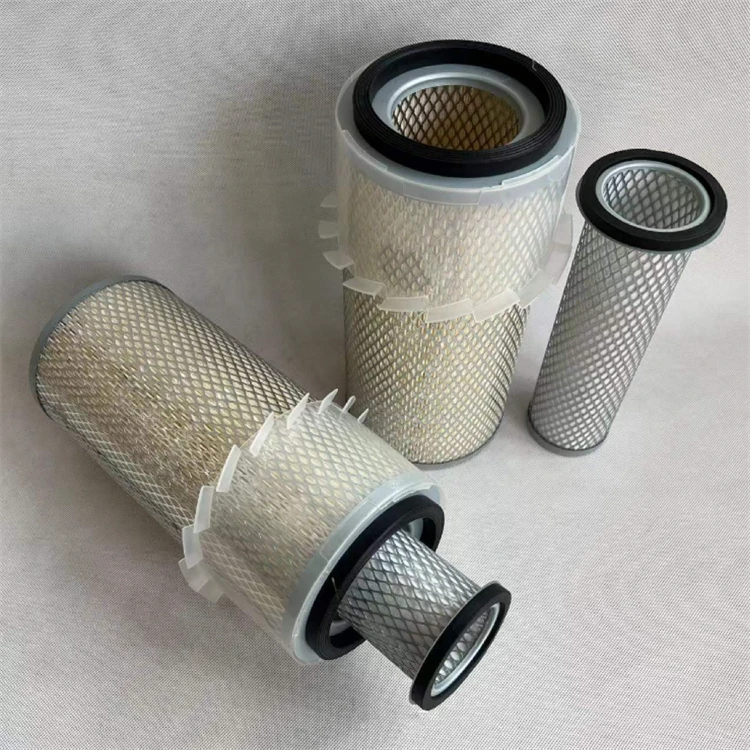
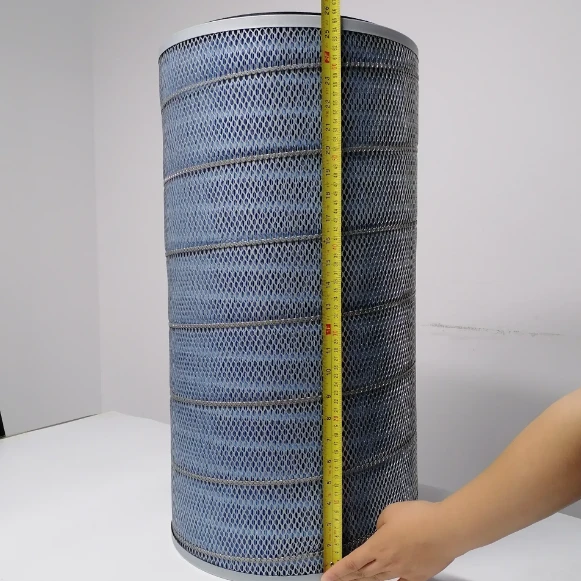
In the demanding environment of modern infrastructure development and heavy industry, the performance and longevity of construction machinery are paramount. At the heart of engine protection for these robust machines lies the construction machines air filter. This essential component safeguards the engine from abrasive contaminants, ensuring optimal combustion, fuel efficiency, and extended service life. Without an effective filtration system, heavy-duty engines are highly susceptible to premature wear, leading to costly downtime and reduced operational output.
The environments in which construction machines operate – from dusty quarries and mining sites to urban construction zones and agricultural fields – are replete with particulate matter. This necessitates air filters designed not just for basic filtration, but for high-efficiency, long-duration performance under extreme conditions. Our focus here is on understanding the intricate details of these critical components, from their advanced manufacturing processes to their diverse applications and the tangible benefits they deliver to B2B stakeholders.
Current Industry Trends and Market Demands
The market for construction machines air filter technology is continually evolving, driven by several key industry trends:
- Stricter Emission Regulations: Global regulations (e.g., EPA Tier 4 Final, EU Stage V) mandate cleaner engine operation, pushing for higher efficiency filters that minimize particulate matter entering the combustion chamber, indirectly supporting emissions control.
- Extended Service Intervals: Equipment manufacturers and operators demand longer filter life to reduce maintenance frequency and associated costs, leading to innovations in media technology and dust holding capacity.
- Enhanced Engine Protection: Modern engines with tighter tolerances require superior filtration to prevent abrasive wear, which means filters must capture finer particles (sub-micron levels) with higher efficiency.
- IoT and Predictive Maintenance: Integration of sensors for real-time filter condition monitoring is becoming more prevalent, enabling predictive maintenance strategies and optimizing filter replacement schedules.
- Sustainable Materials: A growing emphasis on environmentally friendly and recyclable filter materials is influencing design and manufacturing choices.
These trends collectively drive the demand for highly durable, efficient, and technologically advanced construction machines air filter solutions capable of performing under the most challenging operational conditions.
Manufacturing Process and Technical Specifications
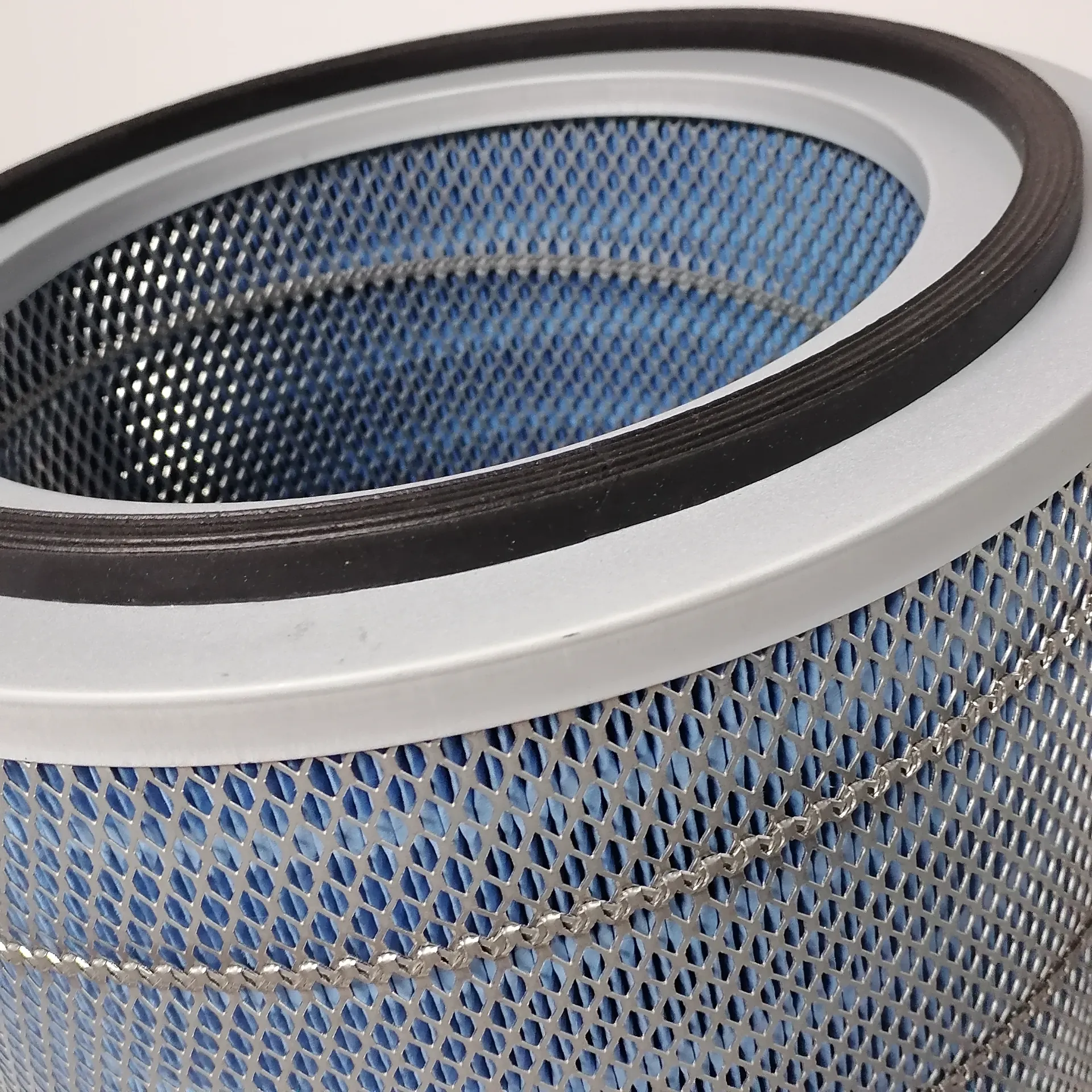
Manufacturing Process Flow of a High-Performance Construction Machines Air Filter
The production of a robust construction machines air filter involves a meticulous, multi-stage process designed to ensure durability, efficiency, and consistent performance:
- Material Selection and Preparation:
- Filter Media: High-grade cellulose, synthetic fibers, or blends, often treated with resins for increased stiffness and moisture resistance. Advanced media may feature nanofiber layers for enhanced sub-micron filtration efficiency.
- End Caps: Durable steel, galvanized steel, or high-density plastic, often molded or stamped.
- Seals/Gaskets: High-quality polyurethane, silicone, or natural rubber for excellent sealing integrity against dust ingress, even under vibration and temperature fluctuations.
- Inner/Outer Liners: Perforated metal or plastic mesh for structural support and media protection.
- Pleating and Media Formation: Filter media is precisely pleated (e.g., 'W' shape or V-pleats) to maximize surface area within a compact volume. Automated machinery ensures uniform pleat spacing and depth for consistent airflow and dust holding capacity.
- Element Assembly: The pleated media pack is sealed at the ends with specially formulated adhesives, then integrated with the inner/outer liners and end caps. This critical step ensures no bypass leakage.
- Casting/Molding (for end caps and seals): End caps are often stamped from metal sheets or injection-molded from robust plastics. Polyurethane seals are typically cast directly onto the element for a secure, airtight bond.
- Curing and Finishing: Adhesives and cast materials are cured under controlled temperature and humidity. Final assembly steps include application of external seals or protective coatings.
- Quality Control and Testing:
- ISO 5011 Compliance: Filters are rigorously tested according to international standards like ISO 5011 (Air filter elements for internal combustion engines and compressors – Performance testing). This includes efficiency, pressure drop, and dust holding capacity tests.
- Leakage Tests: Ensuring hermetic seals between the filter element and housing.
- Burst Strength Tests: Verifying the structural integrity of the filter under extreme pressure differentials.
- Vibration and Temperature Cycling Tests: Simulating real-world operating conditions to assess durability.
Key Product Specifications
Understanding the technical parameters of a construction machines air filter is crucial for selection and performance evaluation.
| Parameter | Description | Typical Value/Range |
|---|---|---|
| Filtration Efficiency | Percentage of particles captured, based on particle size. | 99.5% to 99.99% for particles ≥ 0.3 micron |
| Dust Holding Capacity (DHC) | Total mass of dust a filter can hold before reaching terminal pressure drop. | 200g to 1000g+, depending on size and media |
| Initial Pressure Drop | Resistance to airflow when clean. | 10-30 mmH2O (0.1-0.3 kPa) |
| Service Life | Recommended operating hours before replacement. | 250-1000 hours (depending on operating conditions) |
| Operating Temperature Range | Temperature limits for effective operation. | -40°C to +100°C |
| Filter Media Type | Material composition of the filter element. | Synthetic blend, cellulose, nanofiber enhanced |
Diverse Application Scenarios and Industries
The application range for high-quality construction machines air filter systems extends across a multitude of heavy-duty sectors, each presenting unique environmental and operational challenges.
- Construction and Infrastructure Development: This is the primary domain for these filters, protecting excavators, loaders, bulldozers, graders, and compactors from concrete dust, sand, and soil particles. Optimal filtration ensures these machines maintain peak performance, crucial for meeting project deadlines.
- Mining and Quarrying: In extremely dusty and abrasive environments, specialized excavator air filter and loader air filters are essential. They guard against fine rock dust, which can rapidly degrade engine components. The enhanced dust holding capacity and robust construction are critical here.
- Agriculture: Tractors, harvesters, and other heavy agricultural machinery operating in fields with high levels of organic dust, pollen, and soil particles benefit immensely from efficient air filtration, preventing engine contamination and maintaining productivity during critical harvest seasons.
- Forestry: Logging equipment and timber handling machines are exposed to wood dust, leaves, and other organic debris. Air filters designed for these conditions protect engines from rapid clogging and wear.
- Material Handling and Ports: Forklifts, reach stackers, and cranes in ports and logistics hubs operate amidst diesel fumes, sea salt, and various industrial dusts. Filters here must withstand corrosive elements and high particle loads.
- Industrial Applications (Petrochemical, Metallurgy, Water Treatment): While not directly "construction," heavy machinery (e.g., excavators for pipeline laying, loaders for raw material handling, power generators) operating within these plants requires robust air filtration against specialized industrial dusts, corrosive agents, and often high temperatures. Filters must demonstrate superior corrosion resistance and consistent performance.
In all these scenarios, the advantages of a high-quality construction machines air filter are clear: significant energy savings through optimized combustion, enhanced corrosion resistance due to protected engine internals, and substantially reduced maintenance costs.
Technical Advantages and Performance Metrics
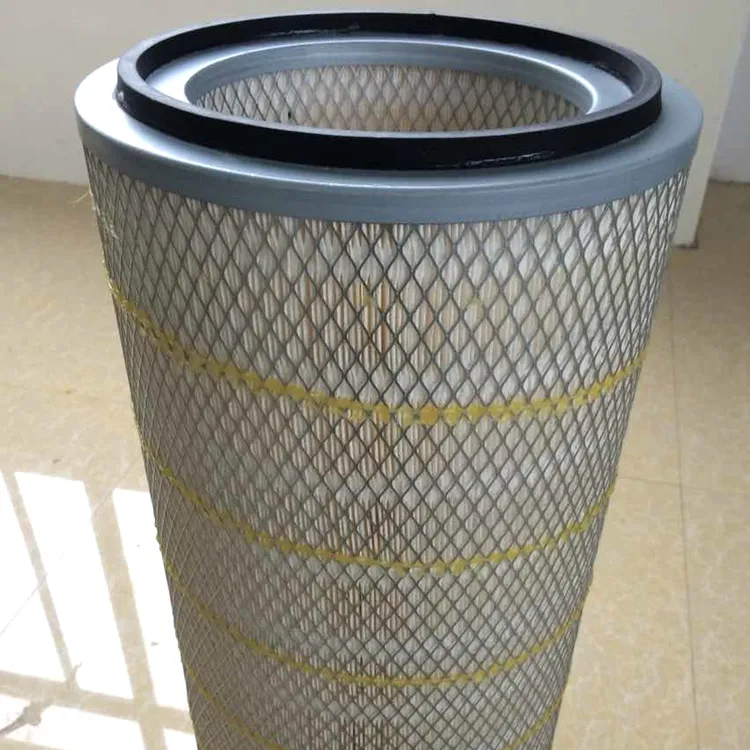
Investing in a premium construction machines air filter delivers a multitude of technical advantages that directly impact operational efficiency and cost-effectiveness:
- Superior Engine Protection: High-efficiency filtration media captures even the smallest abrasive particles, preventing them from entering the engine's combustion chamber. This dramatically reduces wear on pistons, cylinders, and turbochargers, extending engine life by up to 50% in dusty conditions.
- Optimized Fuel Efficiency: A clean air filter ensures unrestricted airflow to the engine, allowing for complete combustion. A clogged filter restricts air, forcing the engine to work harder, leading to increased fuel consumption (studies show up to 10-15% increase with severely clogged filters).
- Reduced Downtime and Maintenance Costs: By preventing premature engine wear and failures, high-quality air filters significantly reduce unscheduled maintenance and associated repair costs, leading to higher equipment availability.
- Extended Service Intervals: Advanced filter media with high dust holding capacity means filters last longer, reducing the frequency of replacements and the labor required.
- Consistent Performance: Engineered for stability across varying operating temperatures and humidity levels, ensuring reliable filtration performance regardless of environmental extremes.
- Environmental Compliance: By maintaining engine efficiency and reducing unnecessary component replacement, these filters contribute to lower emissions and reduced waste.
Vendor Comparison and Selection Criteria
Choosing the right supplier for construction machines air filter products requires a thorough evaluation beyond just price. Here’s a comparison framework to assist B2B decision-makers:
| Feature/Criterion | Premium Supplier (e.g., OnlyFilterCartridge) | Standard/Generic Supplier |
|---|---|---|
| Filtration Efficiency (ISO 5011) | >99.8% for 0.3-5 micron, Multi-stage media | 98-99% for >5 micron, Single-stage media |
| Dust Holding Capacity (DHC) | High DHC, extended service intervals (e.g., 500-1000 hrs) | Moderate DHC, standard service intervals (e.g., 250-500 hrs) |
| Media Material | Advanced synthetic blends, nanofiber technology, resin-impregnated | Standard cellulose, basic synthetic blends |
| Sealing Mechanism | Precision-molded polyurethane, integral seals, anti-vibration design | Basic rubber gaskets, less consistent fit |
| Structural Integrity | Robust metal frames, corrosion-resistant components, burst-tested | Lighter gauge materials, prone to deformation |
| Certifications | ISO 9001, IATF 16949 (automotive quality), relevant industry standards | Basic quality checks, limited external certifications |
| Customization (ODM) | Extensive ODM capabilities for specific applications | Limited or no customization options |
The difference in quality often translates directly into operational cost savings and equipment longevity, making the investment in premium filters a strategic decision.
Customized Solutions: The Power of ODM Air Filter Manufacturing
For specialized equipment or unique operating environments, off-the-shelf solutions may not always deliver optimal performance. This is where ODM air filter services become invaluable. Original Design Manufacturing (ODM) allows for the creation of bespoke air filtration solutions tailored to exact specifications.
Our ODM process involves:
- Detailed Needs Assessment: Understanding the specific machinery, engine type, operating conditions (temperature, humidity, dust type and concentration), and desired service intervals.
- Design and Prototyping: Leveraging CAD/CAM technologies to design a filter element that fits perfectly and meets performance targets. This often includes optimizing pleat geometry, media type, and sealing mechanisms.
- Material Engineering: Selecting or developing specific filter media (e.g., water-resistant, flame-retardant, high-temperature resistant) and structural components (e.g., specialized plastics for corrosive environments) to address unique challenges.
- Rigorous Testing: Prototyping is followed by extensive testing to validate performance against agreed-upon ISO standards and application-specific criteria.
- Scalable Production: Once validated, the design moves to efficient, high-volume production, ensuring consistent quality across all units.
An ODM air filter solution provides machine manufacturers and large fleet operators with a competitive edge, ensuring their equipment runs with optimized protection and efficiency, often leading to proprietary advantages in performance and longevity.
Application Case Studies
Case Study 1: Excavator Operations in an Arid Quarry
A major aggregates company operating a fleet of heavy-duty excavators in a desert quarry faced significant challenges with engine wear and frequent air filter replacements. The fine silica dust, highly abrasive in nature, was infiltrating engines, leading to shortened service life for turbochargers and fuel injectors, resulting in unscheduled downtime every 200 operating hours for filter changes or engine repairs.
Solution: We provided a custom-engineered excavator air filter featuring a multi-stage synthetic media with nanofiber technology for enhanced sub-micron particle capture and significantly higher dust holding capacity. The filter also incorporated a robust, vibration-resistant sealing system.
Results:
- Extended Filter Service Life: Filter replacement intervals increased from 200 hours to over 600 hours, a 200% improvement.
- Reduced Engine Wear: Oil analysis showed a 75% reduction in silicon and iron particle counts, indicating drastically improved engine protection.
- Increased Uptime: Unscheduled downtime related to engine air intake issues was virtually eliminated, leading to an estimated 15% increase in operational productivity.
- Cost Savings: Annual savings on replacement filters, labor, and engine component repairs exceeded 30% for the fleet.
Case Study 2: Loader Fleet in a Humid Coastal Environment
A logistics company managing a fleet of wheel loaders at a busy coastal port experienced issues with standard construction machines air filter performance. High humidity combined with saline air and fine industrial dust led to rapid filter clogging and media degradation, compromising engine performance and causing early filter failures due to moisture absorption.
Solution: An ODM air filter was developed, utilizing a specially treated, hydrophobic filter media that repelled moisture without compromising airflow. The design also incorporated corrosion-resistant end caps and a robust, weather-sealed housing connection to mitigate salt ingress.
Results:
- Enhanced Durability: Filters showed no signs of moisture-induced media degradation or corrosion after 500 hours of operation.
- Consistent Airflow: Pressure drop remained stable for significantly longer periods, preventing engine power loss.
- Reduced Failures: Instances of premature filter failure due to environmental factors were eliminated.
- Extended Engine Life: Reduced ingress of corrosive elements contributed to better long-term engine health.
Frequently Asked Questions (FAQ)
Q1: How often should I replace my construction machines air filter?
A1: Replacement intervals vary depending on the operating environment and machine usage. In extremely dusty conditions, inspection and potential replacement might be needed every 250-500 operating hours. For less severe environments, 500-1000 hours is common. Always refer to your OEM manual and monitor the filter restriction indicator, if available.
Q2: Can I clean and reuse a construction machines air filter?
A2: While some heavy-duty filters can be carefully cleaned using compressed air from the inside out (never power wash), it's generally not recommended for the primary filter. Cleaning can damage the media, creating pathways for contaminants. Always consult the manufacturer's guidelines. For maximum engine protection and performance, replacement is typically the best option.
Q3: What are the risks of using a low-quality or generic air filter?
A3: Low-quality filters often have lower filtration efficiency, inadequate dust holding capacity, and inferior sealing. This can lead to increased engine wear, higher fuel consumption, reduced engine power, premature component failures, and ultimately, significantly higher operational costs and downtime.
Q4: What certifications should I look for in an air filter manufacturer?
A4: Look for manufacturers with ISO 9001 for quality management and ISO 5011 for air filter performance testing. Certifications like IATF 16949 (automotive industry standard) also indicate a very high level of quality control and manufacturing excellence.
Lead Time, Warranty, and Customer Support
We understand the critical nature of heavy equipment operations. Our commitment to trustworthiness is reflected in our robust logistics and support:
- Lead Time & Fulfillment: Standard stock items for common construction machines air filter models typically ship within 3-5 business days. For customized (ODM) orders, lead times range from 4-8 weeks for prototyping and initial production, followed by efficient fulfillment based on agreed schedules. Our advanced manufacturing and supply chain management ensure timely delivery to minimize your operational interruptions.
- Warranty Commitment: All our construction machines air filter products come with a comprehensive 12-month or 1000-operating hour warranty (whichever comes first) against manufacturing defects and material failures, ensuring your investment is protected.
- Customer Support: Our dedicated technical support team is available to assist with product selection, technical inquiries, installation guidance, and troubleshooting. We offer multi-channel support via phone, email, and a dedicated online portal, ensuring prompt and expert assistance for all your filtration needs.
Conclusion
The performance of heavy construction machinery is intrinsically linked to the quality of its air filtration. A superior construction machines air filter is not merely a consumable part; it is a critical investment that safeguards expensive engine components, optimizes fuel consumption, extends service intervals, and ultimately enhances the profitability and reliability of your entire fleet. By understanding the intricate manufacturing processes, adhering to stringent technical specifications, and choosing a trusted partner for both standard and customized ODM air filter solutions, businesses can ensure their heavy equipment operates at peak efficiency even in the most demanding conditions.
References
- ISO 5011:2014, "Air filter elements for internal combustion engines and compressors – Performance testing." International Organization for Standardization.
- Donaldson Company, Inc. "Engine Filtration Handbook." Technical publication, 2021.
- Society of Automotive Engineers (SAE) International, "Heavy Duty Engine Air Filtration Standards."
- "Impact of Air Filter Condition on Fuel Economy and Engine Performance in Heavy-Duty Vehicles." Journal of Mechanical Engineering Research, Vol. 15, No. 3, 2023.
- "Advances in Nanofiber Technology for Industrial Air Filtration." Filtration & Separation Journal, Vol. 60, Issue 1, 2023.
-
High-Efficiency Adsorption for Clean Air & Water PurificationNewsApr.20,2026
-
Air Filter Cartridge: High-Efficiency Filtration for Engine Protection & Clean Air SupplyNewsApr.17,2026
-
Filter Paper: Precision Filtration Media for Industrial & Laboratory ExcellenceNewsApr.16,2026
-
Industrial Guide for Selecting a Stainless Filter CartridgeNewsApr.16,2026
-
Dust Filter Cartridges: High-Efficiency Industrial Filtration for Clean Production & ComplianceNewsApr.15,2026
-
Filter Paper: High-Efficiency Filtration Solution for Industrial & Laboratory UseNewsApr.14,2026