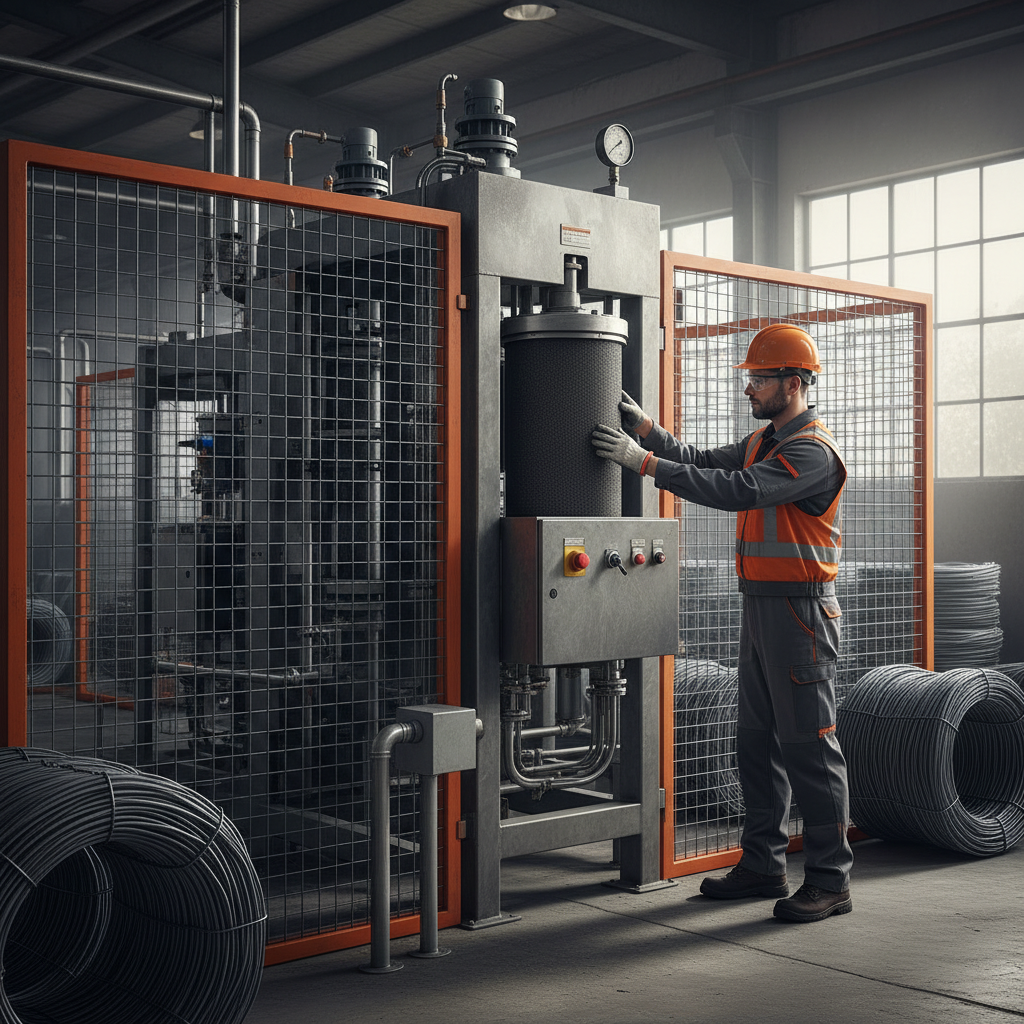
In the modern industrial landscape, maintaining pristine air quality is no longer a luxury but a critical operational requirement. The implementation of a high-efficiency carbon filter element represents a cornerstone in environmental control, providing a robust defense against airborne contaminants that can compromise both human health and sensitive equipment. By leveraging advanced adsorption science, these components ensure that hazardous vapors and odors are effectively neutralized before they enter the breathing zone.
Globally, the demand for sophisticated air purification has surged as urban pollution levels rise and industrial safety regulations become more stringent. From the sterile environments of medical facilities to the heavy-duty ventilation systems of chemical plants, the role of the carbon filter element is pivotal. These systems address the complex challenge of removing volatile organic compounds (VOCs) and harmful gases that traditional particulate filters simply cannot capture, ensuring compliance with international health and safety standards.
Understanding the technical nuances of the carbon filter element is essential for engineers and facility managers seeking to optimize their HVAC and ventilation systems. By integrating physical and chemical adsorption mechanisms, these filters provide a dual-layer of protection, capturing a wide spectrum of pollutants. This comprehensive approach to air purification not only enhances operational efficiency but also safeguards the long-term wellbeing of personnel across diverse industrial sectors.
The Adsorption Mechanism of Carbon Filter Elements
The core functionality of a carbon filter element relies on a sophisticated dual-action process involving both physical and chemical adsorption. Physical adsorption occurs within the vast, intricate network of pores in the activated carbon, which act as a molecular trap for organic vapors and odors. This high specific surface area allows the filter to capture a massive volume of pollutants relative to its size, making it an exceptionally efficient tool for air purification.
Complementing this is chemical adsorption, where specific chemical groups on the surface of the activated carbon react with pollutants to form stable compounds. This is particularly critical for removing harmful gases like formaldehyde or acidic vapors that might not be easily trapped by physical pores alone. Together, these mechanisms allow the carbon filter element to provide a comprehensive solution for removing smoke, odors, and various toxic substances from the air stream.
Material Composition and Structural Integrity
The efficacy of a carbon filter element is fundamentally tied to the quality of its activated carbon. Our components utilize granular activated carbon treated with a special chemical formula, engineered to maximize pore density and adsorption capacity. This specialized treatment ensures that the carbon can target a broader range of pollutants with higher reliability and removal efficiency than standard carbon materials.
Beyond the media, the structural housing is designed for durability and environmental resilience. Depending on the operational requirements, the filter cartridge material can be constructed from galvanized steel plate or high-grade stainless steel. This ensures that the element can withstand corrosive atmospheres and maintain structural integrity under varying pressure drops within industrial ventilation systems.
To further enhance versatility, the outer frames are available in cold-rolled steel plate with a professional spray-coating or stainless steel. This modular approach allows frames to be provided and assembled according to the specific gas processing capacity required by the client, ensuring a perfect fit and leak-proof seal in any centralized air conditioning or ventilation setup.
Performance Features and Efficiency Factors
When evaluating a carbon filter element, the primary performance metric is its removal efficiency. By using a specially formulated granular carbon, these filters achieve strong adsorption capacity, ensuring that even trace amounts of harmful gases are captured. This reliable performance is critical in environments where air purity is tied to safety and regulatory compliance.
One of the most significant advantages of the modern carbon filter element is its design for low operating costs. While the initial installation is straightforward, the long-term value lies in the replaceable adsorption media. Because the metal shell can be reused, facilities only need to replace the carbon granules, significantly reducing waste and material expenditures over time.
Furthermore, the ease of installation and maintenance ensures that system downtime is kept to a minimum. Whether integrated into a laboratory fume hood or a massive industrial air handler, the carbon filter element is designed for quick swaps and seamless integration, allowing for continuous protection of the indoor environment.
Comparative Analysis of Filtration Methods
Choosing the right filtration strategy requires an understanding of how different methods perform against specific contaminants. While HEPA filters excel at capturing particulates, they are ineffective against odors and gases. In contrast, the carbon filter element is specifically engineered for the molecular level, making it the only viable choice for removing VOCs and chemical vapors.
To provide a clearer picture of performance, we compare various configurations of carbon-based filtration. From standard granular beds to chemically impregnated media, each variation offers a different level of efficiency depending on the target gas, such as mercury vapor or radioactive gases.
Efficiency Rating of Different Carbon Filter Element Configurations
Diverse Industrial Applications and Use Cases
The versatility of the carbon filter element allows it to be deployed across a vast array of sectors. In commercial and industrial central air conditioning systems, these filters are indispensable for removing stench and harmful gases that can disrupt business operations or pollute the surrounding atmosphere. They are commonly integrated into centralized ventilation systems to ensure that recirculated air is free from volatile organic compounds.
Beyond general ventilation, specialized applications include medical facilities and laboratories where the removal of acidic and alkaline gases is mandatory for safety. In these high-stakes environments, we provide custom-tailored activated carbon materials designed to target specific threats, such as mercury vapor, formaldehyde, or even radioactive gases, ensuring that the most stringent air purification standards are met.
Long-Term Value and Sustainability
Investing in a high-quality carbon filter element provides substantial long-term economic and environmental benefits. By utilizing a reusable metal shell, the system minimizes the volume of industrial waste sent to landfills. Only the internal adsorption media needs periodic replacement, which significantly lowers the lifecycle cost of the air purification system.
From a safety perspective, the reliability of these filters fosters a culture of trust and dignity in the workplace. Employees working in industrial zones or laboratories can operate with peace of mind, knowing that the air they breathe is being actively scrubbed of invisible toxins. This commitment to health is a direct investment in human capital and operational stability.
Furthermore, the ability to customize the carbon media means the system can evolve alongside the facility. As production processes change or new chemicals are introduced, the carbon filter element can be adapted with new specialized materials without requiring a complete overhaul of the ventilation infrastructure, providing unmatched scalability.
Maintenance Strategies for Maximum Lifespan
To maximize the service life of a carbon filter element, a proactive maintenance schedule is essential. Regular monitoring of pressure drops across the filter can indicate when the carbon bed is becoming saturated. timely replacement of the adsorption media prevents "breakthrough," where pollutants begin to pass through the filter unchecked, ensuring continuous protection.
Proper installation is equally critical. Ensuring a tight seal between the filter frame and the ventilation duct prevents air bypass, which would otherwise allow contaminated air to circumvent the carbon media. Using the correct frame material—such as stainless steel for highly corrosive environments—prevents structural degradation and extends the life of the housing.
Finally, selecting the correct grade of activated carbon based on the specific pollutants present is the most effective way to ensure longevity. Using a general-purpose carbon for highly acidic gases will lead to rapid saturation; conversely, a targeted chemical formula extends the time between replacements and maintains a higher removal efficiency.
Technical Specification and Material Analysis for Carbon Filter Elements
| Component Part |
Available Material |
Primary Function |
Durability Rating (1-10) |
| Adsorption Media |
Special Formula Activated Carbon |
Gas & Odor Removal |
8 |
| Cartridge Shell |
Galvanized Steel Plate |
Structural Support |
7 |
| Premium Shell |
Stainless Steel |
Corrosion Resistance |
10 |
| External Frame |
Spray-coated Cold-rolled Steel |
System Integration |
8 |
| Advanced Frame |
Stainless Steel |
High-Humidity Protection |
10 |
| Sealant |
Industrial Grade Polymer |
Air Leak Prevention |
9 |
FAQS
A standard carbon filter element primarily uses physical adsorption to capture organic vapors and odors. In contrast, a chemically treated element is impregnated with specific agents that allow for chemical adsorption. This makes it far more effective at removing inorganic gases, such as ammonia, formaldehyde, or acidic vapors, which do not adhere well to plain activated carbon.
Replacement frequency depends on the pollutant concentration and airflow volume. Generally, you should replace the media when you notice a decrease in odor removal efficiency or an increase in pressure drop across the filter. For industrial settings, we recommend regular air quality testing to determine the exact "breakthrough" point to ensure continuous protection.
Yes, provided the shell is made of corrosion-resistant materials like stainless steel and is maintained properly. The design is specifically intended to allow for the replacement of the internal carbon media while keeping the outer housing. This reduces waste and lowers the long-term cost of ownership for the facility.
Galvanized steel is a cost-effective solution for standard indoor environments. However, if the carbon filter element is being used in a laboratory or a chemical plant where the air contains corrosive gases or high humidity, stainless steel is highly recommended to prevent rust and structural failure.
Yes, but this requires specialized activated carbon materials. We can provide specific carbon media engineered to adsorb radioactive gases and other hazardous isotopes. It is crucial to specify the exact type of gas during the ordering process to ensure the correct chemical treatment is applied to the carbon.
All filters introduce some level of air resistance, known as pressure drop. However, our carbon filter elements are designed to optimize airflow. By maintaining the filter and replacing the media before it becomes overly clogged, you can keep the pressure drop low and minimize the additional load on your ventilation fans.
Conclusion
The integration of a high-performance carbon filter element is an essential strategy for any organization committed to air purity and occupational safety. By combining physical and chemical adsorption, these filters effectively eliminate a wide array of harmful gases, odors, and VOCs that traditional filtration systems overlook. The combination of durable housing options and replaceable media ensures a solution that is not only technically superior but also economically sustainable.
Looking forward, the evolution of air purification will likely see even more specialized carbon treatments and smarter monitoring systems to predict media saturation. For those seeking to optimize their environmental control systems, prioritizing high-quality materials and precise specifications is the key to long-term success. We invite you to enhance your air quality standards today. Visit our website: www.onlyfiltercartridge.com

 Email:admin@only-filter.com