Maintaining high air purity in industrial environments is critical for both equipment longevity and worker safety. In sectors ranging from automotive manufacturing to wood processing, the integration of high-performance filtration systems ensures that harmful particulates are captured before they can cause systemic damage. Understanding the role of industrial-grade filtration is the first step toward optimizing operational efficiency.
The global demand for specialized air filtration has surged as emission standards become more stringent and the cost of machinery downtime increases. From central air conditioning duct cleaning to complex powder spraying operations, the ability to filter out microscopic dust, soot, and pollen is no longer optional but a necessity for sustainable production.
When selecting the right components, many operators look for truck filters and similar cylindrical elements that offer high efficiency and low resistance. These components are essential for protecting compressed air systems and industrial machinery from abrasive contaminants.
Core Materials and Construction of Filtration Elements
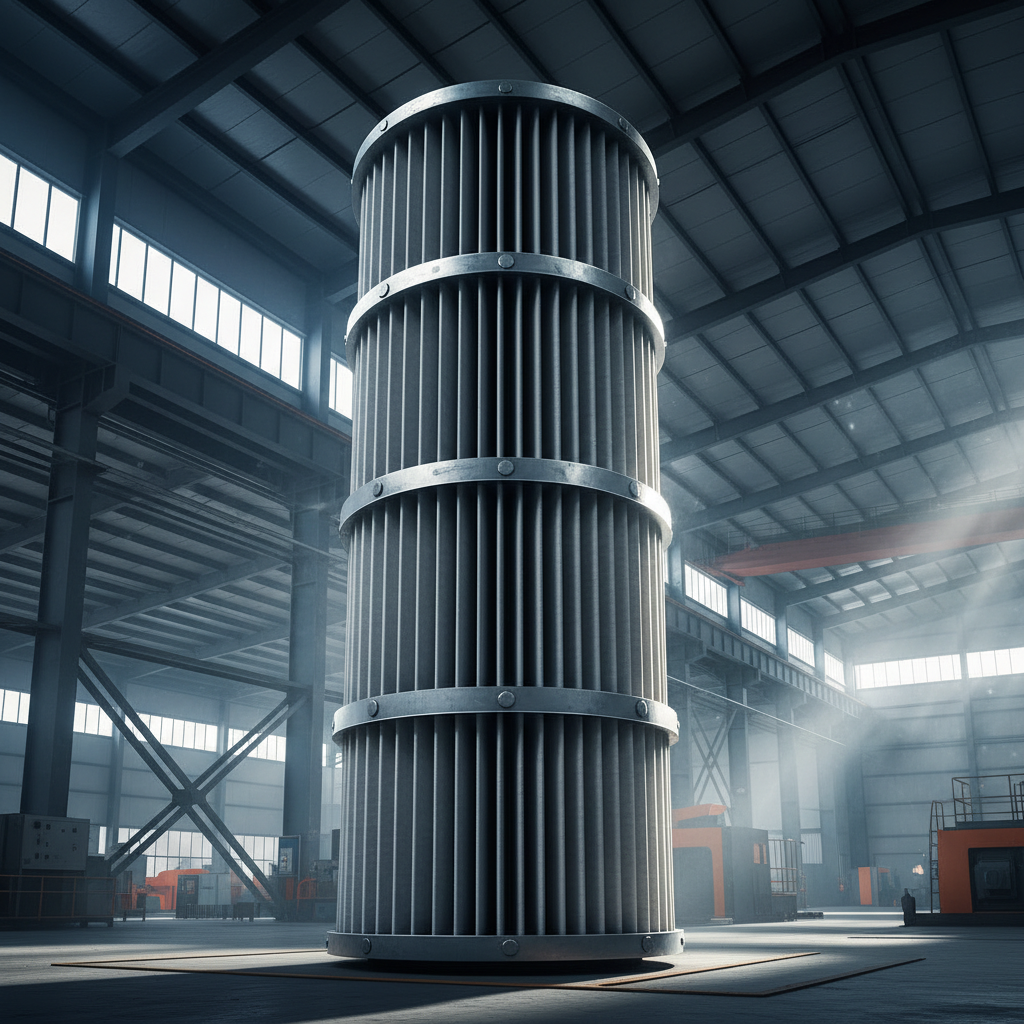
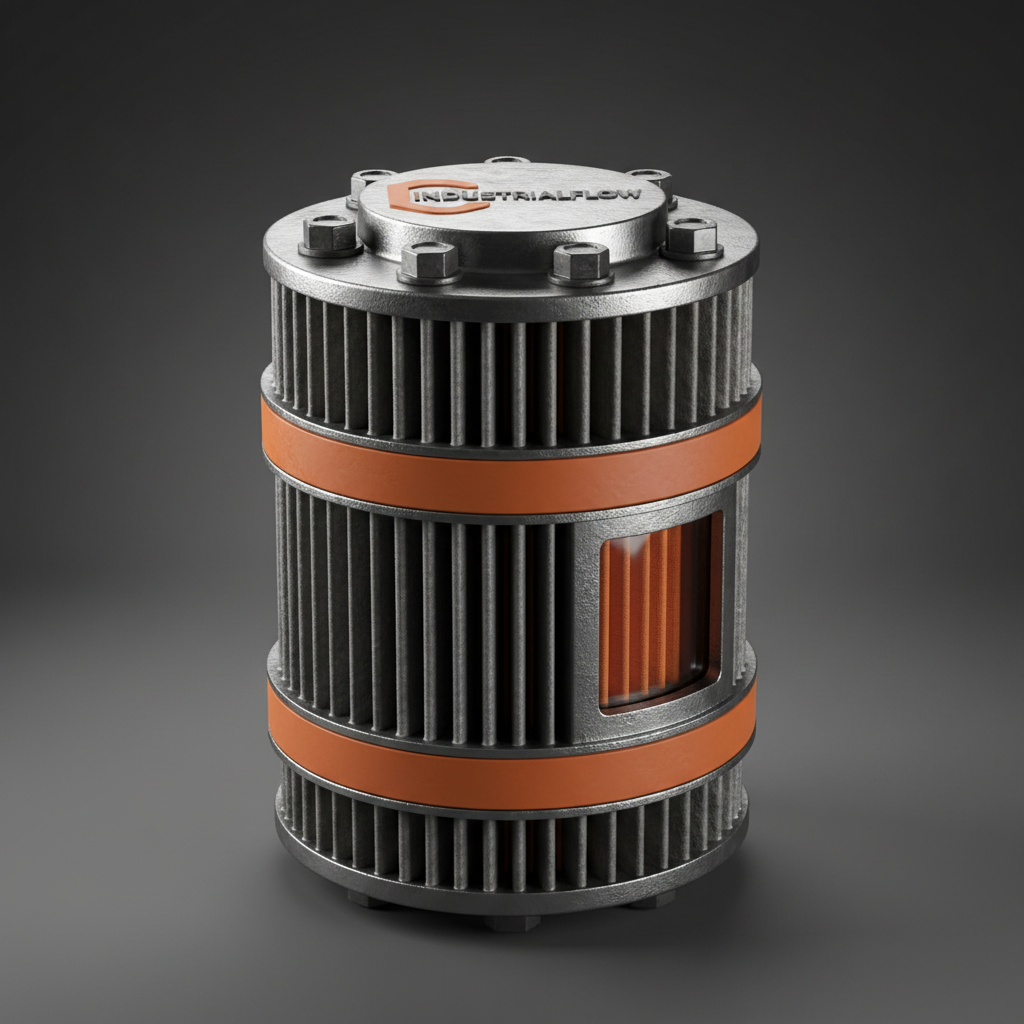
The structural integrity of a filter element begins with its end caps and skeleton. High-quality elements utilize the best plastic covers or non-porous galvanized end caps stamped from iron plates, ensuring a leak-proof seal during high-pressure operations. This construction is vital for applications like fan dust removal and pigment industry processing where structural failure could lead to immediate contamination.
Inside, the central skeleton is electro-galvanized to prevent rust, paired with a special sealing rubber ring that guarantees excellent sealing performance. This robust architecture supports the filter media, allowing it to withstand the intense pulse backwash of airflow without collapsing or distorting.
Understanding Filtration Efficiency and Airflow Dynamics
Filtration efficiency is defined by the ability of a medium to capture tiny particles such as soot, pollen, and industrial dust. By utilizing imported long-fiber polyester, the fibers are interlaced and evenly distributed to create a complex web that traps pollutants while allowing air to pass through. Some high-efficiency designs can achieve a filtration rate of over 99%, effectively purifying the air in critical environments.
A critical challenge in filter design is balancing efficiency with airflow resistance. A low-resistance design considers the flow characteristics of gas, reducing the energy required to push air through the element. This not only lowers energy consumption but also minimizes the wear and tear on the blowing equipment, leading to a more sustainable operation.
The use of surface filtration allows the filter to block particulate matter on the very exterior of the material. This prevents the internal clogging of the media, making the process of cleaning via pulse-jet systems far more effective and extending the overall operational cycle.
Key Factors for Long-Term Filter Durability
Durability in industrial environments depends heavily on the material's resistance to wear and corrosion. High-quality truck filters and air cartridges often use polyester non-woven fabrics that are specifically treated to be oil-proof and waterproof.
The stiffness of the filter material is another key factor, as it determines whether the element can be washed repeatedly without losing its shape. When the media possesses high stiffness and wear resistance, it can withstand the harsh conditions of sandblasting or wood processing plants for significantly longer periods.
Furthermore, anti-static properties are essential in environments where fine powders are processed. By preventing the buildup of static electricity, these specialized truck filters reduce the risk of sparks and explosions in volatile industrial settings.
Comparative Performance of Filter Media Types
Different media are selected based on the specific contaminants present in the airflow. Wood pulp fiber filter paper is often used for general dust, while spunbond polyester is preferred for its durability and chemical resistance. Metal wire mesh is reserved for liquid media filtration or extremely high-temperature gaseous environments where organic fibers would fail.
Comparing these materials reveals a trade-off between initial cost and long-term value. While synthetic fibers offer superior lifespan and cleaning capabilities, they require more precise manufacturing to ensure uniform fiber distribution.
Filter Media Efficiency and Durability Comparison
Global Industrial Application Scenarios
In heavy industrial manufacturing, such as steel, cement, and chemical plants, dust removal filter elements are the primary line of defense against emission pollution. These systems protect large-scale production equipment from wear and corrosion by intercepting particles before they enter sensitive machinery, thereby prolonging the life of multi-million dollar assets.
Beyond heavy industry, these filtration solutions are critical in special sectors like automobile manufacturing and metal processing. For instance, CNC machine tools produce significant amounts of metal powder; using high-efficiency truck filters and air cartridges ensures the working environment remains breathable and the equipment operates without interference from airborne debris.
Environmental and Occupational Health Impact
The impact of effective filtration extends far beyond the machine. By reducing the emission of particulate matter, companies significantly improve the air quality for their workers, reducing the risk of chronic occupational respiratory diseases. This creates a safer, more dignified workplace that prioritizes human health alongside productivity.
From an environmental perspective, high-efficiency filtration prevents industrial pollutants from entering the atmosphere. This helps companies comply with global environmental regulations and reduces the ecological footprint of the manufacturing process, contributing to cleaner cities and healthier ecosystems.
In commercial and residential spaces, similar filtration technology removes pollutants from indoor decoration materials and smoke. This ensures that the air we breathe in offices and homes is free from harmful particulates, demonstrating the versatility of these filter elements across different scales of application.
Technical Specifications and Customization Standards
Standardization is key for ease of replacement, yet customization is essential for specialized needs. Most industry-standard filter cartridges are based on international samples, with common diameters of 12.75 inches and heights of 13.84 or 26 inches. When converted to metric, these typically measure 325660mm and 350660mm.
However, unique operating environments often require special specifications. Whether it is an increase in oil resistance for chemical plants or an anti-static coating for powder spraying, the ability to customize the filter medium and dimensions ensures that the equipment operates at peak efficiency regardless of the challenge.
Modular designs further enhance the utility of these components. By making the elements easy to install and remove, maintenance costs are lowered and downtime is minimized. Users can simply follow standard instructions to replace or clean the elements, ensuring the system remains effective throughout its lifecycle.
Technical Specification Analysis for Custom Filter Elements
| Material Type |
Key Feature |
Typical Application |
Durability Score |
| Polyester Non-woven |
Oil-proof/Waterproof |
Chemical Industry |
9/10 |
| Wood Pulp Fiber |
High Initial Efficiency |
General Air Filtering |
6/10 |
| Metal Wire Mesh |
Heat Resistance |
Liquid Impurity Removal |
10/10 |
| Galvanized Steel Cap |
Rust Prevention |
Central AC Ducts |
8/10 |
| Coated Polyester |
Anti-static |
Powder Spraying |
9/10 |
| Custom Alloy Mesh |
Corrosion Resistance |
Acidic Gas Filtration |
9/10 |
FAQS
Replacement frequency depends on the dust load and airflow resistance. For high-load environments like wood processing, elements should be checked monthly. If the pressure drop increases significantly or the pulse-cleaning no longer restores flow, the filter should be replaced to prevent equipment damage.
Yes, our long-fiber polyester elements are designed with high stiffness and wear resistance, allowing them to withstand repeated washing and pulse backwash. However, ensure the cleaning method matches the material specifications to avoid damaging the fibers.
Surface filtration blocks particles on the outside layer of the media, which makes cleaning much easier and more effective. Depth filtration traps particles throughout the thickness of the material, which can offer higher capacity but is often harder to clean and leads to higher resistance over time.
Absolutely. We offer polyester non-woven fabrics that are specifically coated to be oil-proof and waterproof. These are ideal for machining centers where oil mists and airborne lubricants are present.
Yes, while we provide standard sizes (e.g., 325660mm), we specialize in custom specifications based on user requirements. We can adjust the diameter, height, and material properties to fit your exact equipment needs.
In powder spraying and pigment industries, the movement of fine particles can generate static electricity. An anti-static filter prevents charge buildup, eliminating the risk of electrical sparks that could cause fires or explosions in these sensitive environments.
Conclusion
In summary, high-efficiency filtration elements are indispensable tools for maintaining industrial productivity and environmental safety. By combining robust construction—such as electro-galvanized skeletons and high-stiffness polyester media—with precision design, these components ensure that air and liquid streams remain free of harmful contaminants. Whether it is protecting expensive CNC machinery or ensuring a healthy breathing environment for workers, the right choice of filter media and specifications is critical for long-term operational success.
Looking forward, the trend toward sustainable manufacturing will only increase the demand for low-resistance, high-durability filtration solutions. Investing in customizable, high-performance filter elements today not only reduces energy costs and equipment wear but also aligns your operations with global health and environmental standards. To find the perfect filtration solution for your needs, visit our website: www.onlyfiltercartridge.com

 Email:admin@only-filter.com