 Email:admin@only-filter.com
 Tel:
+8615930870079
Tel:
+8615930870079
Feb . 25, 2026 02:05 Back to list
Comprehensive Guide to HEPA Filter Cartridges for Optimal Air Purification
Understanding HEPA Filter Cartridges: A Comprehensive Guide
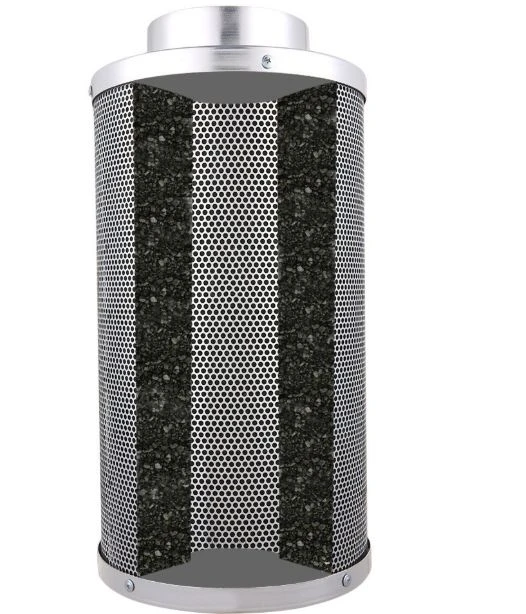
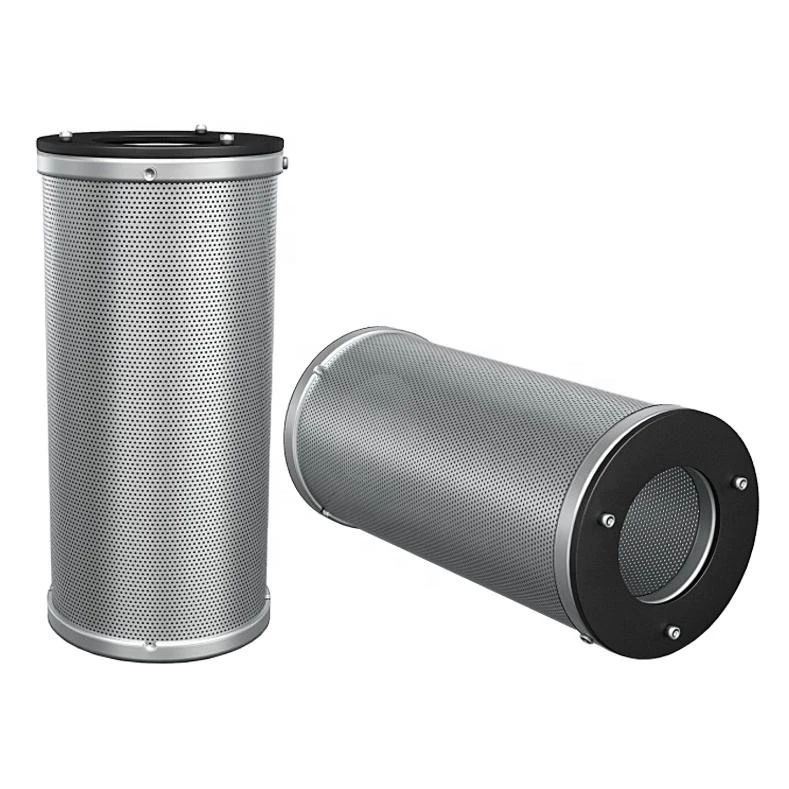
HEPA (High-Efficiency Particulate Air) filter cartridges are crucial components in various industries, playing a vital role in air purification. They are designed to capture a significant percentage of airborne particles, ensuring cleaner and healthier environments. This article will explore the functionality, applications, types, and maintenance of HEPA filter cartridges, providing a detailed overview for professionals and individuals alike. Understanding these filters is essential for maintaining optimal air quality in sensitive settings.
How Do HEPA Filter Cartridges Work?
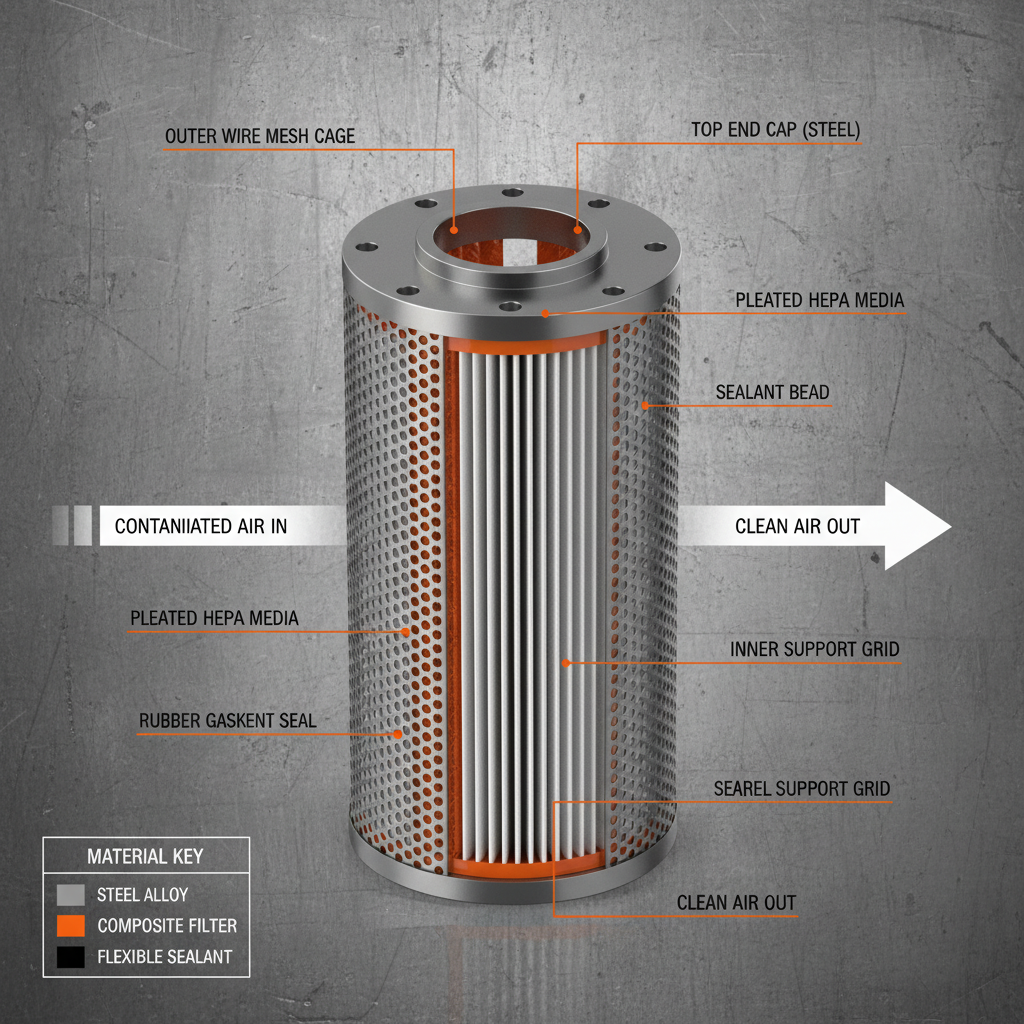
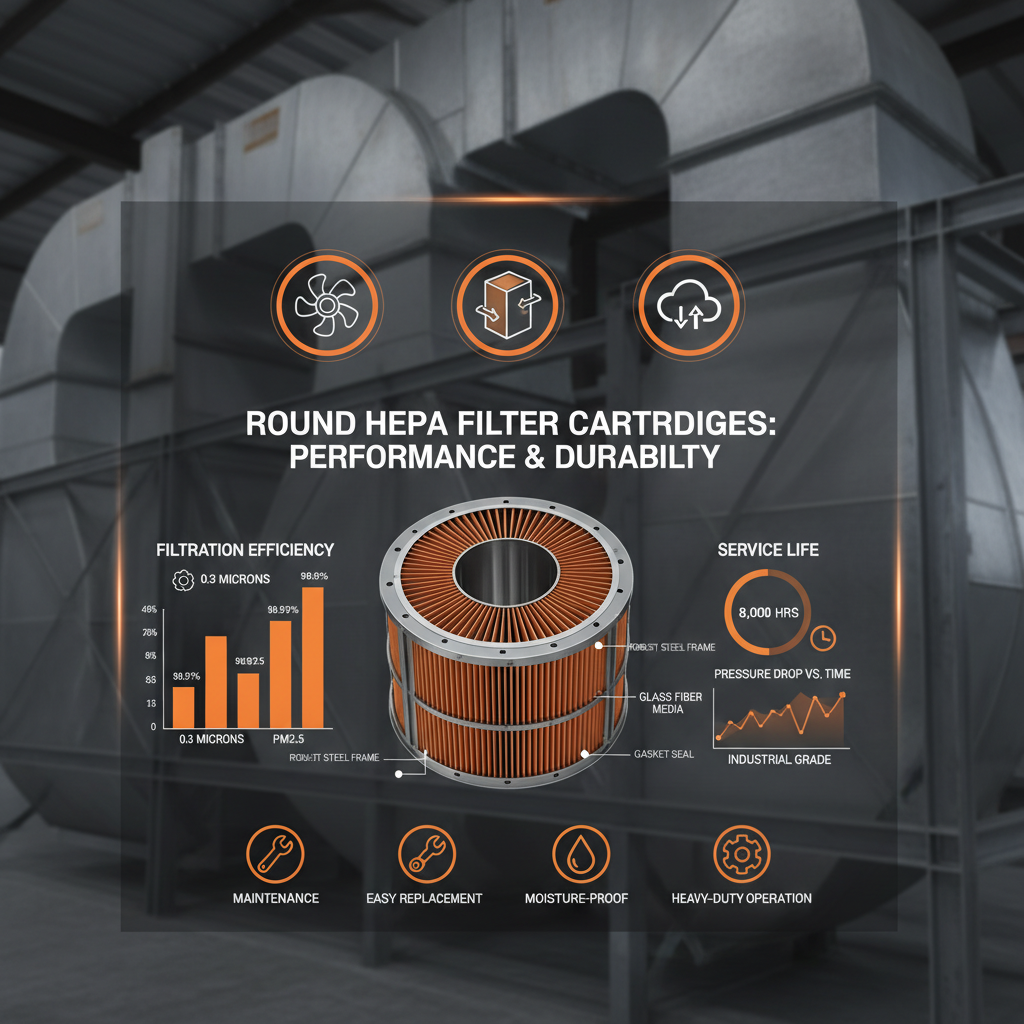
HEPA filter cartridges utilize a multi-layered filtration process to remove airborne particles. Unlike simple filters that trap larger debris, HEPA filters are specifically engineered to capture microscopic particles as small as 0.3 microns with an efficiency of at least 99.97%. This is achieved through a combination of mechanisms: impaction, interception, and diffusion. Impaction forces larger particles onto the filter fibers, interception captures particles that follow airflow, and diffusion traps very small particles through random movement. The tightly woven mat of fibers creates a complex path for air to travel, maximizing particle capture. This makes them ideal for environments requiring extremely high levels of cleanliness.
Key Highlights: HEPA filters are rated to remove at least 99.97% of particles 0.3 microns in diameter, ensuring superior air quality. Their multi-layered filtration process combines impaction, interception, and diffusion for maximum effectiveness.
Applications of HEPA Filter Cartridges
The applications of HEPA filter cartridges are widespread across various sectors. In healthcare, they're essential for operating rooms, isolation wards, and laboratories, protecting patients and staff from airborne pathogens. Pharmaceutical manufacturing relies on HEPA filtration to maintain sterile environments during drug production. The food and beverage industry utilizes them to prevent contamination in processing and packaging areas. Furthermore, they are commonly found in HVAC systems for commercial buildings, providing cleaner indoor air for occupants. Even residential air purifiers often incorporate HEPA filters to improve indoor air quality and reduce allergens.
Key Application Areas:
• Healthcare Facilities
• Pharmaceutical Manufacturing
• Food & Beverage Processing
• Commercial HVAC Systems
• Residential Air Purifiers
Comparing Different Types of HEPA Filter Cartridges
HEPA filter cartridges come in various configurations to suit specific application requirements. Common types include pleated filters, which offer a large surface area for efficient filtration; bag-in/bag-out filters, designed for safe handling of hazardous materials; and rigid filters, providing robust support for demanding environments. The choice of cartridge depends on factors such as airflow rate, particle size distribution, and the need for contaminant containment. Different materials are used in the construction of HEPA filters to improve performance.
Maintaining HEPA Filter Cartridge Performance
Regular maintenance is essential for maintaining the effectiveness of HEPA filter cartridges. This includes periodic inspection for damage, leaks, or excessive buildup of particulate matter. The frequency of replacement depends on the operating environment and the level of contamination. Generally, filters should be replaced when the pressure drop across the filter increases significantly, indicating reduced airflow. Proper disposal of used filters is also crucial, particularly when handling hazardous materials. Refer to manufacturer guidelines for specific maintenance and replacement schedules.
Choosing the Right HEPA Filter Cartridge for Your Needs
Selecting the appropriate HEPA filter cartridge requires careful consideration of your specific application. Factors to consider include the size of the space, the airflow rate, the type of contaminants present, and the desired level of filtration. It’s important to choose a filter that meets the relevant industry standards and regulations. Only Filter Cartridge provides a wide range of HEPA filter cartridges designed to meet diverse needs. Our expert team can help you select the ideal filter for your application, ensuring optimal performance and air quality.
Conclusion: Ensuring Clean Air with HEPA Filtration
Investing in high-quality HEPA filter cartridges is crucial for maintaining clean and healthy environments. From healthcare facilities to industrial settings, these filters play a vital role in protecting people and processes from harmful airborne particles. By understanding the different types of filters, their applications, and proper maintenance procedures, you can ensure optimal air quality and a safer environment.
Frequently Asked Questions (FAQs)
How often should I replace my HEPA filter cartridge?
The replacement frequency of a HEPA filter cartridge depends on several factors, including the level of airborne contaminants, the operating environment, and the filter's initial efficiency. As a general guideline, filters should be replaced every 6-12 months in typical residential settings. In industrial or healthcare environments with higher contaminant loads, replacement may be necessary every 3-6 months. Monitoring the pressure drop across the filter can provide a more accurate indication of when replacement is needed. A significant increase in pressure drop indicates that the filter is becoming clogged and its efficiency is diminishing.
What is the difference between a HEPA filter and a standard air filter?
Standard air filters typically capture larger particles like dust, pollen, and pet dander. They generally have a Minimum Efficiency Reporting Value (MERV) rating of 1-12. HEPA filters, on the other hand, are designed to capture a much wider range of particles, including microscopic allergens, bacteria, viruses, and mold spores, with a minimum efficiency of 99.97% for particles 0.3 microns in size. This superior filtration capability makes HEPA filters ideal for environments where air purity is critical, such as healthcare facilities and cleanrooms.
Can HEPA filters remove odors?
While HEPA filters excel at removing particulate matter, they are not designed to remove odors or gases. Odors are caused by volatile organic compounds (VOCs) which are much smaller than the particles HEPA filters capture. To remove odors and VOCs, you need a filter that incorporates activated carbon. Activated carbon filters are specifically designed to absorb these gaseous pollutants. Some air purifiers combine both HEPA and activated carbon filtration for comprehensive air purification.
Are HEPA filters safe for people with allergies and asthma?
Yes, HEPA filters are highly beneficial for individuals with allergies and asthma. By removing airborne allergens such as pollen, dust mites, pet dander, and mold spores, HEPA filters can significantly reduce allergy and asthma symptoms. They help create a cleaner, healthier indoor environment, making it easier to breathe and reducing the frequency of attacks. Using an air purifier equipped with a HEPA filter can provide substantial relief for those sensitive to airborne irritants.
-
High-Efficiency Adsorption for Clean Air & Water PurificationNewsApr.20,2026
-
Air Filter Cartridge: High-Efficiency Filtration for Engine Protection & Clean Air SupplyNewsApr.17,2026
-
Filter Paper: Precision Filtration Media for Industrial & Laboratory ExcellenceNewsApr.16,2026
-
Industrial Guide for Selecting a Stainless Filter CartridgeNewsApr.16,2026
-
Dust Filter Cartridges: High-Efficiency Industrial Filtration for Clean Production & ComplianceNewsApr.15,2026
-
Filter Paper: High-Efficiency Filtration Solution for Industrial & Laboratory UseNewsApr.14,2026