ONLY Technology (hebei Province) Co., Ltd.

If you are interested in our products, you can choose to leave your information here, and we will be in touch with you shortly.


0%

Table of Contents

Cartridge filter air systems are becoming increasingly critical in maintaining air quality across a diverse range of applications, from industrial manufacturing to healthcare facilities and even residential use. The growing awareness of airborne pollutants and their impact on human health and environmental sustainability has driven significant demand for effective air filtration solutions. Understanding the nuances of cartridge filter air technology, its capabilities, and its limitations is paramount for industries and individuals alike seeking to protect their assets and well-being.

Globally, the need for robust and reliable air filtration is amplified by factors like rapid industrialization, urbanization, and the increasing frequency of extreme weather events. These elements contribute to heightened levels of particulate matter, volatile organic compounds (VOCs), and other harmful airborne contaminants. Consequently, the development and implementation of advanced cartridge filter air technologies are pivotal in mitigating these risks and ensuring a cleaner, healthier environment for all.

The benefits of utilizing high-quality cartridge filter air systems extend beyond mere air purification; they contribute to increased operational efficiency, reduced maintenance costs, and improved worker safety. As regulations surrounding air quality become more stringent worldwide, investing in effective cartridge filtration is not just an environmental responsibility, but also a sound business decision.
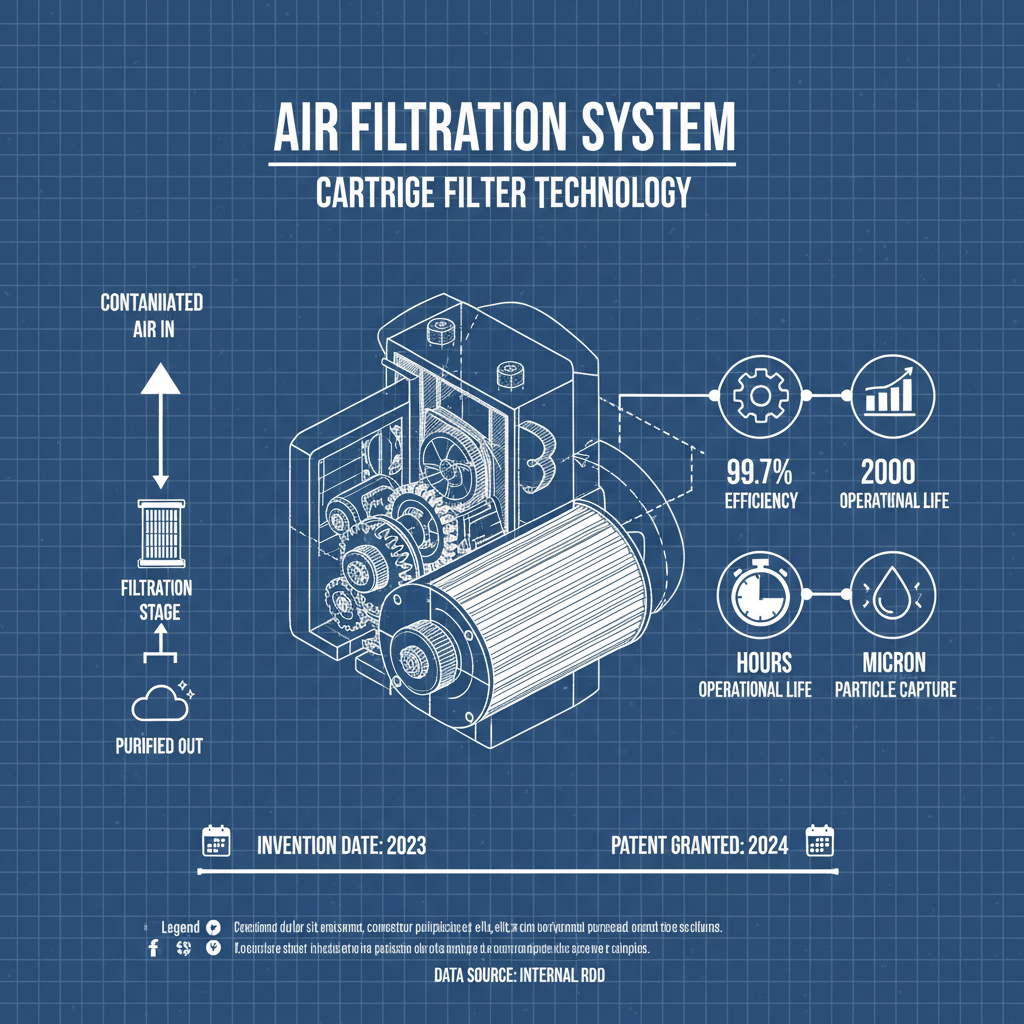
Advancements in Cartridge Filter Air Technology for Enhanced Air Quality

The Significance of Cartridge Filter Air

Advancements in Cartridge Filter Air Technology for Enhanced Air Quality

The increasing prevalence of airborne pollutants—ranging from industrial emissions to allergens—necessitates effective air filtration solutions. Cartridge filter air technology offers a practical and efficient method for removing these contaminants, protecting both human health and sensitive equipment. The ability to customize filter media based on specific requirements makes cartridge systems adaptable to a wide variety of applications.

Investing in robust cartridge filter air isn’t merely a reactive measure; it's a proactive approach to preventing costly downtime, improving product quality, and ensuring regulatory compliance. As awareness of indoor air quality grows, the demand for these systems will only continue to rise, solidifying their importance in a sustainable future.

Defining Cartridge Filter Air

Cartridge filter air refers to the process of removing particulate matter, gases, and other contaminants from an air stream using a cylindrical filter cartridge. These cartridges contain a filter media – often made of materials like polypropylene, cellulose, or fiberglass – that captures pollutants as air passes through. They are a common component in HVAC systems, industrial ventilation, and cleanroom environments.

Unlike some air filtration methods, cartridge filters offer a relatively simple and cost-effective solution, particularly when dealing with high particulate loads. Their modular design facilitates easy replacement and maintenance, minimizing disruption to ongoing operations. Cartridge filter air is integral to modern industry.

This technology finds a vital connection to humanitarian needs as well. In disaster relief scenarios, portable cartridge filter air units provide crucial clean air in temporary shelters and medical facilities, protecting vulnerable populations from the harmful effects of airborne debris and contaminants.

Core Components of Cartridge Filter Air Systems

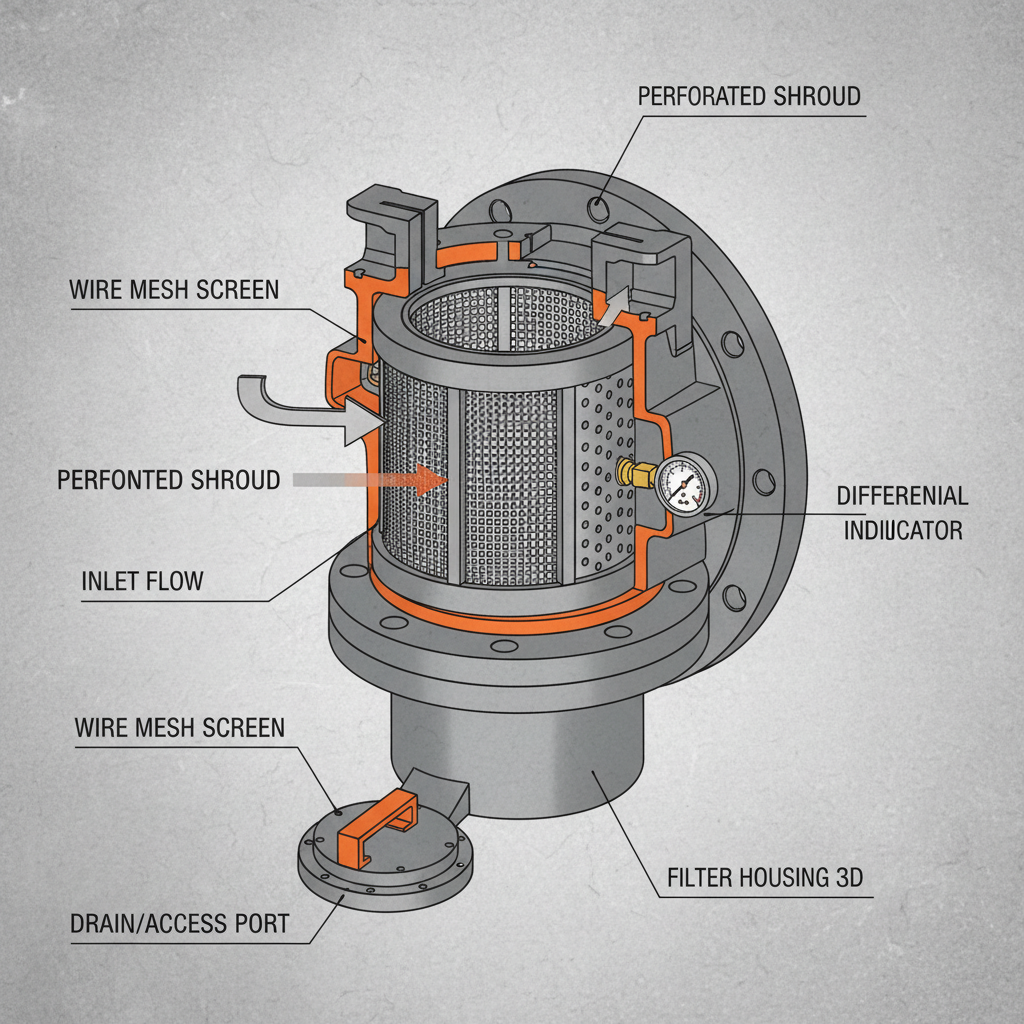
A typical cartridge filter air system comprises several key components working in concert. The cartridge itself is the primary filtration element, but a housing is essential to contain the cartridge and direct airflow. The housing’s material must be compatible with the air stream and any potential contaminants.

Differential pressure gauges are crucial for monitoring filter loading. As the cartridge becomes clogged with contaminants, the pressure drop across it increases. These gauges alert operators when a cartridge needs to be replaced, preventing reduced airflow and compromised filtration efficiency. Furthermore, pre-filters are often employed to capture larger particles, extending the lifespan of the more expensive primary cartridge.

Finally, a well-designed system incorporates proper sealing mechanisms to prevent bypass of unfiltered air, ensuring complete protection. The integration of these components ensures optimal performance and reliability of the cartridge filter air system.

Key Factors Influencing Cartridge Filter Air Performance

Several factors significantly influence the performance of cartridge filter air systems. Filter media type is paramount; different materials excel at removing specific types of contaminants. For instance, HEPA filters are highly effective at capturing very fine particulate matter, while activated carbon filters are ideal for removing gases and odors.

Airflow rate directly impacts filter efficiency; exceeding the manufacturer’s recommended flow rate can reduce capture efficiency and shorten filter life. Operating temperature and humidity levels also play a role, as extreme conditions can degrade filter media and compromise performance.

Cartridge Filter Air Efficiency Comparison


Global Applications of Cartridge Filter Air

Cartridge filter air finds application across a broad spectrum of industries and sectors. Manufacturing facilities utilize these systems to maintain air quality in sensitive production areas, protecting products from contamination and ensuring worker safety. Pharmaceutical companies rely on HEPA-filtered air to maintain sterile environments during drug manufacturing processes.

In healthcare settings, cartridge filter air is vital for operating rooms, laboratories, and isolation wards, minimizing the spread of airborne pathogens. The automotive industry employs these systems in paint booths to remove harmful fumes and particulate matter, ensuring a safe and compliant working environment.

Advantages and Long-Term Value

The advantages of cartridge filter air are numerous. Cost-efficiency is a key benefit, as cartridge filters are often less expensive than other filtration technologies. Their ease of installation and maintenance minimizes downtime and labor costs. Furthermore, the wide availability of different filter media allows for customization to specific application requirements.

Long-term value is realized through improved air quality, enhanced worker health and safety, and increased product quality. The reliability of these systems, combined with their relatively low operating costs, translates to significant savings over the lifespan of the equipment. Investing in quality cartridge filter air builds trust with customers and stakeholders, demonstrating a commitment to sustainability and responsible operations.

Future Trends and Innovations in Cartridge Filter Air

The future of cartridge filter air is marked by several exciting trends. The development of advanced filter materials, such as nanofiber membranes, promises to deliver higher efficiency and lower pressure drop. Smart filtration systems, incorporating sensors and data analytics, will enable predictive maintenance and optimized performance.

Integrating cartridge filtration with Internet of Things (IoT) technologies will allow for remote monitoring and control, improving operational efficiency and reducing the need for manual intervention. A growing emphasis on sustainability is driving research into biodegradable and recyclable filter media, minimizing environmental impact.

These innovations, coupled with stricter air quality regulations, are poised to transform the cartridge filter air industry, creating more effective, efficient, and environmentally responsible solutions.

Summary of Cartridge Filter Air System Performance Factors

Filter Media Type Initial Pressure Drop (inches H2O) Maximum Flow Rate (CFM) Expected Cartridge Life (Months)
Polypropylene 1.5 500 6
Cellulose 2.0 400 4
Fiberglass 1.0 600 8
Activated Carbon 2.5 300 3
HEPA 3.0 250 12
Nanofiber 1.2 550 10

FAQS

What is the typical lifespan of a cartridge filter air system?

The lifespan of a cartridge filter air system varies depending on factors like usage, contaminant levels, and filter media type. However, with proper maintenance – including regular cartridge replacement – a well-built system can reliably operate for 5-10 years or more. Consistent monitoring of pressure drop is crucial for determining optimal cartridge replacement intervals. Investing in high-quality components extends the overall system lifespan.

How often should I replace the filter cartridges?

The frequency of cartridge replacement depends on the pressure drop across the filter. Most systems have a recommended pressure drop threshold, typically indicated by a pressure gauge. Replace the cartridge when the pressure drop reaches this level, or at least every 6-12 months, even if the pressure drop hasn’t reached the threshold. Ignoring high pressure drop reduces airflow and filtration efficiency.

What types of contaminants can cartridge filters remove?

Cartridge filters can remove a wide range of contaminants, including particulate matter (dust, pollen, mold spores), gases (VOCs, odors), bacteria, and viruses, depending on the filter media used. HEPA filters excel at removing very fine particulate matter, while activated carbon filters are effective at absorbing gases and odors. Selecting the appropriate filter media is critical for targeting specific contaminants.

What is the difference between absolute and nominal filters?

Absolute filters are designed to remove at least 99.97% of particles at a specified micron rating, providing a high level of filtration efficiency. Nominal filters have a lower efficiency rating, typically removing around 85-95% of particles. Absolute filters are ideal for critical applications requiring stringent air quality, such as pharmaceutical manufacturing and healthcare, while nominal filters are suitable for less demanding applications.

How can I ensure proper installation of the filter cartridges?

Proper installation is crucial for optimal performance. Always follow the manufacturer’s instructions carefully. Ensure the cartridge is securely seated in the housing and that all seals are intact to prevent bypass. Avoid over-tightening or damaging the cartridge during installation. Using a qualified technician for installation is recommended, especially for complex systems.

Is cartridge filter air environmentally friendly?

The environmental impact of cartridge filter air depends on the materials used and disposal methods. Increasingly, manufacturers are offering biodegradable or recyclable filter media. Proper disposal of used cartridges is essential to minimize environmental harm. Choosing energy-efficient systems and optimizing filter replacement schedules can also contribute to sustainability.

Conclusion

Cartridge filter air represents a cornerstone of modern air purification technology, offering a versatile, cost-effective, and reliable solution for improving air quality across diverse applications. From safeguarding industrial processes to protecting public health, the benefits of these systems are far-reaching and continually evolving. Understanding the core principles, components, and emerging trends in cartridge filtration is essential for anyone seeking to optimize air quality and create a healthier environment.

As air quality regulations become more stringent and public awareness increases, the demand for advanced filtration solutions will only grow. Continued innovation in filter media, smart technologies, and sustainable materials will drive further improvements in performance, efficiency, and environmental responsibility. To learn more about how cartridge filter air can benefit your specific needs, visit our website: www.onlyfiltercartridge.com.

William Davis

William Davis

William Davis is a Sales Manager at ONLY TECHNOLOGY, specializing in building relationships with clients in the construction and industrial production sectors. He possesses a strong technical background coupled with excellent communication skills. William works closely with customers to understand their specific filtration requirements and recommend the most appropriate products
Previous Comprehensive Guide to Pleated Filter Manufacturers and Their Innovations
Next Optimizing Machinery Performance with Advanced Cartridge Oil Filter Solutions
Copyright © 2026 ONLY Technology (hebei Province) Co., Ltd. All Rights Reserved. Sitemap | Privacy Policy | Top Blog | Global Service | Hot Products