 Email:admin@only-filter.com
 Tel:
+8615930870079
Tel:
+8615930870079
Sht . 11, 2025 09:25 Kthehu në listë
Innovations and Applications of Dust Filter Cartridges in Industrial Filtration Systems
In the modern industrial landscape, controlling airborne dust and particulate matter is crucial not only for regulatory compliance but also for ensuring worker safety, protecting equipment, and maintaining product quality. Among various filtration components, the dust filter cartridge stands out as a key technology enabling efficient dust collection and air purification. Over recent years, advances by dust filter cartridge manufacturers have led to innovative materials, designs, and applications that significantly enhance filtration performance.
This comprehensive article explores the latest innovations and practical applications of industrial dust collector cartridge filters, including specialized fine cartridge filters for dust extractors, providing a detailed overview to help industry professionals optimize their filtration systems.
Understanding the Basics of Dust Filter Cartridges
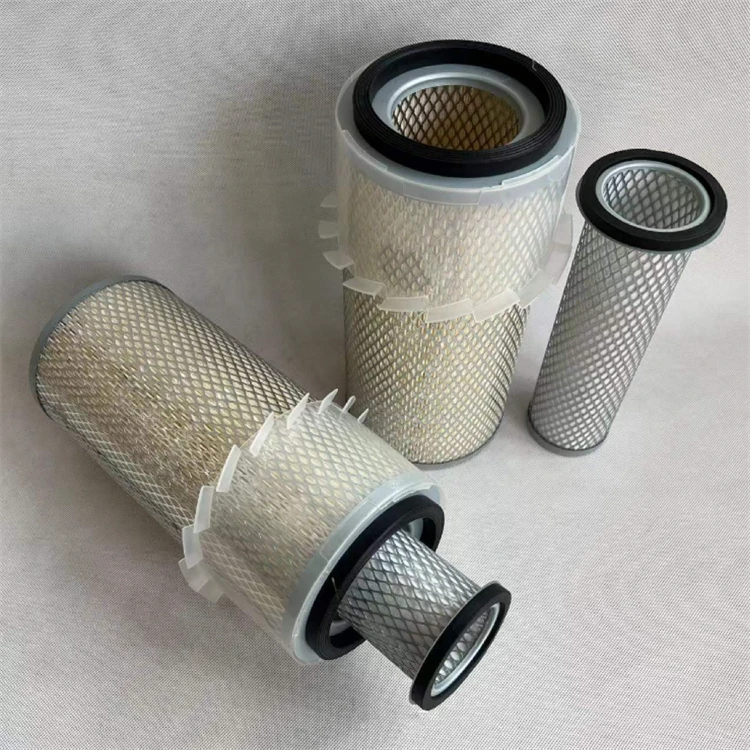
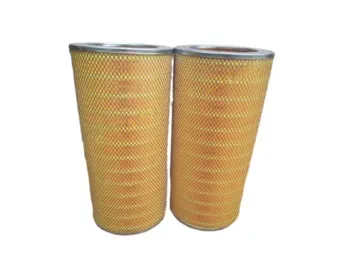
A dust filter cartridge is a cylindrical filter element, typically pleated, designed to trap dust particles from air or gas streams within industrial dust collection systems. The pleated configuration increases the surface area of the filter media, allowing for greater dust holding capacity without significantly increasing the size or resistance to airflow.
Materials commonly used include polyester, cellulose blends, fiberglass, and advanced synthetics, selected based on their filtration efficiency, durability, and resistance to environmental conditions such as high temperature, moisture, and chemical exposure.
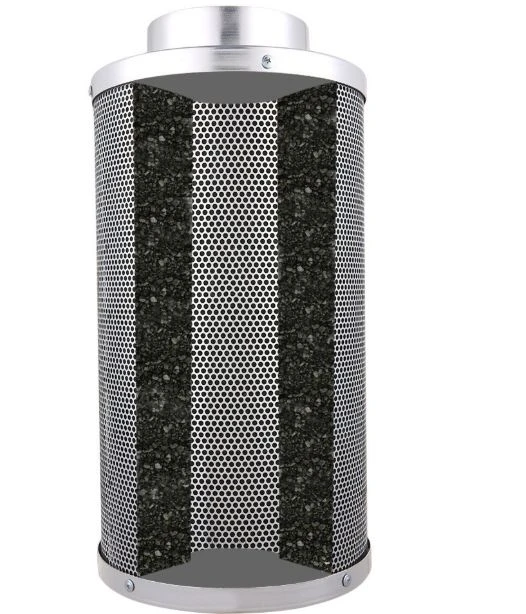
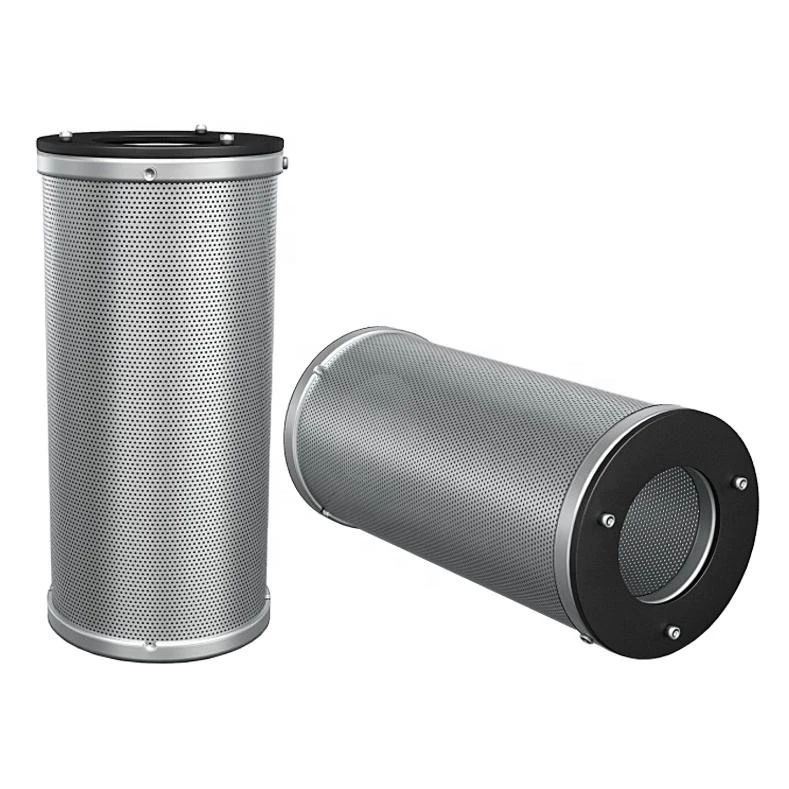
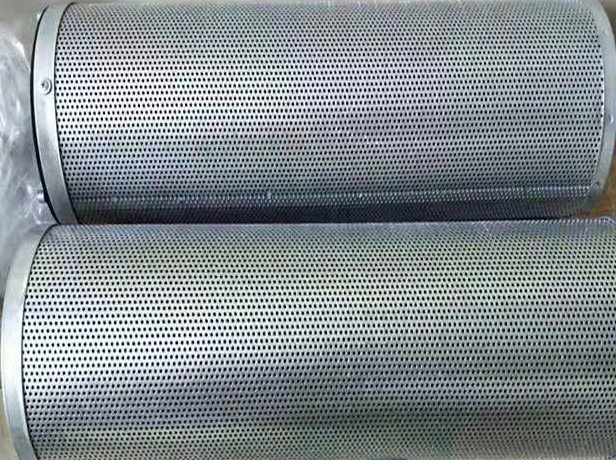
The cartridge assembly typically includes a metal or plastic cage to support the media and ensure structural integrity under operating pressure. End caps and gaskets provide airtight sealing, preventing unfiltered air bypass.
Innovations in Filter Media and Design by Dust Filter Cartridge Manufacturers
Leading dust filter cartridge manufacturers continuously invest in research to develop advanced filter media and designs. Key innovations include:
Nanofiber Coatings: Applying nanofiber layers to traditional media dramatically increases the capture efficiency of submicron particles without raising pressure drop.
Electrostatic Charging: Enhances particle adhesion to fibers by creating electrostatic attraction forces, improving filtration of fine dust and aerosols.
High-Temperature Resistant Media: Development of media that withstands extreme heat environments up to several hundred degrees Celsius, expanding applications in power generation and metalworking.
Anti-Microbial and Anti-Static Treatments: Specialized coatings to prevent microbial growth on filters and reduce static buildup that can pose explosion risks in certain industries.
Modular Cartridge Designs: Interchangeable and customizable cartridges for easy maintenance and application-specific needs, allowing quick replacements and system upgrades.
The Role of Fine Cartridge Filters for Dust Extractors
While standard industrial dust collector cartridge filters capture a broad range of particle sizes, many industries require filtration of ultrafine particles, often smaller than 1 micron. Fine cartridge filters for dust extractors meet this need by employing highly specialized media engineered for maximum capture of these fine contaminants.
These filters find critical use in pharmaceuticals, electronics manufacturing, food processing, and cleanroom environments. Their ability to reduce allergen, microbial, and ultrafine dust levels protects product quality and ensures compliance with stringent hygiene standards.
Fine filters are often used as the final filtration stage in multi-stage dust collection systems, downstream from coarse or medium filters, to maximize overall system efficiency and longevity.
Dust filter cartridges have become essential across numerous industries:
Metalworking and Fabrication: Capturing metal dust, welding fumes, and grinding residues to protect workers and equipment.
Woodworking: Collecting sawdust and wood chips to reduce fire hazards and maintain clean working conditions.
Pharmaceutical Manufacturing: Maintaining sterile air by filtering fine powders and contaminants during production.
Food and Beverage Processing: Removing airborne flour dust, sugar particles, and other food powders to meet hygiene standards.
Mining and Mineral Processing: Handling heavy dust loads and abrasive particles generated during ore extraction and crushing.
Power Plants and Energy Production: Filtering fly ash and combustion byproducts to protect turbines and meet environmental regulations.
Each sector requires tailored filter designs and materials optimized for specific dust types, temperatures, and operational demands.
Key Performance Metrics of Dust Filter Cartridges
When evaluating or selecting fishekë filtri pluhuri, several performance metrics are critical:
Filtration Efficiency: Percentage of particles removed, often rated by particle size (e.g., 99.9% at 0.3 microns).
Pressure Drop: Resistance to airflow through the filter, affecting energy consumption and system performance.
Dust Holding Capacity: Total amount of dust the filter can accumulate before requiring cleaning or replacement.
Durability and Chemical Resistance: Ability to withstand environmental factors without degradation.
Service Life and Maintenance Intervals: Expected operating time before cartridge cleaning or replacement is necessary.
Understanding these parameters helps users select the right filter for their operational needs and optimize cost-effectiveness.
Dthjesht Ffiltroj Cartridges FAQs
What factors influence the lifespan of a dust filter cartridge?
Lifespan depends on dust type and concentration, operating temperature, cleaning frequency, and filter media quality.
How do I know when to replace an industrial dust cartridge filter?
When the pressure drop exceeds recommended limits despite cleaning, or if physical damage or wear is visible.
Are fine cartridge filters compatible with existing dust collection systems?
Generally yes, but verification of size, sealing, and airflow parameters is important before installation.
Can dust filter cartridges be recycled or disposed of safely?
Some media can be recycled depending on local regulations; proper disposal is essential for hazardous dust types.
What certifications should I look for in a dust filter cartridge manufacturer?
ISO certifications, compliance with industry standards like ASHRAE, and proven product testing results are key indicators.
-
High-Efficiency Industrial Dust Filtration & PurificationLajmeApr.21,2026
-
High-Efficiency Adsorption for Clean Air & Water PurificationLajmeApr.20,2026
-
Air Filter Cartridge: High-Efficiency Filtration for Engine Protection & Clean Air SupplyLajmeApr.17,2026
-
Filter Paper: Precision Filtration Media for Industrial & Laboratory ExcellenceLajmeApr.16,2026
-
Industrial Guide for Selecting a Stainless Filter CartridgeLajmeApr.16,2026
-
Dust Filter Cartridges: High-Efficiency Industrial Filtration for Clean Production & ComplianceLajmeApr.15,2026