 E-mail:admin@only-filter.com
 Telefone:
+8615930870079
Telefone:
+8615930870079
Set . 11, 2025 09:43 De volta à lista
The Evolution and Impact of HEPA and Carbon Air Filter Cartridges in Dust Collection
The journey of air filtration technology has seen significant transformation, with the filtro de ar tipo cartucho becoming a critical element in modern dust collection systems. Originally, industrial filtration relied on bulky fabric bags and simple mechanical filters that provided limited efficiency and required frequent maintenance.
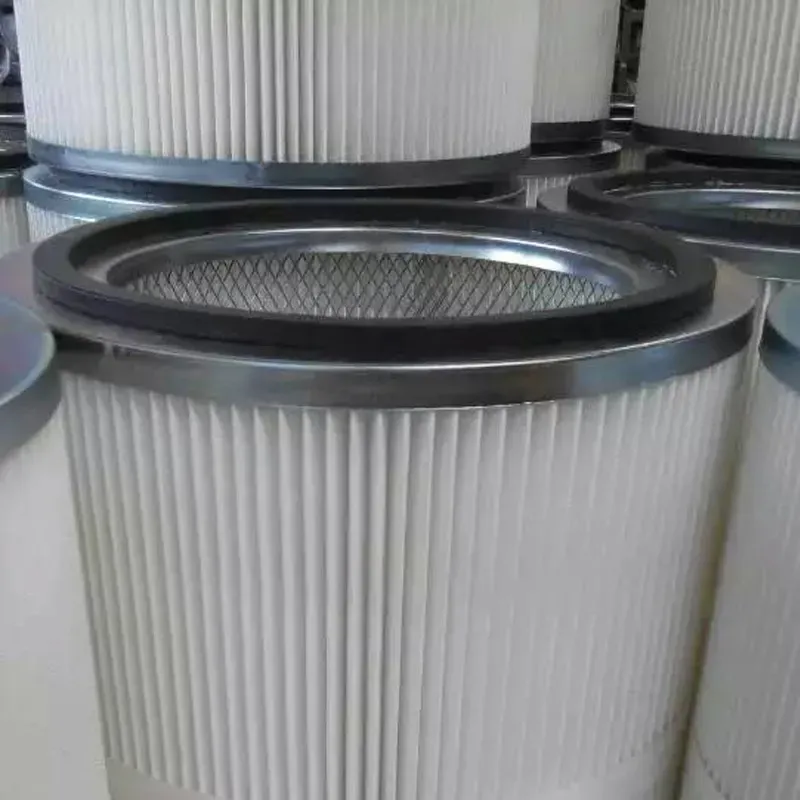
Advancements led to the development of pleated media filters, which dramatically increased the surface area within the same physical space. This innovation gave rise to the dust cartridge — a compact, efficient filter element designed to trap fine particles while maintaining airflow with minimal pressure drop.
Over time, pleated filter manufacturers optimized media materials and pleat configurations, enabling cartridges to capture smaller particles, resist moisture and chemicals, and withstand harsh industrial environments. The rise of HEPA cartridges further advanced filtration capabilities by offering ultra-fine particulate removal, essential for cleanroom and critical environment applications.
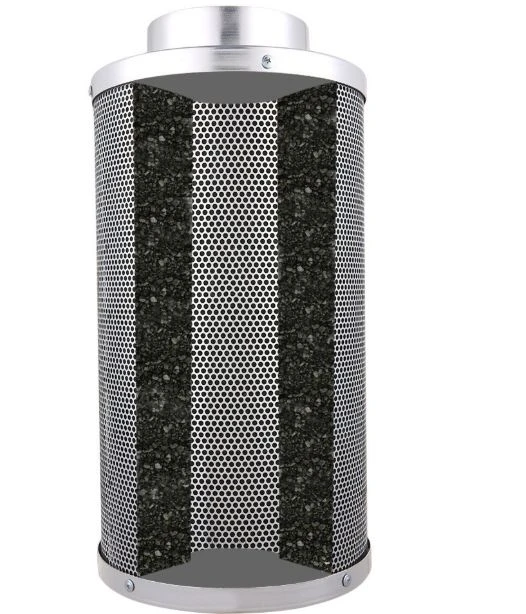
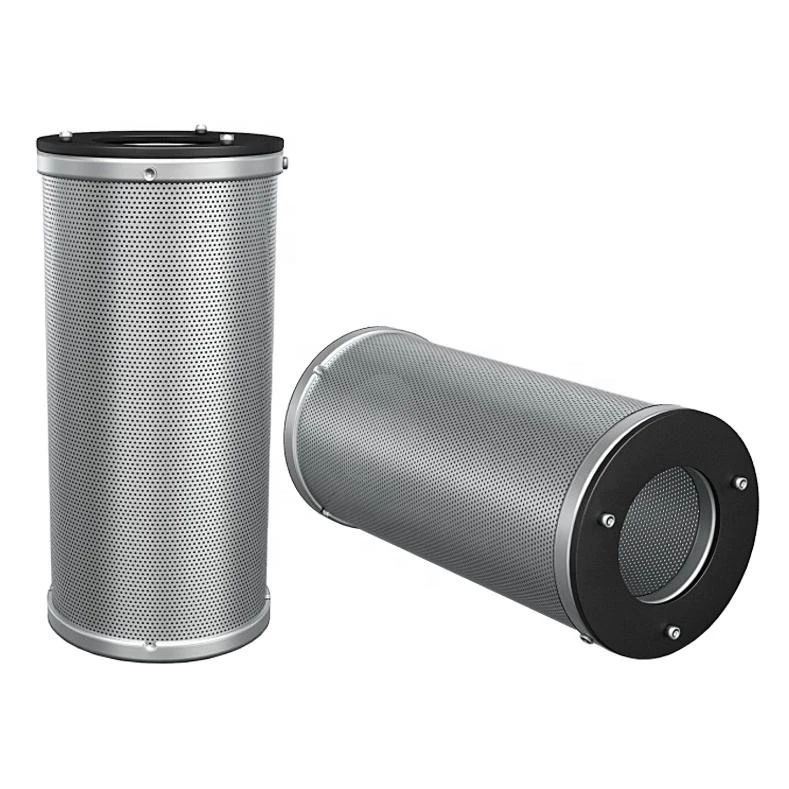
In parallel, carbon air filter cartridges were introduced to combat gaseous pollutants and odors that traditional particulate filters could not address. These cartridges use activated carbon media to adsorb volatile organic compounds (VOCs), providing a holistic approach to air purification.
Today, these technologies converge in advanced filter cartridge dust collector systems, delivering superior air quality and operational efficiency.
Technology Behind HEPA and Carbon Air Filter Cartridges
HEPA cartridges are engineered to achieve high-efficiency particulate air filtration, removing at least 99.97% of airborne particles down to 0.3 microns. Their filter media typically consist of densely packed glass microfibers arranged in a pleated structure to maximize filtration surface area while minimizing airflow resistance. The cylindrical shape of round HEPA filter cartridges optimizes airflow distribution and allows easy integration into various dust collection systems.
In contrast, carbon air filter cartridges focus on the adsorption of gaseous contaminants rather than particulates. The activated carbon used in these cartridges possesses an immense internal surface area composed of micropores that trap chemical vapors, odors, and harmful gases through physical adsorption and chemical interactions. This capability is crucial in environments where airborne chemical pollutants threaten worker health or product quality.
Innovations in these cartridges include impregnating carbon media with catalysts to break down harmful substances and combining particulate and carbon media into hybrid cartridges for simultaneous dust and gas filtration.
Integration of HEPA and Carbon Filters in Dust Collection Systems
Modern dust collector air filter cartridge systems often incorporate both HEPA cartridges and carbon air filter cartridges to achieve comprehensive air purification. In these systems, pleated dust cartridges handle coarse and fine particulate matter, while HEPA cartridges provide a final barrier against ultrafine particles.
The addition of carbon cartridges targets volatile organic compounds and odors, creating a multi-stage filtration approach that addresses a wide spectrum of air contaminants. This integration is especially critical in chemical processing, pharmaceutical manufacturing, and food packaging industries, where both particulate and gaseous pollutants are prevalent.
The modular design of cartridge filter systems allows for easy customization. Operators can configure their filtration setups by selecting the appropriate mix of filter cartridge air elements to meet specific operational requirements and regulatory standards.
Industrial Applications of HEPA and Carbon Filter Cartridges
The versatility of HEPA cartridges and carbon air filter cartridges makes them indispensable across diverse sectors:
Pharmaceutical and Biotechnology: Ensuring sterile cleanrooms with HEPA filtration to prevent contamination during drug manufacturing. Carbon cartridges mitigate chemical odors and vapors.
Chemical Manufacturing: Capturing toxic dust and volatile compounds with integrated particulate and carbon filtration to protect workers and the environment.
Food and Beverage Processing: Maintaining hygiene by filtering flour dust, yeast particles, and odors, improving product safety and workplace conditions.
Electronics Manufacturing: HEPA filters maintain ultra-clean environments critical for semiconductor and electronics assembly, while carbon filters remove solvents and chemical fumes.
Waste Management and Recycling: Reducing dust and odor emissions through robust cartridge filtration solutions.
Each industry tailors filtration system configurations based on contaminant types, airflow volumes, and operational parameters, often relying on expert pleated filter manufacturers for specialized products.
Maintenance and Future Trends in Air Filtration Technology
To maximize the lifespan and performance of cartuchos de pó, routine maintenance is essential. Systems typically feature cleaning methods such as pulse-jet or shaker mechanisms to dislodge accumulated dust from filter media, reducing pressure drop and extending service life.
Monitoring differential pressure across cartridges helps identify when filters require replacement. Proper sealing and installation practices prevent bypass air, maintaining filtration integrity.
Looking ahead, air filtration technology is moving towards:
Smart filtration systems with integrated sensors that provide real-time filter condition monitoring and predictive maintenance alerts.
Eco-friendly filter media designed for recyclability and reduced environmental impact.
Hybrid filter cartridges combining particulate and gas-phase media in a single element for compact, efficient filtration.
Advanced nanofiber coatings that enhance filtration efficiency while maintaining airflow.
These innovations will drive further improvements in energy efficiency, air quality, and operational costs, shaping the next generation of filtro de ar tipo cartucho solutions.
Cartridge Type Air Filter FAQs
What distinguishes HEPA cartridges from standard dust cartridges?
HEPA cartridges provide ultra-high filtration efficiency capable of capturing particles as small as 0.3 microns, while standard dust cartridges typically filter larger particulate matter.
How do carbon air filter cartridges complement particulate filters?
Carbon cartridges adsorb gaseous pollutants like VOCs and odors, which particulate filters cannot capture, offering comprehensive air purification when used together.
Can I retrofit HEPA or carbon cartridges into my existing dust collector system?
Yes, many systems allow retrofitting, but proper sizing and sealing are critical to ensure optimal performance.
What maintenance practices extend the life of cartridge filters?
Regular cleaning via pulse-jet or shaker methods, pressure monitoring, and timely replacement based on pressure drop or manufacturer guidelines.
Which industries benefit most from combined HEPA and carbon filtration?
Pharmaceuticals, chemical processing, food and beverage, electronics manufacturing, and waste management industries.
-
High-Efficiency Industrial Dust Filtration & PurificationNotíciasApr.21,2026
-
High-Efficiency Adsorption for Clean Air & Water PurificationNotíciasApr.20,2026
-
Air Filter Cartridge: High-Efficiency Filtration for Engine Protection & Clean Air SupplyNotíciasApr.17,2026
-
Filter Paper: Precision Filtration Media for Industrial & Laboratory ExcellenceNotíciasApr.16,2026
-
Industrial Guide for Selecting a Stainless Filter CartridgeNotíciasApr.16,2026
-
Dust Filter Cartridges: High-Efficiency Industrial Filtration for Clean Production & ComplianceNotíciasApr.15,2026