 E-mail:admin@only-filter.com
 Telefoon:
+8615930870079
Telefoon:
+8615930870079
sep . 29, 2025 17:06 Terug naar lijst
Premium Construction Machines Air Filter | Heavy-Duty & Durable
The Critical Role of Advanced Filtration in Construction Machinery
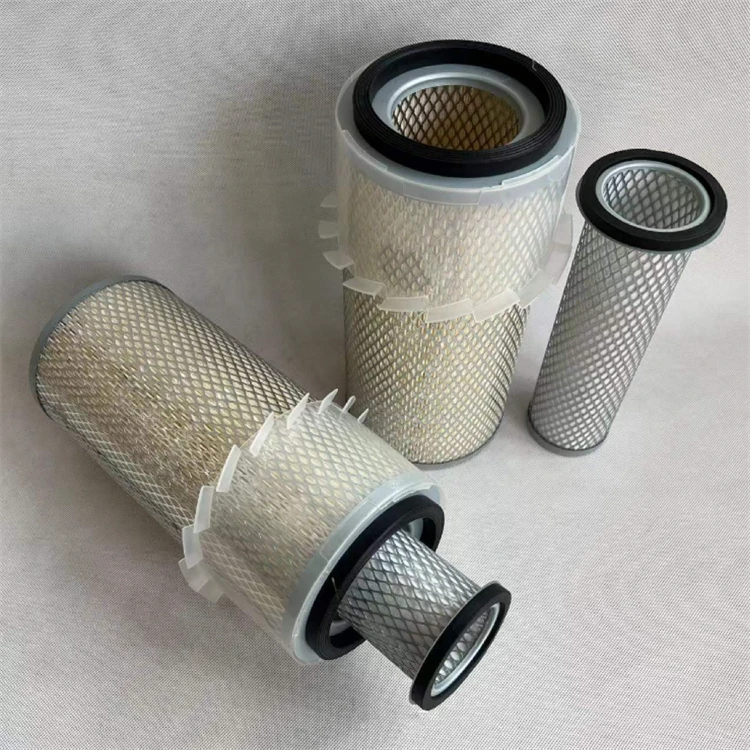
In the demanding environments of construction sites, the operational integrity and longevity of heavy machinery hinge significantly on the efficacy of its filtration systems. A superior construction machines air filter is not merely a component; it is a vital safeguard against abrasive particles, ensuring optimal engine performance, reducing wear, and extending equipment lifespan. This article delves into the technical intricacies, industry applications, and strategic advantages of high-performance air filtration solutions tailored for the construction sector, covering everything from manufacturing processes to customized solutions and real-world impact.
The continuous evolution of engine technology and increasingly stringent environmental regulations necessitate filtration solutions that offer unparalleled efficiency and durability. Understanding the nuances of these filters—from media selection to sealing mechanisms—is crucial for B2B decision-makers seeking to optimize their fleet's operational efficiency and minimize maintenance overheads. We will explore how specialized air filters contribute to greater fuel economy, lower emissions, and ultimately, a more sustainable and profitable construction operation.
Industry Trends and Market Dynamics for Construction Air Filtration
The market for air filtration in construction machinery is shaped by several dynamic trends. Global infrastructure development continues to drive demand, particularly in emerging economies. Simultaneously, environmental directives, such as EPA Tier 4 Final and EU Stage V emission standards, compel manufacturers to integrate highly efficient filtration systems that capture sub-micron particles, thereby reducing harmful emissions and improving air quality on sites.
- Enhanced Filtration Efficiency: The demand for filters with higher MERV ratings and improved dust holding capacity is growing, pushing towards multi-stage filtration systems to handle extreme dust loads effectively.
- Sustainable Materials: A shift towards eco-friendly and recyclable filtration media is gaining traction, aligning with broader corporate social responsibility goals and circular economy principles.
- Smart Filtration Systems: Integration of sensors for real-time monitoring of filter condition, pressure drop, and remaining service life is becoming more common, enabling predictive maintenance and reducing unexpected downtime.
- Extended Service Intervals: Advancements in media technology are allowing for longer filter life, reducing the frequency of replacements and associated labor costs, which directly impacts the total cost of ownership (TCO) for fleet operators.
These trends underscore the importance of investing in robust and technologically advanced solutions like a high-grade construction machines air filter to maintain competitive edge and compliance in the rapidly evolving construction landscape.
Manufacturing Process of a High-Performance Construction Machine Air Filter
The production of a durable and efficient construction machines air filter involves a meticulous multi-stage manufacturing process, ensuring each unit meets stringent performance and longevity standards.
Process Flow Overview:
- Media Selection & Preparation: High-quality filter media, typically synthetic blends (polyester, fiberglass) or specially treated cellulose, is chosen for specific filtration efficiency and dust holding capacity requirements. Synthetic media offers superior water resistance and longer life. This media is then precisely cut to size.
- Pleating: The cut media is fed into sophisticated pleating machines that form uniform, high-density pleats. The pleat depth and count are critical for maximizing surface area within the filter's confined space, directly impacting dust holding capacity and airflow characteristics.
- Stabilization & Sealing: Pleats are stabilized using hot-melt beads or crimping to maintain separation and prevent collapse during operation. The pleated media pack is then bonded to end caps made from durable materials like polyurethane or reinforced metal. Precision casting techniques are used for polyurethane end caps, ensuring a perfect seal. For heavy-duty applications, forging or CNC machining may be used for specific metal components to enhance structural integrity.
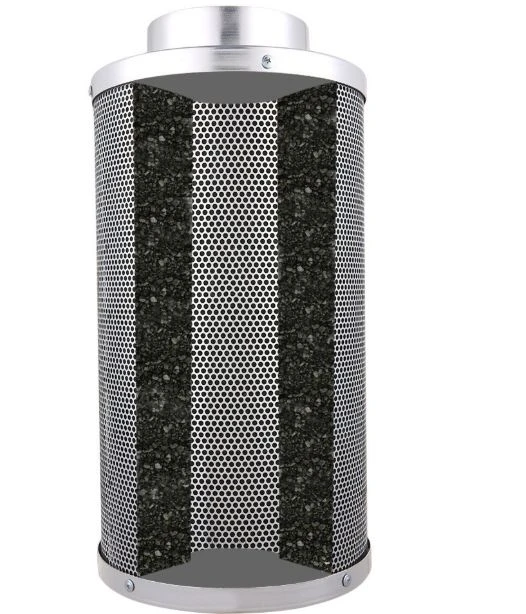
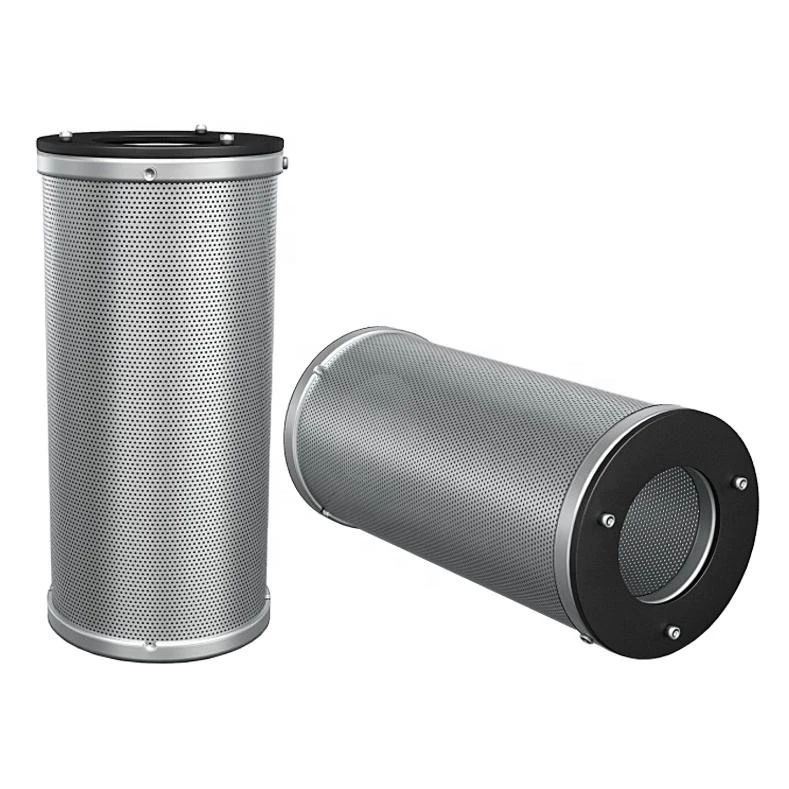
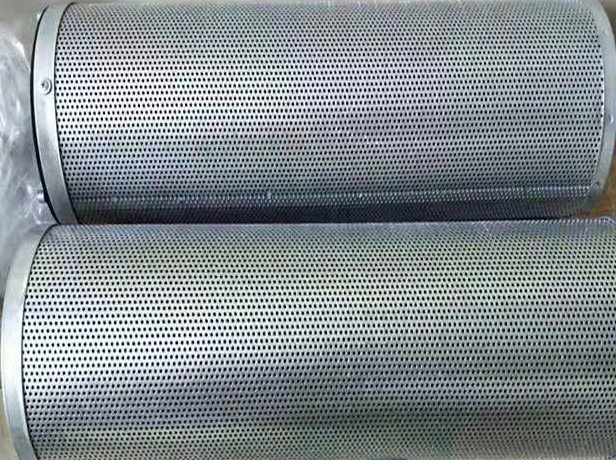
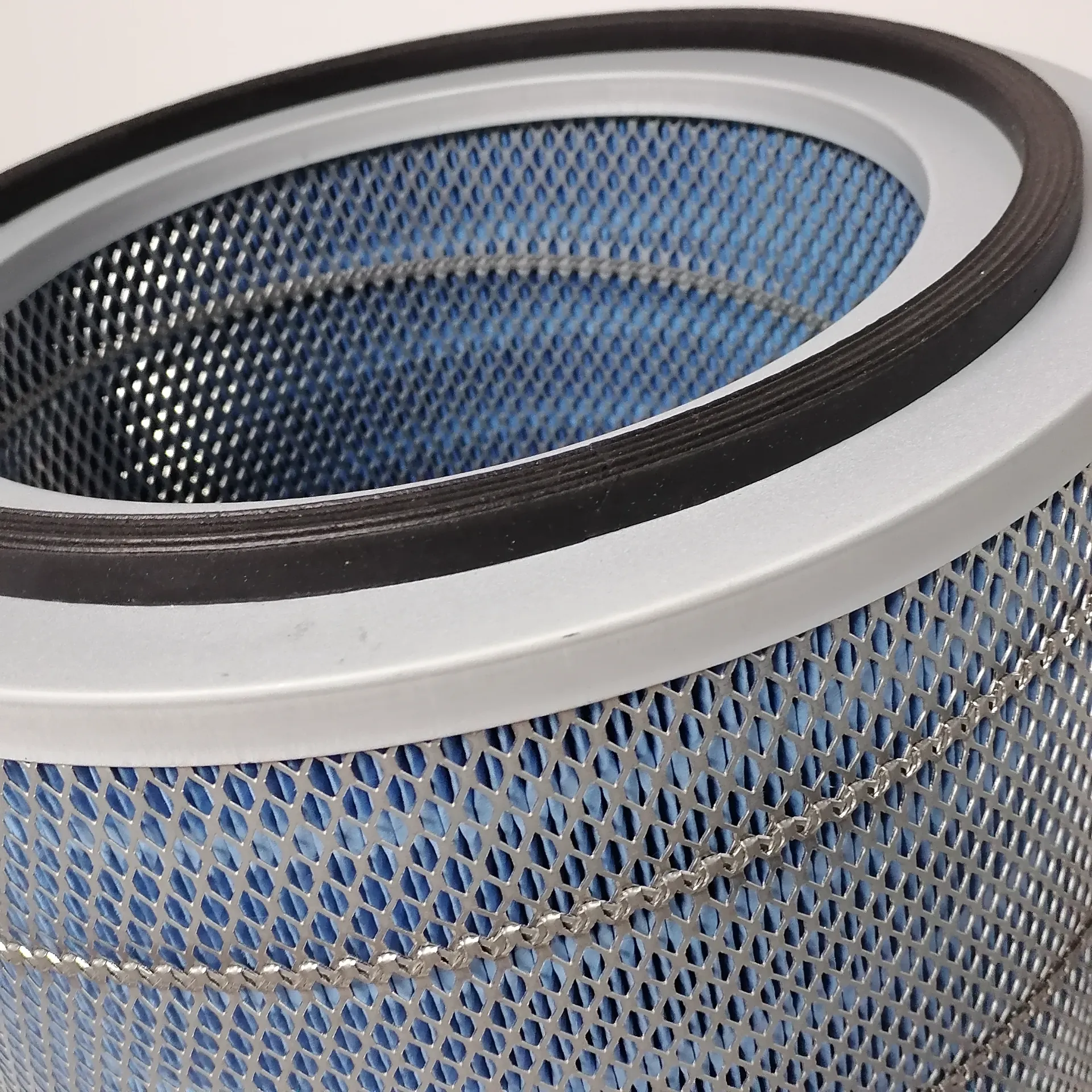
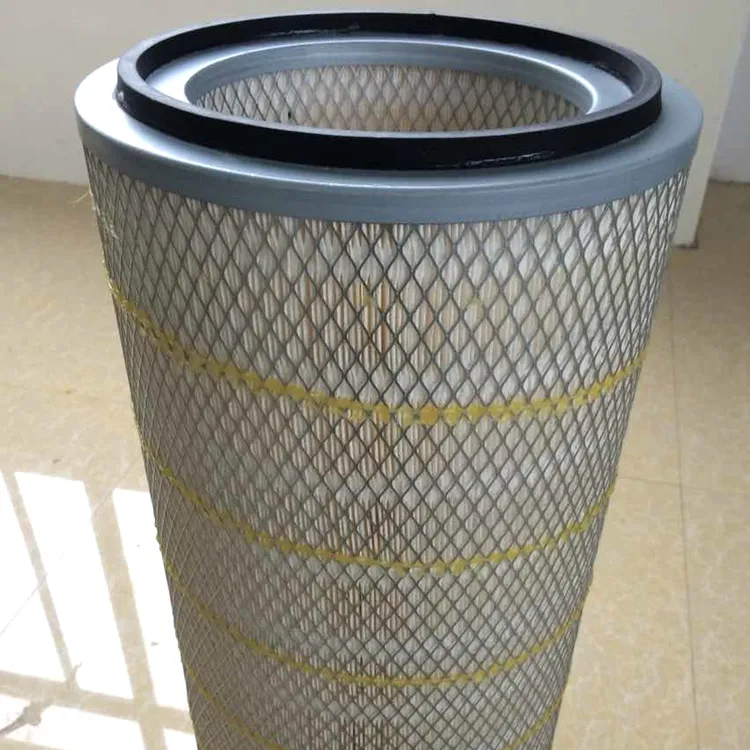
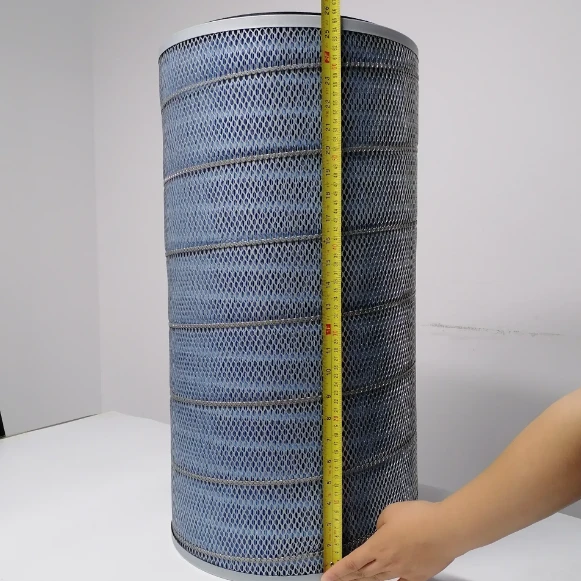
- Outer and Inner Caging (if applicable): Many filters incorporate robust outer and inner mesh cages, often made from expanded metal or spiral-wound perforated steel, to provide structural support and prevent media distortion under pulsating air pressure. These cages are fabricated through precision stamping or welding.
- Gasket Application: High-grade rubber or polyurethane gaskets are molded or attached to the end caps, ensuring an airtight seal within the filter housing and preventing bypass air, which would compromise filtration effectiveness.
- Quality Control & Testing: Each filter undergoes rigorous testing in accordance with international standards such as ISO 5011 (for filtration performance), SAE J726 (for air cleaner test code), and ANSI/ASHRAE 52.2 (for efficiency reporting). Tests include pressure drop, dust holding capacity, initial efficiency, and overall filtration efficiency. This ensures consistent performance and reliability.
- Final Assembly & Packaging: Once validated, filters are assembled, inspected for any cosmetic or structural defects, and then carefully packaged to prevent contamination during transit and storage.
The service life of these filters can range from 250 to 1000 operating hours, depending on the specific application, environmental conditions, and filter design, with advanced filters designed for extended service intervals.
Target industries include construction, mining, agriculture, road building, and material handling. Advantages in typical application scenarios include:
- Energy Saving: By maintaining optimal engine airflow, these filters prevent fuel consumption increases caused by restricted intake, leading to significant energy savings.
- Corrosion Resistance: High-quality materials and coatings on metal components enhance resistance to rust and degradation, crucial in humid or saline environments.
- Extended Engine Life: Efficient particle removal prevents abrasive wear on critical engine components, directly extending the operational life of expensive machinery.
Technical Specifications and Performance Parameters
The performance of a construction machines air filter is quantified by several key technical parameters. These specifications are crucial for matching the right filter to specific machinery and operational conditions.
Typical Product Specification Table:
| Parameter | Typical Value/Range | Significance |
|---|---|---|
| Filtration Efficiency | 99.9% @ 0.3 micron (HEPA equivalent) to 99.99% @ 5 micron | High efficiency protects engine from smallest abrasive particles. ISO 5011 compliance is critical. |
| Dust Holding Capacity (DHC) | 300-600 grams per filter (SAE J726) | Indicates the amount of dust a filter can hold before reaching terminal pressure drop. Higher DHC extends service life. |
| Initial Pressure Drop | < 2.5 kPa (clean filter) | Measure of airflow restriction. Lower values ensure optimal engine performance and fuel efficiency. |
| Media Type | Advanced synthetic blend, cellulose, nanofiber technology | Determines filtration efficiency, moisture resistance, and overall durability. Synthetic media often offers better performance in wet conditions. |
| Operating Temperature Range | -40°C to +100°C (-40°F to +212°F) | Ensures filter integrity and performance across diverse climatic conditions. |
| Burst Strength | > 2 bar differential pressure | Measures structural integrity under extreme pressure, preventing filter collapse. |
These parameters are not merely numbers; they represent the engineering excellence embedded in each construction machines air filter, directly translating into tangible benefits for operational reliability and cost management.
Application Scenarios and Technical Advantages
The robust design and superior filtration capabilities of a quality construction machines air filter make it indispensable across a wide array of heavy machinery and challenging environments.
Key Application Scenarios:
- Excavators and Loaders: Operating in dusty quarries, demolition sites, and earthmoving projects. The excavator air filter is crucial for protecting engines from fine dust and debris ingested during digging and loading operations.
- Bulldozers and Graders: Engaged in land clearing, road construction, and leveling, generating significant airborne particulate matter.
- Cranes and Concrete Pumps: While often stationary or slower moving, these machines are still exposed to construction site dust, requiring reliable air filtration to prevent engine degradation.
- Mining Equipment: Face extremely harsh conditions with high concentrations of silica dust, demanding filters with exceptional dust holding capacity and robust construction.
- Agricultural Machinery: Tractors and harvesters operating in fields generate organic dust and pollen, requiring specific filtration types to maintain engine health.
Technical Advantages:
- Enhanced Engine Protection: By trapping over 99.9% of harmful particles, these filters prevent abrasive wear on piston rings, cylinder liners, and turbocharger components, significantly prolonging engine life.
- Optimized Fuel Efficiency: A clean air filter ensures unrestricted airflow to the engine, allowing for complete combustion and preventing fuel consumption increases that can occur with clogged filters. This can lead to fuel savings of 5-10%.
- Reduced Downtime and Maintenance Costs: Extended filter service life means fewer filter changes, less labor, and reduced risk of unscheduled maintenance, translating into substantial operational cost savings.
- Compliance with Emission Standards: By maintaining optimal engine performance, efficient air filters contribute to reduced particulate matter and NOx emissions, helping machinery comply with increasingly strict environmental regulations.
- Durability in Harsh Environments: Engineered with robust housing, secure sealing, and moisture-resistant media, these filters withstand vibrations, temperature extremes, and corrosive elements inherent to construction sites.
Customized Solutions: The Advantage of ODM Air Filters
While standard filters serve a broad market, Original Design Manufacturer (ODM) services offer unparalleled flexibility for companies with specific or niche filtration requirements. An odm air filter solution allows clients to leverage a manufacturer's expertise in design, engineering, and production to create air filters perfectly tailored to their unique equipment, operational conditions, or branding needs.
Benefits of ODM Partnership:
- Precision Fit and Performance: Custom designs ensure optimal fitment within existing air intake systems, maximizing filtration efficiency and preventing air bypass, which is a common issue with ill-fitting generic filters.
- Optimized Media Selection: Tailoring the filter media to specific contaminant types (e.g., fine silica dust, coal dust, agricultural debris) and environmental humidity levels ensures peak performance and extended service life.
- Branding and Market Differentiation: ODM filters can be produced with client-specific branding, packaging, and even color schemes, strengthening brand identity and offering a unique product in the aftermarket.
- Cost-Effectiveness at Scale: For large fleet operators or equipment manufacturers, ODM can lead to significant cost efficiencies in the long run by producing filters that precisely meet their needs without unnecessary features or over-engineering.
- Proprietary Technology Integration: Allows for the incorporation of patented media technologies, specialized coatings, or unique structural designs that provide a competitive advantage.
The process typically involves detailed consultation, CAD design, rapid prototyping, rigorous testing, and phased manufacturing, ensuring the final construction machines air filter solution exceeds expectations. This collaborative approach ensures that even the most complex filtration challenges are met with innovative and robust solutions.
Vendor Comparison and Selection Criteria
Selecting the right vendor for construction machines air filter solutions is a strategic decision that impacts operational efficiency, maintenance costs, and equipment longevity. A comprehensive comparison involves evaluating several key criteria beyond just the initial purchase price.
Key Comparison Parameters for Filter Vendors:
| Criteria | High-Quality Vendor | Generic/Lower-Tier Vendor |
|---|---|---|
| Filtration Efficiency & Media Quality | Utilizes advanced synthetic or nanofiber media; certified 99.9% @ ≥0.3 micron (ISO 5011 tested). | Often uses basic cellulose; lower stated efficiency, inconsistent particle capture. |
| Dust Holding Capacity (DHC) | High DHC, leading to extended service intervals (e.g., 500+ hours). | Limited DHC, requiring frequent changes and increasing maintenance costs. |
| Construction & Durability | Robust end caps (polyurethane/metal), reinforced caging, consistent pleat spacing, strong seals. | Flimsy end caps, easily deformable caging, inconsistent pleats, potential for seal leaks. |
| Testing & Certifications | Adheres to ISO 9001, ISO 5011, SAE J726, with verifiable test reports. | May lack clear certifications or provide limited test data. |
| Customization (ODM Capabilities) | Offers full ODM/OEM services, engineering support, tailored solutions. | Limited to off-the-shelf products; no customization options. |
| Technical Support & Warranty | Dedicated engineering support, comprehensive warranty, responsive after-sales. | Minimal support, limited or vague warranty terms. |
Choosing a vendor with a proven track record, comprehensive testing, and strong technical support ensures not only a reliable supply of filtration products but also a partnership that contributes to the long-term efficiency and profitability of your operations.
Real-World Case Studies
The tangible benefits of high-quality filtration are best demonstrated through practical applications. Here are examples showcasing the impact of advanced construction machines air filter technology.
Case Study 1: Large-Scale Mining Operation
A major open-pit mining company in Australia faced persistent issues with premature engine wear and excessive fuel consumption in its fleet of heavy-duty haul trucks and large excavator air filter systems. Operating in an environment rich in abrasive silica dust, their generic air filters required replacement every 200-300 hours, leading to significant downtime and filter procurement costs. Upon switching to a specialized, high-DHC synthetic media construction machines air filter (an ODM solution), developed for their specific dust profile, the company achieved:
- Extended Filter Service Life: Filter change intervals were extended by 150%, reaching 750 hours.
- Reduced Engine Wear: Oil analysis reports showed a 40% reduction in silica particulate contamination in engine oil, indicative of significantly reduced internal engine wear.
- Fuel Efficiency Improvement: A measurable 3% improvement in fuel economy across the fleet due to consistently optimized engine air intake.
- Annual Savings: Over USD $500,000 in combined savings from reduced filter purchases, labor, and fuel consumption for a fleet of 50 vehicles.
Case Study 2: Urban Infrastructure Project
A construction firm working on a major urban highway expansion project in a densely populated area encountered challenges with fine particulate matter and exhaust fumes from surrounding traffic affecting their construction equipment. Standard air filters were quickly clogging, leading to frequent replacements and concerns about operator health due to inadequate cabin air filtration. Implementing an advanced, multi-stage construction machines air filter solution with enhanced particulate capture efficiency for both engine intake and cabin air recirculation resulted in:
- Improved Engine Reliability: Eliminated instances of power loss and erratic engine behavior linked to restricted air intake.
- Enhanced Operator Comfort & Health: Cabin air filters with activated carbon layers significantly reduced odors and fine particulate matter, leading to fewer operator complaints and a healthier work environment.
- Reduced Environmental Impact: Better engine combustion contributed to lower localized emissions around the construction site.
These cases underscore that investing in premium filtration is not just a cost, but a strategic investment that yields substantial returns in equipment longevity, operational efficiency, and overall project success.
Commitment to Trustworthiness: FAQ, Lead Time, Warranty, & Support
Building lasting partnerships in the B2B sector relies on transparency, reliability, and robust support. Our commitment to providing high-quality construction machines air filter solutions extends beyond product delivery.
Frequently Asked Questions (FAQ):
Q: How often should I replace my construction machines air filter?
A: Replacement intervals vary significantly based on operating environment, equipment type, and filter design. For typical heavy-duty construction machinery, intervals range from 250 to 1000 hours. We recommend consulting your equipment’s OEM manual and monitoring the air restriction indicator for optimal timing.
Q: What is the benefit of a synthetic media filter over cellulose?
A: Synthetic media generally offers superior filtration efficiency for finer particles, higher dust holding capacity, and better resistance to moisture. This translates to longer service life and enhanced engine protection compared to traditional cellulose media, especially in humid or very dusty conditions.
Q: Can you provide custom filter solutions (ODM)?
A: Yes, we specialize in ODM solutions. Our engineering team works closely with clients to design, prototype, and manufacture custom air filters that meet specific dimensional, performance, and material requirements for unique applications or proprietary equipment. This includes custom excavator air filter designs.
Lead Time & Fulfillment:
For standard stock items, typical lead times range from 7-14 business days. For customized (ODM) odm air filter solutions, the initial design and prototyping phase may take 4-6 weeks, followed by a production lead time of 3-5 weeks depending on order volume and material availability. We operate a streamlined logistics network to ensure efficient and timely delivery globally.
Warranty Commitments:
All our construction machines air filter products are backed by a comprehensive 12-month or 1000-hour (whichever comes first) warranty against manufacturing defects and material failure under normal operating conditions. This commitment reflects our confidence in the quality and durability of our products, providing peace of mind to our clients.
Customer Support & After-Sales Service:
Our dedicated technical support team is available to assist with product selection, installation guidance, and troubleshooting. We offer responsive after-sales service, including performance analysis and replacement support, ensuring your machinery maintains peak operational efficiency. Contact us via phone, email, or through our online portal for prompt assistance.
Conclusion
The strategic importance of a high-quality construction machines air filter cannot be overstated. It is a fundamental component for preserving engine health, optimizing fuel consumption, and ensuring the long-term profitability of heavy equipment in the construction industry. By investing in advanced filtration technologies, leveraging ODM capabilities for tailored solutions, and partnering with reputable manufacturers, businesses can achieve significant operational efficiencies, reduce maintenance overheads, and contribute to environmental sustainability. The detailed understanding of manufacturing processes, technical specifications, and real-world performance benefits empowers B2B decision-makers to make informed choices that safeguard their valuable assets and drive superior project outcomes.
References
- ISO 5011:2014 - Inlet air cleaning equipment for internal combustion engines and compressors - Performance testing. International Organization for Standardization.
- SAE J726 - Air Cleaner Test Code. Society of Automotive Engineers.
- ANSI/ASHRAE Standard 52.2-2017 - Method of Testing General Ventilation Air-Cleaning Devices for Removal Efficiency by Particle Size. American Society of Heating, Refrigerating and Air-Conditioning Engineers.
- Filtration and Separation Magazine - Industry analysis and technical articles on advanced filtration media and systems.
- Engineered Filtration Solutions: A Comprehensive Guide to Industrial Air and Liquid Filters. John Wiley & Sons.
-
High-Efficiency Industrial Dust Filtration & PurificationNieuwsApr.21,2026
-
High-Efficiency Adsorption for Clean Air & Water PurificationNieuwsApr.20,2026
-
Air Filter Cartridge: High-Efficiency Filtration for Engine Protection & Clean Air SupplyNieuwsApr.17,2026
-
Filter Paper: Precision Filtration Media for Industrial & Laboratory ExcellenceNieuwsApr.16,2026
-
Industrial Guide for Selecting a Stainless Filter CartridgeNieuwsApr.16,2026
-
Dust Filter Cartridges: High-Efficiency Industrial Filtration for Clean Production & ComplianceNieuwsApr.15,2026