 E-mail:admin@only-filter.com
 Telefoon:
+8615930870079
Telefoon:
+8615930870079
sep . 11, 2025 09:40 Terug naar lijst
Pleated and HEPA Filter Cartridges in Dust Collection Systems
Maintaining clean air within industrial and commercial environments is essential for both worker safety and equipment longevity. Dust and airborne particles can lead to health hazards, machinery malfunction, and regulatory violations. To address these challenges, advanced air filtration technologies have evolved, with pleated filter cartridges and round HEPA filter cartridges playing pivotal roles.
Together with specialized carbon air filter cartridges, these filters form the core of effective filter cartridge dust collector systems. These systems are supplied and supported by expert pleated filter manufacturers, who innovate continuously to enhance filtration efficiency and durability.
This article provides an in-depth look at these filtration technologies, their manufacturing innovations, applications, and maintenance, aiming to equip industry professionals with a thorough understanding of current best practices.
The Role of Pleated Filter Cartridges in Dust Collection
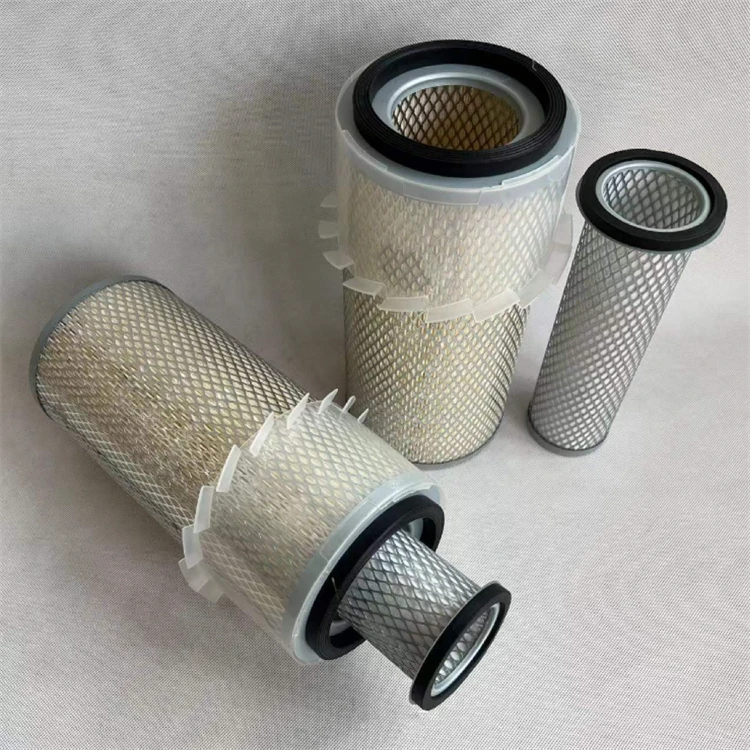
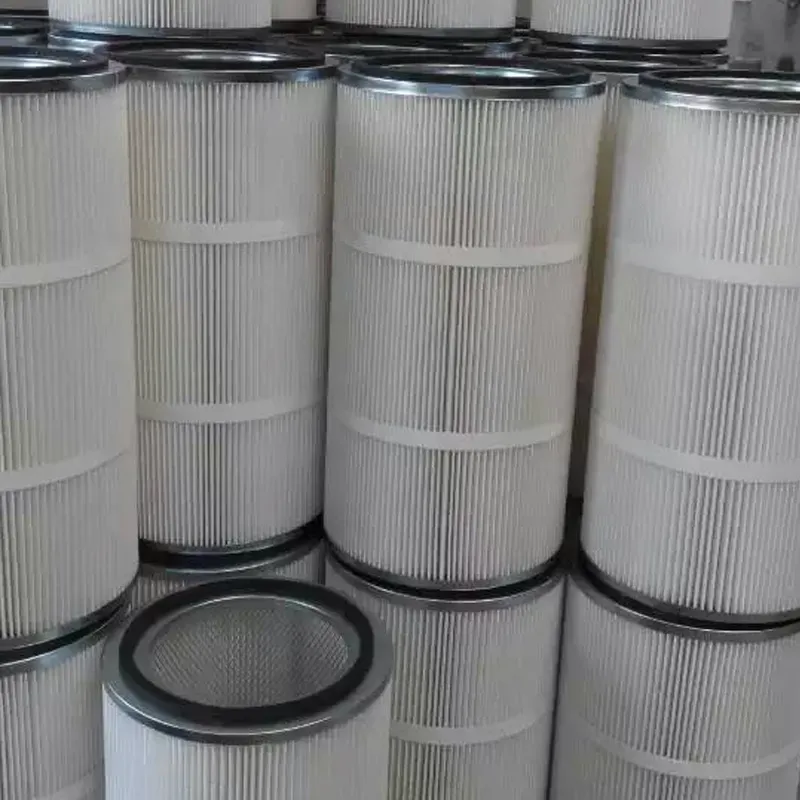
Pleated filter cartridges are widely used in industrial dust collectors due to their large surface area and efficient particulate capture. The pleats increase the effective filtration area, enabling the cartridge to trap more dust particles without significantly increasing airflow resistance.
The media used for pleated cartridges vary but commonly include polyester, cellulose, fiberglass, or advanced synthetic blends. These materials are chosen for their durability, chemical resistance, and filtration properties.
Pleated filter manufacturers continuously refine the pleat density, media composition, and cartridge design to maximize dust holding capacity while minimizing pressure drop, which directly influences energy consumption.
Advantages of Round HEPA Filter Cartridges
Round HEPA filter cartridges offer superior filtration efficiency, capturing at least 99.97% of particles as small as 0.3 microns. Their cylindrical design ensures even airflow distribution and allows installation in compact dust collector housings.
These cartridges are integral to applications requiring ultraclean air, such as pharmaceutical production, semiconductor fabrication, and cleanroom HVAC systems.
Innovations in media technology, including nanofiber coatings and electrostatic enhancements, have improved the performance and lifespan of round HEPA cartridges, making them more cost-effective for demanding environments.
The Function and Design of Filter Cartridge Dust Collector Systems
A filter cartridge dust collector system incorporates multiple filter cartridges arranged to maximize dust capture efficiency while maintaining airflow. The system typically includes mechanisms for automatic cleaning, such as pulse-jet or shaker systems, which extend cartridge life by dislodging accumulated dust.
These systems utilize a combination of air filtration cartridges—including pleated, HEPA, and carbon variants—to address both particulate and gaseous contaminants.
Their modular design facilitates maintenance and upgrades, allowing industries to adapt to changing process requirements and environmental standards.
The Critical Role of Carbon Air Filter Cartridges
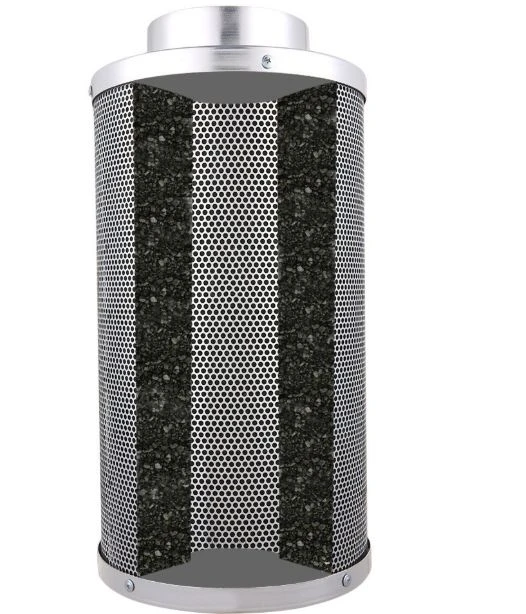
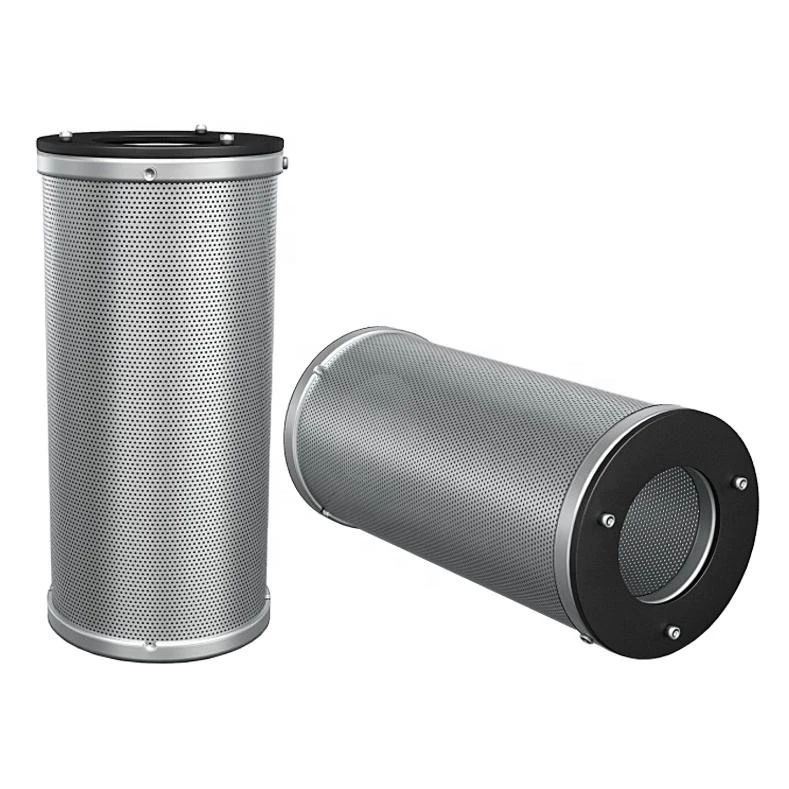
While pleated and HEPA cartridges efficiently remove particulate matter, carbon air filter cartridges specialize in adsorbing gaseous pollutants like volatile organic compounds (VOCs), odors, and harmful chemicals.
Activated carbon media, often sourced from coconut shells or coal, provides a vast internal surface area with micropores that trap gaseous contaminants through adsorption.
Integration of carbon cartridges with particulate filters offers a comprehensive solution, improving air quality by addressing both dust and chemical pollutants in industrial environments such as chemical processing, painting, and food packaging.
Materials and Technologies Behind Modern Air Filtration Cartridges
Manufacturers select and engineer media materials to meet specific filtration challenges:
Synthetic Fibers: Resistant to moisture and chemicals, used widely in pleated cartridges.
Glass Microfibers: Provide excellent filtration efficiency, commonly used in HEPA cartridges.
Activated Carbon: Specialized for gaseous adsorption in carbon cartridges.
Advanced treatments like nanofiber coatings and electrostatic charging enhance particle capture without increasing airflow resistance.
Choosing the proper filter cartridges involves considering dust characteristics, operating temperature, airflow rates, and chemical exposures.
Working with reputable pleated filter manufacturers ensures access to quality products that meet international standards.
Customization options, testing capabilities, and after-sales support are important factors when selecting suppliers.
Regular inspection, monitoring pressure drop, and adhering to cleaning schedules optimize filter performance and system longevity.
Using automated cleaning methods like pulse-jet systems minimizes downtime and manual labor.
Replacement of cartridges should follow manufacturer recommendations or be based on observed decreases in filtration efficiency.
Pleated Ffilter Mfabrikanten FAQs
What are the main differences between pleated and HEPA filter cartridges?
Pleated filters offer high dust holding capacity with moderate filtration efficiency, while HEPA filters provide ultra-high efficiency for very fine particles.
How often should filter cartridges be replaced?
Replacement depends on dust load, system design, and cleaning frequency but typically ranges from 1 to 3 years.
Can carbon air filter cartridges be used with pleated filters?
Yes, combining carbon cartridges with pleated filters effectively removes both particulates and gaseous contaminants.
How to choose the right pleated filter manufacturer?
Look for certifications, product testing data, customization capabilities, and good after-sales support.
Are round HEPA filter cartridges compatible with standard dust collectors?
They are compatible if the dust collector is designed to accommodate HEPA cartridges or can be retrofitted accordingly.
-
High-Efficiency Industrial Dust Filtration & PurificationNieuwsApr.21,2026
-
High-Efficiency Adsorption for Clean Air & Water PurificationNieuwsApr.20,2026
-
Air Filter Cartridge: High-Efficiency Filtration for Engine Protection & Clean Air SupplyNieuwsApr.17,2026
-
Filter Paper: Precision Filtration Media for Industrial & Laboratory ExcellenceNieuwsApr.16,2026
-
Industrial Guide for Selecting a Stainless Filter CartridgeNieuwsApr.16,2026
-
Dust Filter Cartridges: High-Efficiency Industrial Filtration for Clean Production & ComplianceNieuwsApr.15,2026