 E-mail:admin@only-filter.com
 Tlf.:
+8615930870079
Tlf.:
+8615930870079
sep . 03, 2025 16:42 Tilbage til listen
Air Purifier Cartridge: A Diverse Barrier for Guarding Respiratory Health
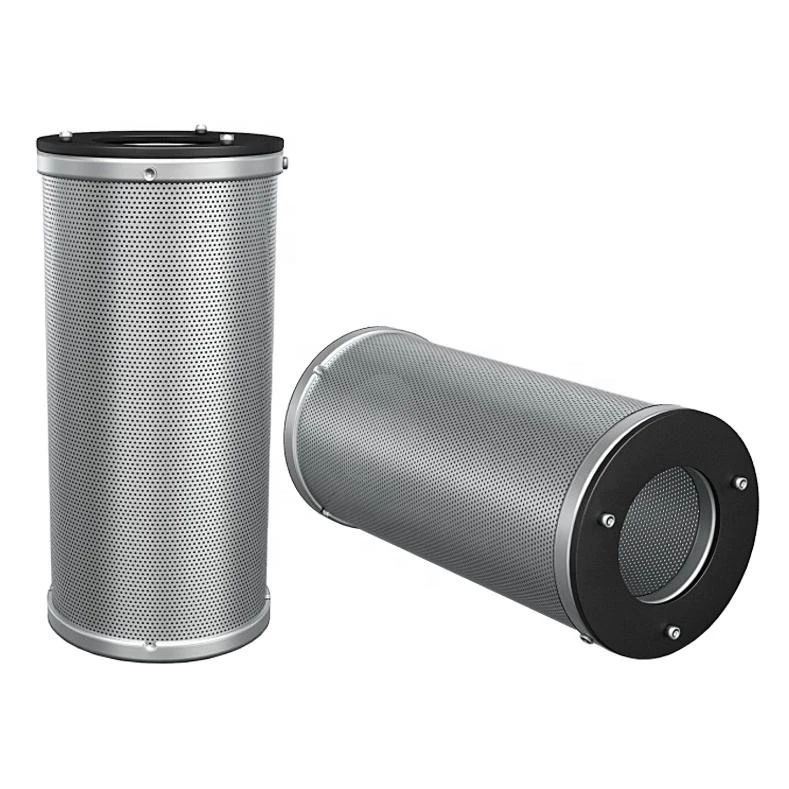
As the core component of purification equipment, Luftrenserpatron is not a single form of product, but has evolved into multiple types according to different purification needs. They are like barriers with different functions, jointly guarding indoor respiratory health.
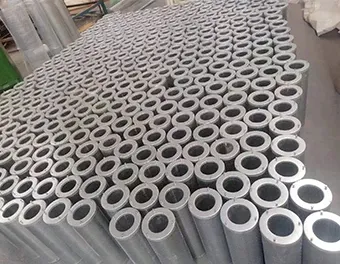
From the perspective of functional classification, Air Purifier Cartridge can be divided into multiple types
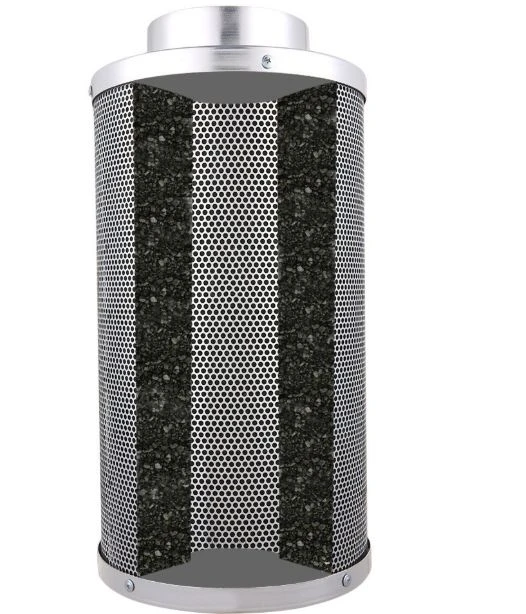
In addition to the commonly used high-efficiency composite HEPA-filterpatron, there are also specialized filters designed for specific pollutants. For example, the odor removal filter core is made of activated carbon, with a more developed pore structure and strong adsorption ability for household odors such as oil smoke and pet odors; The antibacterial filter element is added with antibacterial ingredients such as silver ions, which can effectively inhibit the reproduction of bacteria and viruses on the surface of the filter material, especially suitable for places with high hygiene requirements such as hospitals and maternity rooms; The specialized filter for formaldehyde removal adopts a combination of modified activated carbon and catalyst, which can not only adsorb formaldehyde, but also decompose it into harmless substances, avoiding secondary pollution.
Different types of Air Purifier Cartridge have their own emphasis on applicable scenarios
Ordinary households use patronoliefiltre in their daily lives, and composite filters with strong comprehensive performance can cope with most air pollution problems; Newly renovated houses are more suitable to be equipped with specialized filters for formaldehyde removal, which can quickly reduce indoor formaldehyde concentration; Pet owners can choose a combination of deodorizing and antibacterial filters to solve the problems of pet odor and microbial contamination; In the winter season of poor air quality in northern China, high dust holding particulate matter filters can more efficiently filter PM2.5 from haze.
The maintenance and replacement of Air Purifier Cartridge are key to ensuring purification effectiveness
There are differences in the service life of different types of dust collector pleated filters. Generally, the service life of activated carbon filters is 36 months, while that of HEPA filters is 612 months, which needs to be adjusted according to the pollution level of the usage environment. Regularly checking the status of the filter element and replacing aged or saturated filters in a timely manner can not only avoid a decrease in purification efficiency, but also prevent secondary air pollution caused by the filter element. Partially washable filter elements, such as primary filters, can be regularly cleaned to extend their service life.
The development of cartridge filter air has always revolved around the breathing needs of users. From single function to composite purification, from fixed specifications to customizable, every upgrade of the filter element makes air purification more precise and efficient. Although it may not be eye-catching, it invisibly builds a line of defense for people's health. With the continuous advancement of technology, the future Air Purifier Cartridge will surely bring people a cleaner breathing experience with higher quality performance.
Air Purifier Cartridge FAQs
How often is the Air Purifier Cartridge replaced?
The replacement cycle of the filter depends on the frequency of use and air quality. Usually, it is recommended to replace HEPA filters every 612 months and activated carbon filters every 36 months. If there are many pets, high levels of dust, or someone smoking at home, it may be necessary to replace them more frequently. Some high-end models have a filter life reminder function, which can refer to the indicator light or APP reminder.
What are the functional differences between different Air Purifier Cartridge?
HEPA filter: filters tiny particles such as PM2.5 and pollen, with an efficiency of 99.97%.
Activated carbon filter: adsorbs formaldehyde, odors, and harmful gases, suitable for newly renovated households.
Antibacterial filter: Adding silver ions or photocatalysts to inhibit the growth of bacteria and viruses.
Primary filter: intercepts hair and large dust particles, can be washed and reused.
How to determine if the Air Purifier Cartridge needs to be replaced?
In addition to calculating based on time, the following signs can also be used to determine:
The air volume at the air outlet has significantly decreased, and the machine noise has increased;
Decreased purification efficiency, increased indoor odor or dust;
The surface of the filter element is blackened, heavily dusty, and even has mold spots (especially in humid areas).
Can third-party Air Purifier Cartridge replace the original factory?
Third party filter cartridges have lower prices, but please note:
Compatibility matching, poor size or sealing may result in air leakage;
Whether the grade of the filtering material meets the standard, and low-quality activated carbon may release pollutants again;
Some brands use encryption chips, and non original filter cartridges may trigger errors. It is recommended to choose a legitimate third-party with testing reports.
What kind of garbage does discarded Air Purifier Cartridge belong to? How to deal with being more environmentally friendly?
HEPA filters are mostly dry waste, while activated carbon filters may contain chemicals and need to be classified according to local regulations. Environmental protection suggestions:
Disassemble and separate recyclable parts (such as plastic frames);
Some brands offer filter recycling programs (such as Xiaomi and Blueair);
When replacing, use a vacuum cleaner to clean the surface dust and extend the service life.
-
High-Efficiency Industrial Dust Filtration & PurificationNyhederApr.21,2026
-
High-Efficiency Adsorption for Clean Air & Water PurificationNyhederApr.20,2026
-
Air Filter Cartridge: High-Efficiency Filtration for Engine Protection & Clean Air SupplyNyhederApr.17,2026
-
Filter Paper: Precision Filtration Media for Industrial & Laboratory ExcellenceNyhederApr.16,2026
-
Industrial Guide for Selecting a Stainless Filter CartridgeNyhederApr.16,2026
-
Dust Filter Cartridges: High-Efficiency Industrial Filtration for Clean Production & ComplianceNyhederApr.15,2026